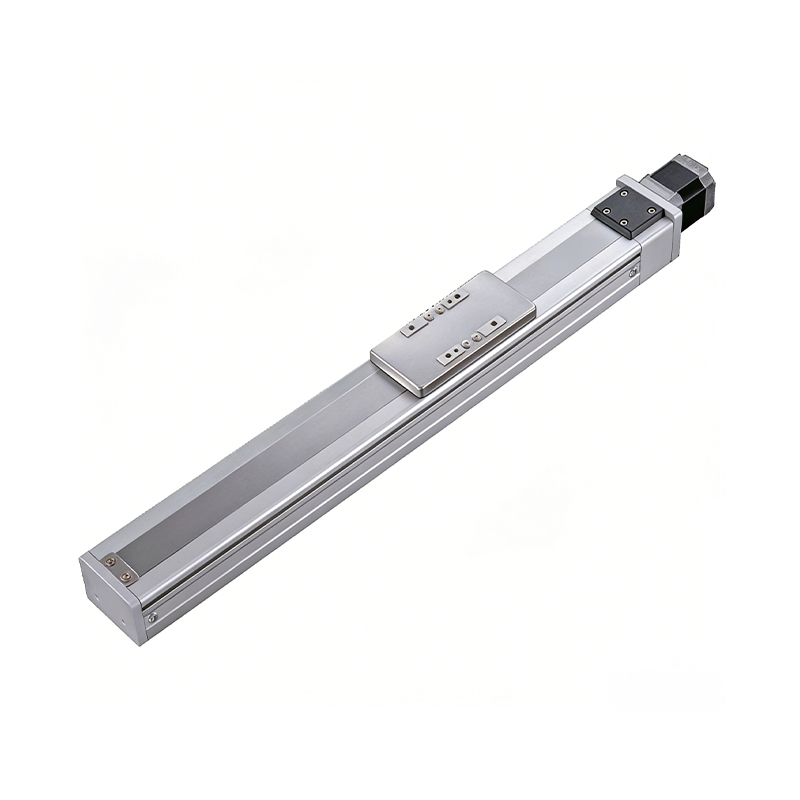
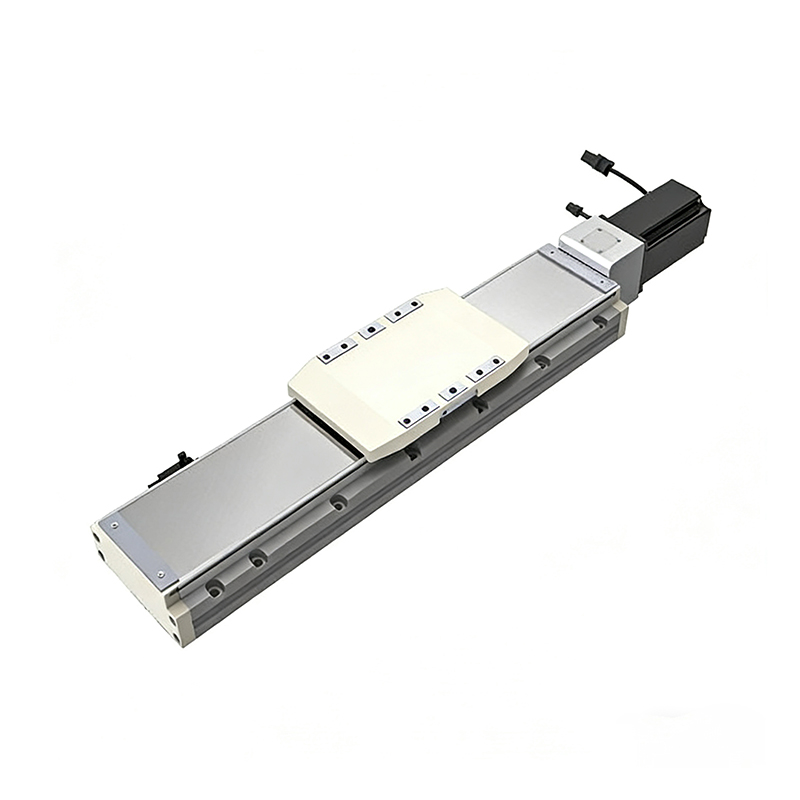
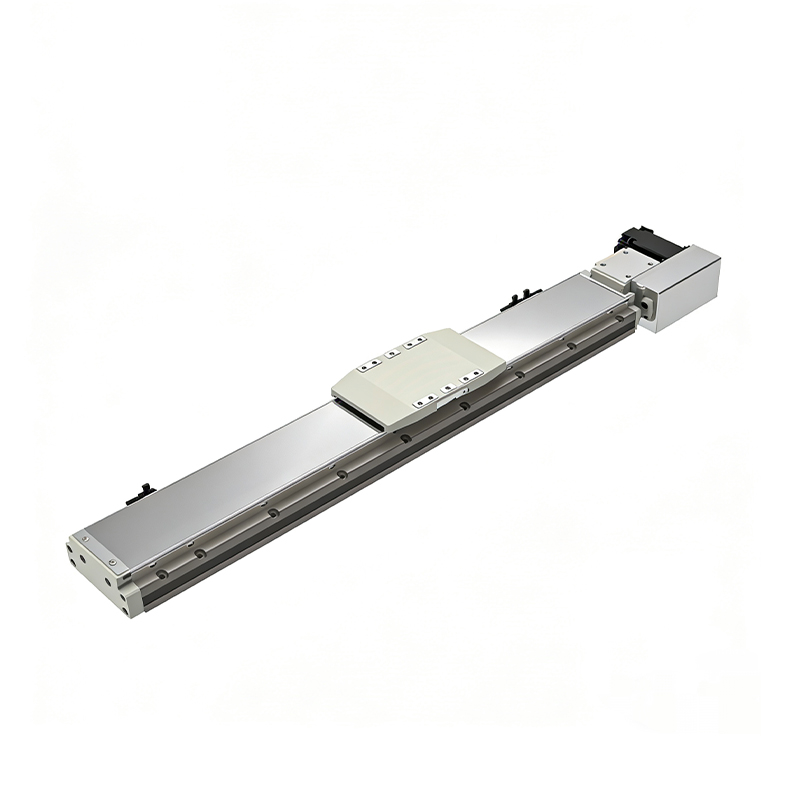
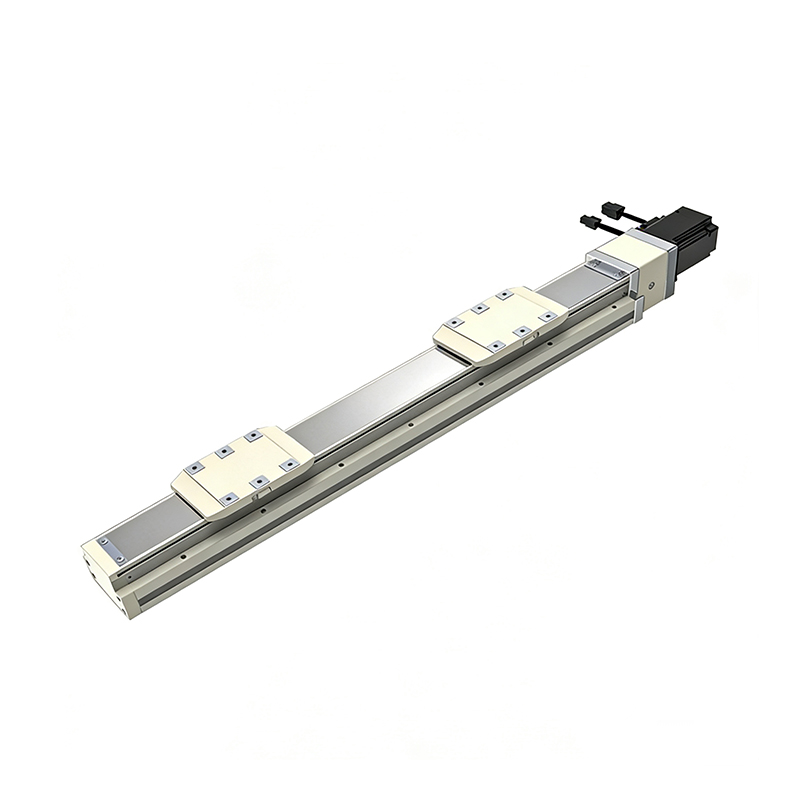
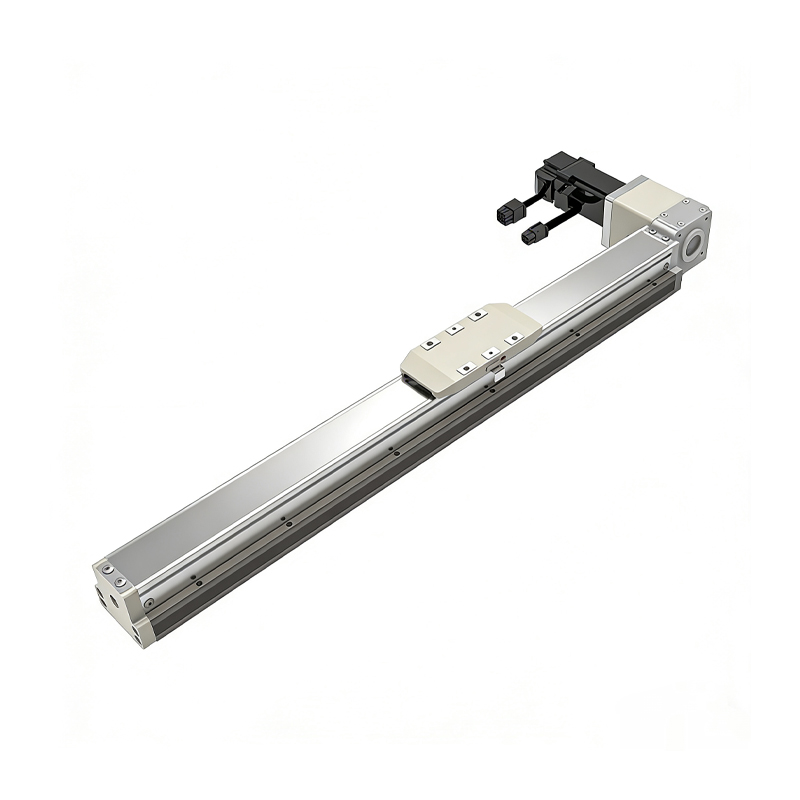
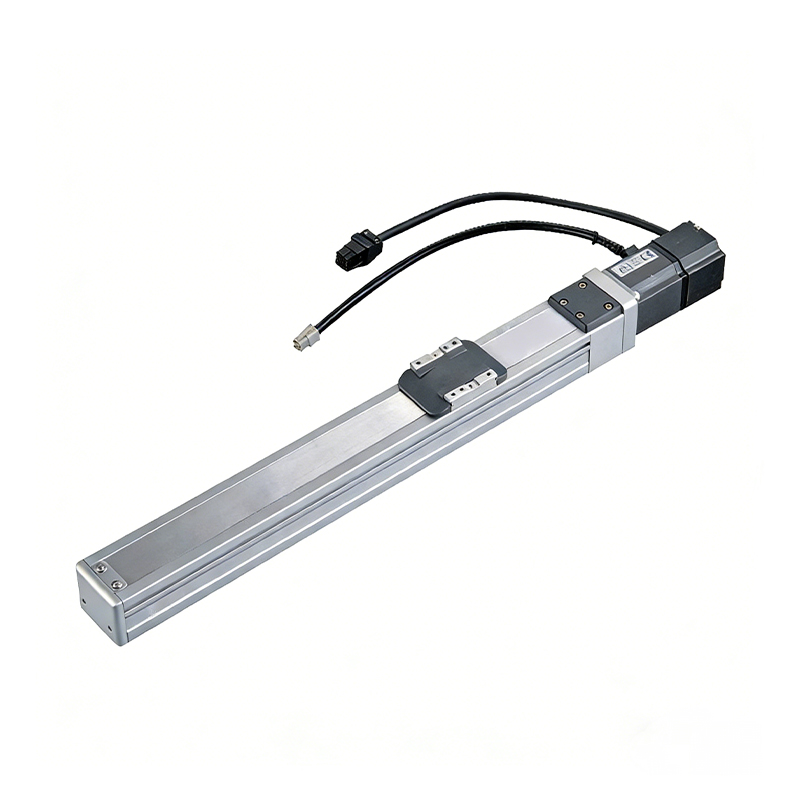
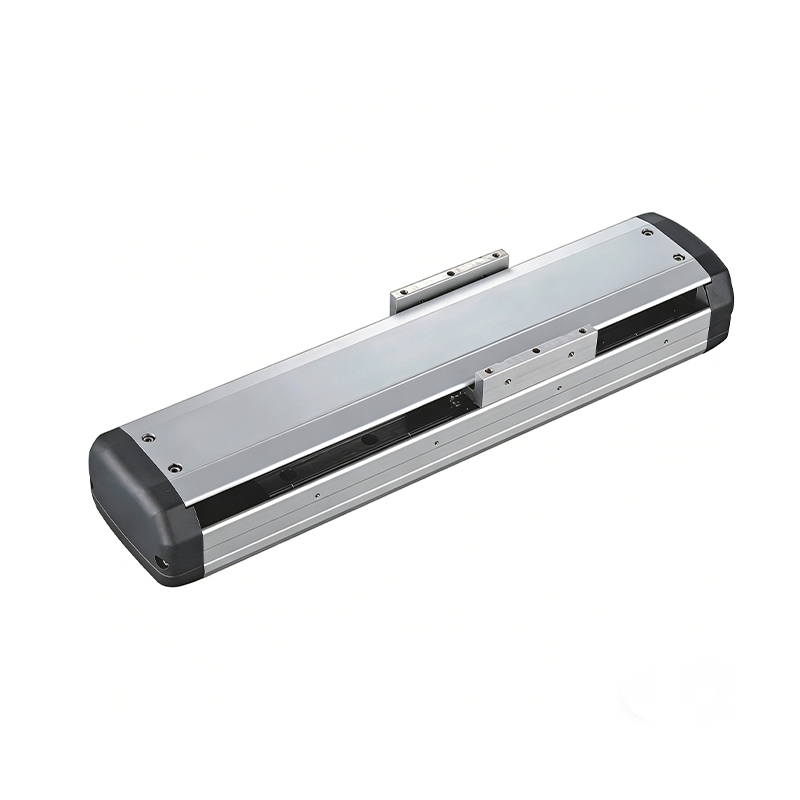
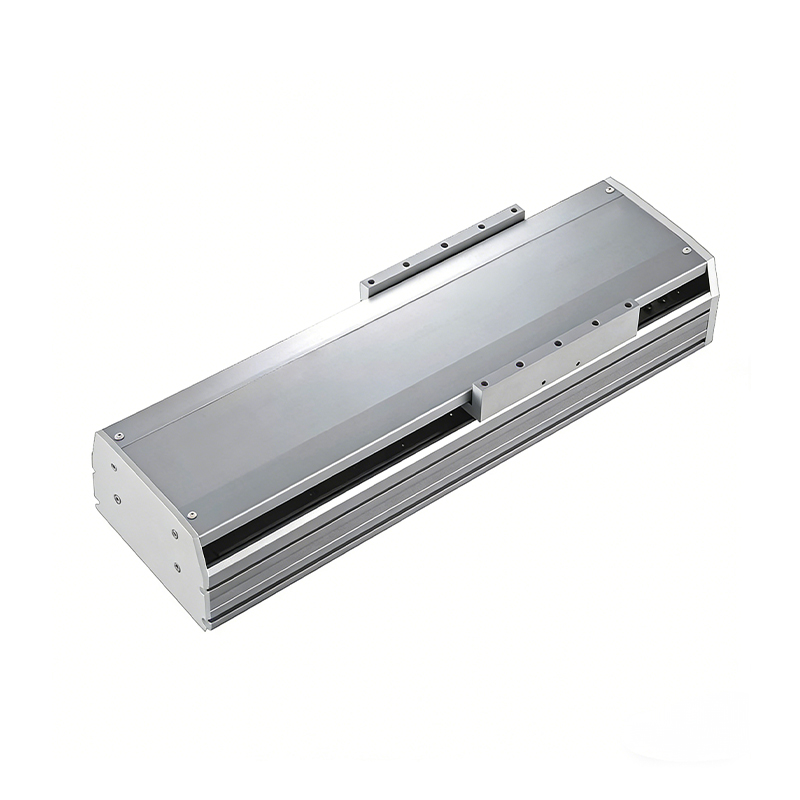
How to Improve Positioning Accuracy of Slide Table Modules?
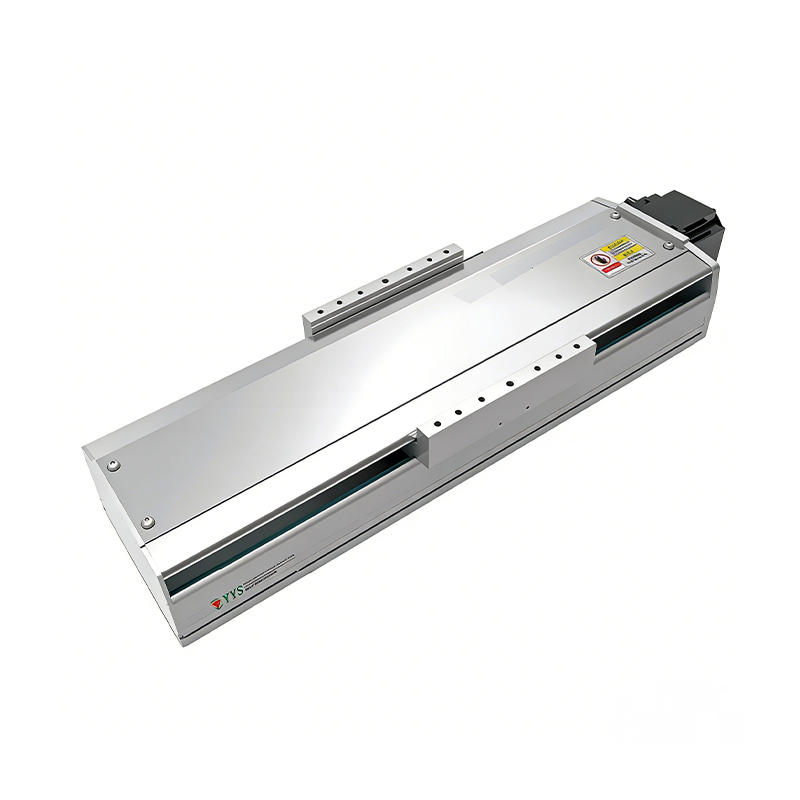
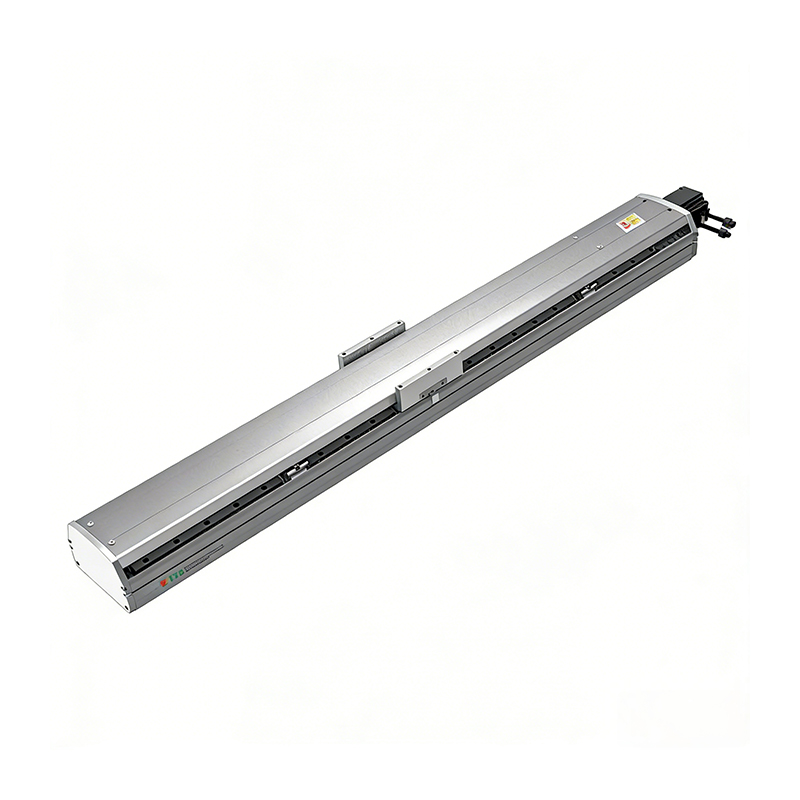
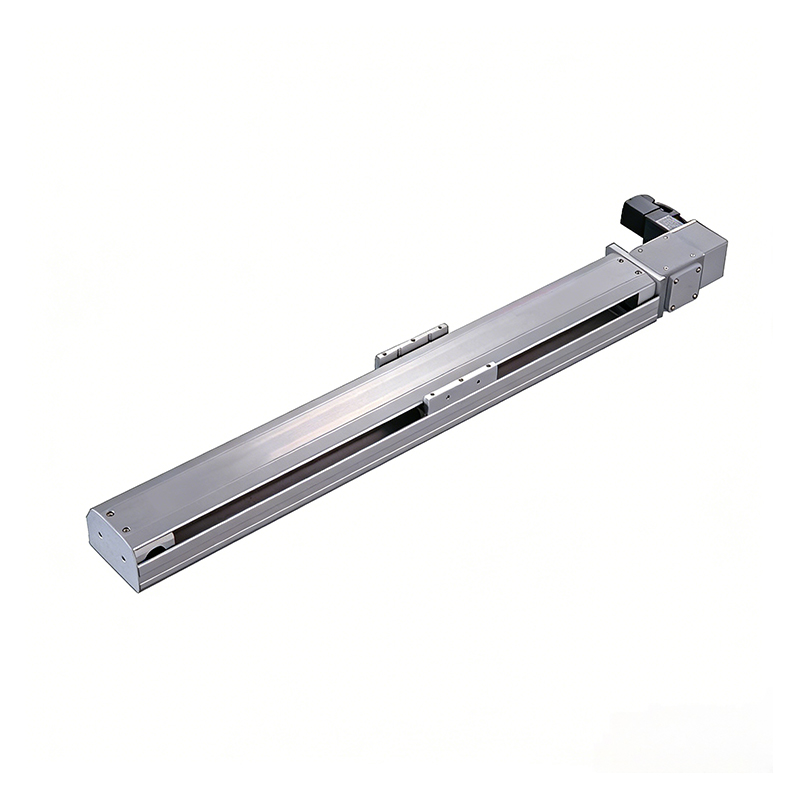
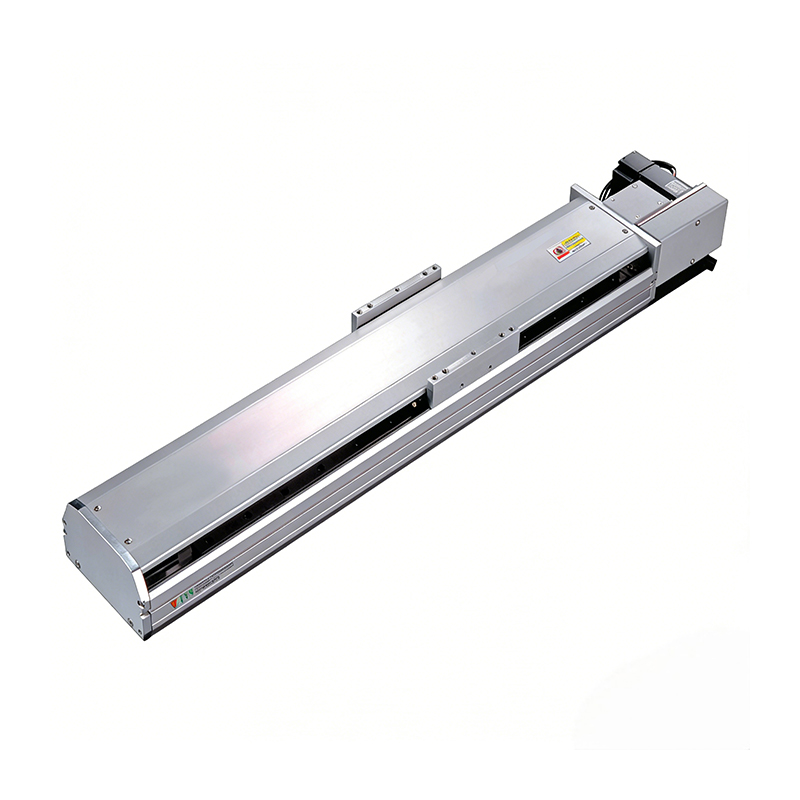
Positioning accuracy is one of the most important performance indicators for a slide table module because it directly influences product quality, production consistency, and equipment reliability. Whether the module is installed in semiconductor equipment, automated assembly systems, packaging machinery, inspection devices, or laboratory automation, even a small positioning deviation can affect the entire manufacturing process. Improving positioning accuracy requires attention not only to the mechanical structure but also to drive systems, installation methods, operating conditions, and long-term maintenance. Manufacturers with strong engineering capabilities, such as a professional Slide Table Module Factory, often focus on optimizing every stage of product development to ensure stable motion performance under different operating conditions.
Choose Components That Match the Required Accuracy Level
The positioning capability of a slide table module begins with the quality and compatibility of its core components. Linear guides, ball screws, bearings, couplings, and servo motors all contribute to the final positioning result. Selecting high-grade mechanical components alone is not enough; they should also be properly matched according to load capacity, travel distance, operating speed, and expected cycle frequency. A system designed for high-speed transportation may require different component combinations than one intended for precision assembly. During product development, engineering teams typically evaluate these parameters together instead of optimizing only one individual component.
| Component |
Influence on Positioning Accuracy |
| Linear Guide |
Controls straight-line motion stability and rigidity. |
| Ball Screw |
Determines transmission precision and repeatability. |
| Servo Motor |
Provides precise motion control and positioning response. |
| Coupling |
Reduces transmission errors caused by misalignment. |
| Encoder |
Improves positioning feedback accuracy. |
Increase Structural Rigidity to Reduce Mechanical Deformation
Mechanical deformation is often overlooked during equipment design, yet it can become a major source of positioning deviation, especially under varying loads. A rigid frame, stable mounting platform, and properly supported guide rails help maintain consistent motion throughout the travel distance. Long-stroke applications may require additional structural reinforcement to minimize deflection. Engineers also pay attention to the distribution of moving mass because uneven loading may introduce additional moment forces that influence positioning consistency during repeated cycles.
Optimize Servo Control Parameters for Stable Motion
Mechanical precision alone cannot guarantee accurate positioning if the motion control system is not properly configured. Servo tuning directly affects acceleration, deceleration, overshoot, vibration, and settling time. Appropriate parameter adjustment enables the moving platform to stop at the target position without excessive oscillation. The tuning process should consider payload changes, operating speed, and application requirements instead of using identical settings for every machine. Modern automation equipment often combines encoder feedback with advanced servo algorithms to maintain consistent positioning throughout continuous operation.
Control Installation Accuracy During Equipment Assembly
Even well-manufactured slide table modules may experience positioning errors if installation quality is neglected. Mounting surfaces should be machined to appropriate flatness, while fastening bolts should be tightened according to specified torque values. Misalignment between the module and the equipment frame may increase guide rail resistance or create unnecessary stress on the transmission components. Careful alignment during installation helps preserve the designed mechanical accuracy throughout the service life of the equipment.
| Installation Factor |
Potential Effect |
| Mounting Flatness |
Influences guide rail alignment. |
| Parallelism |
Helps reduce side loading during motion. |
| Bolt Tightening |
Maintains structural stability. |
| Coupling Alignment |
Reduces transmission deviation. |
Reduce Environmental Influences on Precision Motion
Environmental conditions can gradually affect positioning performance during long operating periods. Temperature variation may cause thermal expansion of mechanical components, while dust, moisture, or metal particles can increase friction inside linear guides and ball screws. Equipment operating in clean production environments generally experiences more stable positioning than systems exposed to contaminants. Selecting suitable sealing structures and implementing regular cleaning procedures help maintain consistent motion characteristics under different production conditions.
Apply Proper Lubrication and Prevent Premature Wear
Lubrication plays an important role in maintaining smooth linear movement and reducing component wear. Insufficient lubrication may increase friction, generate additional heat, and gradually affect repeatability. Excessive lubrication may also attract contaminants in certain industrial environments. Establishing lubrication intervals according to operating hours, travel distance, and application conditions helps preserve the performance of guide rails and ball screws while supporting long-term positioning consistency.
Integrate Manufacturing and Engineering Throughout Product Development
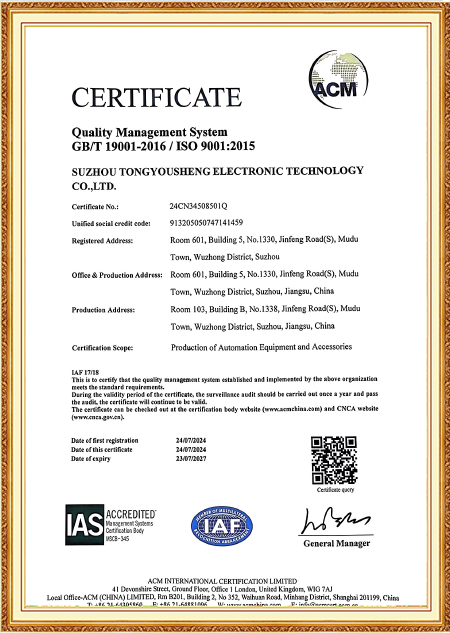
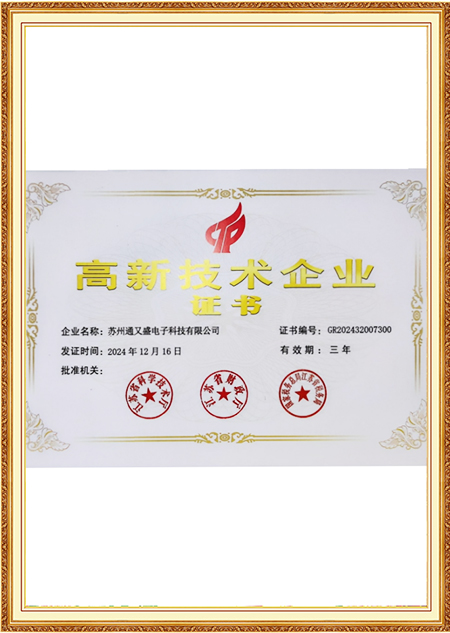
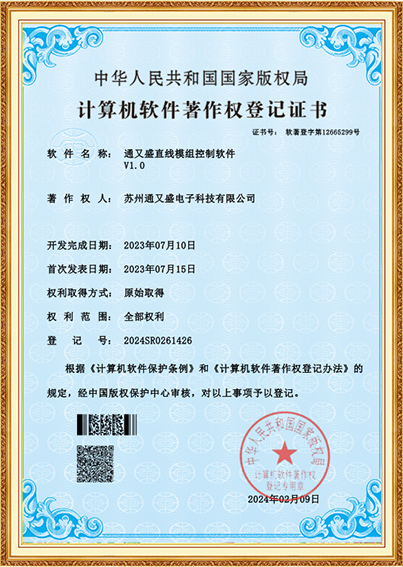
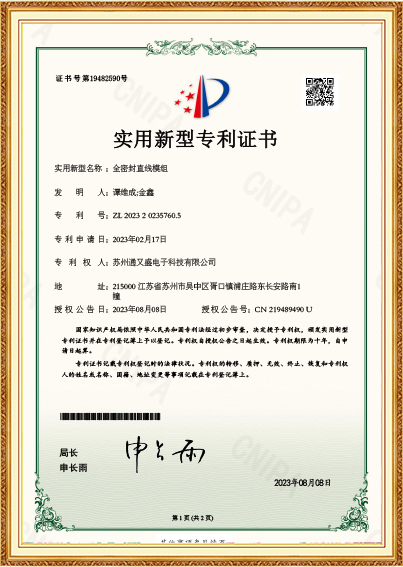
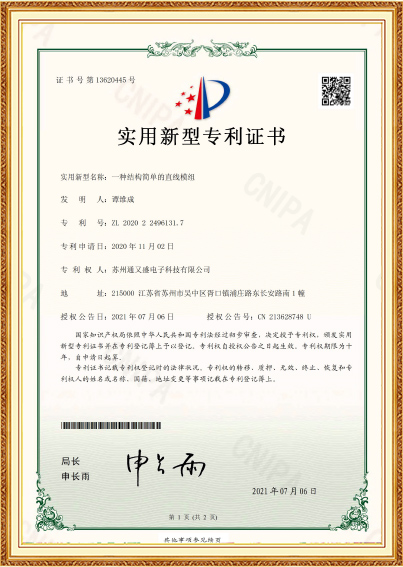
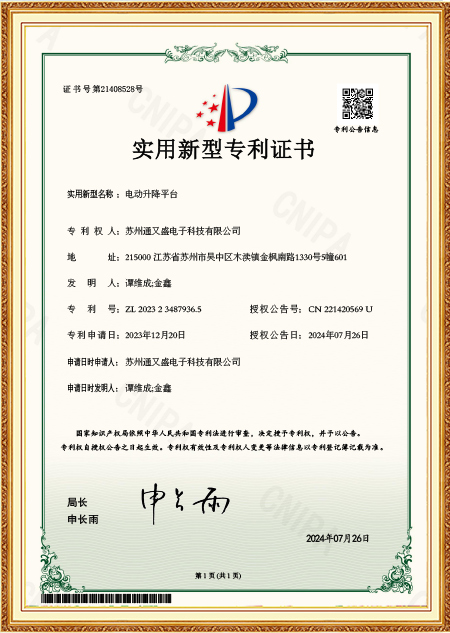
Positioning accuracy is influenced not only by product design but also by manufacturing consistency. Companies that integrate research, machining, assembly, and testing into a unified development process are able to verify dimensional accuracy at multiple stages before final delivery. Suzhou Tongyousheng Electronic Technology Co., Ltd. combines research and development with precision CNC machining and professional engineering resources to support the production of automation components for different industrial applications. This integrated workflow allows engineering teams to evaluate both structural design and manufacturing quality during product development rather than treating them as separate processes.
Select the Appropriate Module Configuration for the Application
Different industries place different demands on positioning performance, making application-oriented selection an important consideration. High-speed packaging equipment may prioritize cycle time, while semiconductor inspection systems often require tighter repeatability and smoother motion. Selecting travel length, drive type, payload capacity, and motion profile according to actual production requirements helps avoid unnecessary compromises between speed and positioning capability. An experienced Slide Table Module Manufacturer generally evaluates these application characteristics before recommending a suitable module configuration.
| Application |
Primary Positioning Consideration |
| Electronics Assembly |
Repeatability during continuous operation. |
| Semiconductor Equipment |
Stable precision and clean operation. |
| Packaging Machinery |
Balance between speed and positioning stability. |
| Automated Inspection |
Accurate stopping at inspection points. |
| Laboratory Automation |
Smooth low-speed positioning. |
Validate Performance Through Continuous Testing
Positioning accuracy should be verified throughout the development and production process rather than relying solely on design calculations. Repeated positioning tests, load simulations, endurance evaluations, and motion analysis provide valuable data for engineering improvements. Manufacturers that continuously refine product designs based on testing results are better equipped to respond to changing automation requirements. Supported by ongoing research and practical engineering experience, Suzhou Tongyousheng Electronic Technology Co., Ltd. continues to develop automation solutions that align with evolving industrial manufacturing demands while maintaining attention to product consistency and practical application performance.
How Environmental Conditions Affect Industrial Linear Actuators?
Industrial linear actuators are widely used in automated assembly, semiconductor equipment, material handling, packaging machinery, inspection systems, and robotic production lines. While load capacity, travel distance, and motion accuracy are common selection factors, environmental conditions are equally important because they directly influence operating stability, component wear, and long-term reliability. Temperature changes, airborne contaminants, moisture, vibration, and corrosive substances can all affect actuator performance if they are not considered during product selection and equipment design. Understanding these environmental influences allows manufacturers and equipment designers to choose suitable actuator configurations that match the actual operating conditions.
Temperature Variations Influence Mechanical Accuracy
Industrial linear actuators often operate in workshops where temperatures fluctuate throughout the day or between seasons. Changes in temperature cause metal components such as ball screws, guide rails, aluminum frames, and mounting structures to expand or contract. Although these dimensional changes are relatively small, they may influence positioning accuracy during precision manufacturing processes. Equipment that requires consistent positioning over long travel distances generally benefits from careful material selection and structural design that account for thermal movement. Stable operating temperatures also help maintain predictable lubrication characteristics and servo performance.
| Environmental Factor |
Potential Influence on Linear Actuators |
| High Temperature |
May increase thermal expansion and lubricant degradation. |
| Low Temperature |
Can increase lubricant viscosity and starting resistance. |
| Temperature Cycling |
May affect dimensional stability during repeated operation. |
Dust and Airborne Particles Accelerate Component Wear
Factories involved in machining, woodworking, metal processing, or powder handling often contain airborne particles that can enter moving mechanical assemblies. Dust accumulation inside guide rails or ball screw mechanisms increases friction and gradually affects motion smoothness. Metal chips and abrasive particles may also shorten the service life of bearings and sealing components. Proper sealing structures, protective covers, and scheduled cleaning procedures help reduce contamination risks. Equipment designed for demanding production environments should consider protection measures during the early design stage instead of relying solely on maintenance after installation.
Humidity and Moisture Require Appropriate Protection
Moisture is another environmental factor that deserves attention, particularly in food processing, pharmaceutical manufacturing, outdoor automation, and coastal industrial facilities. High humidity may contribute to corrosion on exposed metal surfaces if suitable protective treatments are not applied. Electrical components, connectors, and feedback devices can also be affected by moisture when insufficient sealing is provided. Selecting actuators with suitable enclosure protection and corrosion-resistant materials helps improve operational stability under humid working conditions while reducing maintenance frequency.
Corrosive Chemicals Demand Material Compatibility
Some industrial applications expose linear actuators to chemical cleaning agents, acidic vapors, alkaline solutions, or industrial solvents. These substances may gradually affect seals, coatings, fasteners, and exposed metal components if material compatibility is overlooked. Engineers typically evaluate both the chemical environment and maintenance procedures before selecting actuator materials. Stainless steel hardware, protective surface treatments, and appropriate sealing solutions can support longer equipment operation in facilities where chemical exposure is unavoidable.
| Application Environment |
Recommended Design Consideration |
| Food Processing |
Moisture-resistant materials and sealed structures. |
| Metal Machining |
Protection against metal chips and cutting fluids. |
| Chemical Production |
Corrosion-resistant components and protective coatings. |
| Electronics Manufacturing |
Dust control and precision positioning stability. |
Vibration from Surrounding Equipment Affects Motion Stability
Industrial linear actuators are frequently installed alongside stamping machines, CNC equipment, conveyors, or robotic systems that generate continuous vibration. External vibration may influence positioning repeatability and increase stress on mechanical connections over time. Equipment designers often improve structural rigidity, optimize mounting methods, and adjust motion parameters to reduce the impact of surrounding vibration sources. Stable installation conditions contribute to smoother motion and help preserve mechanical alignment throughout continuous production.
Lubrication Performance Changes Under Different Environmental Conditions
Lubrication plays an important role in maintaining consistent motion regardless of the surrounding environment. High temperatures may reduce lubricant viscosity, while lower temperatures can increase resistance during startup. Dusty environments may require more frequent lubrication and cleaning to prevent contaminants from mixing with grease. Selecting lubricants that match the expected operating temperature range and maintenance schedule helps maintain stable movement of guide rails and transmission components throughout the equipment lifecycle.
Electrical Components Also Respond to Environmental Changes
Industrial linear actuators rely on servo motors, sensors, encoders, and control systems that can also be influenced by environmental conditions. Excessive heat may affect electronic component efficiency, while humidity and dust can interfere with electrical connections if suitable protection is not provided. Cable routing, connector sealing, and proper enclosure selection all contribute to reliable communication between the actuator and the automation control system. Consistent electrical performance supports stable positioning and repeatable operation during extended production cycles.
Engineering Design Should Match the Intended Application Environment
Environmental considerations should be integrated into product development rather than addressed only after installation. Companies with integrated research, manufacturing, and testing capabilities are able to evaluate how different operating environments influence mechanical design, component selection, and production processes. Suzhou Tongyousheng Electronic Technology Co., Ltd. combines research and development, precision CNC machining, and engineering resources to support the design and production of industrial automation components for a wide range of manufacturing applications. This integrated approach allows engineering teams to consider practical operating environments during product development while supporting different automation requirements.
Testing Under Real Operating Conditions Supports Reliable Product Selection
Laboratory testing provides valuable technical data, but actual production environments often introduce additional variables that influence actuator performance. Load changes, airborne contaminants, temperature fluctuations, and continuous operating cycles may interact in ways that cannot be fully simulated through a single performance test. Manufacturers commonly conduct endurance testing, positioning verification, environmental evaluations, and structural inspections to better understand product behavior under practical conditions. Suzhou Tongyousheng Electronic Technology Co., Ltd. continues to improve its automation solutions through ongoing engineering development, advanced manufacturing equipment, and close attention to customer application requirements, allowing industrial linear actuators to better adapt to a variety of operating environments.
| Environmental Condition |
Design Focus |
Expected Benefit |
| High Dust |
Protective covers and sealing |
Reduced contamination of moving components. |
| High Humidity |
Corrosion-resistant materials |
Improved durability in damp environments. |
| Temperature Changes |
Material selection and structural design |
More consistent positioning performance. |
| Continuous Vibration |
Rigid installation and motion optimization |
Stable operation during repeated production cycles. |



 English
 Français
 русский
 عربى
عربى Español
 Deutsch