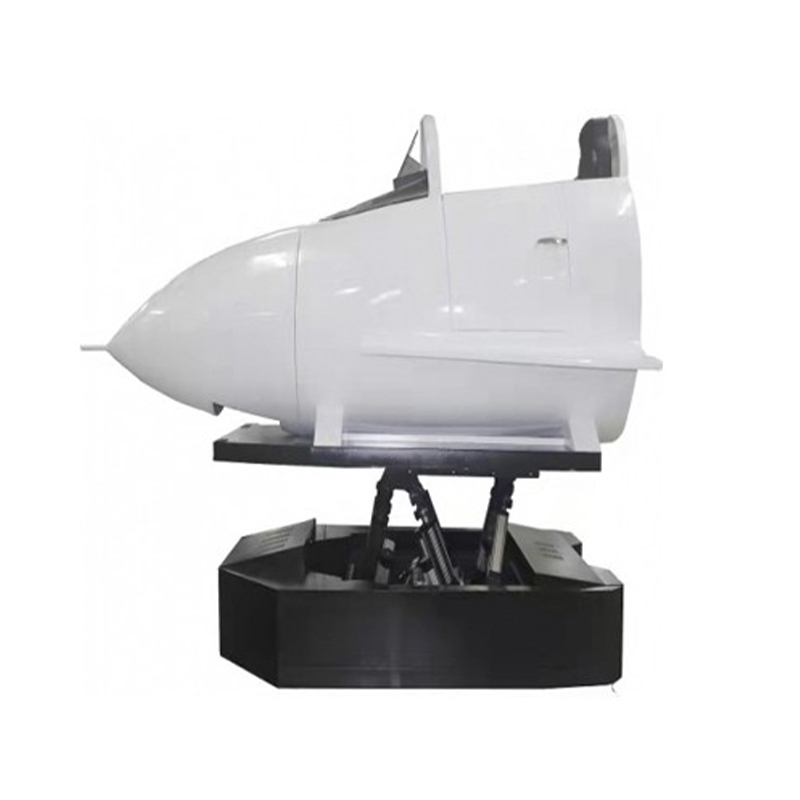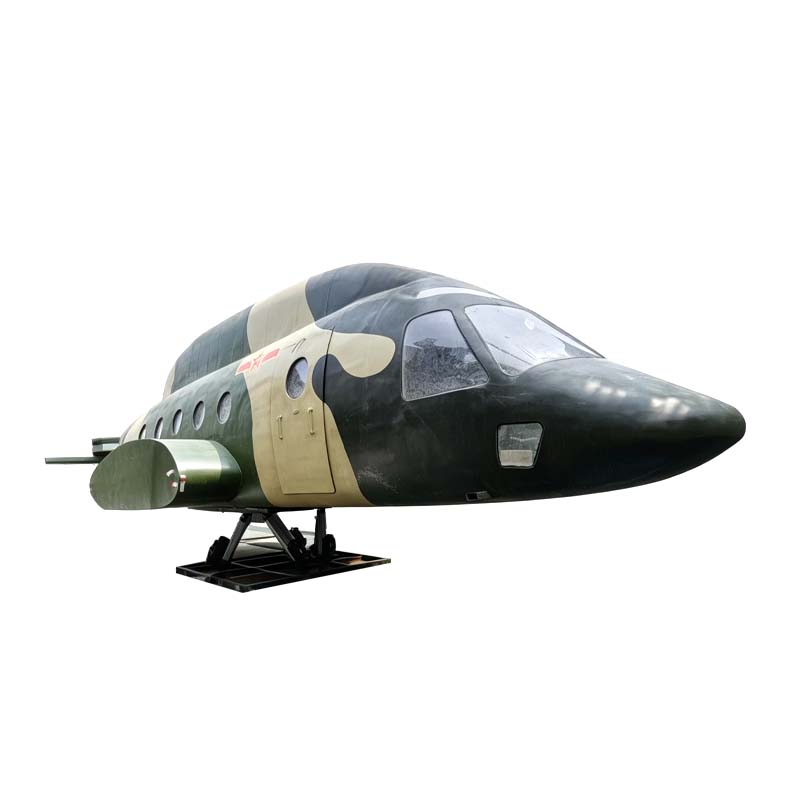
Flight Simulation Platform Custom

Home / Products / Motion Simulation Platform / Flight Simulation Platform

About Us
Suzhou Tongyousheng Electronic Technology Co., Ltd.

Suzhou Tongyousheng Electronic Technology Co., Ltd. is a leading high-tech enterprise integrating R&D, production and sales, specializing in the design, manufacturing and distribution of premium automation equipment and components—including electric cylinders, linear slide modules, linear motor modules, servo presses, robotic 7th axes, and six-degree-of-freedom platforms.

As China Flight Simulation Platform Manufacturers and Flight Simulation Platform Suppliers, we recognize technological innovation as the cornerstone of sustainable growth. Our R&D team, composed of industry veterans with deep technical expertise and extensive hands-on experience, serves as the engine driving our continuous progress. By pushing technical boundaries, accelerating product iteration, and pioneering industry advancements, we have secured a portfolio of core patents that underscore our leadership in automation and deliver a decisive competitive edge. We further reinforce our capabilities with state-of-the-art R&D tools, professional design software, and high-precision CNC machining centers, ensuring every development effort is backed by world-class resources.

Through years of relentless exploration and execution, Tongyousheng has established itself as an industry benchmark, renowned for its robust R&D, cutting-edge products, and uncompromising quality. We are dedicated to advancing the Industry 4.0 revolution, collaborating with state-owned enterprises, defense technology institutions, and top-tier universities to build a deeply integrated ecosystem of industry, academia, and research—pushing the frontiers of intelligent manufacturing together. At the heart of our mission is a commitment to delivering automation solutions that are intuitive to operate, highly efficient, ultra-reliable, and cost-effective. Every product we create is a reflection of our technical ingenuity and a direct response to our customers' evolving needs.
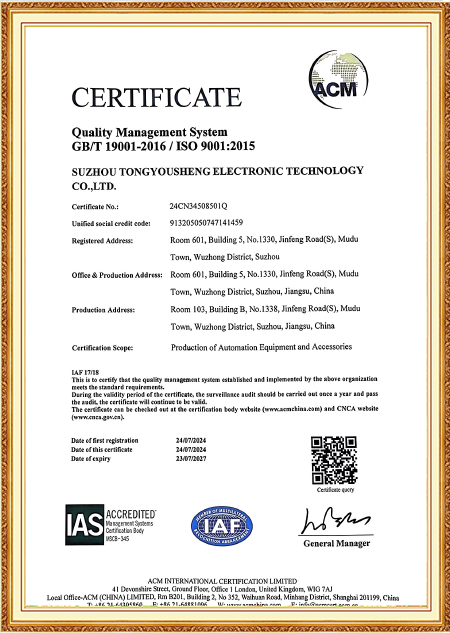
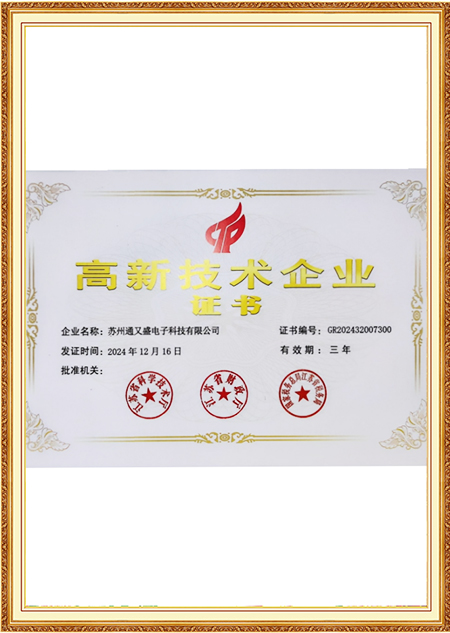
Certificate Of Honor
  • ISO 9001:2015 Certificate
  • High-tech Enterprise Certificate
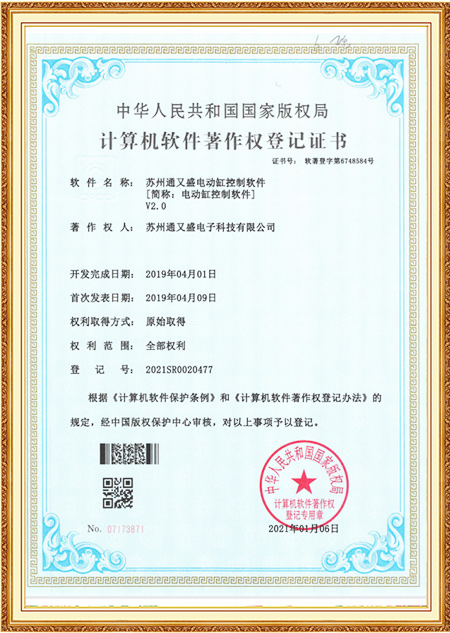
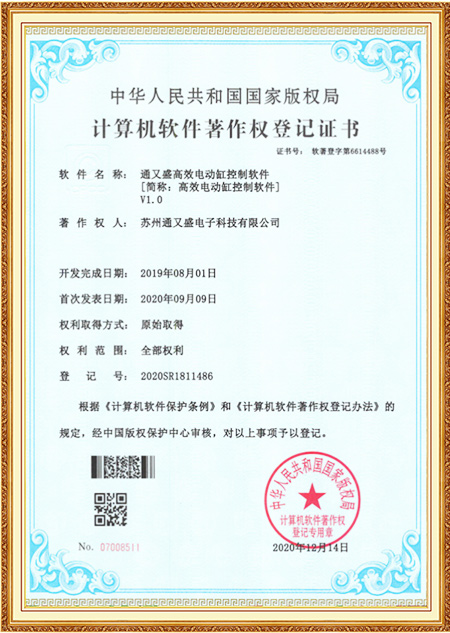
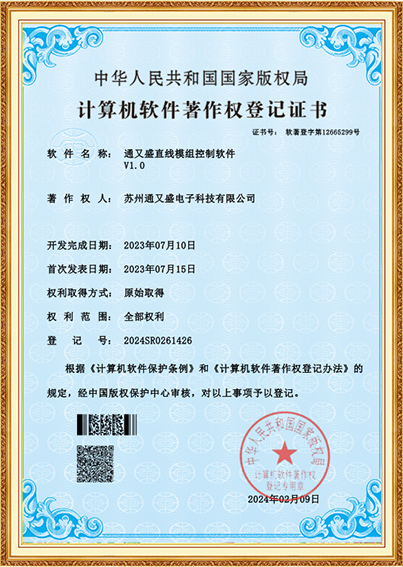
  • Copyright Certificate
  • Copyright Certificate
  • Software Copyright Certificate
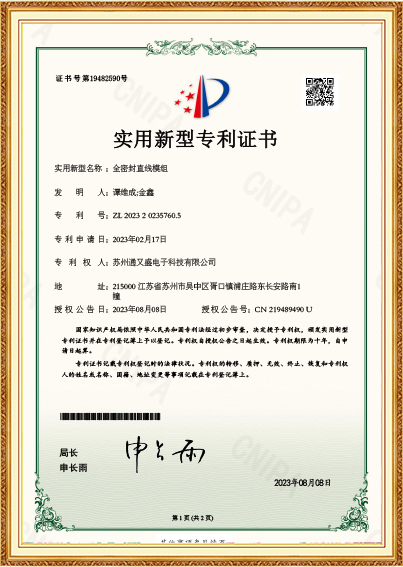
  • Patent Certificate
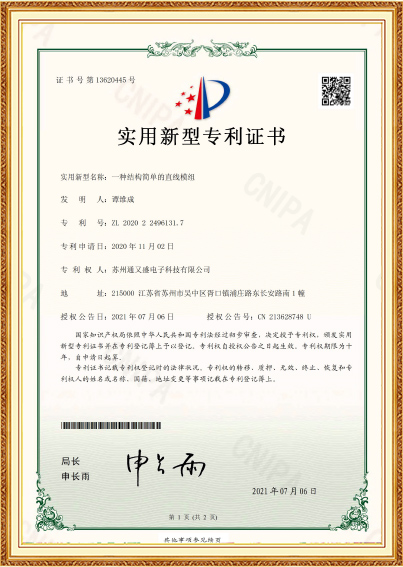
  • Patent Certificate
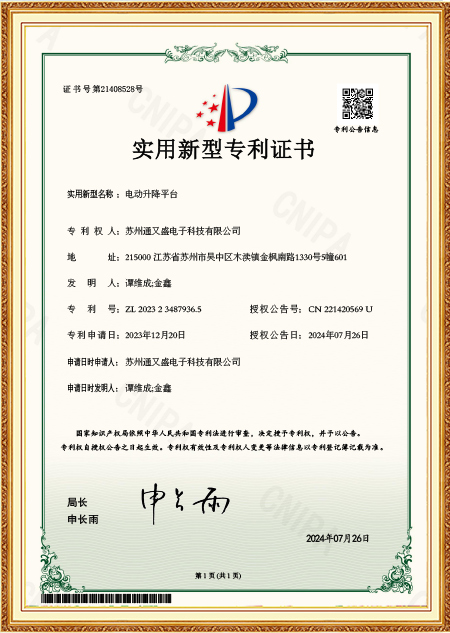
  • Patent Certificate
Message Feedback
Blog
Flight Simulation Platform Industry knowledge

Latency Under Turbulence and Why Tuning Experience Matters More Than Spec Sheets Suggest

A Pilot Notices the Delay Before Anyone Checks the Numbers

Simulator instructors have a running joke that a new flight simulation platform install always feels slightly wrong for the first few weeks, even when every mechanical spec on the sheet checks out fine. Pilots running through a turbulence scenario describe the cab as feeling "a beat behind" the visual scene, even though nobody can point to a specific number that's off. More often than not, this sensation traces back to motion response latency during high-frequency, low-amplitude disturbance — exactly the kind of input a turbulence model generates — rather than to any single mechanical fault.

Why Turbulence Is a Harder Test Than a Coordinated Turn

A coordinated bank or a smooth pitch-up during climb asks the platform to execute a relatively slow, predictable motion profile, which most six-axis systems handle without stressing their control bandwidth. Turbulence is different — it's a rapid sequence of small, semi-random accelerations layered on top of whatever primary motion is happening, and this is where actuator response time and control loop update rate actually get tested. If the drive system's response lags even slightly behind the commanded turbulence signal, the pilot perceives a phase mismatch between what they see in the visual system and what they feel through the seat, and this mismatch is what produces the vague "something's off" complaint rather than a specific measurable fault.

Where the Latency Actually Accumulates

Response lag on a flight simulation platform rarely comes from one obvious bottleneck — it builds up across the signal path from turbulence model output to actual cab motion, and each stage contributes a small increment that only becomes noticeable in aggregate.

Turbulence model computation cycle A slower host computer update rate delays when the command signal is even generated
Control loop update rate Determines how quickly the drive system can respond once it receives the command
Actuator mechanical response Hydraulic struts and electric actuators have different inherent response characteristics at small-amplitude, high-frequency inputs

The Second Question: What Tuning Experience Actually Buys a Buyer

Load capacity and motion range are relatively easy to compare across supplier quotes — the numbers are on the datasheet and either meet the requirement or they don't. Motion-cueing tuning is a different matter entirely, because it involves how the washout filter algorithm converts sustained aircraft accelerations into the platform's limited physical envelope without producing false cues that mislead the pilot's inner ear. A supplier who has tuned this filter across many aircraft types and many disturbance scenarios tends to arrive at parameter sets that feel natural across a wider range of flight conditions, while a less experienced tuning pass often produces a platform that feels acceptable during gentle maneuvers but noticeably artificial during rapid disturbance or abrupt attitude changes.

How This Shows Up During Acceptance Testing

Suzhou Tongyousheng Electronic Technology Co., Ltd. treats turbulence-specific tuning as a distinct acceptance test item rather than folding it into general motion envelope verification, since a platform can pass a standard coordinated-maneuver checkout while still exhibiting noticeable lag or over-damped response specifically during rapid disturbance input. This distinction matters because a training organization evaluating a flight simulation platform for certification purposes is often more concerned with how the cab handles edge-case disturbance scenarios than with how smoothly it executes a scripted climb-and-descend profile, since the latter rarely exposes latency issues that only appear under high-frequency excitation.

Why Tuning Depth and Response Latency Are Not Separate Concerns

A well-tuned washout filter cannot compensate for genuine hardware latency in the control loop, and conversely, a platform with fast actuator response can still feel unconvincing if the filter parameters were never refined against realistic turbulence inputs. Suzhou Tongyousheng Electronic Technology Co., Ltd. has found that customers evaluating a flight simulation platform for demanding training profiles get more useful information by asking a supplier to demonstrate turbulence response directly on the cab, rather than relying solely on a comparison of actuator bandwidth specifications or motion envelope figures listed on a proposal.