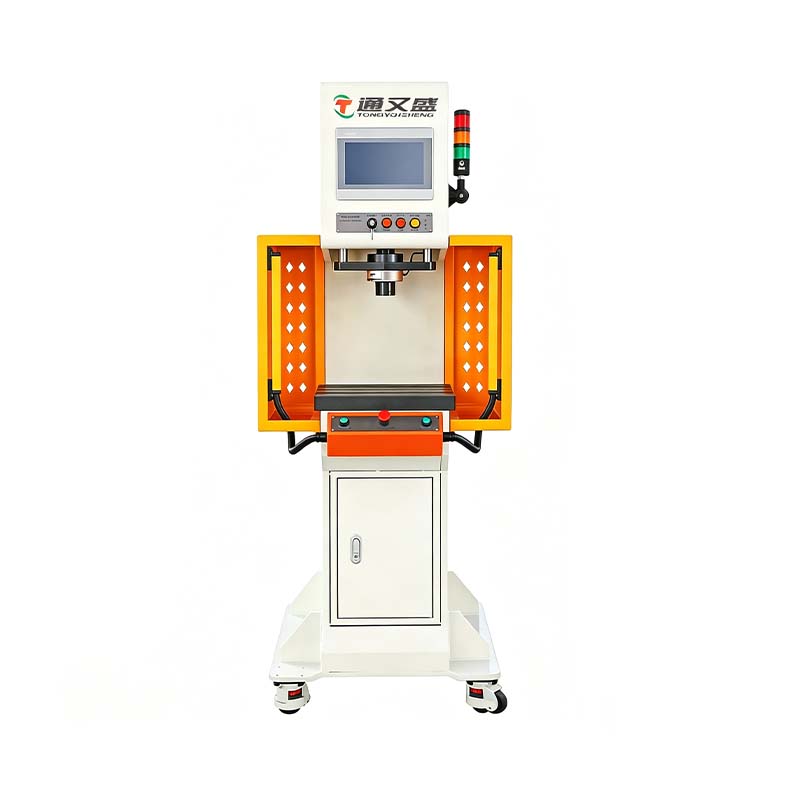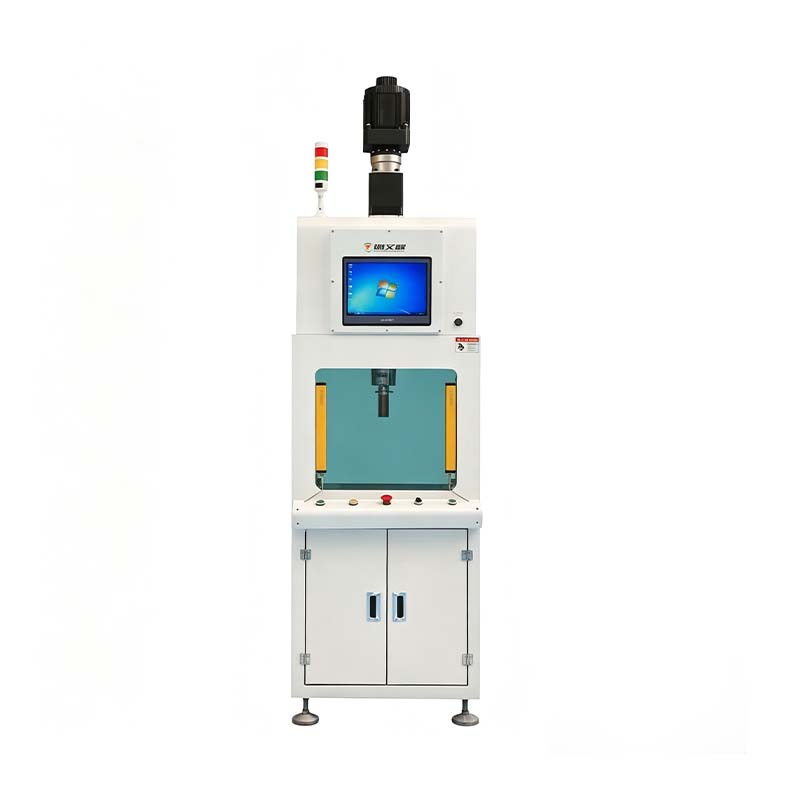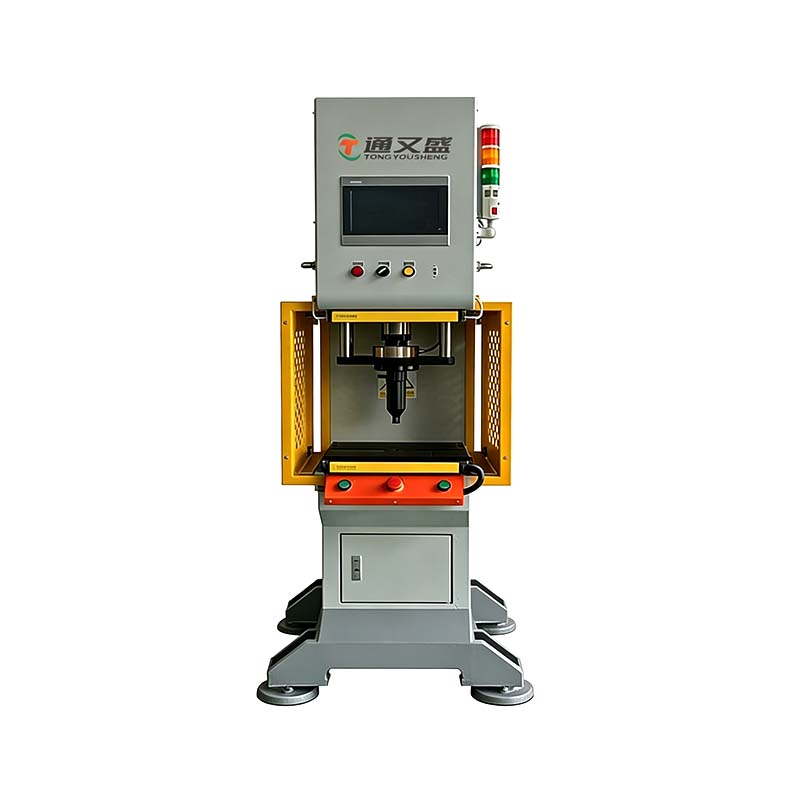
C-Frame Servo Press Machine Custom

Home / Products / Servo Press Machine / C-Frame Servo Press Machine

About Us
Suzhou Tongyousheng Electronic Technology Co., Ltd.

Suzhou Tongyousheng Electronic Technology Co., Ltd. is a leading high-tech enterprise integrating R&D, production and sales, specializing in the design, manufacturing and distribution of premium automation equipment and components—including electric cylinders, linear slide modules, linear motor modules, servo presses, robotic 7th axes, and six-degree-of-freedom platforms.

As China C-Frame Servo Press Machine Manufacturers and C-Frame Servo Press Machine Suppliers, we recognize technological innovation as the cornerstone of sustainable growth. Our R&D team, composed of industry veterans with deep technical expertise and extensive hands-on experience, serves as the engine driving our continuous progress. By pushing technical boundaries, accelerating product iteration, and pioneering industry advancements, we have secured a portfolio of core patents that underscore our leadership in automation and deliver a decisive competitive edge. We further reinforce our capabilities with state-of-the-art R&D tools, professional design software, and high-precision CNC machining centers, ensuring every development effort is backed by world-class resources.

Through years of relentless exploration and execution, Tongyousheng has established itself as an industry benchmark, renowned for its robust R&D, cutting-edge products, and uncompromising quality. We are dedicated to advancing the Industry 4.0 revolution, collaborating with state-owned enterprises, defense technology institutions, and top-tier universities to build a deeply integrated ecosystem of industry, academia, and research—pushing the frontiers of intelligent manufacturing together. At the heart of our mission is a commitment to delivering automation solutions that are intuitive to operate, highly efficient, ultra-reliable, and cost-effective. Every product we create is a reflection of our technical ingenuity and a direct response to our customers' evolving needs.
Certificate Of Honor
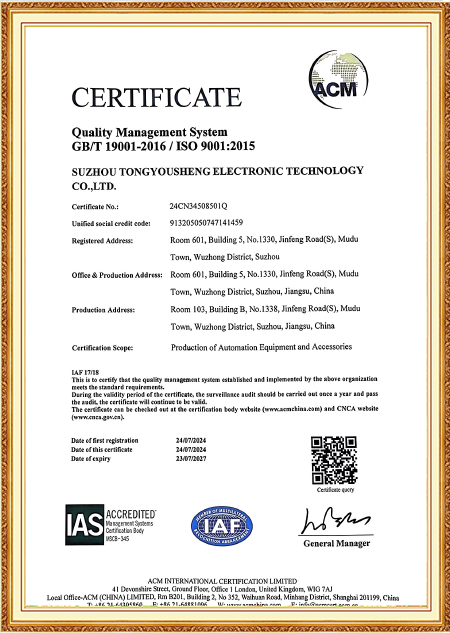
  • ISO 9001:2015 Certificate
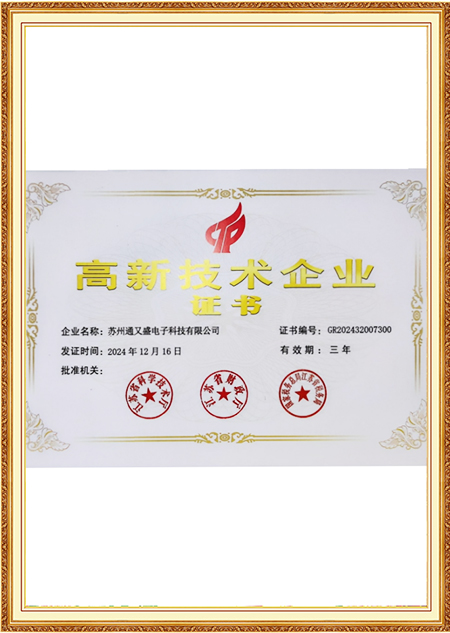
  • High-tech Enterprise Certificate
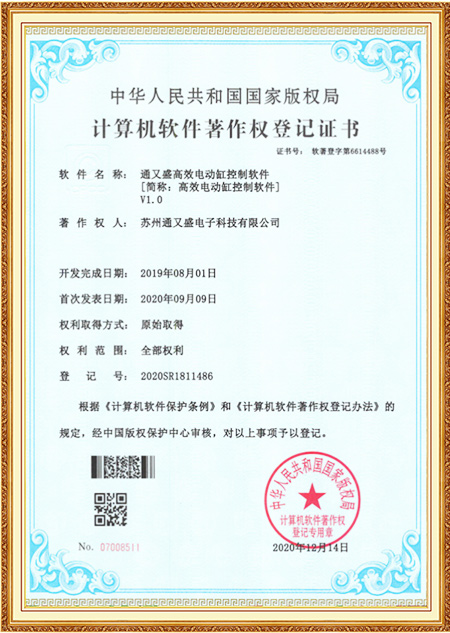
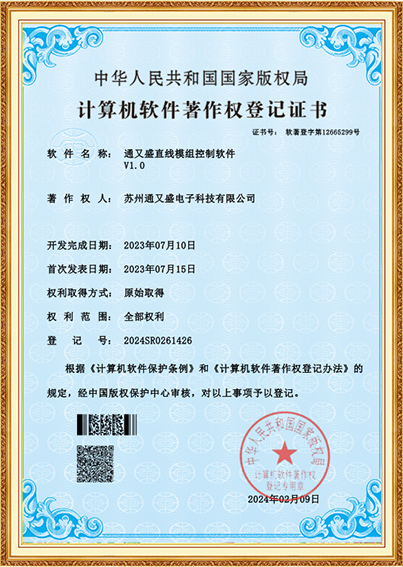
  • Copyright Certificate
  • Copyright Certificate
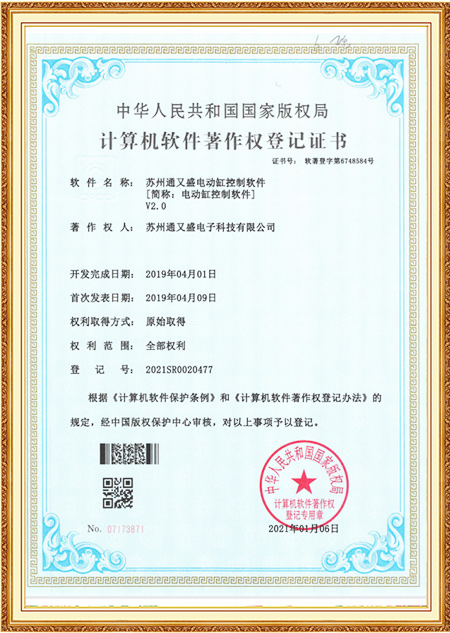
  • Software Copyright Certificate
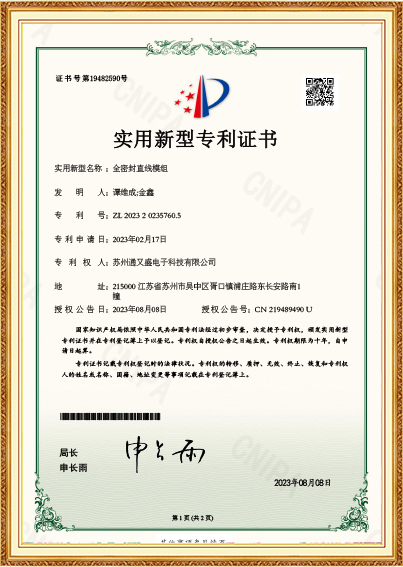
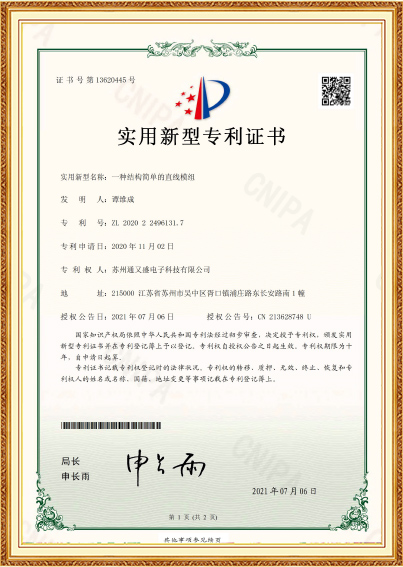
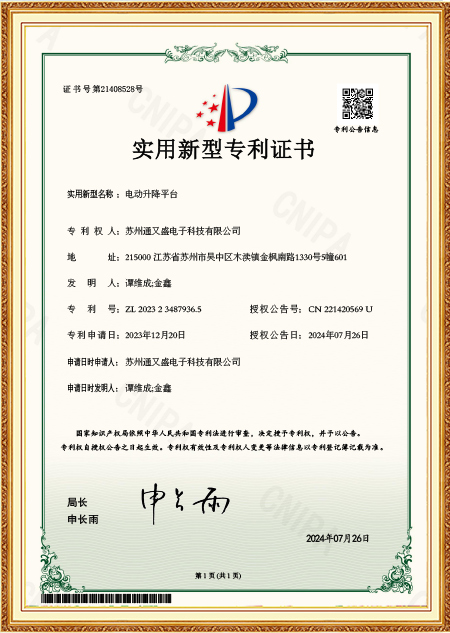
  • Patent Certificate
  • Patent Certificate
  • Patent Certificate
Message Feedback
Blog
C-Frame Servo Press Machine Industry knowledge

Frame Deflection and Long-Term Fatigue Behind the C-Frame Servo Press

A Complaint That Starts With Inconsistent Parts, Not a Broken Machine

Quality engineers troubleshooting a press-fit process rarely start by suspecting the frame. The usual sequence goes: force-displacement curves look fine on the monitor, tooling checks out, yet parts coming off a c-frame servo press machine start showing a slight variance in final seated position depending on where within the fixture the load happens to sit. Nine times out of ten, this traces back to how much the open throat of the C-frame flexes under load, and by how much that flex changes depending on load position — a detail that a force sensor mounted at the ram will never capture directly since it measures force, not frame geometry.

Why an Open Frame Behaves Differently From a Closed One

Unlike a four-column or gantry press, where the load path runs through a closed loop of tie rods or side frames, a C-frame carries the reaction force through an open structure — the throat opening that gives the machine its accessibility advantage is also the same feature that lets the frame spring open slightly under load. This opening deflection is not uniform across the working area either; a part positioned deep in the throat, closer to the frame's back wall, sees a different moment arm than one positioned near the front edge, which means opening deflection actually varies by fixture location rather than behaving as a single fixed constant the way a closed-frame press's deflection typically does.

Where Deflection Control Actually Happens During Manufacturing

Casting or fabricating the C-frame from a material and cross-section chosen specifically for bending stiffness at the throat is the first lever — ductile iron castings with a reinforced back section, or welded steel plate frames with ribbing added at the highest-stress transition zone near the throat root, both aim at the same target: limiting how much the opening spreads per unit of applied force. Finite element analysis during the design phase typically maps stress concentration around the throat radius, since a sharp internal corner there becomes a fatigue initiation site well before the frame material itself reaches its yield limit. Suzhou Tongyousheng Electronic Technology Co., Ltd. runs this kind of stress mapping against the intended tonnage rating and working envelope before finalizing frame geometry, because a frame that passes a static load test at rated tonnage can still deflect unevenly across its usable throat depth if the ribbing pattern was not matched to where the actual working loads concentrate.

Throat radius stress concentration Rounding the internal corner and adding local ribbing reduces the fatigue notch effect at this transition point
Back section wall thickness Increasing thickness here raises bending stiffness but adds frame mass and cost
Load position within the throat Deflection varies with distance from the back wall, so fixture placement should account for this rather than assuming uniform stiffness

What Happens After Years of High-Frequency Cycling

A press running several thousand cycles per shift subjects the C-frame to repeated loading and unloading rather than a single static test load, and this is where fatigue rather than yield strength becomes the governing failure mode. Microscopic cracks tend to initiate at the same stress-concentrated zones identified during design — typically the throat radius or a weld toe on a fabricated frame — and propagate slowly over tens of thousands of cycles before becoming visible to a routine inspection. This is a different failure pattern from a sudden overload event, and it explains why a frame that has performed without issue for years can develop a crack that seems to appear abruptly, when in fact the damage accumulated gradually beneath the surface.

The Ball Screw Sees a Related but Distinct Kind of Wear

While the frame fatigues from bending stress reversal, the ball screw transmission experiences a different mechanism tied to contact fatigue between the balls and the raceway. Repeated loading at the same axial position on the screw — which happens whenever a press consistently runs the same stroke length — concentrates rolling contact fatigue at that specific section of the screw rather than distributing wear evenly along its length. Preload setting also matters here: a screw preloaded too tight accelerates this localized fatigue, while one preloaded too loose introduces backlash that shows up as inconsistent force curves before any fatigue damage becomes apparent.

Reading Maintenance Data Instead of Waiting for a Failure

Vibration signature monitoring and periodic force-curve baseline comparison tend to catch both of these degradation modes earlier than a visual inspection alone, since a developing crack or an emerging wear band on the screw both tend to introduce subtle changes in the press's force-displacement signature before the fault becomes mechanically obvious. Suzhou Tongyousheng Electronic Technology Co., Ltd. treats this kind of condition monitoring as part of the ongoing conversation with customers running a c-frame servo press machine at high duty cycles, since frame and screw fatigue both develop silently over a long service life rather than announcing themselves through an obvious performance drop.