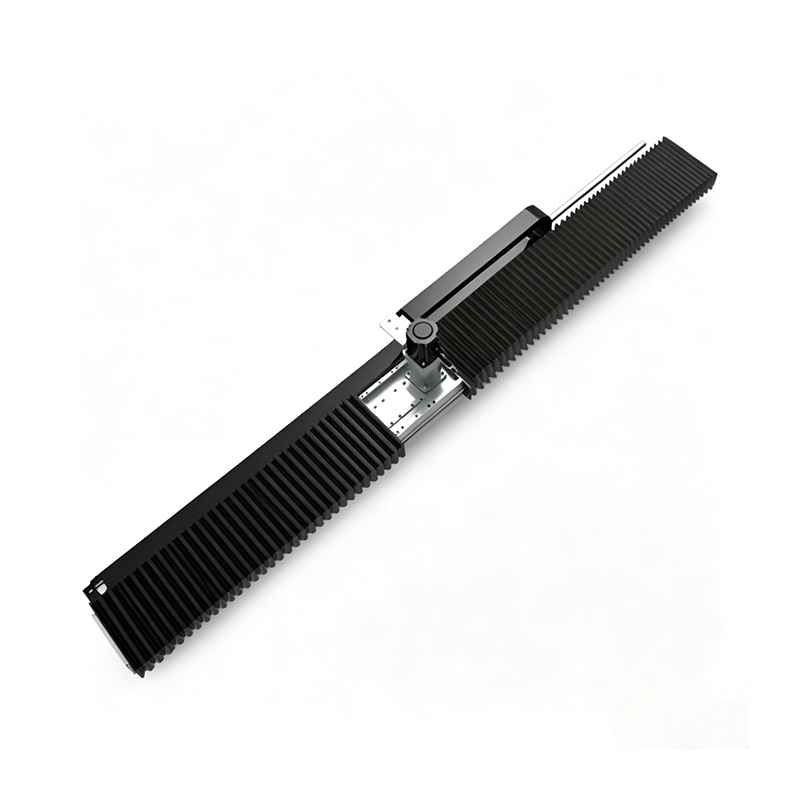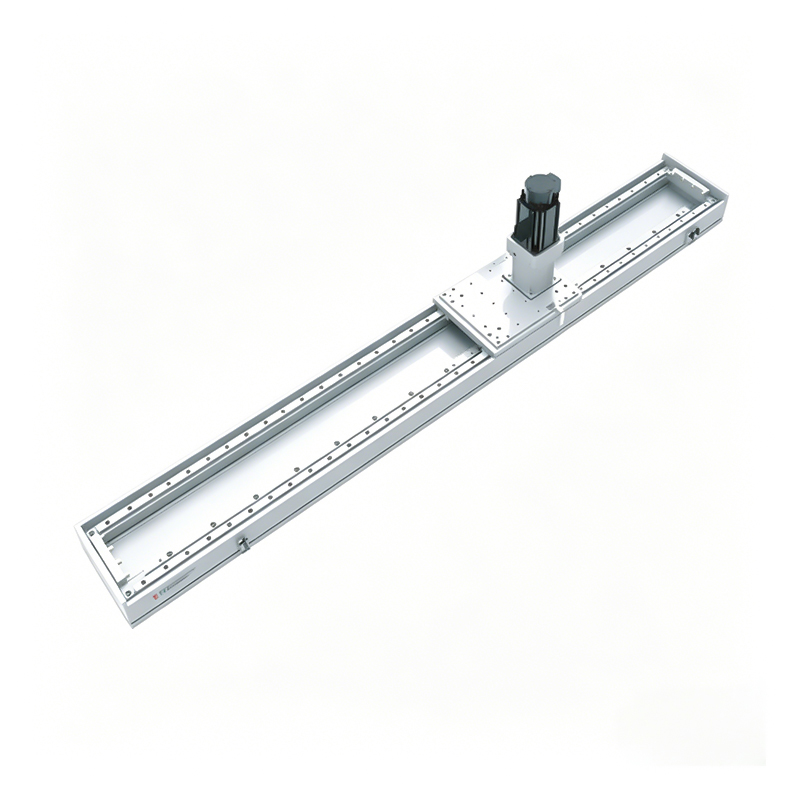
Rack and Pinion Linear Module Custom

Home / Products / Linear Motion Module / Rack and Pinion Linear Module

About Us
Suzhou Tongyousheng Electronic Technology Co., Ltd.

Suzhou Tongyousheng Electronic Technology Co., Ltd. is a leading high-tech enterprise integrating R&D, production and sales, specializing in the design, manufacturing and distribution of premium automation equipment and components—including electric cylinders, linear slide modules, linear motor modules, servo presses, robotic 7th axes, and six-degree-of-freedom platforms.

As China Rack and Pinion Linear Module Manufacturers and Rack and Pinion Linear Module Suppliers, we recognize technological innovation as the cornerstone of sustainable growth. Our R&D team, composed of industry veterans with deep technical expertise and extensive hands-on experience, serves as the engine driving our continuous progress. By pushing technical boundaries, accelerating product iteration, and pioneering industry advancements, we have secured a portfolio of core patents that underscore our leadership in automation and deliver a decisive competitive edge. We further reinforce our capabilities with state-of-the-art R&D tools, professional design software, and high-precision CNC machining centers, ensuring every development effort is backed by world-class resources.

Through years of relentless exploration and execution, Tongyousheng has established itself as an industry benchmark, renowned for its robust R&D, cutting-edge products, and uncompromising quality. We are dedicated to advancing the Industry 4.0 revolution, collaborating with state-owned enterprises, defense technology institutions, and top-tier universities to build a deeply integrated ecosystem of industry, academia, and research—pushing the frontiers of intelligent manufacturing together. At the heart of our mission is a commitment to delivering automation solutions that are intuitive to operate, highly efficient, ultra-reliable, and cost-effective. Every product we create is a reflection of our technical ingenuity and a direct response to our customers' evolving needs.
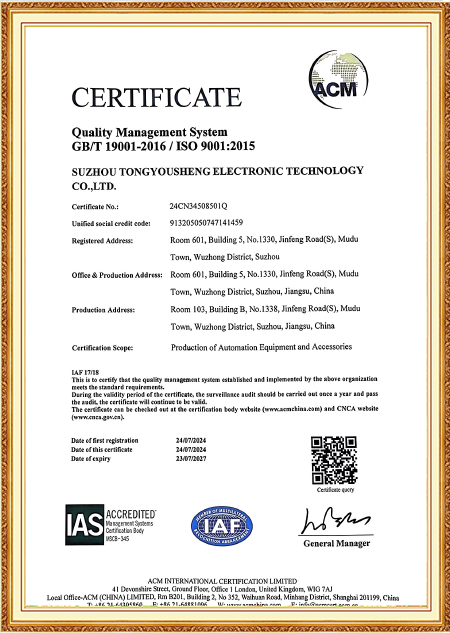
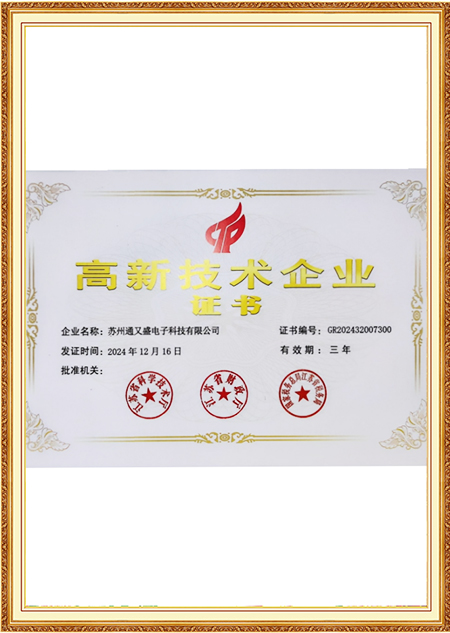
Certificate Of Honor
  • ISO 9001:2015 Certificate
  • High-tech Enterprise Certificate
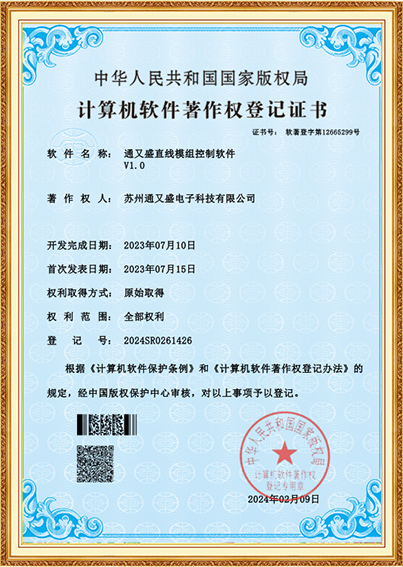
  • Copyright Certificate
  • Copyright Certificate
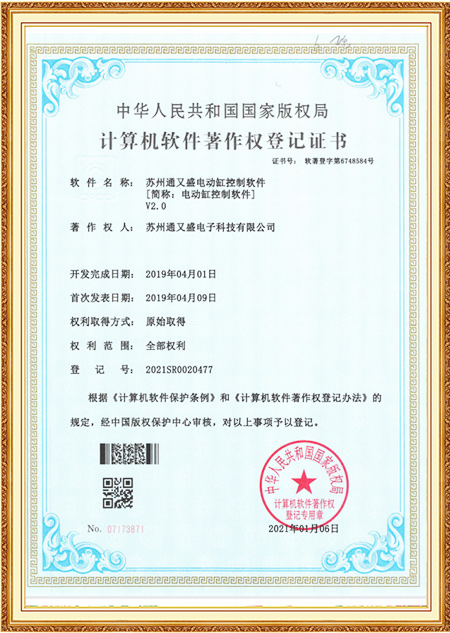
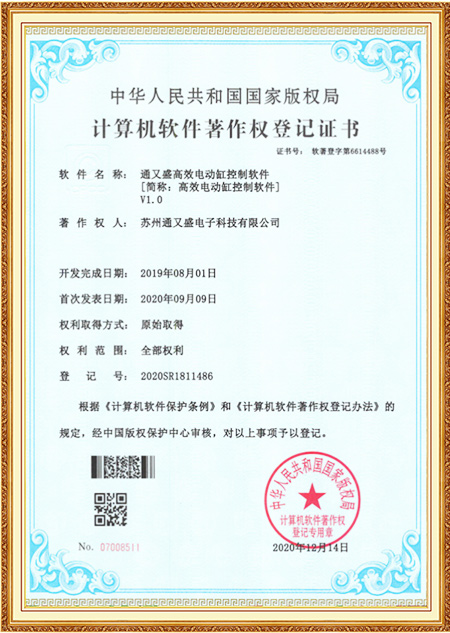
  • Software Copyright Certificate
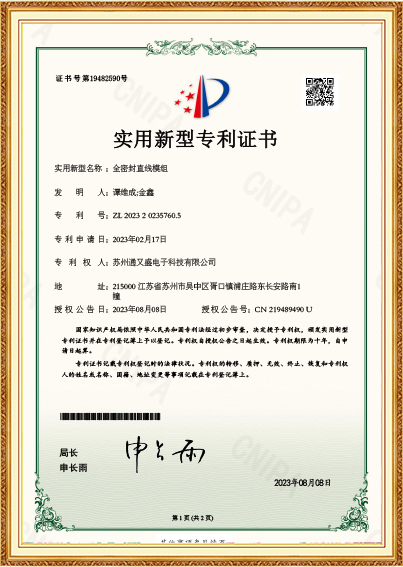
  • Patent Certificate
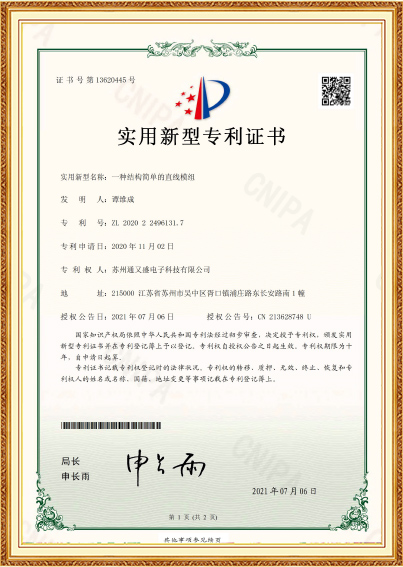
  • Patent Certificate
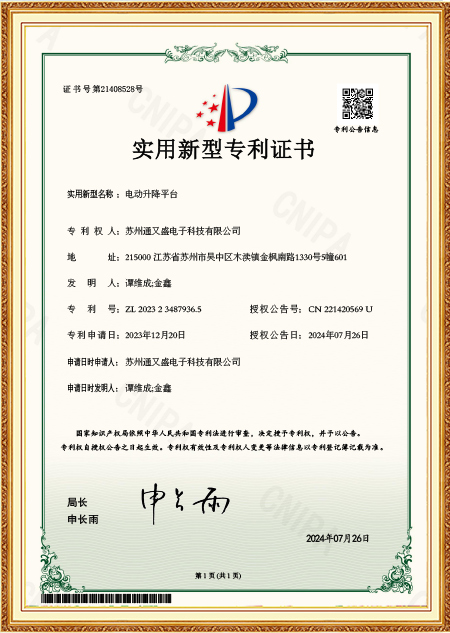
  • Patent Certificate
Message Feedback
Blog
Rack and Pinion Linear Module Industry knowledge

Rack-and-Pinion Linear Module: Joint Continuity and Tooth-Cutting Sourcing

Why a Joint Between Two Rack Sections Can Introduce Speed Ripple

On a long-travel axis built from several rack segments bolted end to end, the pitch line does not always stay continuous across the seam. Each rack is hobbed or ground to a nominal pitch, but accumulated pitch error, thermal drift during heat treatment, and the tolerance stack of the dowel-pin locating holes all shift the actual tooth position by a few microns near the cut end. When the pinion crosses that seam, the effective center distance and pressure angle at that instant deviate slightly from the rest of the run, which shows up as a small periodic disturbance in the pinion's angular velocity even though the servo command stays smooth. On a rack-and-pinion linear module running at higher line speed, that disturbance repeats once per revolution near the joint and can be picked up as a torque ripple or a faint knocking sound if the mesh clearance is already tight.

The severity depends less on the absolute pitch error of either segment and more on the relative error between them at the exact contact point. A rack ground to DIN 3962 class 6 will still show measurable ripple if the adjoining segment was cut on a different setup with a different master comb. This is why the machining sequence matters: cutting adjoining segments from the same setup, using a common reference edge, and finishing the joint area on a jig grinder after heat treatment reduces the mismatch far more reliably than tightening the nominal tolerance on each piece independently. Shimming at the mounting base can mask lateral misalignment, but it does nothing for pitch discontinuity along the tooth line itself, so the correction has to happen in the machining stage, not at final assembly.

Where the Speed Ripple Actually Comes From — A Field Breakdown

Pitch accumulation error within one rack Typically 5–15 μm over 1 m, produces a gradual, low-frequency ripple
Mismatch between adjoining segments Up to 20–30 μm at the seam, produces a sharp, once-per-pass disturbance
Dowel hole position tolerance Around ±5 μm typical, mainly introduces lateral offset and secondary noise

Field technicians troubleshooting an axial vibration at a fixed interval often trace it back to exactly one of these joints rather than to the pinion or the servo tuning, which is why isolating the disturbance frequency against the segment length is usually the first diagnostic step before touching the drive parameters.

In-House Hobbing and Grinding versus Outsourced Tooth Cutting

Whether the tooth form is cut in-house or sent out changes how much control a supplier has over exactly the kind of joint mismatch described above. Hobbing establishes the rough tooth profile and pitch, but for applications with tight backlash targets a secondary grinding pass on the flank is usually needed to remove the distortion introduced during case hardening. If hobbing is done internally but grinding is outsourced — or the reverse — the rack has to travel between two separate reference systems, and any small difference in how each shop sets up its master gauge can reintroduce the very pitch mismatch that a single continuous process would have avoided.

Suzhou Tongyousheng Electronic Technology Co., Ltd. keeps hobbing, case hardening, and finish grinding under one roof for its rack production, which allows the same reference edge and the same master comb to be used from rough cut through to final grind. That does not eliminate pitch error entirely — no manufacturing process does — but it removes one of the two main sources of joint mismatch, since the segments destined to be paired end to end can be tracked and matched during the grinding stage rather than being cut independently at different times or by different vendors.

Choosing Between In-House and Outsourced Tooth Machining — A Practical Comparison

Traceability of pitch error In-house keeps a full record from one setup; outsourced work depends on the vendor's own documentation
Segment pairing for joints In-house allows adjoining pieces to be matched before grinding; coordinating this across outsourced batches is harder
Lead time on urgent repeat orders In-house avoids a third-party queue; outsourced work is subject to the vendor's own scheduling

For a rack-and-pinion linear module destined for a long, multi-segment travel axis — such as a seventh-axis rail for a floor-mounted robot — the pairing advantage of in-house processing tends to outweigh the cost gap versus outsourcing, particularly once the labor cost of field diagnosis and rework on a joint-induced vibration is factored into the total. On shorter, single-piece rack runs where no joint exists at all, the choice matters far less, since there is no seam for pitch mismatch to accumulate across in the first place.

Buyers evaluating a supplier's process should ask specifically whether hobbing and grinding share the same fixture and reference system, rather than simply asking whether both operations happen "in-house," since a facility can own both machines and still run them as unrelated processes with separate setups. That distinction is what actually determines whether a long rack-and-pinion linear module will run quietly across its joints or develop a repeatable tick at the segment interval once installed on the machine.