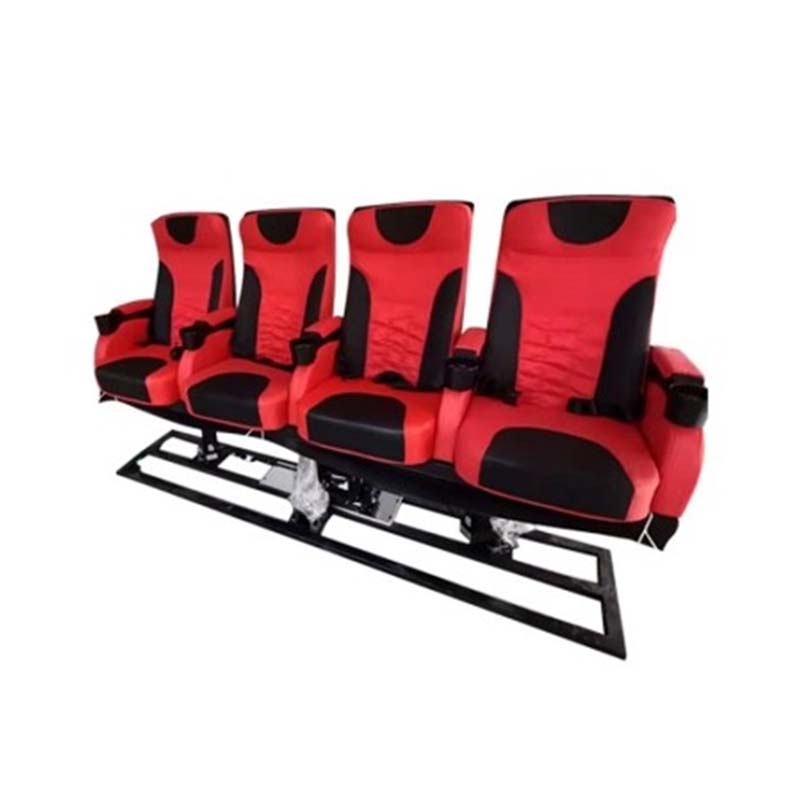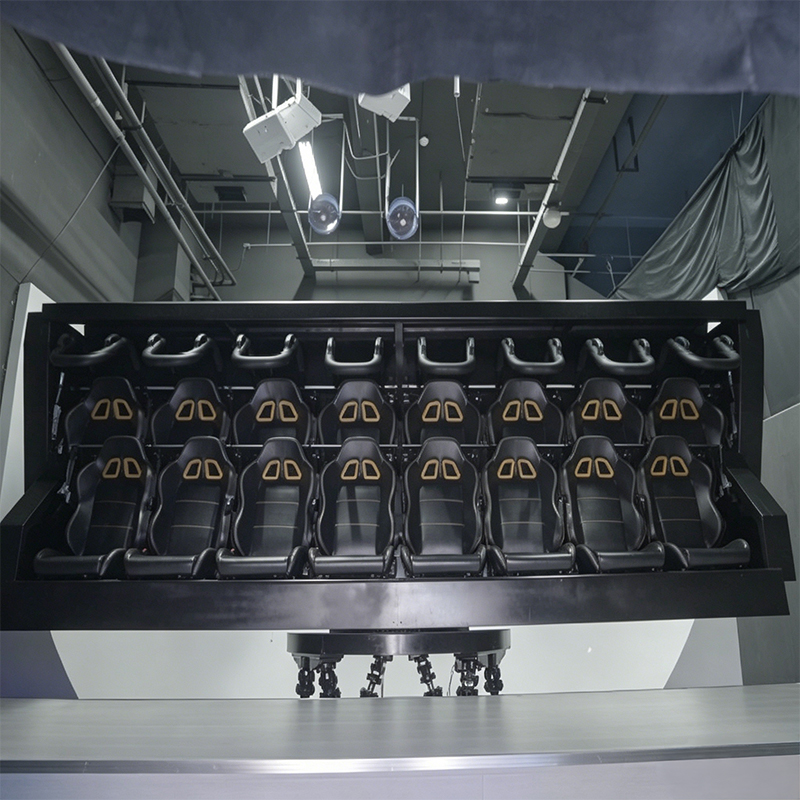
Motion Theater / Dynamic Cinema Custom

Home / Products / Motion Simulation Platform / Motion Theater / Dynamic Cinema

About Us
Suzhou Tongyousheng Electronic Technology Co., Ltd.

Suzhou Tongyousheng Electronic Technology Co., Ltd. is a leading high-tech enterprise integrating R&D, production and sales, specializing in the design, manufacturing and distribution of premium automation equipment and components—including electric cylinders, linear slide modules, linear motor modules, servo presses, robotic 7th axes, and six-degree-of-freedom platforms.

As China Motion Theater / Dynamic Cinema Manufacturers and Motion Theater / Dynamic Cinema Suppliers, we recognize technological innovation as the cornerstone of sustainable growth. Our R&D team, composed of industry veterans with deep technical expertise and extensive hands-on experience, serves as the engine driving our continuous progress. By pushing technical boundaries, accelerating product iteration, and pioneering industry advancements, we have secured a portfolio of core patents that underscore our leadership in automation and deliver a decisive competitive edge. We further reinforce our capabilities with state-of-the-art R&D tools, professional design software, and high-precision CNC machining centers, ensuring every development effort is backed by world-class resources.

Through years of relentless exploration and execution, Tongyousheng has established itself as an industry benchmark, renowned for its robust R&D, cutting-edge products, and uncompromising quality. We are dedicated to advancing the Industry 4.0 revolution, collaborating with state-owned enterprises, defense technology institutions, and top-tier universities to build a deeply integrated ecosystem of industry, academia, and research—pushing the frontiers of intelligent manufacturing together. At the heart of our mission is a commitment to delivering automation solutions that are intuitive to operate, highly efficient, ultra-reliable, and cost-effective. Every product we create is a reflection of our technical ingenuity and a direct response to our customers' evolving needs.
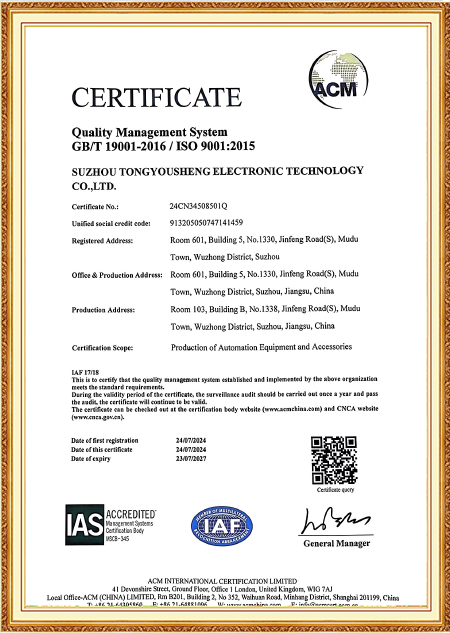
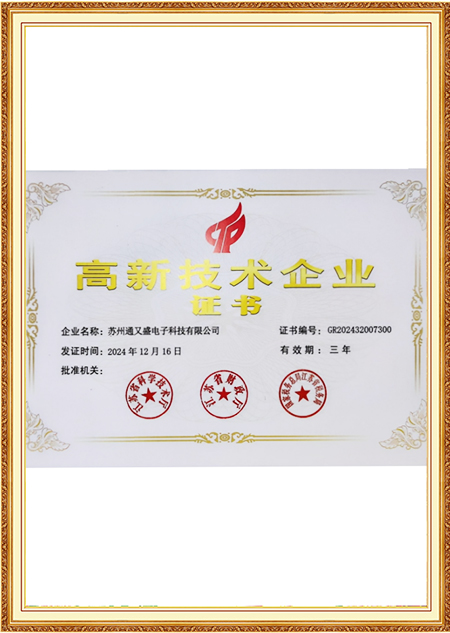
Certificate Of Honor
  • ISO 9001:2015 Certificate
  • High-tech Enterprise Certificate
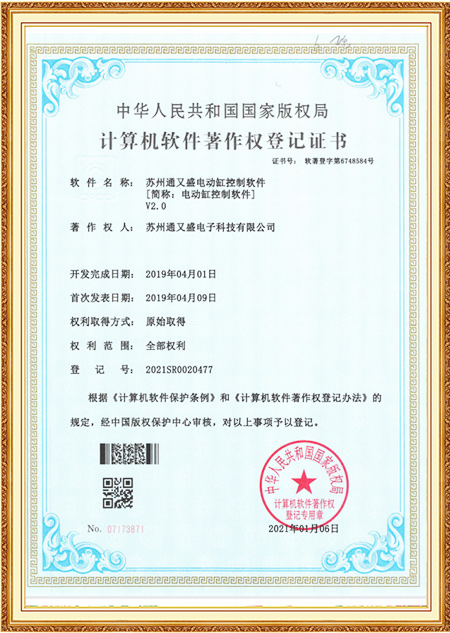
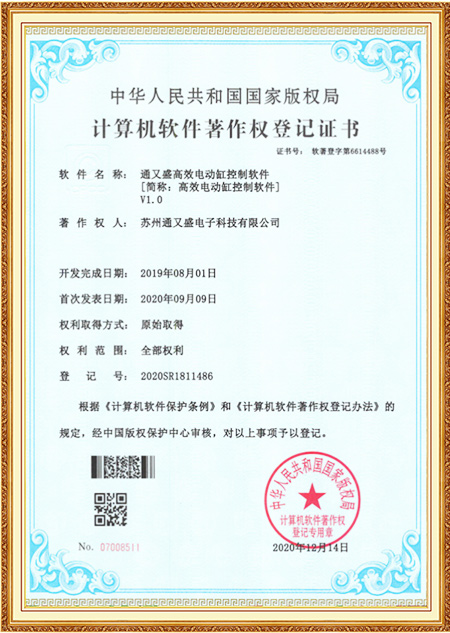
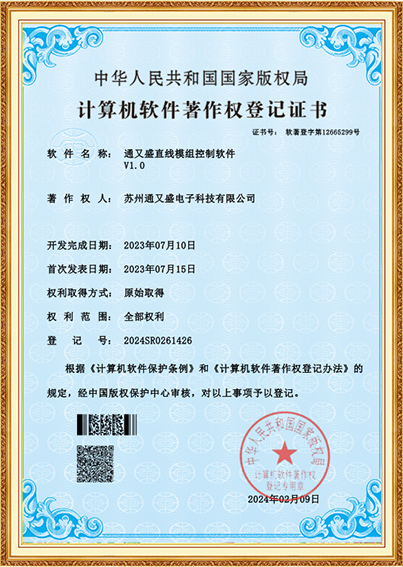
  • Copyright Certificate
  • Copyright Certificate
  • Software Copyright Certificate
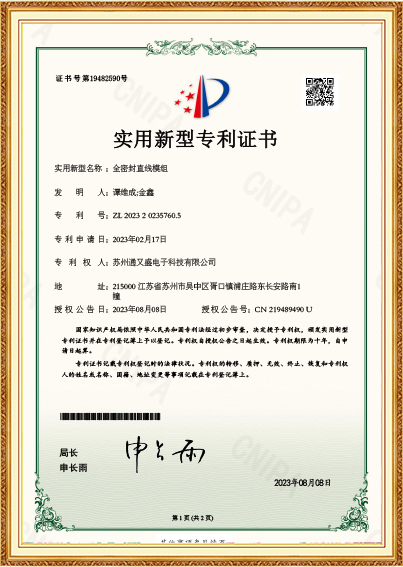
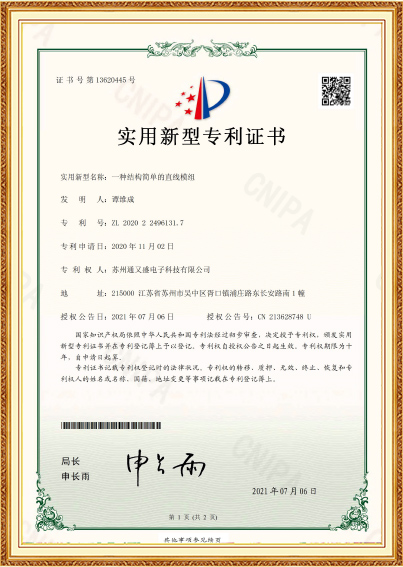
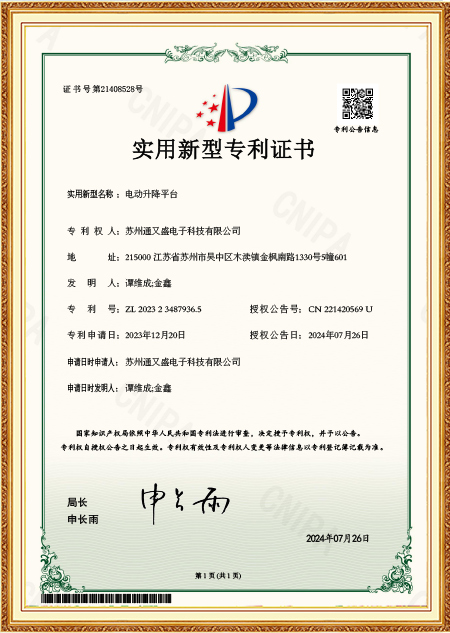
  • Patent Certificate
  • Patent Certificate
  • Patent Certificate
Message Feedback
Blog
Motion Theater / Dynamic Cinema Industry knowledge

Why a Quiet Seat Matters as Much as a Well-Timed Jolt in Motion Theater Design

The Moment an Audience Notices the Machinery Instead of the Film

A motion theater / dynamic cinema installation succeeds or fails on a fairly narrow margin — the seat needs to move convincingly with the on-screen action, but the instant a viewer becomes aware of the actuator working underneath them rather than the sensation it produces, the illusion collapses. This happens in two distinct ways: either the motion arrives a beat late or early relative to what's on screen, or the mechanism itself makes enough noise that the audience's attention shifts from the story to the machine hidden beneath the upholstery. Both failure modes trace back to engineering decisions made long before a theater ever opens its doors.

What Separates a Synchronized Effect From a Distracting One

Timing an effect to a film frame sounds simple in principle — trigger a pitch or lift motion at a specific timecode — but the actuator's own response lag complicates this more than most people expect. A pneumatic cylinder and a servo-driven electric actuator do not respond to a command signal at the same speed, and a motion theater / dynamic cinema system built around one actuation type but tuned using timing data from the other will consistently feel slightly off, even if every individual component works exactly as designed. Suzhou Tongyousheng Electronic Technology Co., Ltd. treats this actuator-to-timeline calibration as something that has to be re-verified whenever content changes rather than assumed to carry over from a previous installation, since a car chase scene with rapid direction changes exposes response lag far more obviously than a slow banking turn ever would.

Where Supplier Experience Actually Shows Up on Screen

A supplier that has tuned motion cues against many different film genres tends to build in adjustable latency compensation rather than a single fixed timing offset, because the acceptable lag for a sudden explosion effect is tighter than what an audience will tolerate during a gradual descent or climb. Cue mapping — deciding which physical motion axis corresponds to which on-screen event — also benefits from accumulated experience, since mapping every visual cue to a motion response tends to fatigue an audience faster than a more selective approach that reserves strong motion for moments the story actually calls for it.

Fixed timing offset applied uniformly Works adequately for slow, predictable scenes but falls out of sync during rapid action sequences
Adjustable per-scene latency compensation Requires more calibration work upfront but holds synchronization across varied content
Mapping every visual cue to motion Tends to fatigue riders; selective cue mapping preserves impact for key moments

The Second Half of the Problem: Keeping the Machinery Quiet

Even a perfectly timed motion effect loses its impact if the drive mechanism underneath the seat generates an audible whine, clunk, or rattle during operation, since that sound competes directly with the film's own audio track and pulls attention toward the hardware. A multi-axis seat mechanism typically combines several actuators working through linkages, and noise tends to originate at specific points: gear mesh in a reduction drive, linkage pins with insufficient bushing clearance control, or resonance in the seat frame itself when actuator frequency happens to coincide with a structural natural frequency.

Manufacturing Choices That Keep Noise Out of the Auditorium

Selecting a gear reduction stage with a helical rather than spur tooth profile reduces mesh noise at the frequencies most audible to the human ear, though it adds some manufacturing cost and slightly increases axial thrust load on the bearings supporting that stage. Linkage pin bushings benefit from a controlled clearance fit — too tight and the mechanism binds or wears prematurely under repeated cycling, too loose and every direction reversal produces an audible knock as parts take up play before engaging. Suzhou Tongyousheng Electronic Technology Co., Ltd. runs seat mechanisms through a vibration and acoustic test cycle that measures noise output at the actual operating frequencies used in typical show content, rather than at a single arbitrary test speed, since some noise issues only appear at specific frequencies that a generic bench test would miss entirely.

Reading These Two Concerns as Connected Rather Than Independent

Synchronization quality and mechanical quietness are not separate engineering problems in practice on a motion theater / dynamic cinema platform — a seat mechanism engineered to respond quickly enough for tight timing often uses higher-speed actuators or stiffer drive components, and these same choices influence how much noise the mechanism generates during operation. A supplier who has spent years refining both timing calibration and acoustic behavior together tends to arrive at a mechanism design that satisfies both requirements simultaneously, rather than optimizing one at the expense of the other, which is a distinction that becomes obvious the moment an audience sits through a full feature-length program rather than a brief demonstration clip.