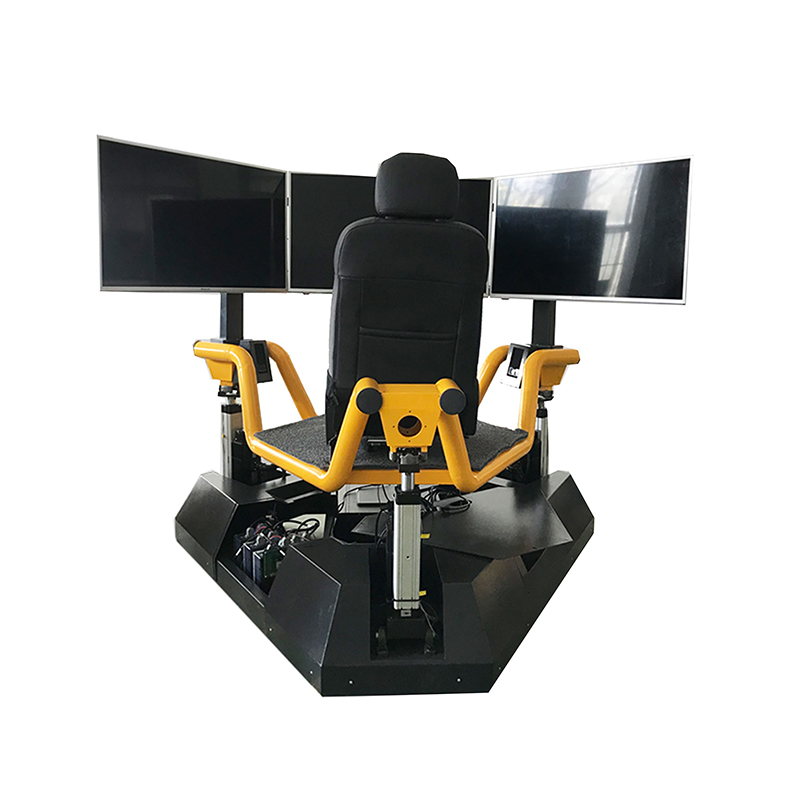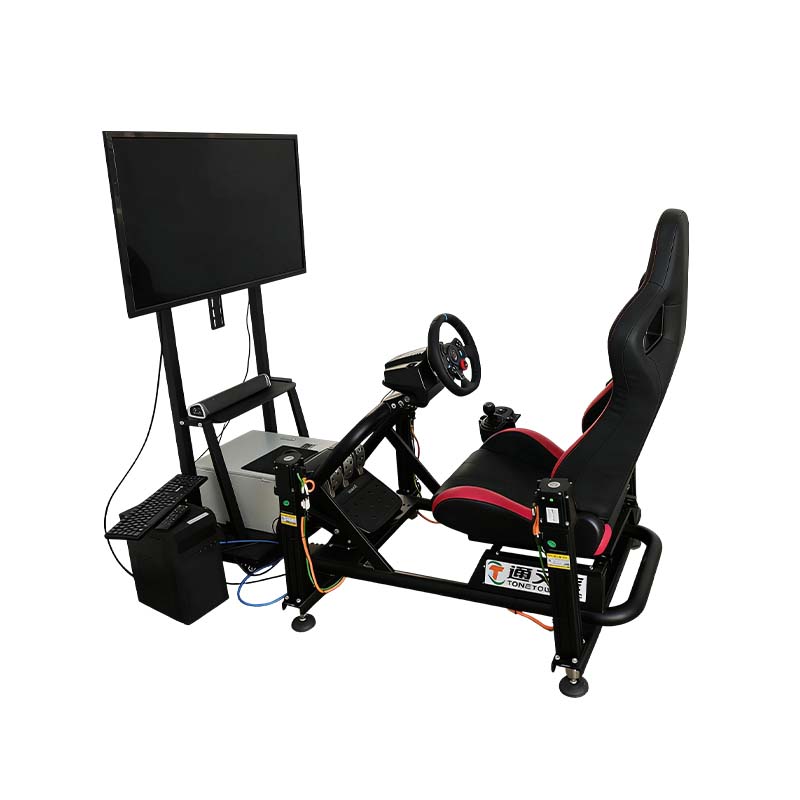
G-Force Dynamic Seat Simulation Platform Custom

Home / Products / Motion Simulation Platform / G-Force Dynamic Seat Simulation Platform

About Us
Suzhou Tongyousheng Electronic Technology Co., Ltd.

Suzhou Tongyousheng Electronic Technology Co., Ltd. is a leading high-tech enterprise integrating R&D, production and sales, specializing in the design, manufacturing and distribution of premium automation equipment and components—including electric cylinders, linear slide modules, linear motor modules, servo presses, robotic 7th axes, and six-degree-of-freedom platforms.

As China G-Force Dynamic Seat Simulation Platform Manufacturers and G-Force Dynamic Seat Simulation Platform Suppliers, we recognize technological innovation as the cornerstone of sustainable growth. Our R&D team, composed of industry veterans with deep technical expertise and extensive hands-on experience, serves as the engine driving our continuous progress. By pushing technical boundaries, accelerating product iteration, and pioneering industry advancements, we have secured a portfolio of core patents that underscore our leadership in automation and deliver a decisive competitive edge. We further reinforce our capabilities with state-of-the-art R&D tools, professional design software, and high-precision CNC machining centers, ensuring every development effort is backed by world-class resources.

Through years of relentless exploration and execution, Tongyousheng has established itself as an industry benchmark, renowned for its robust R&D, cutting-edge products, and uncompromising quality. We are dedicated to advancing the Industry 4.0 revolution, collaborating with state-owned enterprises, defense technology institutions, and top-tier universities to build a deeply integrated ecosystem of industry, academia, and research—pushing the frontiers of intelligent manufacturing together. At the heart of our mission is a commitment to delivering automation solutions that are intuitive to operate, highly efficient, ultra-reliable, and cost-effective. Every product we create is a reflection of our technical ingenuity and a direct response to our customers' evolving needs.
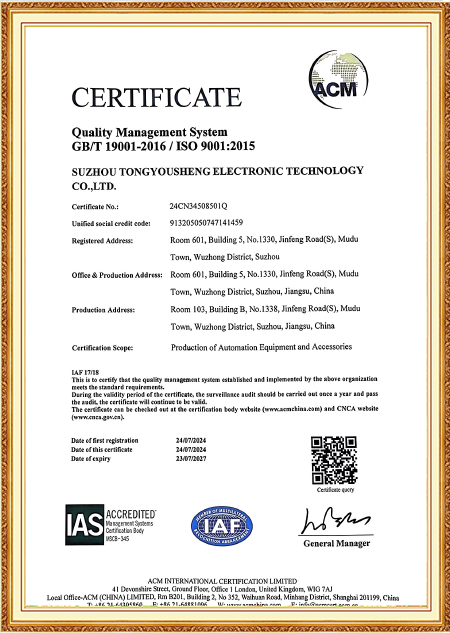
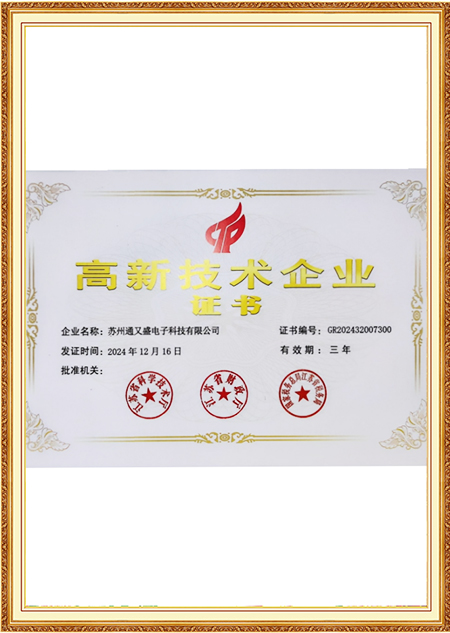
Certificate Of Honor
  • ISO 9001:2015 Certificate
  • High-tech Enterprise Certificate
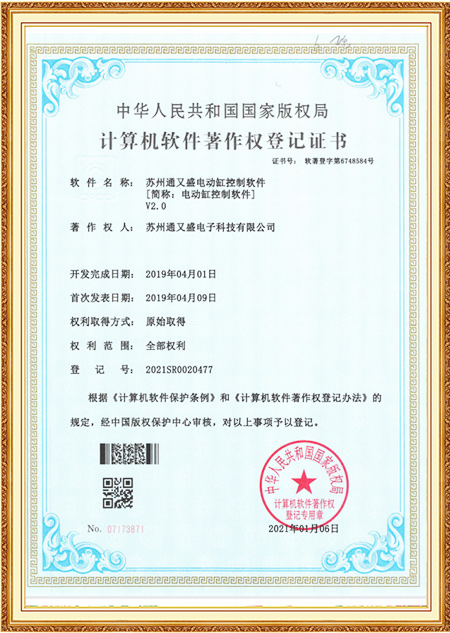
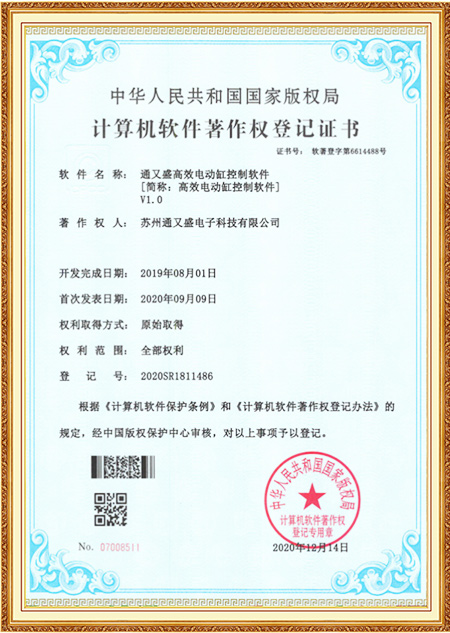
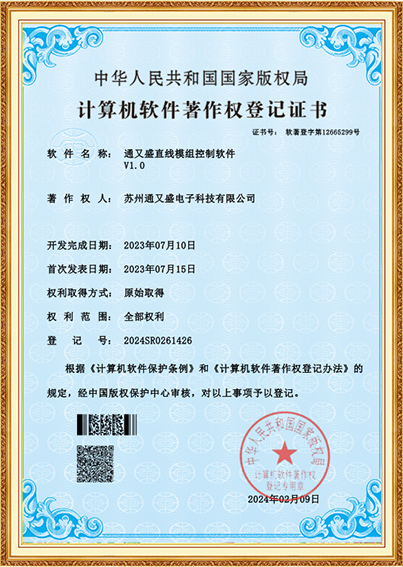
  • Copyright Certificate
  • Copyright Certificate
  • Software Copyright Certificate
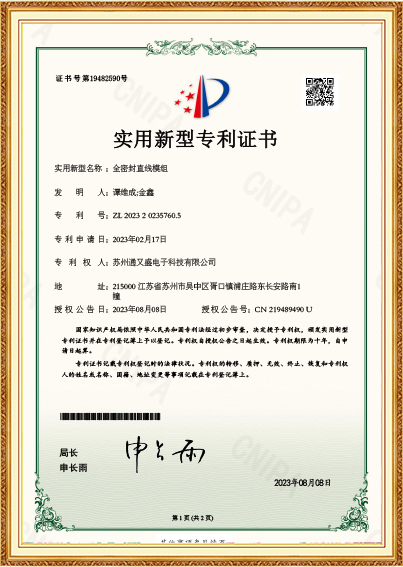
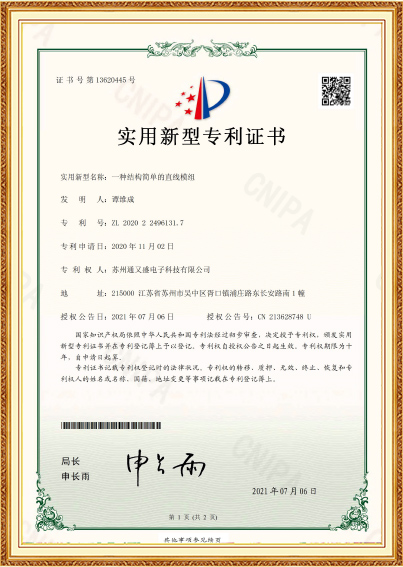
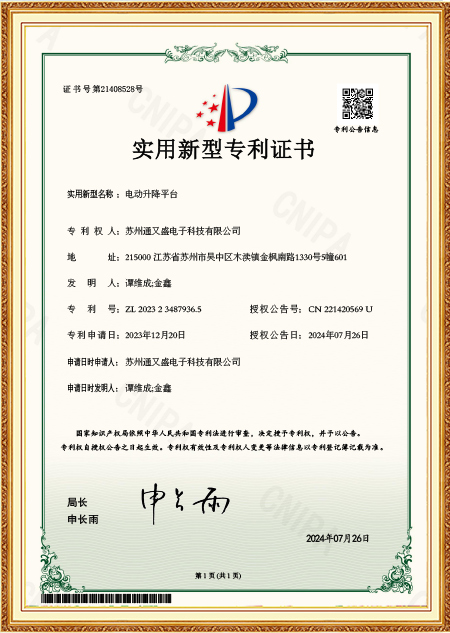
  • Patent Certificate
  • Patent Certificate
  • Patent Certificate
Message Feedback
Blog
G-Force Dynamic Seat Simulation Platform Industry knowledge

Blending Sustained and Transient G Forces, and Keeping the Seat Frame From Working Loose

Why a Smooth Ride and a Sudden Jolt Are Actually Two Different Engineering Problems

Riders on a g-force dynamic seat simulation platform tend to describe two very different sensations in the same session — a sustained press into the seat during a simulated sustained acceleration phase, followed moments later by a sharp jolt representing a collision or a sudden maneuver. What feels like a single continuous experience to the rider is actually the output of two distinct control problems running simultaneously: one managing a slower, sustained tilt that fools the inner ear into perceiving continuous acceleration, and another layering short, sharp transient motion on top of that baseline without disrupting it.

Where This Gets Difficult: Overlaying Without Canceling

A sustained G-force cue on most seat platforms works by tilting the seat gradually — since a platform can't actually accelerate continuously in one direction indefinitely, tilting the seat relative to gravity substitutes a sustained tilt for a sustained acceleration in a way the vestibular system partially accepts. A transient event, like a curb strike or an impact, needs to arrive as a sharp, short-duration motion spike layered on top of whatever sustained tilt is already in progress, without the control system treating the transient command as a correction to the baseline tilt and smoothing it away. Getting this overlay right requires a control architecture that treats the two signal types on separate channels through much of the processing chain, merging them only at the final actuator command stage.

Why Supplier Experience Shows Up Specifically Here

A supplier that has only tuned sustained-motion cueing, without extensive experience layering transient events on top, tends to produce a platform where sudden impacts feel either muted — because the transient gets partially absorbed into the ongoing tilt correction — or where the whole platform briefly loses its sustained-G illusion right after a transient event as the system recovers. Suzhou Tongyousheng Electronic Technology Co., Ltd. treats this overlay behavior as one of the harder tuning problems in a g-force dynamic seat simulation platform build, since getting it wrong doesn't produce an obvious fault — it produces a ride that feels subtly unconvincing without an obvious explanation why.

Single unified motion channel Simpler to implement but tends to blur transient events into the sustained baseline
Separate sustained and transient channels merged late More development effort but preserves the character of both cue types independently
Transient priority override Ensures sharp events register clearly but requires careful tuning to avoid abrupt sustained-cue interruption

The Mechanical Side of the Same Story: Keeping Bolts Tight Under Repeated Shock

Every transient G-force event that a g-force dynamic seat simulation platform reproduces mechanically is, from the connection hardware's perspective, an actual shock load passing through the seat frame into the drive mechanism below it. Repeated shock loading has a well-known effect on threaded fasteners specifically — vibration and impact cycling can gradually back off preload on a bolted joint even when the joint was torqued correctly at assembly, since dynamic loading disrupts the friction that normally keeps a fastener from rotating loose over time.

Assembly Practices That Resist This Loosening Mechanism

Serrated flange bolts or bolts paired with a chemical thread-locking compound are common countermeasures at the seat frame-to-actuator interface, since both approaches resist the micro-rotation that ordinary friction alone cannot reliably prevent under repeated shock. Torque-to-yield fastening, where bolts are tightened to a specific point in their elastic range rather than a generic torque figure, also helps maintain consistent clamping force across many shock cycles compared to a fastener tightened to an arbitrary torque spec without accounting for the joint's actual stiffness. Suzhou Tongyousheng Electronic Technology Co., Ltd. periodically re-checks fastener preload on seat frame connections during acceptance testing of a new build, cycling the platform through a representative sequence of transient events first and measuring residual torque afterward, rather than assuming a properly torqued joint at initial assembly will hold that value indefinitely once the platform enters service.

Why These Two Concerns Sit Closer Together Than They Appear

A platform tuned to deliver crisp, well-differentiated transient shocks is, by definition, delivering more mechanical shock energy into the seat frame connection than a platform with a more muted transient response — meaning the tuning choice that makes the ride feel convincing also increases the mechanical demand on the fastening system supporting it. A g-force dynamic seat simulation platform built with strong transient fidelity but assembled using standard fastening practice risks developing loosening issues faster than the tuning alone would suggest, which is why connection hardware selection tends to get revisited alongside motion-cueing tuning rather than treated as a separate mechanical checklist item.