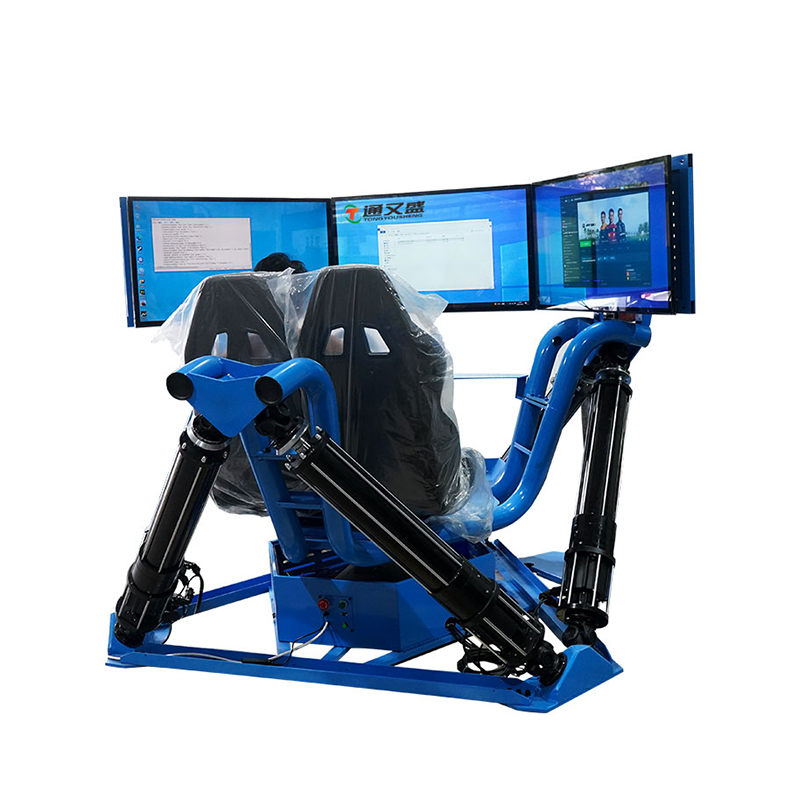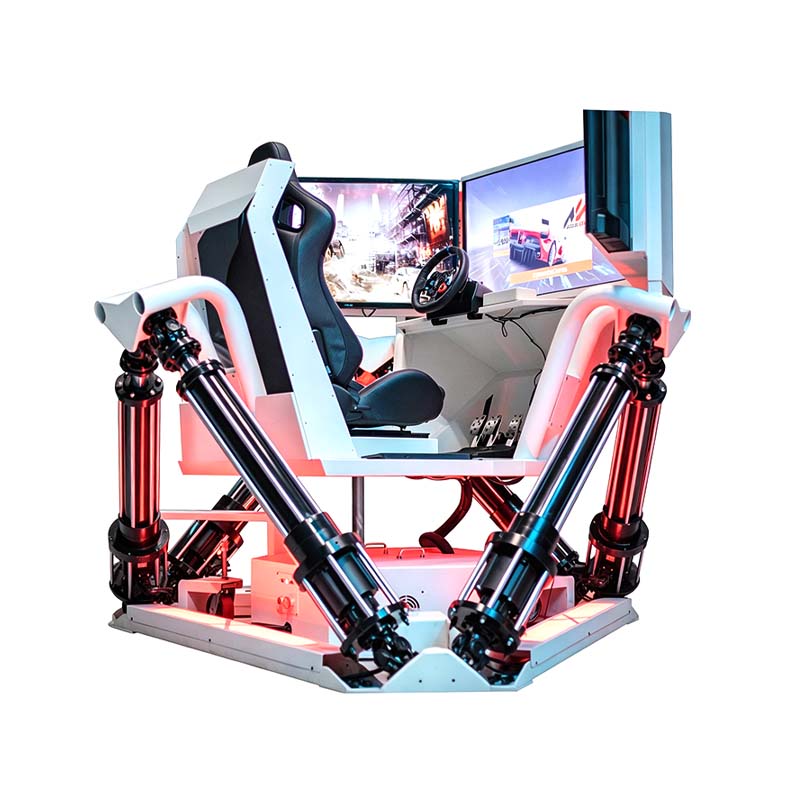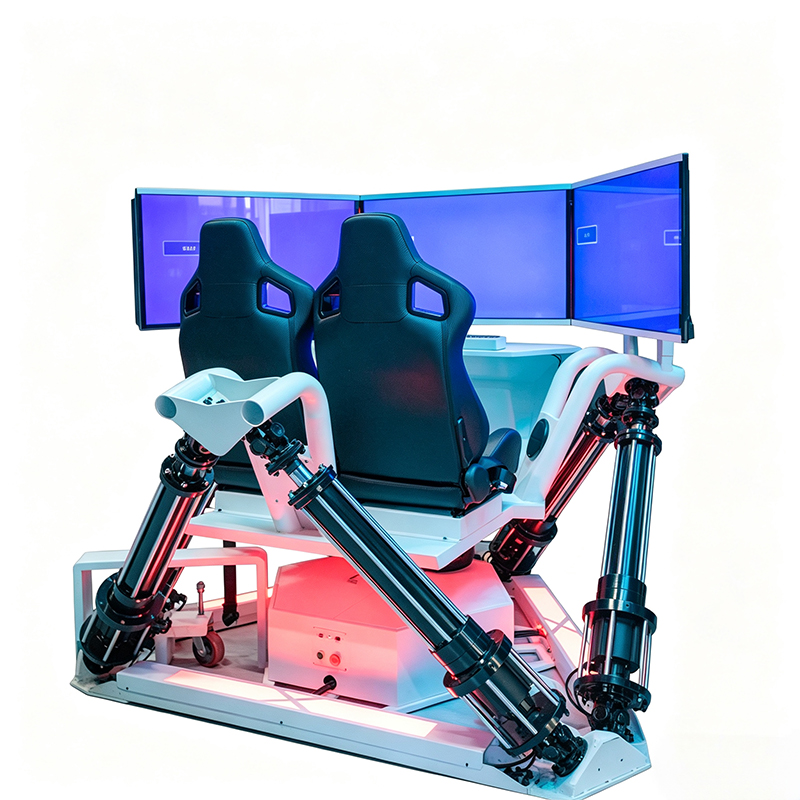
Racing Simulation Platform Custom

Home / Products / Motion Simulation Platform / Racing Simulation Platform

About Us
Suzhou Tongyousheng Electronic Technology Co., Ltd.

Suzhou Tongyousheng Electronic Technology Co., Ltd. is a leading high-tech enterprise integrating R&D, production and sales, specializing in the design, manufacturing and distribution of premium automation equipment and components—including electric cylinders, linear slide modules, linear motor modules, servo presses, robotic 7th axes, and six-degree-of-freedom platforms.

As China Racing Simulation Platform Manufacturers and Racing Simulation Platform Suppliers, we recognize technological innovation as the cornerstone of sustainable growth. Our R&D team, composed of industry veterans with deep technical expertise and extensive hands-on experience, serves as the engine driving our continuous progress. By pushing technical boundaries, accelerating product iteration, and pioneering industry advancements, we have secured a portfolio of core patents that underscore our leadership in automation and deliver a decisive competitive edge. We further reinforce our capabilities with state-of-the-art R&D tools, professional design software, and high-precision CNC machining centers, ensuring every development effort is backed by world-class resources.

Through years of relentless exploration and execution, Tongyousheng has established itself as an industry benchmark, renowned for its robust R&D, cutting-edge products, and uncompromising quality. We are dedicated to advancing the Industry 4.0 revolution, collaborating with state-owned enterprises, defense technology institutions, and top-tier universities to build a deeply integrated ecosystem of industry, academia, and research—pushing the frontiers of intelligent manufacturing together. At the heart of our mission is a commitment to delivering automation solutions that are intuitive to operate, highly efficient, ultra-reliable, and cost-effective. Every product we create is a reflection of our technical ingenuity and a direct response to our customers' evolving needs.

Certificate Of Honor
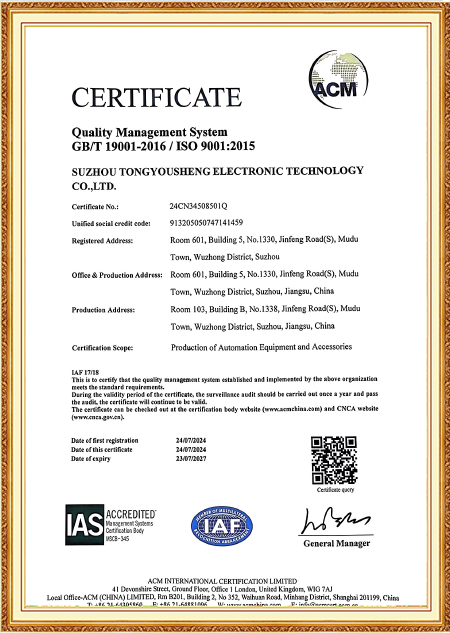
  • ISO 9001:2015 Certificate
  • High-tech Enterprise Certificate
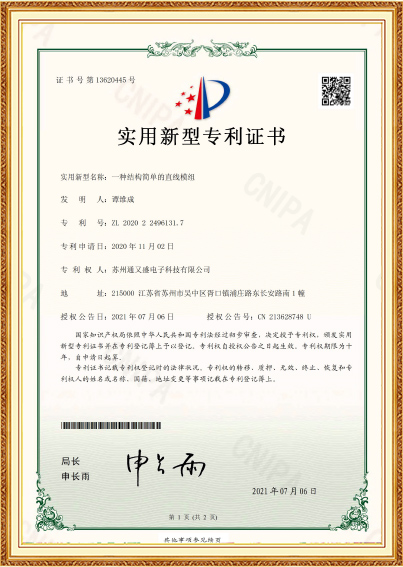
  • Copyright Certificate
  • Copyright Certificate
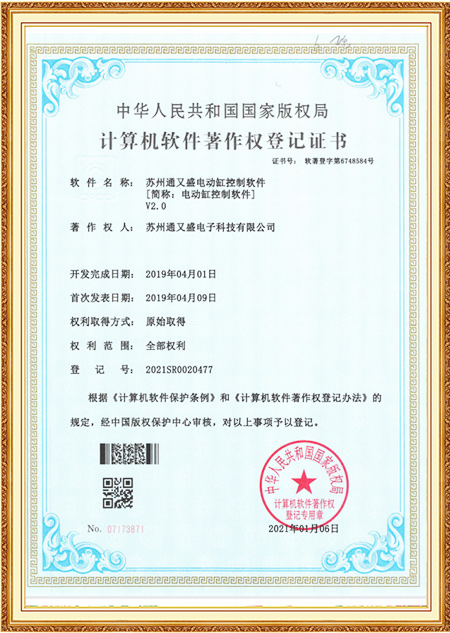
  • Software Copyright Certificate
  • Patent Certificate
  • Patent Certificate
  • Patent Certificate
Message Feedback
Blog
Racing Simulation Platform Industry knowledge

Tire Feel That Actually Reaches the Driver's Hands, and Keeping It From Getting Lost on the Way There

A Sim Racer Notices What's Missing Before They Notice What's There

Put an experienced sim racer in a racing simulation platform and ask them to run a few laps, and the feedback rarely starts with what feels right — it starts with what feels missing. Curb strikes that should rattle through the seat feel muted. The subtle chatter of a tire right at the edge of grip loss doesn't come through as anything more than a generic vibration. None of this shows up as a fault on a diagnostic screen; the platform is moving, the motion cues are present, but something in the transmission chain between the simulation's tire model and the driver's body is losing resolution along the way.

What Separates a Tuned Tire-Feedback Model From a Generic One

Modern racing simulation software generates a continuous stream of forces representing what a tire is doing at each corner of the virtual car — slip angle building toward the limit, a curb impact, surface texture changes on different sections of track. Translating that data stream into physical motion the platform can actually reproduce requires a control layer that a supplier has to tune specifically, since raw simulation output rarely maps cleanly onto actuator commands without some filtering and scaling work in between. A supplier with years of experience across many different simulation titles and vehicle physics engines tends to develop a library of tuning presets that preserve the character of, say, a car losing rear grip differently from one losing front grip, rather than flattening every tire event into the same generic buzz. Suzhou Tongyousheng Electronic Technology Co., Ltd. treats this tuning layer as a meaningful point of differentiation for a racing simulation platform build, since two platforms with identical actuator hardware can feel completely different to a driver depending on how well this translation step was refined.

Where This Distinction Actually Matters to a Driver

A driver approaching the limit of grip relies partly on subconscious feedback through the seat and pedals to sense the car's state before a spin becomes visually obvious on screen — this is a skill professional and semi-professional drivers build over years of seat time, and it depends on subtle vibration cues staying consistent and proportional to what's actually happening in the simulation. A racing simulation platform that smooths out this detail in the name of a cleaner motion signal removes exactly the information a serious driver is trying to train against, which is why tuning quality matters more in this application than in less performance-critical simulator use cases.

The Mechanical Half: Getting That Signal Through the Cockpit Structure Intact

Even a well-tuned tire-feedback signal loses value if the physical path between the actuator and the driver's seat attenuates or distorts the higher-frequency content before it arrives. The cockpit shell sits on top of the motion base through a connection interface, and this interface has to pass through fast, small-amplitude vibration content — the kind associated with road texture and tire slip — with minimal filtering, while a rigid connection everywhere else in the assembly keeps larger motion commands accurate.

Bolted rigid mounting throughout Transmits high-frequency content accurately but can also carry unwanted mechanical noise from gearboxes or motors
Compliant mounting at every joint Reduces unwanted noise but risks smoothing away the fine vibration detail drivers rely on
Selective stiffness by location Rigid where large motion commands need fidelity, tuned compliance only where fine vibration transmission matters

How Assembly Decisions Preserve This Detail in Practice

Seat mounting brackets and pedal deck attachment points on a racing simulation platform typically get assembled with a stiffness profile chosen specifically for the frequency range associated with tire feel, rather than using a single generic mounting hardness across the entire cockpit structure. Suzhou Tongyousheng Electronic Technology Co., Ltd. verifies this during assembly by running known vibration test signals through the actuator and measuring what actually reaches the seat pan and pedal mounts, comparing that against the input signal to confirm the transmission path isn't quietly filtering out the detail the tuning work upstream was designed to preserve. A platform that measures well on this bench test but was assembled with generic elastomer bushings throughout tends to reveal that gap the moment an experienced driver gets behind the wheel and immediately notices the missing texture.