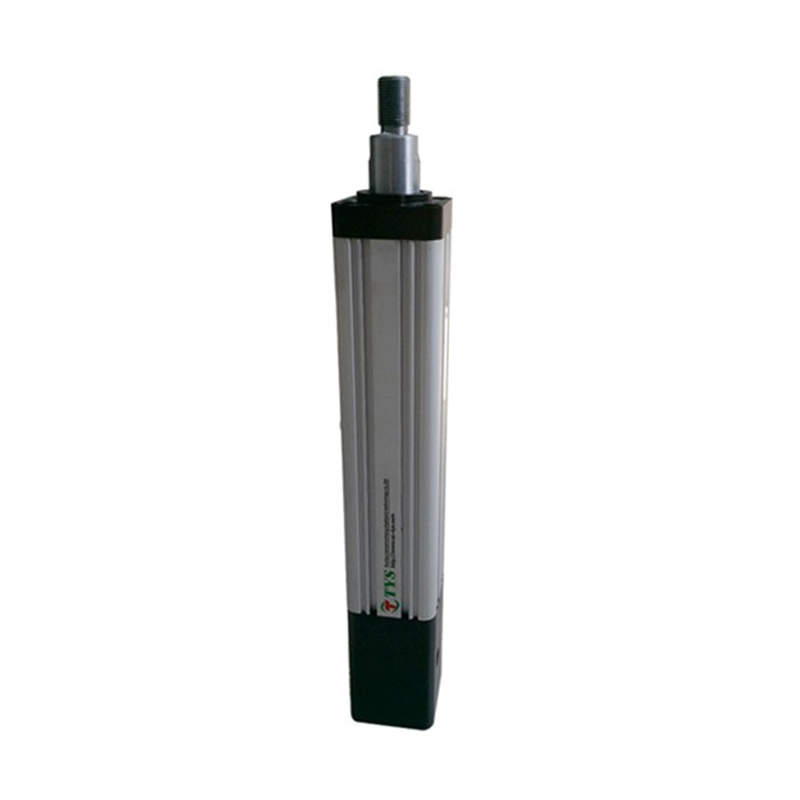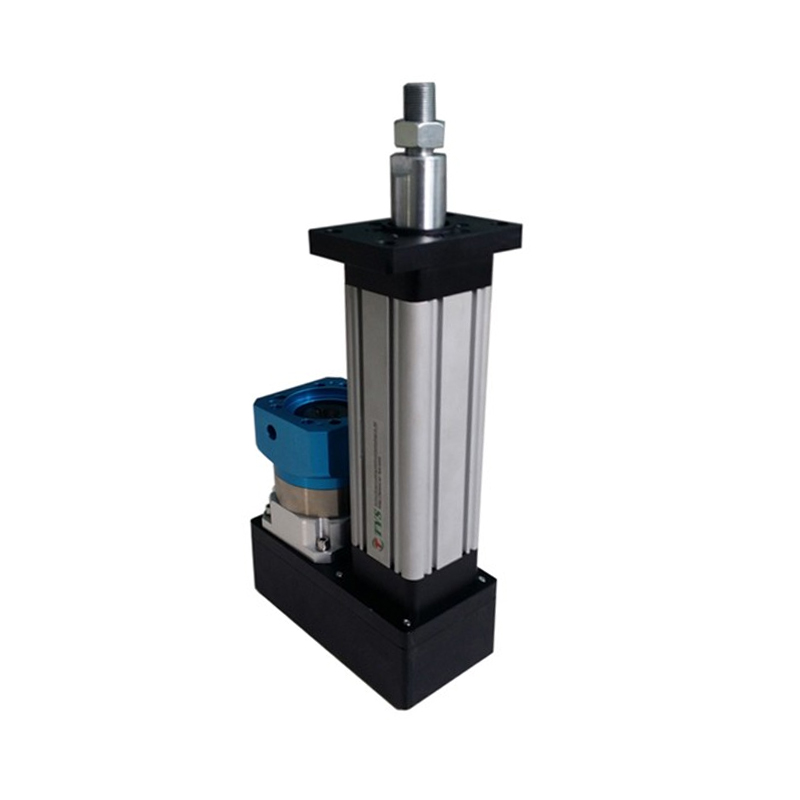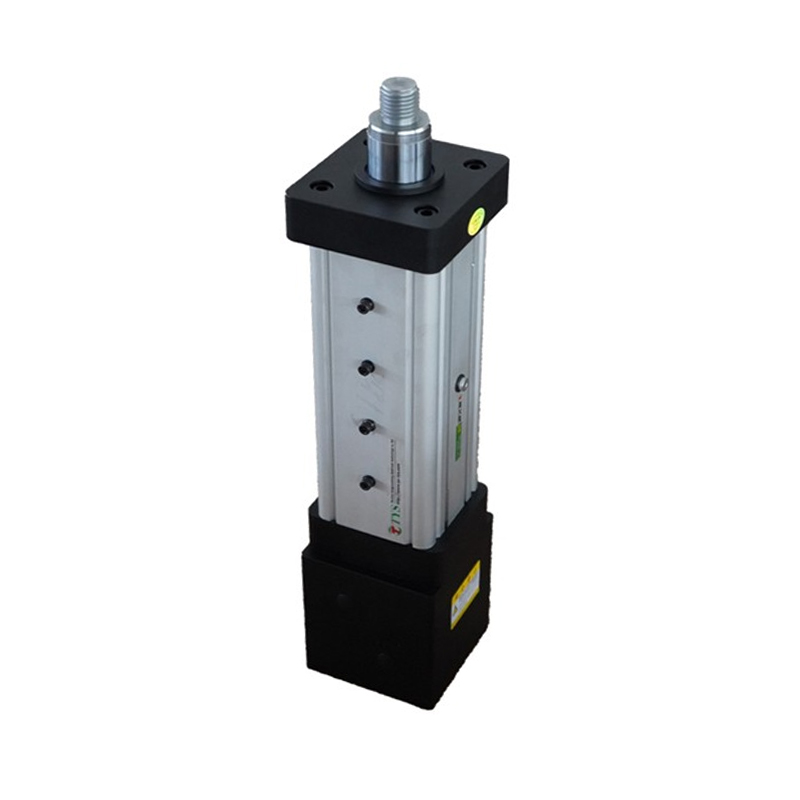
Wide Temperature Range Electric Cylinder Custom

Home / Products / Electric Cylinder / Wide Temperature Range Electric Cylinder

About Us
Suzhou Tongyousheng Electronic Technology Co., Ltd.

Suzhou Tongyousheng Electronic Technology Co., Ltd. is a leading high-tech enterprise integrating R&D, production and sales, specializing in the design, manufacturing and distribution of premium automation equipment and components—including electric cylinders, linear slide modules, linear motor modules, servo presses, robotic 7th axes, and six-degree-of-freedom platforms.

As China Wide Temperature Range Electric Cylinder Manufacturers and Wide Temperature Range Electric Cylinder Suppliers, we recognize technological innovation as the cornerstone of sustainable growth. Our R&D team, composed of industry veterans with deep technical expertise and extensive hands-on experience, serves as the engine driving our continuous progress. By pushing technical boundaries, accelerating product iteration, and pioneering industry advancements, we have secured a portfolio of core patents that underscore our leadership in automation and deliver a decisive competitive edge. We further reinforce our capabilities with state-of-the-art R&D tools, professional design software, and high-precision CNC machining centers, ensuring every development effort is backed by world-class resources.

Through years of relentless exploration and execution, Tongyousheng has established itself as an industry benchmark, renowned for its robust R&D, cutting-edge products, and uncompromising quality. We are dedicated to advancing the Industry 4.0 revolution, collaborating with state-owned enterprises, defense technology institutions, and top-tier universities to build a deeply integrated ecosystem of industry, academia, and research—pushing the frontiers of intelligent manufacturing together. At the heart of our mission is a commitment to delivering automation solutions that are intuitive to operate, highly efficient, ultra-reliable, and cost-effective. Every product we create is a reflection of our technical ingenuity and a direct response to our customers' evolving needs.

Certificate Of Honor
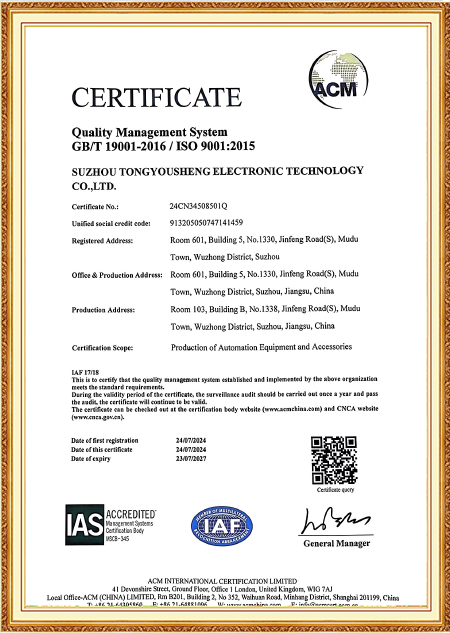
  • ISO 9001:2015 Certificate
  • High-tech Enterprise Certificate
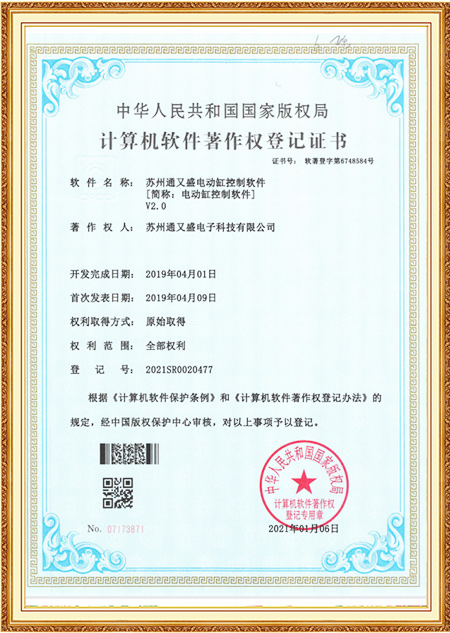
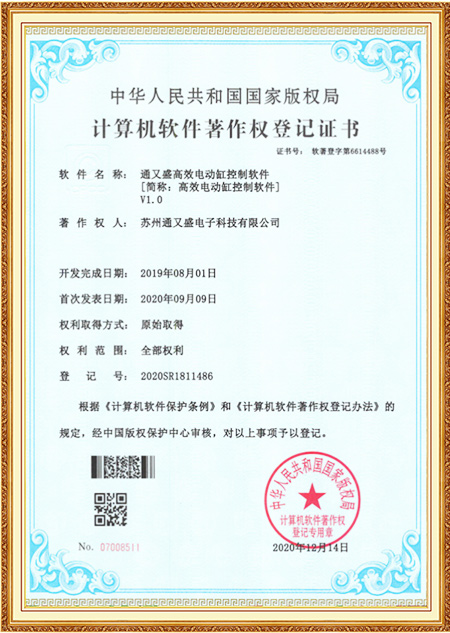
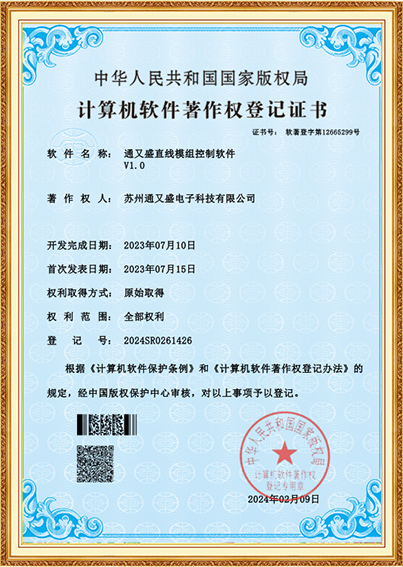
  • Copyright Certificate
  • Copyright Certificate
  • Software Copyright Certificate
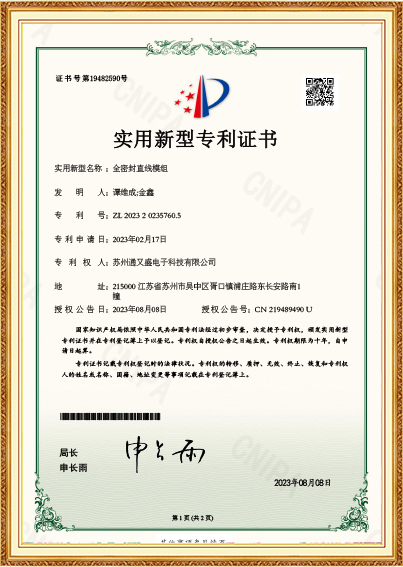
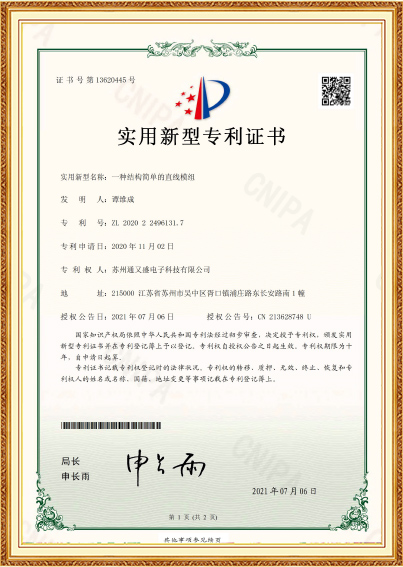
  • Patent Certificate
  • Patent Certificate
  • Patent Certificate
Message Feedback
Blog
Wide Temperature Range Electric Cylinder Industry knowledge

Wide Temperature Range Electric Cylinder: Material Mismatch and Sensor Lag as the Two Hidden Causes of Thermal Positioning Drift

A battery test lab running EV pack qualification cycles had a strange pattern in its data: the loading actuator that pushed packs into a thermal chamber for -40°C to 85°C cycling was landing within tolerance during the first two hours of a test sequence, then quietly drifting outside spec by hour six. The chamber itself was performing exactly as programmed, and the packs weren't shifting on the fixture. The actuator was the variable nobody had isolated, because on paper it carried a wide operating temperature rating and should have handled the swing without issue.

A Rated Range on a Datasheet Doesn't Guarantee Matched Expansion

What eventually surfaced was a mismatch between how fast the screw, the nut, and the bearing housing expanded relative to each other. These three components are rarely made from the same alloy — the screw might be a hardened alloy steel, the nut a bronze or engineered polymer composite, and the housing an aluminum casting chosen for weight and machinability. Each of those materials has a different coefficient of thermal expansion, and across a stable ±10°C shop environment the difference is small enough to sit inside normal clearance tolerance. Push the same assembly through an 80°C or greater swing and the growth rates stop tracking together, so the fit that was correct at the bench condition either binds under compression at one extreme or opens into detectable play at the other. This is not a defect in any single part; it's a consequence of not accounting for differential expansion when the housing bore and nut fit were specified.

Component Typical Material Approximate CTE (µm/m·°C)
Screw shaft Alloy steel 11–13
Ball nut Bronze or engineered composite 17–24
Housing / bearing seat Aluminum 22–24

The gap between the steel screw and an aluminum housing alone can account for a measurable clearance shift across an 80°C swing, and once a bronze nut is added into the stack, the direction and magnitude of that shift depends on the specific geometry — bore diameter, wall thickness, contact length — rather than a single rule of thumb. This is part of why Suzhou Tongyousheng Electronic Technology Co., Ltd. treats housing bore tolerance and nut fit as a coupled calculation rather than three independently toleranced parts, running the combined stack against the customer's stated temperature window before settling on a preload figure, instead of applying a fixed preload spec across every build regardless of the target range.

Where the Compensation Algorithm Starts Guessing

Once the mechanical fit is addressed, the second failure mode on the battery test bench turned out to be electronic rather than structural. The controller was applying a thermal offset to position commands based on a sensor mounted near the motor housing, on the assumption that this reading tracked the screw's actual core temperature closely enough for the correction to hold. During steady-state operation that assumption is reasonable — given enough time, the sensor and the screw core converge toward the same temperature. During a fast transition, which is exactly what happens when a chamber ramps 40°C in a few minutes as part of a qualification profile, the two diverge. The sensor, sitting on the outer housing with a different thermal mass and a different path to the heat source, lags behind the screw core's actual temperature change. The controller keeps applying an offset calculated from a value that no longer matches reality, and the resulting position error tracks the gap between sensor lag and actual core temperature rather than the true expansion of the screw.

Operating Condition Sensor Behavior Resulting Position Accuracy
Steady-state, slow drift Sensor and screw core converge Offset calculation stays valid
Fast ramp, chamber cycling Sensor lags behind core temperature Offset undercorrects or overcorrects mid-transition
Linear scale on carriage Not dependent on temperature model Reads actual displacement regardless of ramp rate

This is the practical argument for choosing a wide temperature range electric cylinder with direct linear feedback on applications with rapid or repeated thermal transitions — a linear encoder mounted on the moving carriage measures where the carriage actually is, sidestepping the question of whether any given sensor's thermal response matches the screw's internal state at a given moment. It costs more to integrate than a rotary encoder with a software offset, and for equipment that only sees gradual seasonal temperature change, that added cost may not be justified. For a chamber-cycling application running dozens of transitions a day, the calculation tends to favor direct feedback, because the error introduced by sensor lag repeats every cycle rather than showing up as an occasional outlier.

Specifying Against the Actual Transition Profile, Not Just the Range Endpoints

A wide temperature range electric cylinder spec sheet listing an operating range from -40°C to 85°C tells a buyer the endpoints the unit was tested at, but says little about how fast the unit is expected to move between them or how many times a day it will make that crossing. Suzhou Tongyousheng Electronic Technology Co., Ltd. asks customers for the actual transition profile — ramp rate, hold time, cycle count per shift — before finalizing preload and feedback selection, because a unit built for a slow seasonal drift and a unit built for a battery chamber doing forty cycles a day are not the same design problem even if both carry an identical nameplate range. The material stack calculation and the feedback method chosen against that profile, rather than against the bare temperature endpoints, are what end up predicting whether the actuator holds its position six hours into a test run or starts drifting the way the original bench-set assembly did.