


 English
 Français
 русский
 عربى
عربى Español
 Deutsch
Tel
+86 186 2508 0683

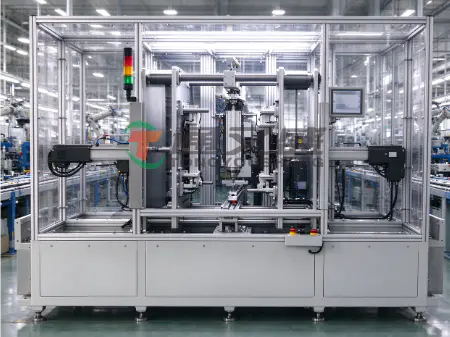
In the manufacturing of complete vehicles and automotive components, processes such as assembly, press-fitting, and positioning place extremely high demands on the precision, cycle time, and controllability of linear actuation. Compared with traditional pneumatic and hydraulic cylinders, servo electric cylinders offer precise force and position control, clean operation, and flexible programmability. They are increasingly used in automated production lines for body welding, final assembly, powertrain assembly, and battery pack production, becoming one of the core actuators in smart manufacturing equipment.
Typical Applications of Electric Cylinders on Automotive Production Lines
1. Welding Fixtures and Tooling Positioning
On automotive body welding lines, fixtures must clamp and position subassemblies quickly and accurately. Positioning mechanisms driven by servo electric cylinders can achieve millimeter-level repeatable positioning accuracy and work with PLCs and servo control systems to coordinate multiple stations. This helps maintain consistent welding quality while meeting the flexible production requirements of rapid changeovers between vehicle models.
2. Servo Press-Fitting of Components and Assemblies
During the assembly of engines, transmissions, motors, and reducers, press-fitting interference-fit components such as bearings, pins, and bushings requires precise and controllable force. A servo electric cylinder combined with a force sensor enables dual closed-loop control of pressure and displacement and real-time monitoring of the press-fitting curve. It can quickly identify incomplete press-fitting or component defects, helping ensure assembly quality and process traceability.
3. Battery Module and Pack Assembly
In the production of battery packs for new energy vehicles, processes such as inserting modules into housings, connecting terminal posts, and stacking battery cells require strict cleanliness and pressure control. The electric cylinder’s oil-free operation and precise force control help prevent damage to battery cells during assembly, meeting the stringent safety and cleanliness standards of power battery production lines.
4. Robot Seventh Axis and Loading/Unloading Mechanisms
A servo electric cylinder can serve as the linear motion unit for a robot’s seventh axis or a material-handling mechanism, providing the robotic arm with additional travel and high-rigidity displacement to expand its working range and improve cycle time. Its smooth operation and accurate positioning make it suitable for loading, unloading, and transfer stations in applications such as stamping, adhesive dispensing, and inspection.
Core Advantages of Servo Electric Cylinders
Precise Control and Traceable Data
The combination of the servo electric cylinder’s built-in encoder and external sensors enables real-time closed-loop control of force, displacement, and speed. Process curves can also be uploaded to the MES system, meeting the automotive industry’s strict requirements for quality traceability and process control.
Flexible Operation and Fast Changeovers
The loading parameters of servo electric cylinders are set through software, allowing them to accommodate products of different specifications without mechanical adjustments. Combined with production-line changeovers, this can significantly shorten setup time and improve overall equipment efficiency.
Clean, Energy-Efficient Operation and Easy Maintenance
Servo electric cylinders do not require a hydraulic power unit, preventing contamination from oil leaks. They reduce energy consumption and noise, and their compact structure and small number of components significantly lower maintenance costs and downtime.
As automotive electrification, intelligent manufacturing, and production-line flexibility continue to advance, the technical value of servo electric cylinders in press-fitting accuracy, control flexibility, and environmental adaptability will become increasingly apparent. For automation equipment integrators and vehicle manufacturers, selecting reliable servo electric cylinders with specifications suited to the application provides an important foundation for stable production-line cycle times, controllable quality, and long-term reliable operation.
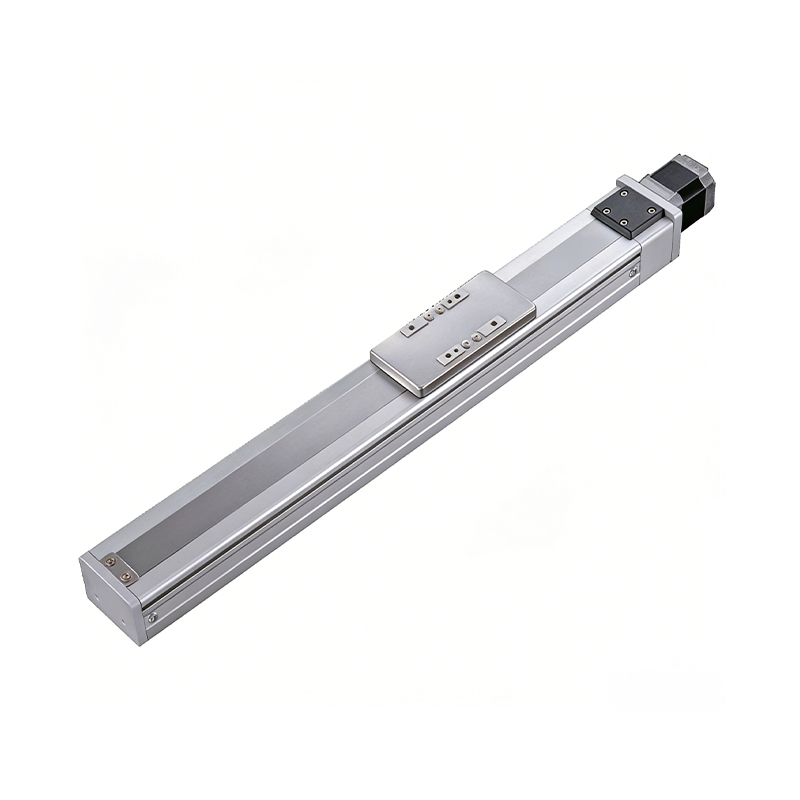 0.01mm High Precision Ball Screw Driven Rail-Embedded Linear Module
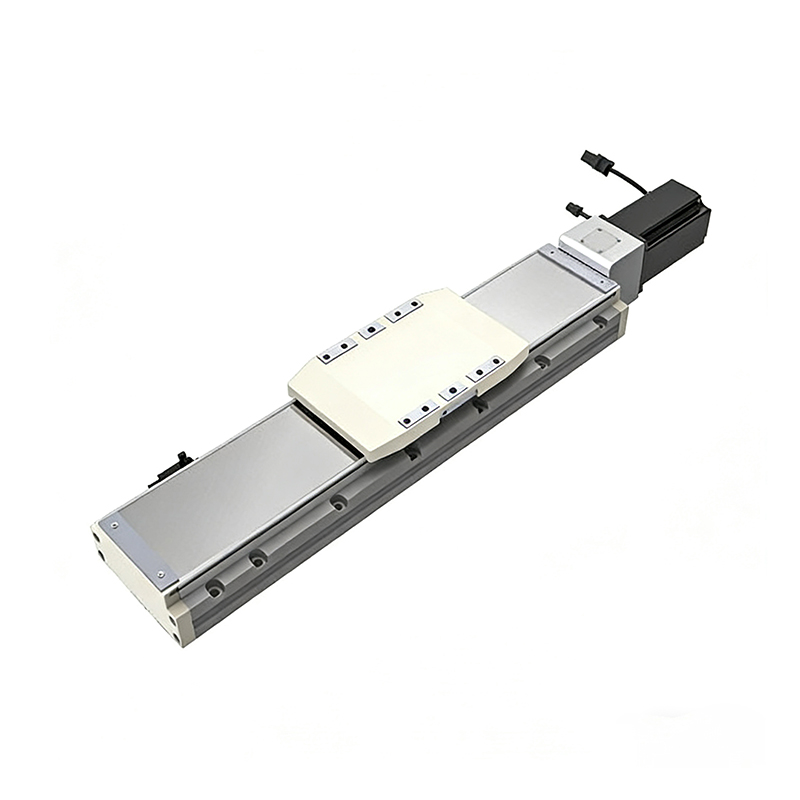 Heavy Load Ball Screw Driven Rail-Embedded Linear Module
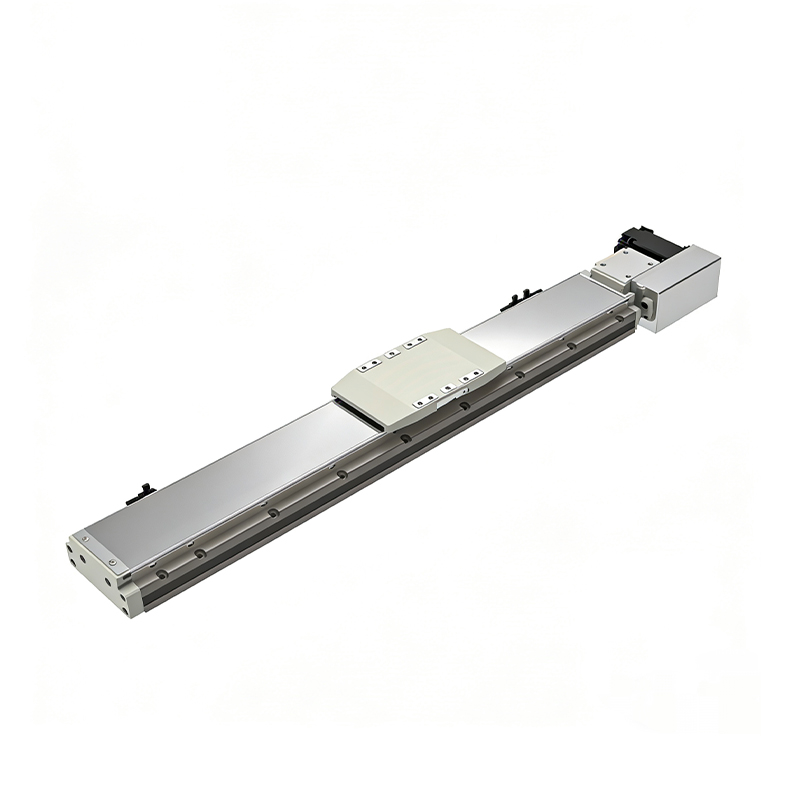 110KG Load Long Stroke Rail-Embedded Linear Module
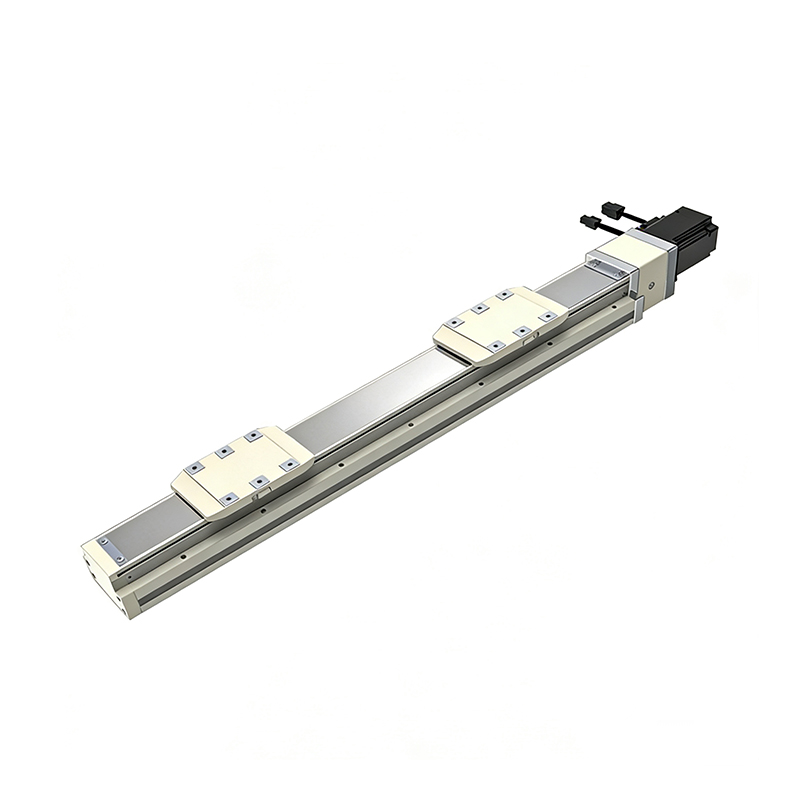 Dual-Slider High Precision Rail-Embedded Linear Module
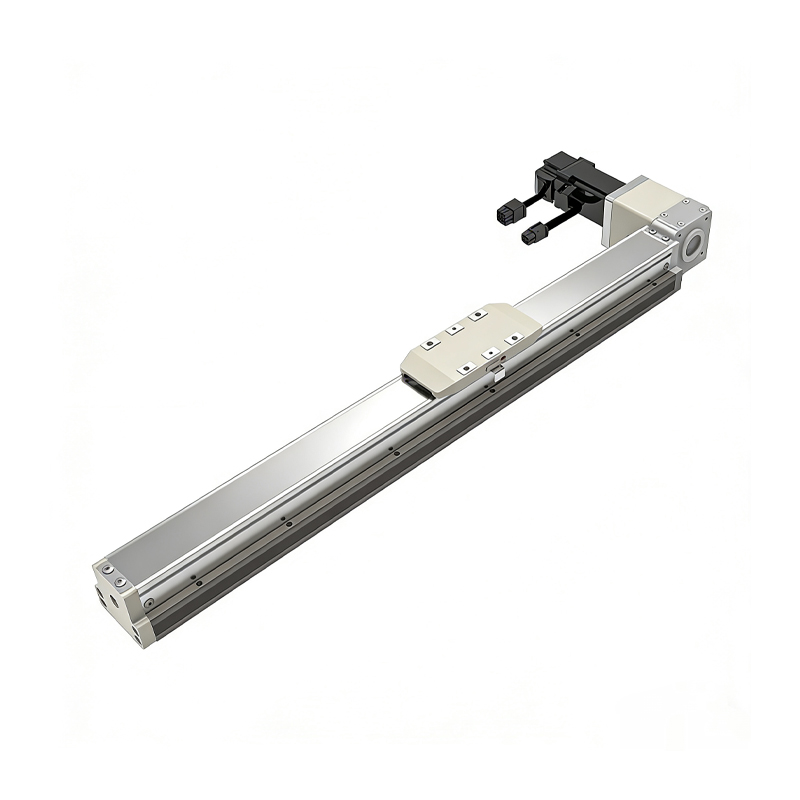 Belt Driven Dust-Proof Rail-Embedded Linear Module
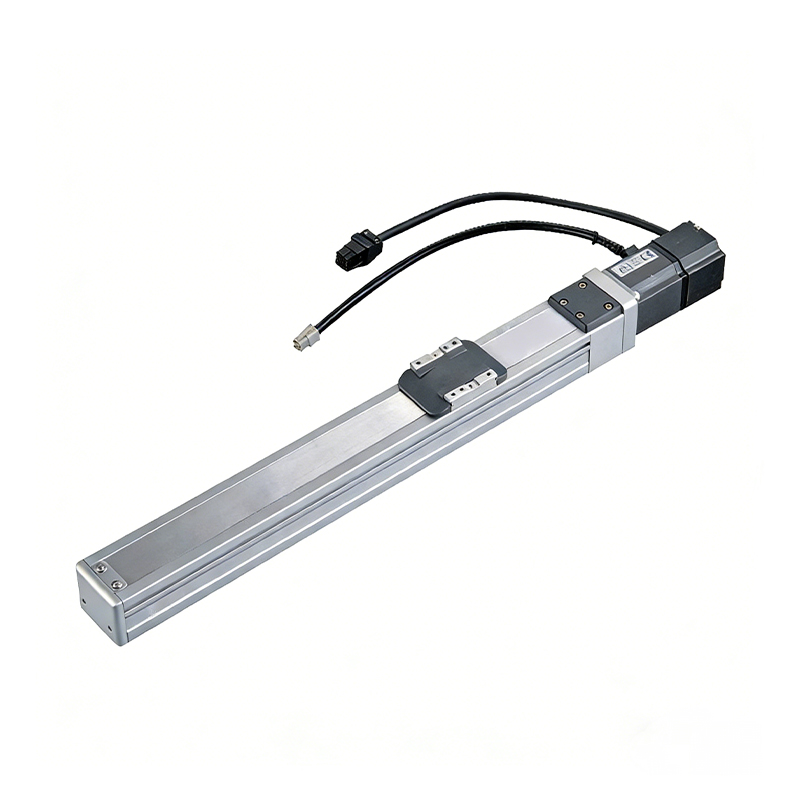 0.01mm High Precision Light Load Ball Screw Linear Module
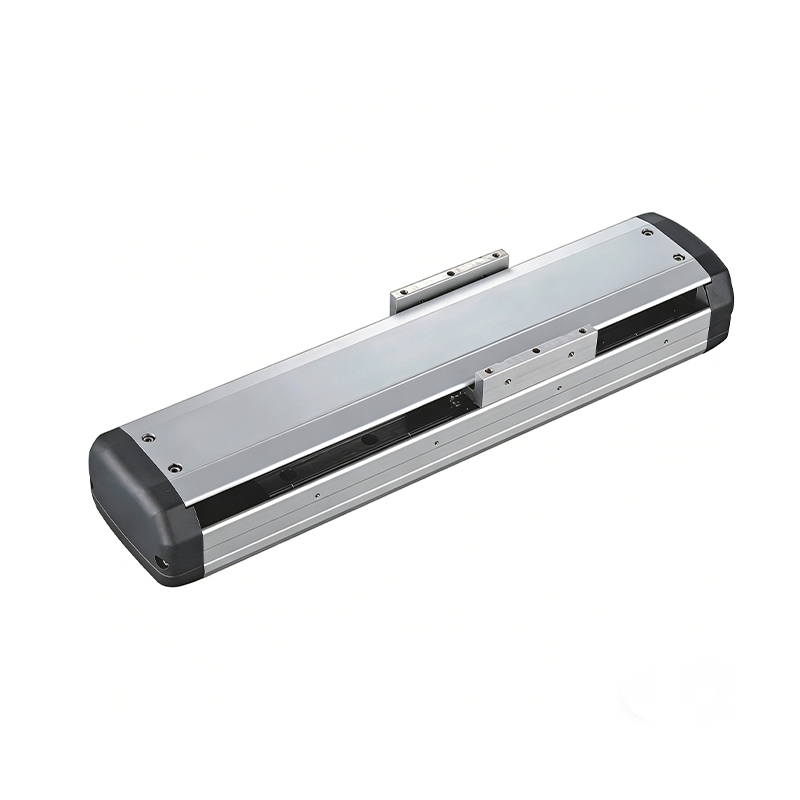 Ball Screw Linear Module with Built-in Sensor
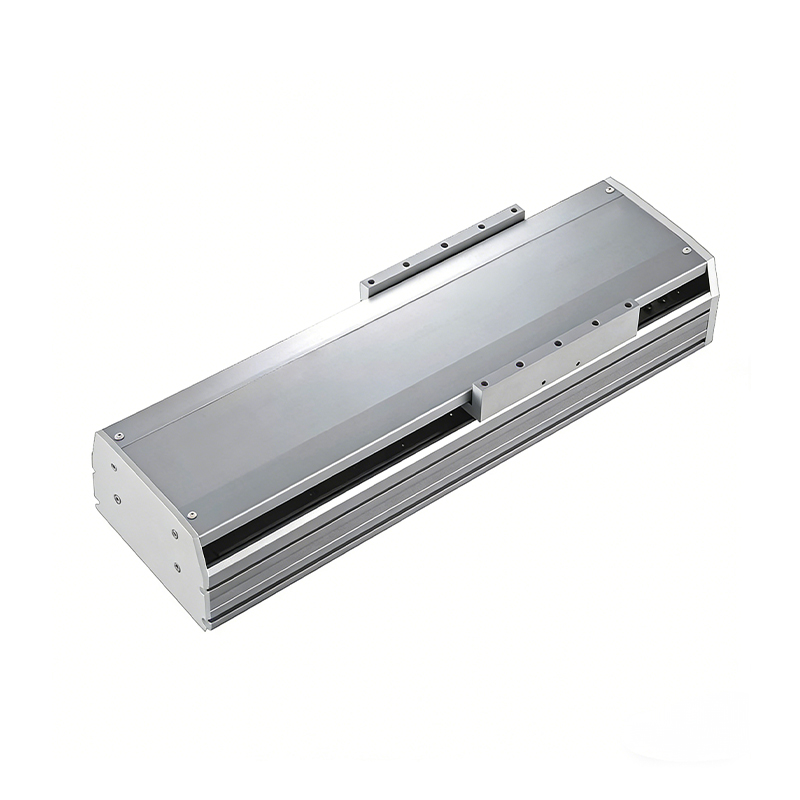 2000mm Long Stroke Ball Screw Linear Module
This 2000mm Long Stroke Ball Screw Linear Module is customized for large-range linear movement automation tasks, support...
READ MOREThis 2000mm Long Stroke Ball Screw Linear Module is customized for large-range linear movement automation tasks, support...
READ MOREThis 2000mm Long Stroke Ball Screw Linear Module is customized for large-range linear movement automation tasks, support...
READ MOREThis 2000mm Long Stroke Ball Screw Linear Module is customized for large-range linear movement automation tasks, support...
READ MORE
If you are interested in our products, please leave us a message. We look forward to providing you with
professional services!
Innovation and transcendence make factory intelligent manufacturing efficient and convenient!
+86 186 2508 0683
19962977901
sales@sz-tys.com
Building 5, Suzhou Mudu International Science and Technology Innovation Park, Jinfeng South Road, Suzhou City, Jiangsu Province, China
