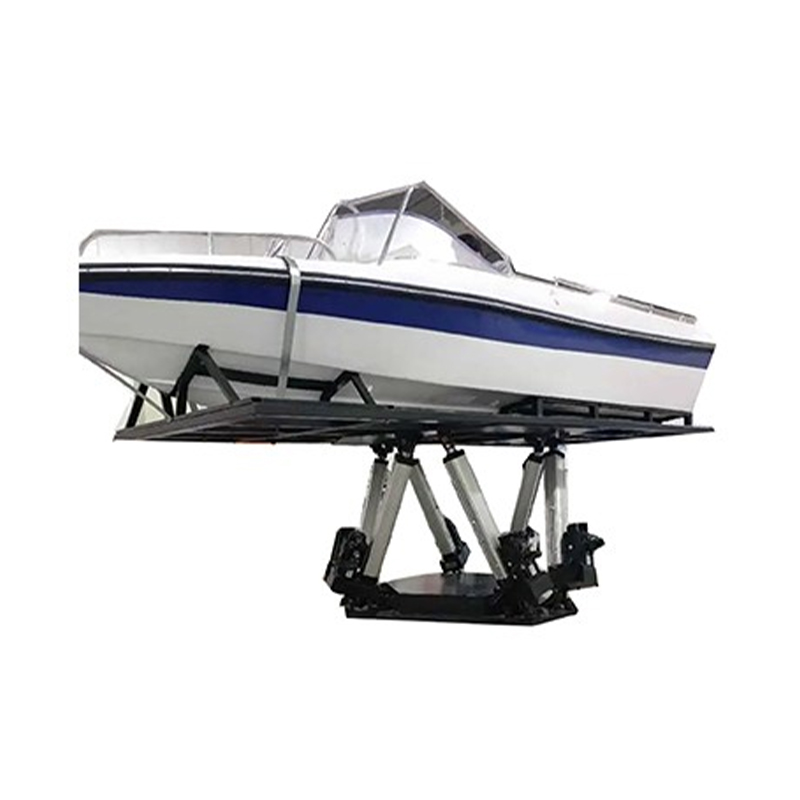
Vessel Simulation Platform Custom

Home / Products / Motion Simulation Platform / Vessel Simulation Platform

About Us
Suzhou Tongyousheng Electronic Technology Co., Ltd.

Suzhou Tongyousheng Electronic Technology Co., Ltd. is a leading high-tech enterprise integrating R&D, production and sales, specializing in the design, manufacturing and distribution of premium automation equipment and components—including electric cylinders, linear slide modules, linear motor modules, servo presses, robotic 7th axes, and six-degree-of-freedom platforms.

As China Vessel Simulation Platform Manufacturers and Vessel Simulation Platform Suppliers, we recognize technological innovation as the cornerstone of sustainable growth. Our R&D team, composed of industry veterans with deep technical expertise and extensive hands-on experience, serves as the engine driving our continuous progress. By pushing technical boundaries, accelerating product iteration, and pioneering industry advancements, we have secured a portfolio of core patents that underscore our leadership in automation and deliver a decisive competitive edge. We further reinforce our capabilities with state-of-the-art R&D tools, professional design software, and high-precision CNC machining centers, ensuring every development effort is backed by world-class resources.

Through years of relentless exploration and execution, Tongyousheng has established itself as an industry benchmark, renowned for its robust R&D, cutting-edge products, and uncompromising quality. We are dedicated to advancing the Industry 4.0 revolution, collaborating with state-owned enterprises, defense technology institutions, and top-tier universities to build a deeply integrated ecosystem of industry, academia, and research—pushing the frontiers of intelligent manufacturing together. At the heart of our mission is a commitment to delivering automation solutions that are intuitive to operate, highly efficient, ultra-reliable, and cost-effective. Every product we create is a reflection of our technical ingenuity and a direct response to our customers' evolving needs.
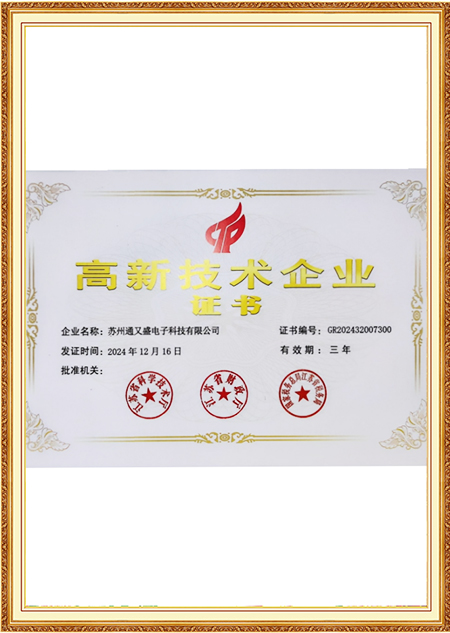
Certificate Of Honor
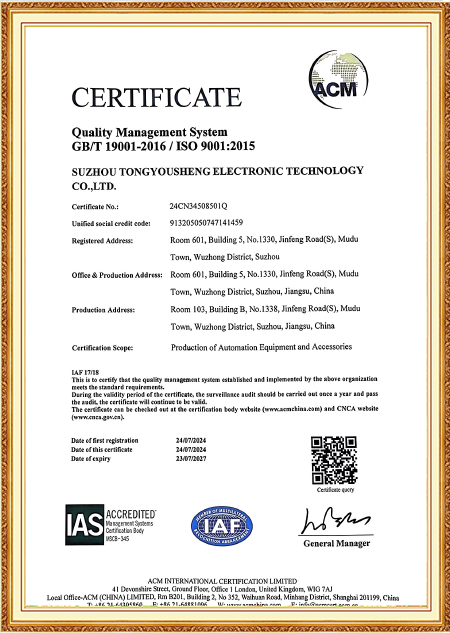
  • ISO 9001:2015 Certificate
  • High-tech Enterprise Certificate
  • Copyright Certificate
  • Copyright Certificate
  • Software Copyright Certificate
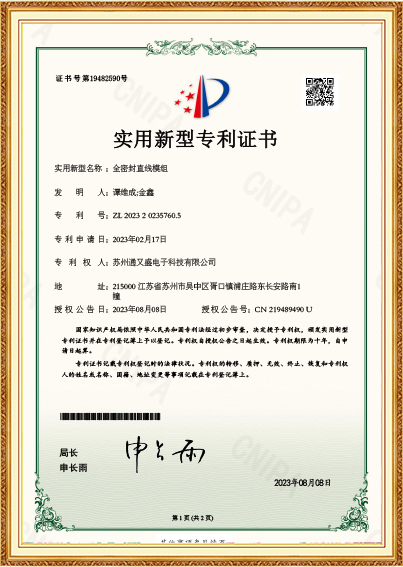
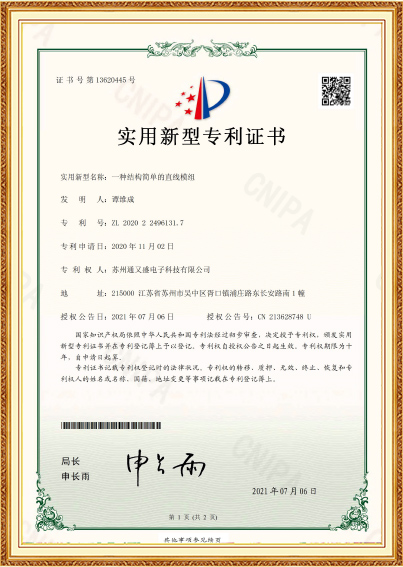
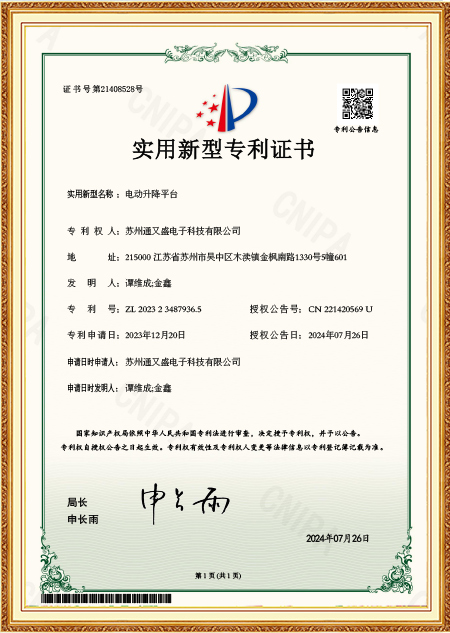
  • Patent Certificate
  • Patent Certificate
  • Patent Certificate
Message Feedback
Blog
Vessel Simulation Platform Industry knowledge

Console Vibration and Long-Term Fatigue in Vessel Simulation Bridge Assemblies

A Complaint That Starts With Blurry Instrument Readouts, Not a Motion Fault

Bridge instructors running a vessel simulation platform sometimes report something oddly specific: trainees can't quite read the radar display or the engine telegraph readout clearly during heavy roll simulation, even though the motion itself feels appropriately convincing. This usually has nothing to do with the display hardware and everything to do with high-frequency vibration transmitting from the motion base up through the cab structure into the console mounting points, where it shows up as a subtle blur on anything with fine text or a needle gauge, well before it becomes noticeable as felt vibration in the seat.

Why the Connection Point Between Cab and Base Matters So Much

A ship's bridge replica sits on top of the motion platform through a mounting interface that has to transmit large, low-frequency motion commands faithfully — the roll, pitch, and heave a trainee needs to feel — while filtering out the higher-frequency mechanical noise generated by actuators, gearboxes, and hydraulic pumps working underneath. These two goals pull in opposite directions to some degree, since a mounting structure rigid enough to transmit commanded motion without lag also tends to transmit unwanted high-frequency content unless something in the load path is specifically designed to attenuate it.

Where Vibration Actually Enters the Cab Structure

Structure-borne noise on a vessel simulation platform typically enters through a handful of specific paths rather than diffusing evenly across the whole assembly, and identifying which path dominates usually requires accelerometer measurements at several points along the load chain rather than a single reading at the console itself.

Actuator mounting bracket Direct metal-to-metal contact transmits gearbox whine and hydraulic pump ripple efficiently unless isolated
Cab-to-platform interface plate A rigid bolted connection carries high-frequency content along with the intended low-frequency motion
Console mounting brackets within the cab Even with good isolation upstream, a stiff local bracket can still resonate at instrument-relevant frequencies

How Assembly Practice Addresses This Without Sacrificing Motion Fidelity

Elastomeric isolation mounts placed at the cab-to-platform interface are a common answer, selected with a stiffness low enough to attenuate the frequency range associated with actuator and gearbox noise but high enough to avoid introducing lag or unwanted compliance into the commanded roll and pitch motion itself — getting this balance wrong in either direction either lets vibration through or makes the platform feel sluggish and imprecise to the trainee. Suzhou Tongyousheng Electronic Technology Co., Ltd. checks isolation mount selection against the actual actuator noise spectrum measured on a given platform build rather than applying a generic mount rating across different drive configurations, since a hydraulic system and an electric servo system generate meaningfully different vibration signatures that call for different isolation characteristics.

What Years of High-Frequency Training Cycles Do to Drive Components

A vessel simulation platform used for recurrent certification training runs through thousands of roll and pitch cycles annually, and this repeated loading pattern subjects drive assemblies and ball joints to fatigue mechanisms distinct from a single heavy-load event. Ball joints connecting struts to the moving platform experience repeated small-amplitude articulation during typical training scenarios, and this kind of motion — rather than large occasional swings — tends to produce a specific wear pattern at the joint's contact surfaces that accumulates gradually and can be difficult to detect during a routine visual check.

Reading Wear Signatures Before They Become Failures

Suzhou Tongyousheng Electronic Technology Co., Ltd. tracks cumulative cycle counts alongside periodic backlash measurement at each ball joint on platforms used for high-frequency recurrent training, since a joint developing play well ahead of its nominal service life is usually a sign that the actual duty cycle exceeds what standard fatigue estimates assumed. Drive assemblies benefit from similar monitoring — vibration signature comparison against a baseline recorded when the platform was new tends to surface a developing bearing or gear fault earlier than waiting for an audible or perceptible change in motion quality, which by the time it's noticeable to an instructor often means the wear has already progressed considerably.