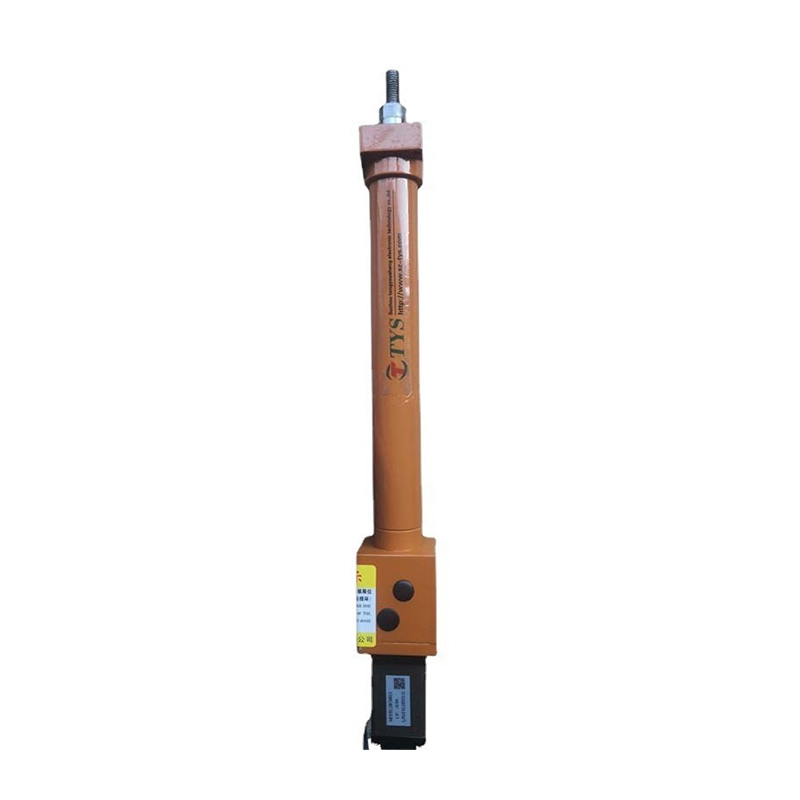
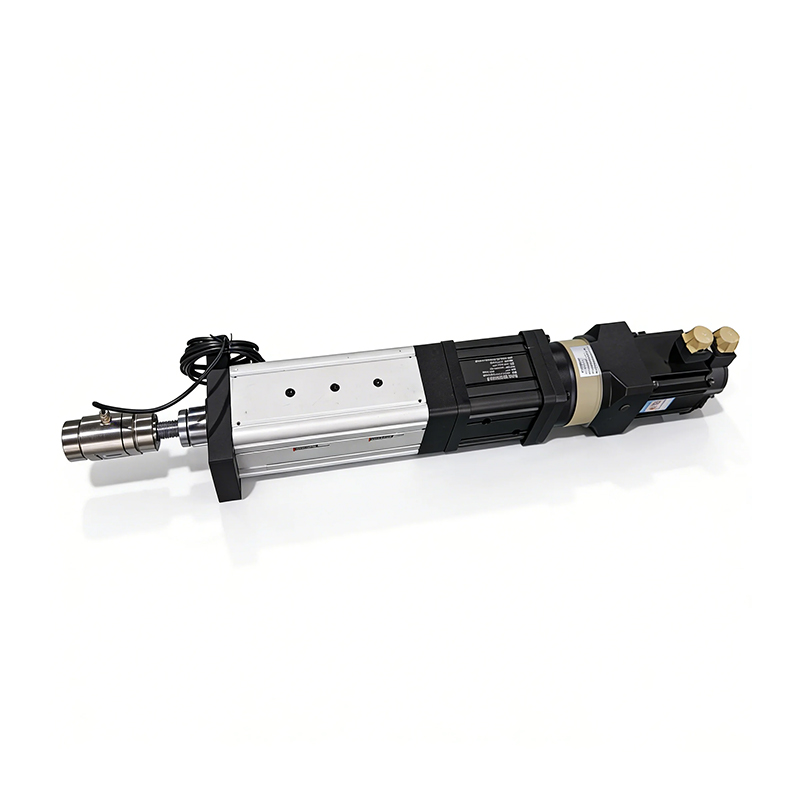
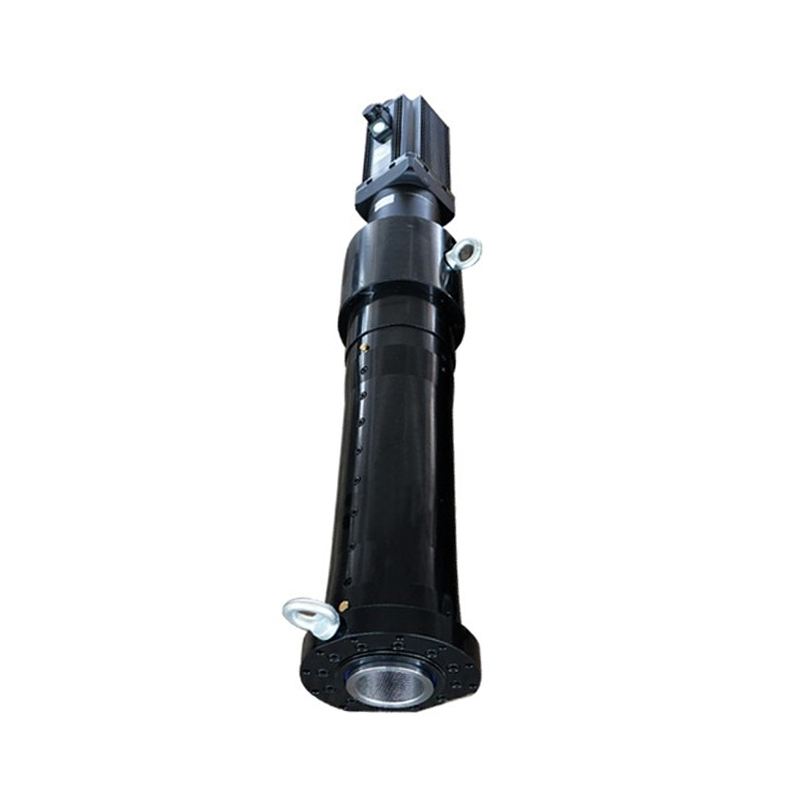
Inline Electric Cylinder: How Manufacturing Decisions Shape Accuracy and Batch Consistency in Automation Systems
A fixture automation project for an automotive production line experienced a gradual performance difference between actuator units after several months of continuous operation. The inline electric cylinder installed on each station had the same stroke length, thrust rating, and external dimensions, yet some fixtures showed slightly longer clamping cycles during repeated operation. The difference was small during initial commissioning, but it became noticeable when multiple stations were running at the same takt time. The investigation found that the variation was related to internal alignment control between the screw assembly, shaft guide structure, and housing components. These details were not visible in the product specification sheet, but they influenced motion consistency when dozens of cylinders operated together under identical production conditions.
Supplier Capability Starts From Application Analysis Instead of Standard Models
An inline electric cylinder is often selected according to basic parameters such as thrust force, stroke length, and operating speed. However, industrial applications usually involve additional conditions that directly affect cylinder performance, including mounting direction, side load, duty cycle, environmental temperature, and required positioning repeatability. A supplier with stronger engineering capability normally evaluates these factors before confirming the final configuration instead of selecting a model only from a standard catalog range.
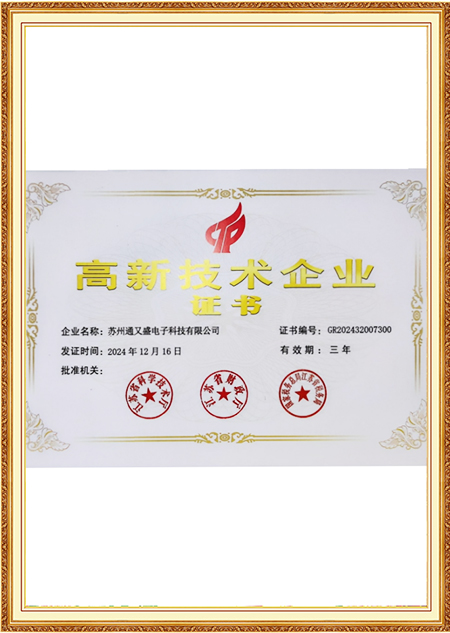
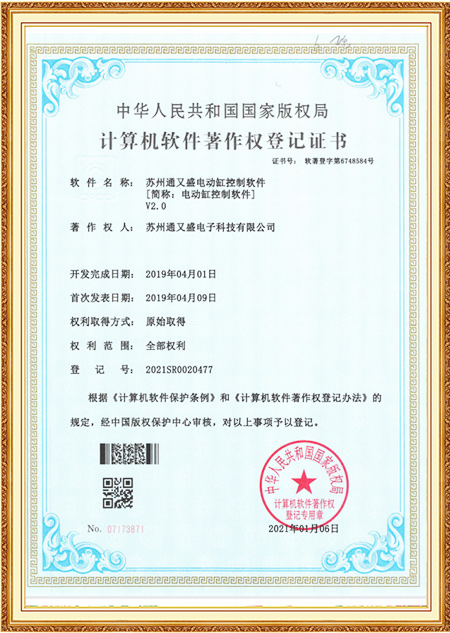
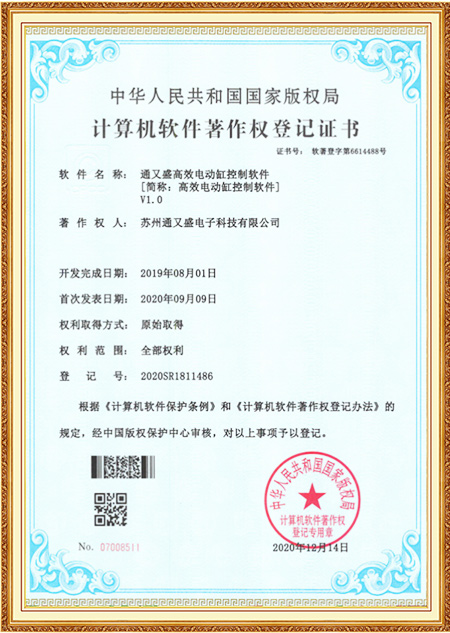
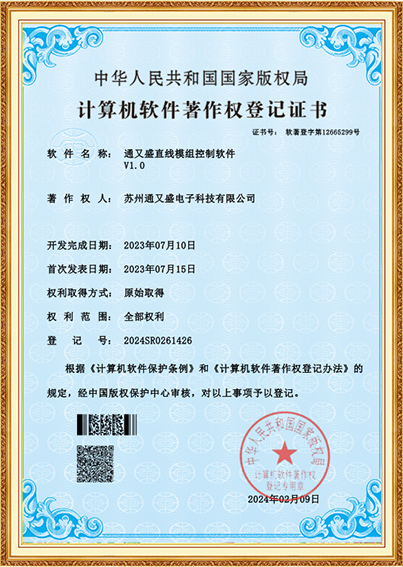
For customized automation equipment, the design process may involve reviewing load calculations, actuator reserve capacity, installation space, and expected service cycles. A cylinder used for pressing, positioning, clamping, or synchronized movement may require different internal configurations even when the required thrust value appears similar. During project evaluation, Suzhou Tongyousheng Electronic Technology Co., Ltd. considers application conditions together with mechanical structure, transmission selection, and control requirements when developing inline electric cylinder solutions for different automation scenarios.
Prototype Development Does Not Always Represent Production Consistency
A prototype unit can demonstrate whether a concept works, but it does not automatically prove that every production batch will maintain the same performance. In actual manufacturing, consistency depends on whether machining fixtures, assembly procedures, inspection methods, and process parameters are transferred from development into repeat production.
For inline electric cylinder manufacturing, the transition from prototype to volume production requires attention to dimensional control at every stage. A small variation in shaft positioning, bearing installation, or housing machining can accumulate into differences in friction, backlash, and running resistance. These effects may not appear in a single laboratory test, but they can become noticeable when multiple units operate side by side on a production line.
| Production Review Area |
Information Worth Checking |
Engineering Meaning |
| Application-based design review |
Load calculation, mounting condition, duty cycle analysis |
Shows whether the cylinder configuration matches the real working environment |
| Prototype transfer process |
Assembly instructions, machining fixtures, inspection records |
Indicates whether production units can maintain prototype-level consistency |
| Final quality verification |
Position accuracy, backlash measurement, operating test data |
Reveals potential variation before equipment integration |
Machining Accuracy Directly Influences Long-Term Cylinder Behavior
The machining process behind an inline electric cylinder has a direct relationship with operating stability. The alignment between the screw axis, guide components, and housing bore determines how evenly internal forces are distributed during extension and retraction. When alignment is not controlled properly, side loading can increase on bearings and transmission components, causing uneven wear during long-term operation.
In precision automation systems, dimensional accuracy is not limited to individual components. A shaft may meet its own tolerance requirement, and a housing may also pass separate inspection, but the combined assembly condition determines the actual motion behavior. Tolerance accumulation between multiple parts is one of the reasons why final assembly inspection is important for high-cycle equipment.
Grinding Sequence and Transmission Stability
The manufacturing sequence of transmission components can influence how an inline electric cylinder performs over its service period. For screw-driven structures, raceway geometry, surface finish, and preload condition affect friction characteristics and load distribution. The relationship between heat treatment and finishing processes also needs careful control because thermal deformation can influence final dimensional accuracy.
A finishing process performed after heat treatment allows manufacturers to correct dimensional changes introduced during thermal processing. This type of process planning helps maintain more consistent screw geometry, which affects running smoothness, positioning repeatability, and mechanical efficiency during repeated cycles.
| Manufacturing Situation |
Potential Influence |
Inspection Focus |
| Transmission finishing affected by thermal deformation |
Possible change in raceway geometry and contact condition |
Verify final screw accuracy after finishing process |
| Separate component inspection without assembly verification |
Combined tolerance may create alignment deviation |
Check shaft and housing relationship after assembly |
| Long-stroke operation with frequent cycles |
Wear distribution may change along the travel range |
Measure backlash and repeatability at different positions |
Assembly Alignment Is a Key Step Before Shipment
Final assembly creates the actual working relationship between internal components. A housing bore, shaft guide, screw support, and mounting interface must maintain proper alignment after all parts are combined. Checking components separately cannot always identify assembly-level deviation caused by tolerance accumulation.
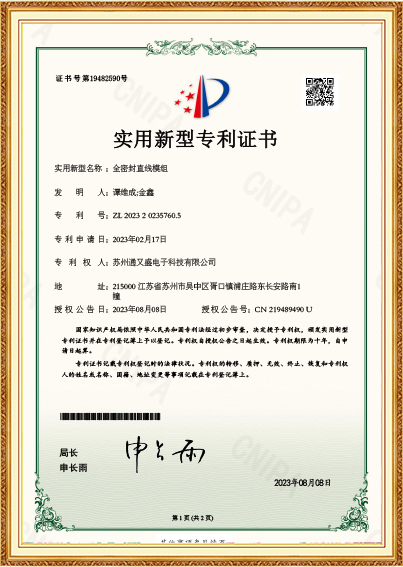
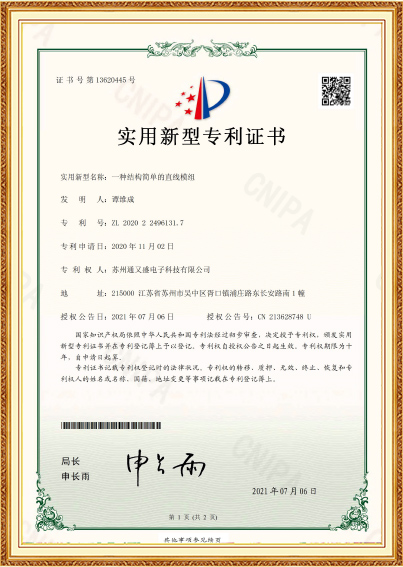
In inline electric cylinder production, Suzhou Tongyousheng Electronic Technology Co., Ltd. treats housing alignment, transmission installation, and motion verification as connected manufacturing factors rather than isolated inspection items. This approach focuses on the assembled cylinder behavior because automation equipment ultimately depends on the complete actuator performance rather than individual component specifications.
Questions Buyers Should Include Before Volume Production
Before approving a large quantity order of inline electric cylinder products, customers usually need more than a standard specification sheet. Technical discussions often involve whether the supplier can provide application-based sizing records, machining process information, inspection data, and validation results related to the actual working environment.
During supplier assessment, factors such as screw processing methods, assembly alignment procedures, inspection checkpoints, and production repeatability records can provide additional information for project approval. These details are especially important for automation systems where multiple actuators must maintain consistent motion performance across long operating periods.



 English
 Français
 русский
 عربى
عربى Español
 Deutsch