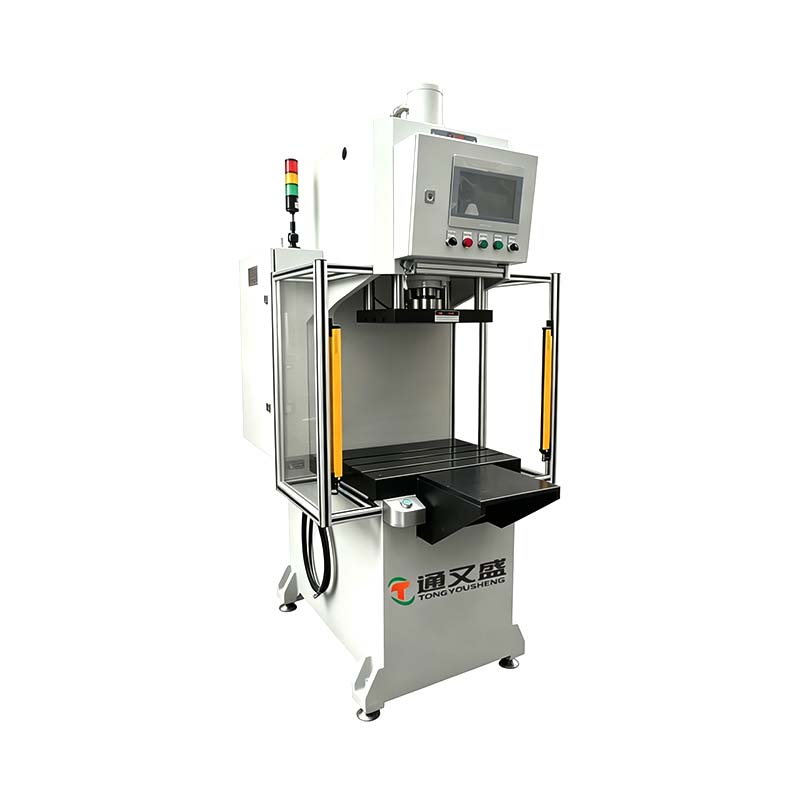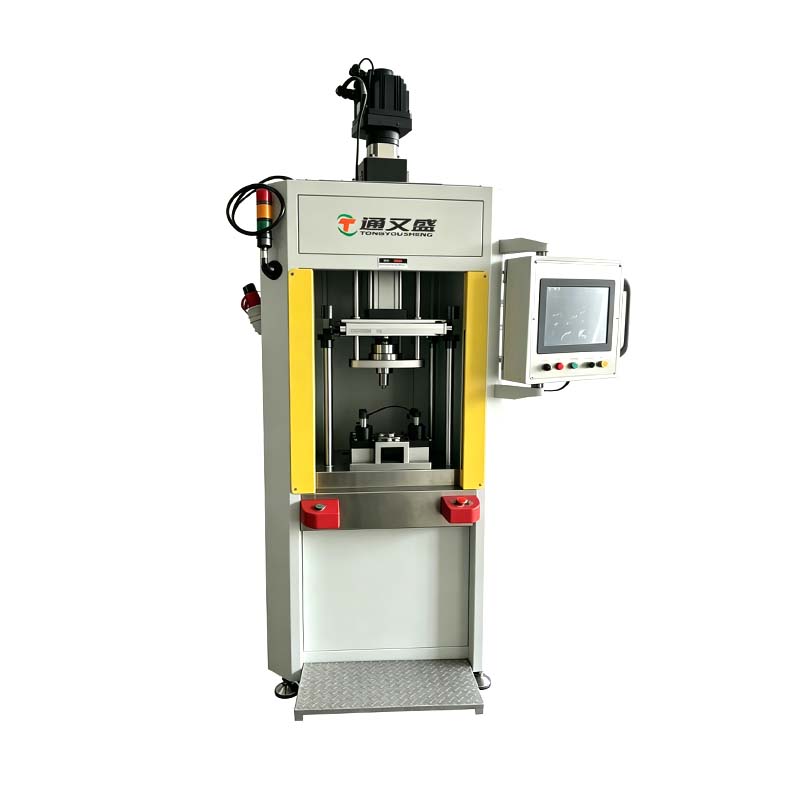
Servo Hydraulic Press Machine Custom

Home / Products / Servo Press Machine / Servo Hydraulic Press Machine

About Us
Suzhou Tongyousheng Electronic Technology Co., Ltd.

Suzhou Tongyousheng Electronic Technology Co., Ltd. is a leading high-tech enterprise integrating R&D, production and sales, specializing in the design, manufacturing and distribution of premium automation equipment and components—including electric cylinders, linear slide modules, linear motor modules, servo presses, robotic 7th axes, and six-degree-of-freedom platforms.

As China Servo Hydraulic Press Machine Manufacturers and Servo Hydraulic Press Machine Suppliers, we recognize technological innovation as the cornerstone of sustainable growth. Our R&D team, composed of industry veterans with deep technical expertise and extensive hands-on experience, serves as the engine driving our continuous progress. By pushing technical boundaries, accelerating product iteration, and pioneering industry advancements, we have secured a portfolio of core patents that underscore our leadership in automation and deliver a decisive competitive edge. We further reinforce our capabilities with state-of-the-art R&D tools, professional design software, and high-precision CNC machining centers, ensuring every development effort is backed by world-class resources.

Through years of relentless exploration and execution, Tongyousheng has established itself as an industry benchmark, renowned for its robust R&D, cutting-edge products, and uncompromising quality. We are dedicated to advancing the Industry 4.0 revolution, collaborating with state-owned enterprises, defense technology institutions, and top-tier universities to build a deeply integrated ecosystem of industry, academia, and research—pushing the frontiers of intelligent manufacturing together. At the heart of our mission is a commitment to delivering automation solutions that are intuitive to operate, highly efficient, ultra-reliable, and cost-effective. Every product we create is a reflection of our technical ingenuity and a direct response to our customers' evolving needs.
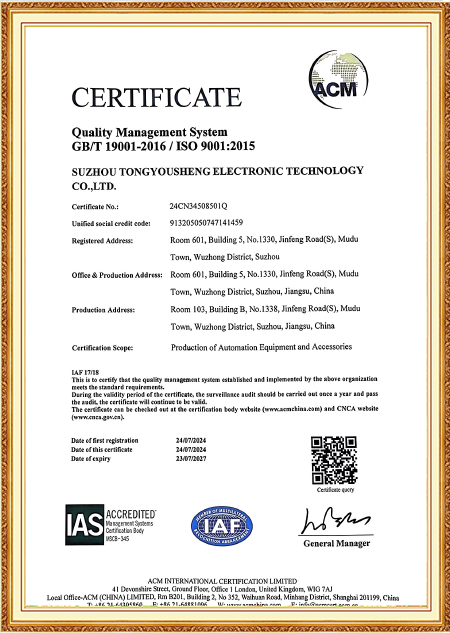
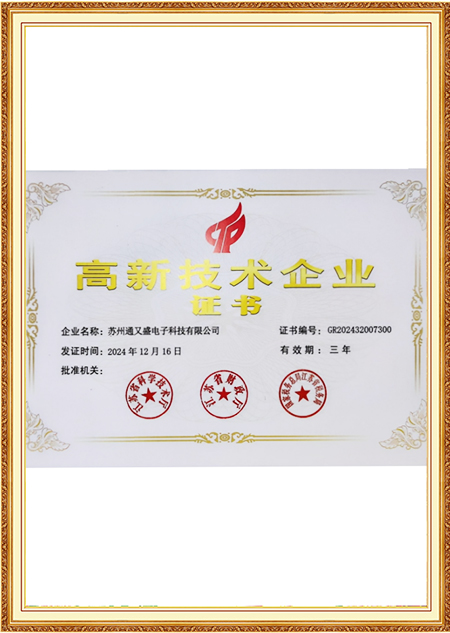
Certificate Of Honor
  • ISO 9001:2015 Certificate
  • High-tech Enterprise Certificate
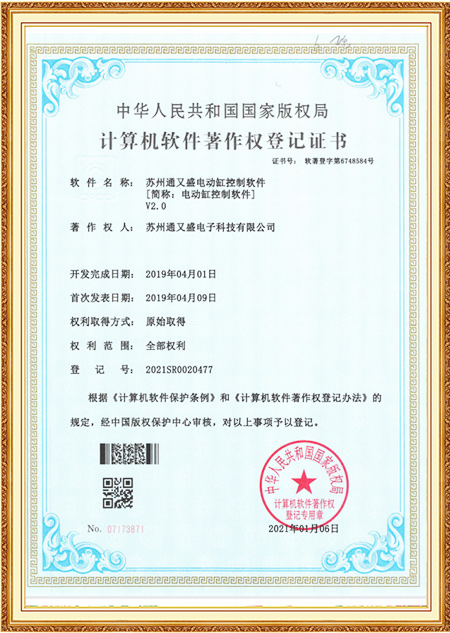
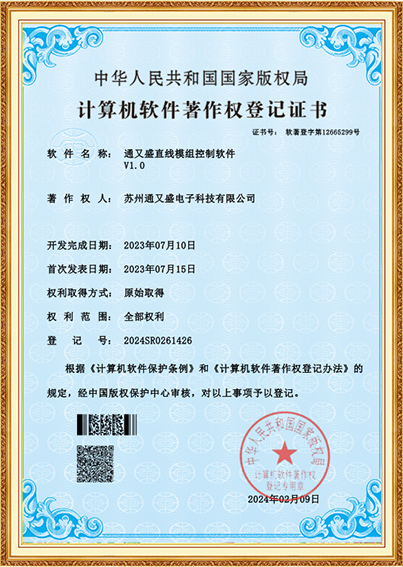
  • Copyright Certificate
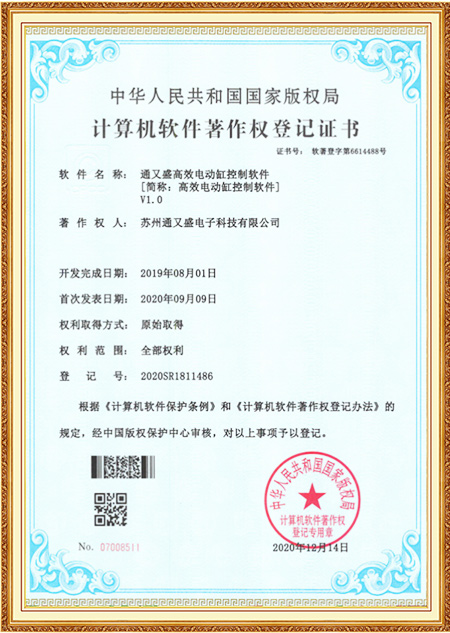
  • Copyright Certificate
  • Software Copyright Certificate
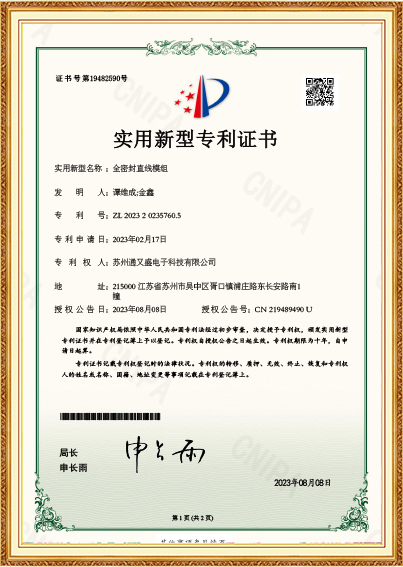
  • Patent Certificate
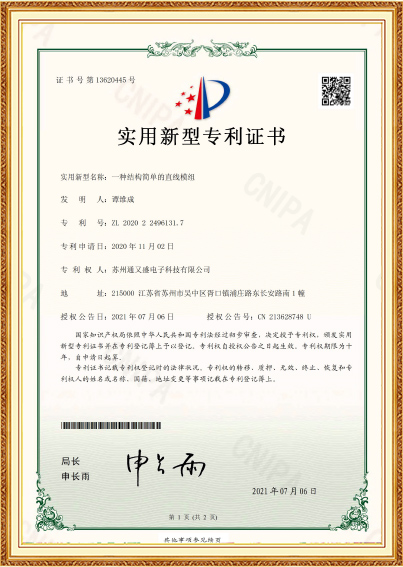
  • Patent Certificate
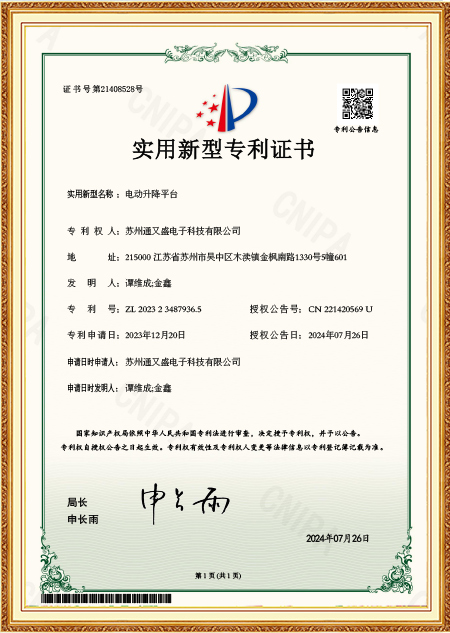
  • Patent Certificate
Message Feedback
Blog
Servo Hydraulic Press Machine Industry knowledge

Internal Leakage at the Cylinder and the Oil-Versus-Valve Question When Force Drifts

A Symptom That Looks Electrical Before It Turns Out to Be Hydraulic

A maintenance technician staring at a force-drift trend on a servo hydraulic press machine usually reaches for the servo valve first — swap it, recalibrate, see if the drift disappears. Sometimes that fixes it. Just as often, the valve gets replaced, the drift persists for a few days, then quietly returns, because the actual source was never the valve at all but a cylinder that has been bypassing a small amount of oil internally the entire time. Distinguishing between these two failure paths — a valve losing its calibration versus a cylinder losing its seal integrity — determines whether a repair actually sticks or just delays the same complaint from resurfacing.

Where Internal Leakage in a Cylinder Actually Originates

Internal leakage across a hydraulic cylinder's piston seal allows oil to bypass from the high-pressure side to the low-pressure side without doing useful work, and in a servo hydraulic system this shows up as a force that appears to hold steady on the display but actually requires the servo valve to keep feeding extra flow just to maintain that pressure — a detail invisible on a static gauge reading but very visible on a flow-versus-time trend if anyone bothers to look at it. During manufacturing, controlling this starts with piston seal selection matched to the specific oil viscosity and operating temperature range the press will see, since a seal compound that hardens or takes a permanent set at elevated oil temperature will leak more with time even if it sealed correctly on day one.

Manufacturing Controls That Determine Leakage From the Start

Bore honing finish matters as much as seal material choice — a cylinder bore finished too coarse abrades the seal lip prematurely, while one finished too smooth can actually starve the seal of the thin oil film it needs to function properly, accelerating dry-running wear instead. Suzhou Tongyousheng Electronic Technology Co., Ltd. specifies bore surface roughness within a tested range for each cylinder bore size rather than applying a single blanket finish spec across different bore diameters, since the relationship between bore diameter and appropriate surface finish is not linear. Piston-to-rod concentricity also plays a role that gets overlooked — an eccentric piston loads one side of the seal more than the other during every stroke, creating uneven wear that produces leakage well before the seal's rated service life would predict.

Seal compound selection Matched to oil type and expected operating temperature range, not a generic default across all cylinder sizes
Bore honing finish Too coarse abrades the seal; too smooth starves it of lubricating film
Piston-rod concentricity Eccentricity loads one side of the seal disproportionately during each stroke

Reading a Flow Trend Instead of Guessing at the Valve

Rather than defaulting to a servo valve swap the moment force drift appears, a more reliable troubleshooting sequence starts by comparing commanded flow against actual cylinder displacement over a fixed time period. If the valve is metering flow correctly but the cylinder still fails to hold pressure without continuous top-up flow, that flow is going somewhere — and internal bypass across a worn piston seal is the most common destination. A valve calibration issue, by contrast, typically produces a repeatable offset or a nonlinear response across its command range rather than a pressure that decays specifically when the valve is commanded to hold steady, which is the signature more associated with cylinder bypass.

Oil Condition as a Third Variable That Complicates Both Diagnoses

Degraded hydraulic oil — through particle contamination, additive depletion, or viscosity shift from prolonged high-temperature operation — can produce symptoms resembling both a leaking cylinder and a drifting valve simultaneously, which is why oil sampling belongs early in the troubleshooting sequence rather than as an afterthought once the valve and cylinder have both been replaced without resolving the complaint. Particle contamination in particular tends to accelerate wear at the servo valve's spool clearances, a tight tolerance zone where even fine particulate can cause the valve to stick slightly or respond nonlinearly to small commands, which then gets misread as a valve calibration fault rather than a contamination issue.

Why This Distinction Matters for a Service Call

Suzhou Tongyousheng Electronic Technology Co., Ltd. recommends checking oil cleanliness and cylinder flow behavior before authorizing a valve replacement on a servo hydraulic press machine reporting force drift, since replacing a functioning valve does nothing for a bypass leak at the cylinder, and conversely a fresh seal kit will not resolve a genuinely worn valve spool. Pulling oil samples and logging a flow-versus-command trace during the initial visit tends to identify the actual fault path faster than a sequential parts-swap approach, and it avoids the situation where a customer pays for a valve replacement that never addresses the underlying leak.