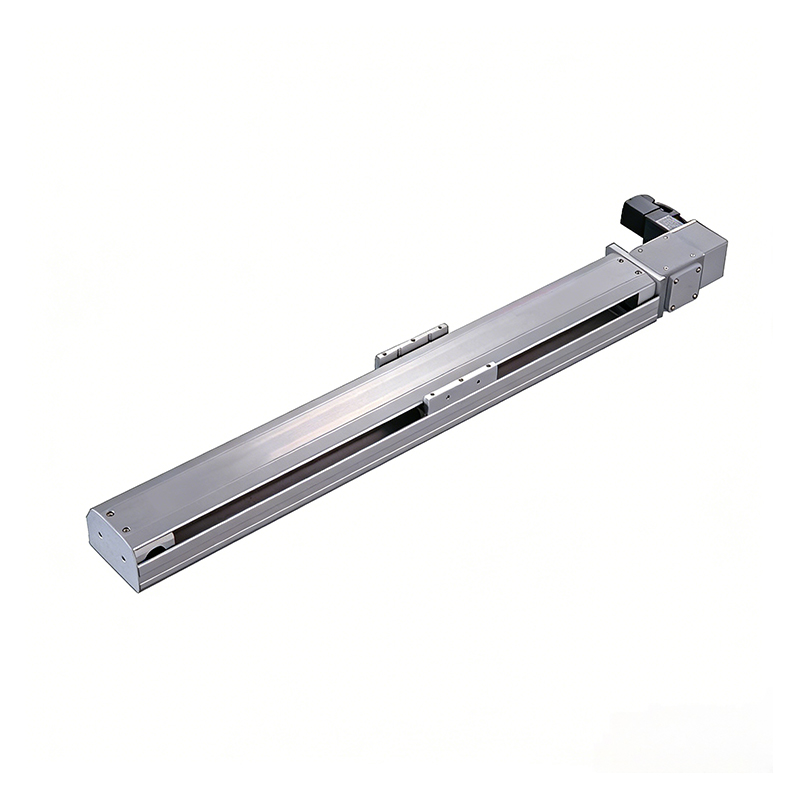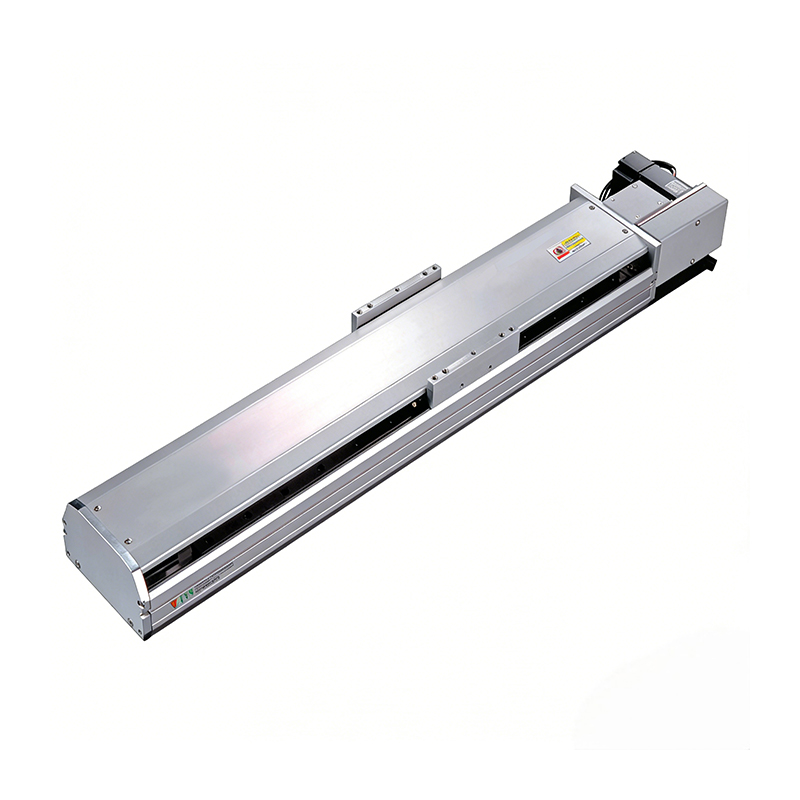
Belt Driven Linear Module Custom

Home / Products / Linear Motion Module / Belt Driven Linear Module

About Us
Suzhou Tongyousheng Electronic Technology Co., Ltd.

Suzhou Tongyousheng Electronic Technology Co., Ltd. is a leading high-tech enterprise integrating R&D, production and sales, specializing in the design, manufacturing and distribution of premium automation equipment and components—including electric cylinders, linear slide modules, linear motor modules, servo presses, robotic 7th axes, and six-degree-of-freedom platforms.

As China Belt Driven Linear Module Manufacturers and Belt Driven Linear Module Suppliers, we recognize technological innovation as the cornerstone of sustainable growth. Our R&D team, composed of industry veterans with deep technical expertise and extensive hands-on experience, serves as the engine driving our continuous progress. By pushing technical boundaries, accelerating product iteration, and pioneering industry advancements, we have secured a portfolio of core patents that underscore our leadership in automation and deliver a decisive competitive edge. We further reinforce our capabilities with state-of-the-art R&D tools, professional design software, and high-precision CNC machining centers, ensuring every development effort is backed by world-class resources.

Through years of relentless exploration and execution, Tongyousheng has established itself as an industry benchmark, renowned for its robust R&D, cutting-edge products, and uncompromising quality. We are dedicated to advancing the Industry 4.0 revolution, collaborating with state-owned enterprises, defense technology institutions, and top-tier universities to build a deeply integrated ecosystem of industry, academia, and research—pushing the frontiers of intelligent manufacturing together. At the heart of our mission is a commitment to delivering automation solutions that are intuitive to operate, highly efficient, ultra-reliable, and cost-effective. Every product we create is a reflection of our technical ingenuity and a direct response to our customers' evolving needs.


Certificate Of Honor
  • ISO 9001:2015 Certificate
  • High-tech Enterprise Certificate
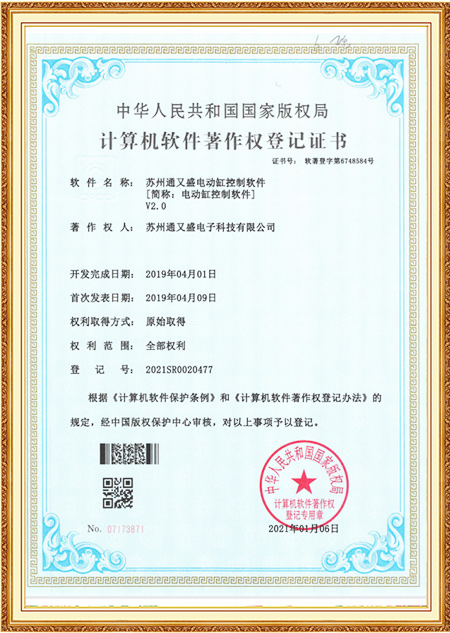
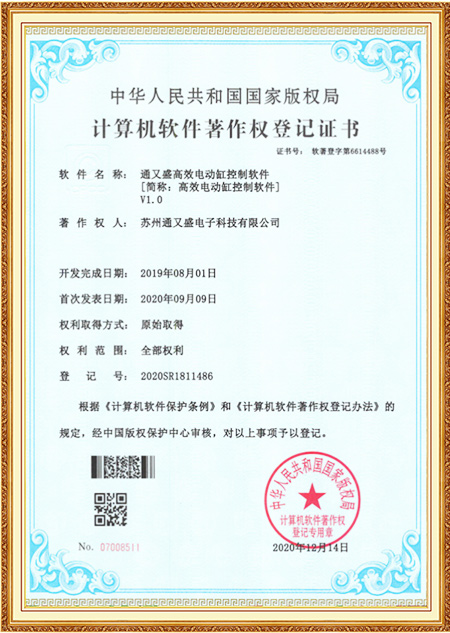
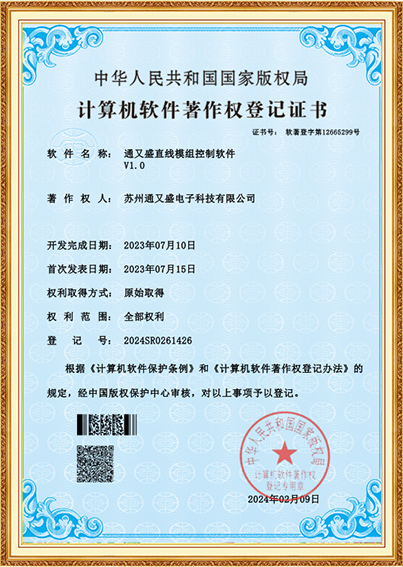
  • Copyright Certificate
  • Copyright Certificate
  • Software Copyright Certificate
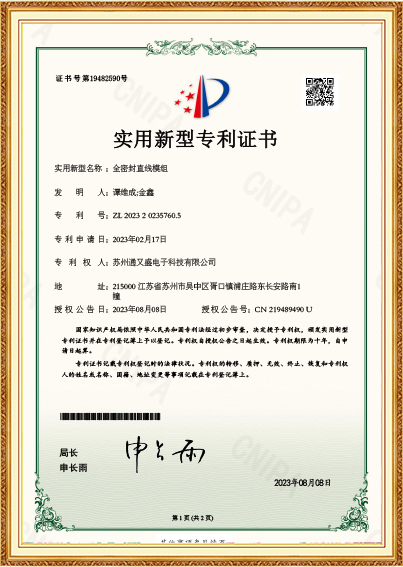
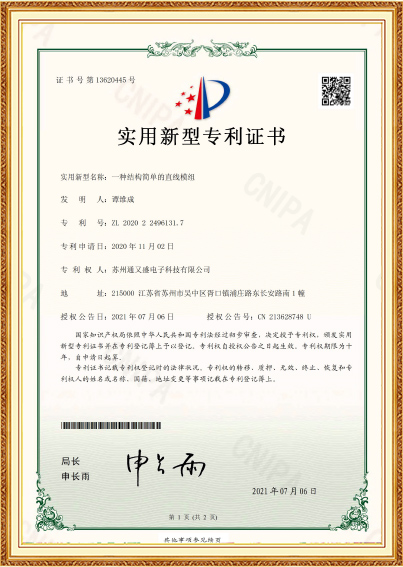
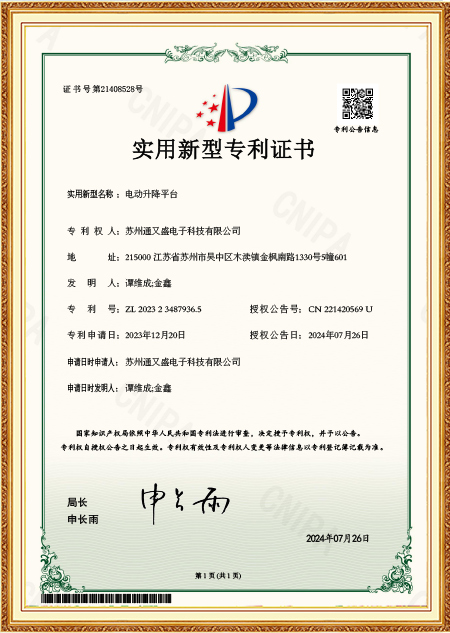
  • Patent Certificate
  • Patent Certificate
  • Patent Certificate
Message Feedback
Blog
Belt Driven Linear Module Industry knowledge

Belt Driven Linear Module: Why Tension Setting and Pulley Bore Machining Decide More Than the Datasheet Suggests

A high-speed labeling station running at roughly 180 cycles per minute developed a strange intermittent fault about three months after installation — the label applicator would occasionally land a millimeter off target, always in the same direction, and always after the axis had been running for a while rather than right at startup. Belt tension had been set correctly at commissioning and hadn't visibly loosened. The actual cause turned out to be a combination the commissioning checklist hadn't covered: as the belt warmed up under sustained high-speed cycling, its effective tension dropped slightly from thermal relaxation in the reinforcing cords, and that small tension loss was just enough to let the belt skip a fraction of a tooth pitch at the moment of peak deceleration.

Why Tension Isn't a "Set It Once" Parameter on a Belt-Driven Linear Module

Belt tension on a belt driven linear module has to resist two different things at once — the static pull needed to keep teeth properly meshed with the pulley, and the dynamic load spikes generated every time the carriage accelerates or decelerates. Set tension too low and the belt can skip teeth under a hard deceleration, producing exactly the kind of intermittent, direction-consistent position error the labeling station experienced. Set it too high and the added load accelerates bearing wear on the pulley shafts and increases the power the motor needs just to overcome internal friction, quietly eating into the module's rated duty cycle life.

Under-tensioned belt Risks tooth skip during hard deceleration, showing up as a position error right at the reversal point
Properly tensioned belt Keeps mesh engagement consistent, so the stop position stays repeatable cycle after cycle
Over-tensioned belt Raises bearing load and motor current, wearing the pulley shaft faster than a correctly set belt would

The Thermal Variable Most Commissioning Checklists Skip

Belt tension measured cold, right after installation, doesn't necessarily represent tension after two hours of continuous operation. Reinforcing cords inside the belt — typically steel or fiberglass strands embedded in a polyurethane or neoprene body — relax slightly as they warm from repeated flexing at the pulleys, and that relaxation shows up as a small drop in effective tension. On a slow-cycling axis this barely matters, but on a high-speed reciprocating application running near its rated frequency for hours at a stretch, the cumulative effect can be enough to shift a belt from adequately tensioned to marginal, which is exactly what happened on the labeling station once the shift ran long enough for the belt to reach steady-state operating temperature.

Where Pulley Bore Machining Enters a Problem That Looks Like a Tension Issue

Retensioning the labeling station's belt reduced the fault frequency but didn't eliminate it entirely, which pointed toward a second contributing factor: pulley bore concentricity. A pulley bore that's slightly off-center relative to its shaft introduces a small cyclical variation in effective belt tension once per revolution, since the belt sees a marginally longer or shorter wrap path depending on where the pulley sits in its rotation. This kind of runout doesn't show up on a static tension check taken at a single pulley position — it only reveals itself as the pulley rotates through a full cycle, which is why it's easy to miss during a standard commissioning inspection.

Bore concentricity within tight tolerance Tension stays consistent no matter where the pulley sits during a static check
Moderate bore runout Introduces a small once-per-revolution tension fluctuation that can still pass a single-point static check
Excessive bore runout Produces a noticeable tension swing and intermittent tooth engagement issues, only detectable by rotating the pulley through a full turn

Boring and Balancing as Two Separate Machining Steps

Getting pulley bore concentricity right isn't purely a matter of a single precision boring pass — it also depends on how the pulley is held during that operation. A pulley bored while clamped in a chuck that itself has runout will transfer that runout into the finished bore regardless of how accurate the boring tool itself is, which is why fixture repeatability matters as much as the cutting operation. After boring, a dynamic balance check at the pulley's actual operating speed catches a different but related problem — mass imbalance that wouldn't affect a static tension reading at all but would introduce vibration-driven tension fluctuation once the pulley is spinning at production speed.

What Changed on the Replacement Units

Suzhou Tongyousheng Electronic Technology Co., Ltd. checks pulley bore runout against the shaft centerline as a rotating measurement rather than a single static reading, and runs a dynamic balance check at the pulley's rated operating speed before it goes into final assembly — catching exactly the kind of once-per-revolution tension variation that a static inspection would have missed on the labeling station's original pulleys. The replacement units also specified a belt tension setpoint calculated against the axis's actual steady-state operating temperature rather than the cold, as-installed reading, closing the gap that had let thermal relaxation push tension into marginal territory during long production runs.

What This Means for a Buyer Specifying a Similar High-Speed Application

A buyer sourcing a belt driven linear module for a high-frequency reciprocating axis can ask a supplier whether tension setpoints account for thermal relaxation under sustained operation or only reflect a cold, as-installed measurement. A second, related question worth raising is whether pulley bore concentricity is verified through a full rotation rather than a single static check, since runout at one fixed position can pass inspection while still leaving a once-per-revolution tension swing undetected once the axis is running at production speed.