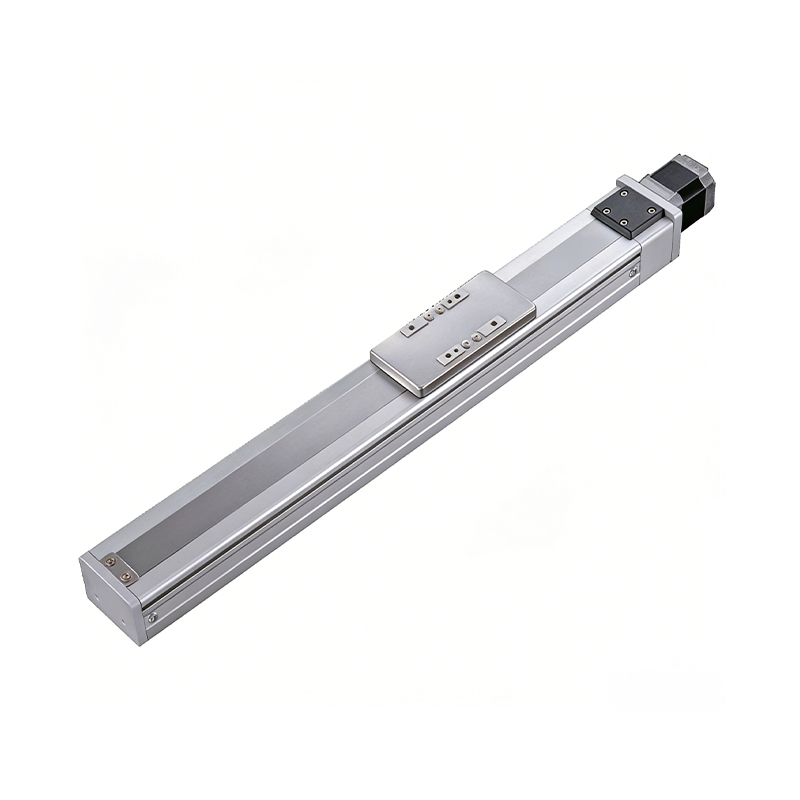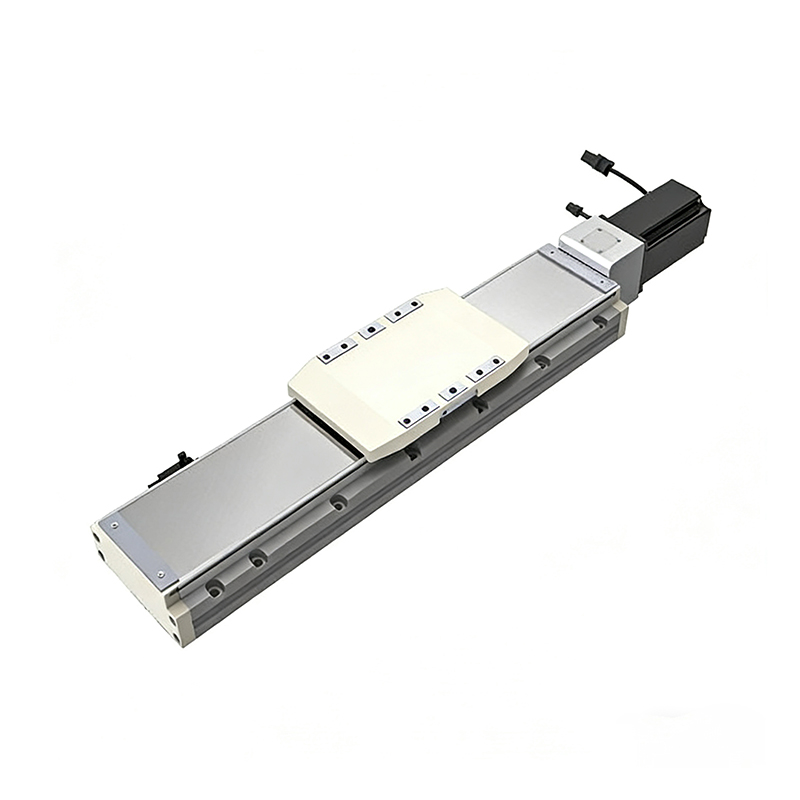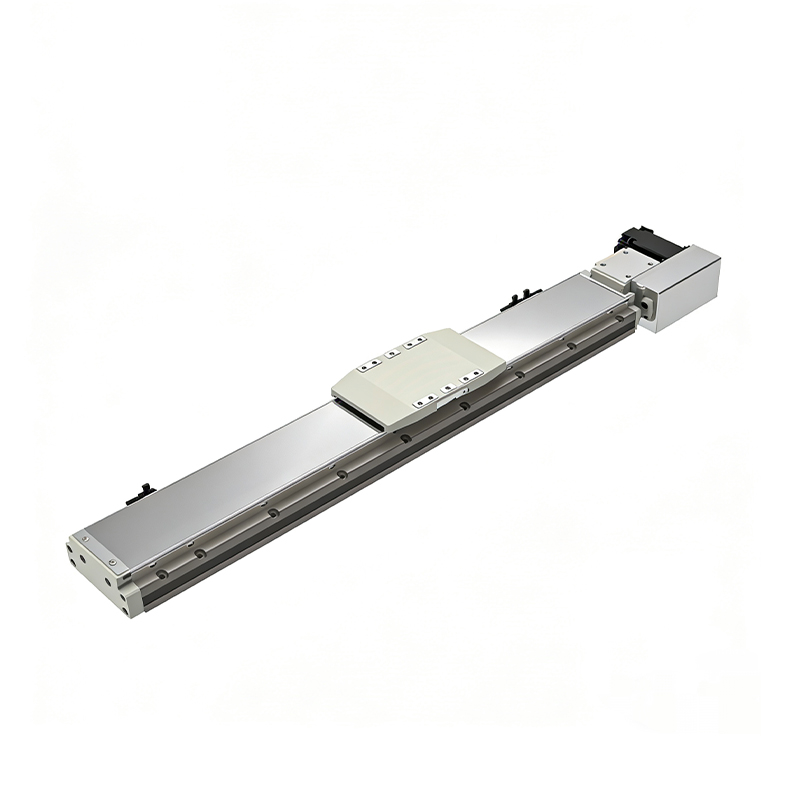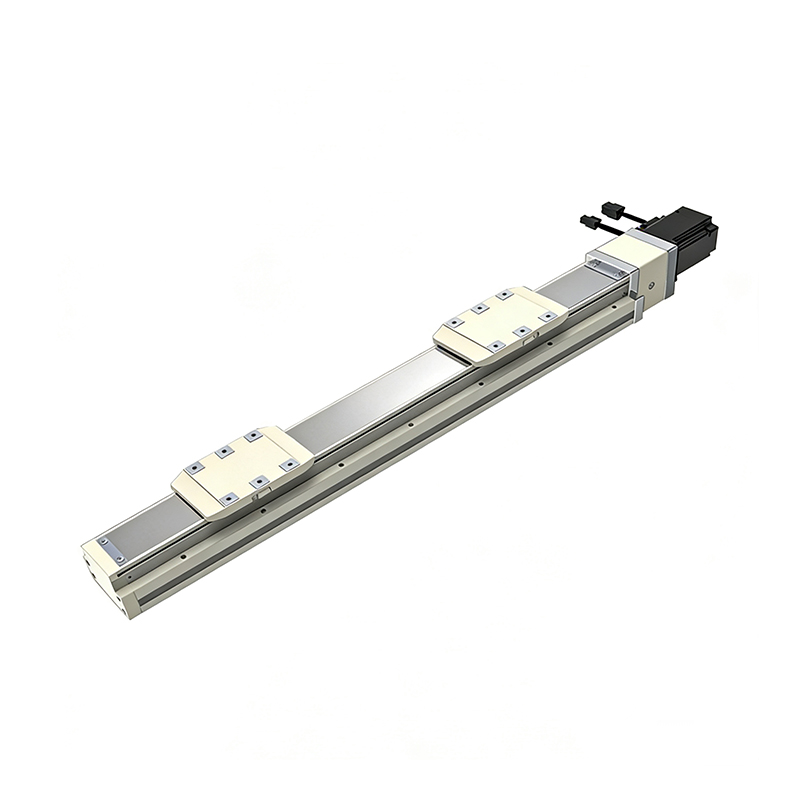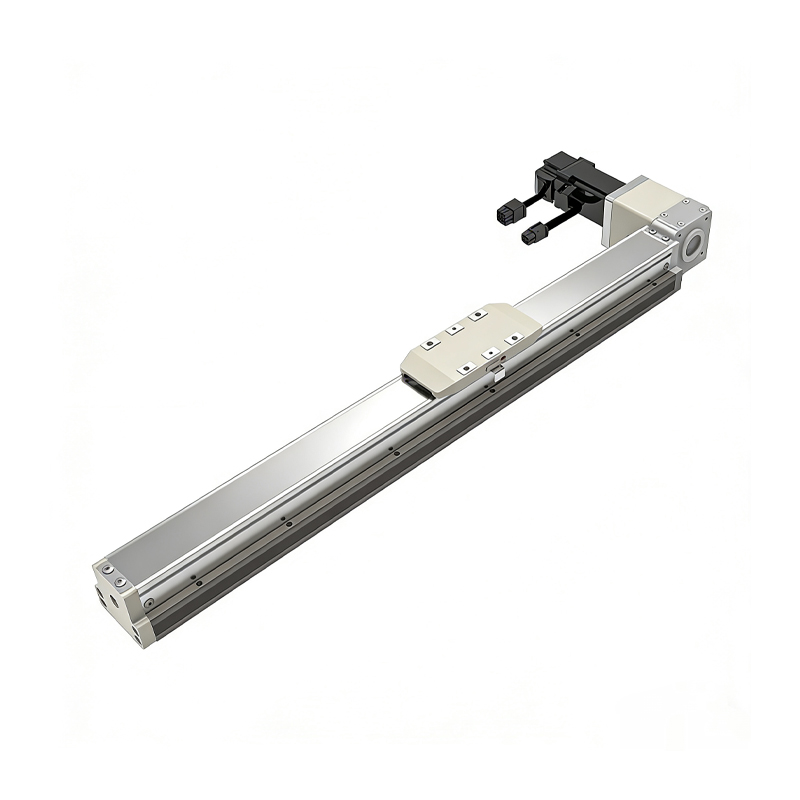
Rail-Embedded Linear Module Custom

Home / Products / Linear Motion Module / Rail-Embedded Linear Module

About Us
Suzhou Tongyousheng Electronic Technology Co., Ltd.

Suzhou Tongyousheng Electronic Technology Co., Ltd. is a leading high-tech enterprise integrating R&D, production and sales, specializing in the design, manufacturing and distribution of premium automation equipment and components—including electric cylinders, linear slide modules, linear motor modules, servo presses, robotic 7th axes, and six-degree-of-freedom platforms.

As China Rail-Embedded Linear Module Manufacturers and Rail-Embedded Linear Module Suppliers, we recognize technological innovation as the cornerstone of sustainable growth. Our R&D team, composed of industry veterans with deep technical expertise and extensive hands-on experience, serves as the engine driving our continuous progress. By pushing technical boundaries, accelerating product iteration, and pioneering industry advancements, we have secured a portfolio of core patents that underscore our leadership in automation and deliver a decisive competitive edge. We further reinforce our capabilities with state-of-the-art R&D tools, professional design software, and high-precision CNC machining centers, ensuring every development effort is backed by world-class resources.

Through years of relentless exploration and execution, Tongyousheng has established itself as an industry benchmark, renowned for its robust R&D, cutting-edge products, and uncompromising quality. We are dedicated to advancing the Industry 4.0 revolution, collaborating with state-owned enterprises, defense technology institutions, and top-tier universities to build a deeply integrated ecosystem of industry, academia, and research—pushing the frontiers of intelligent manufacturing together. At the heart of our mission is a commitment to delivering automation solutions that are intuitive to operate, highly efficient, ultra-reliable, and cost-effective. Every product we create is a reflection of our technical ingenuity and a direct response to our customers' evolving needs.

Certificate Of Honor
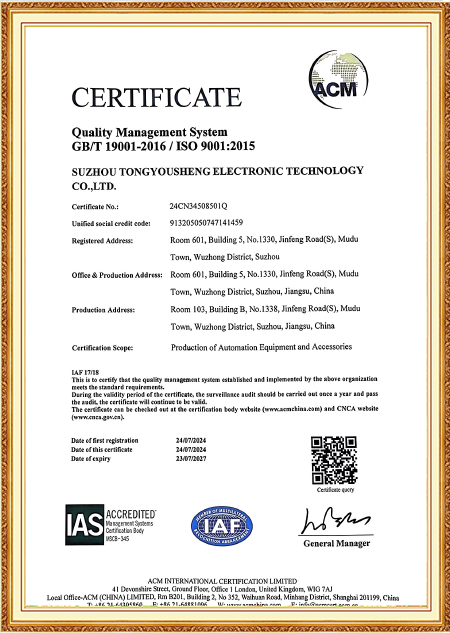
  • ISO 9001:2015 Certificate
  • High-tech Enterprise Certificate
  • Copyright Certificate
  • Copyright Certificate
  • Software Copyright Certificate
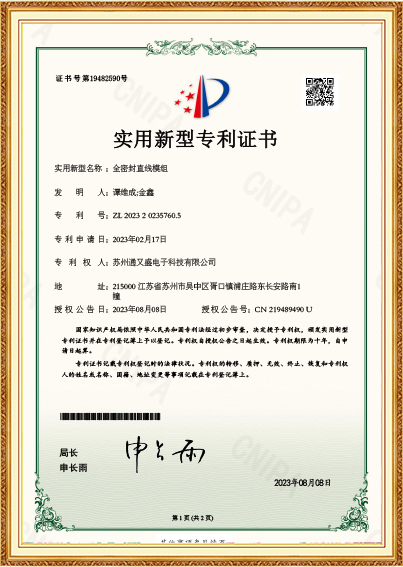
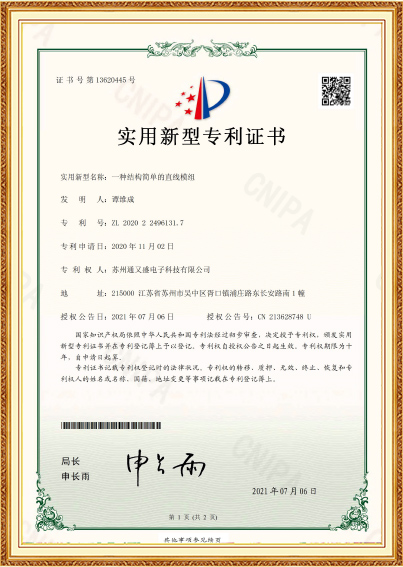
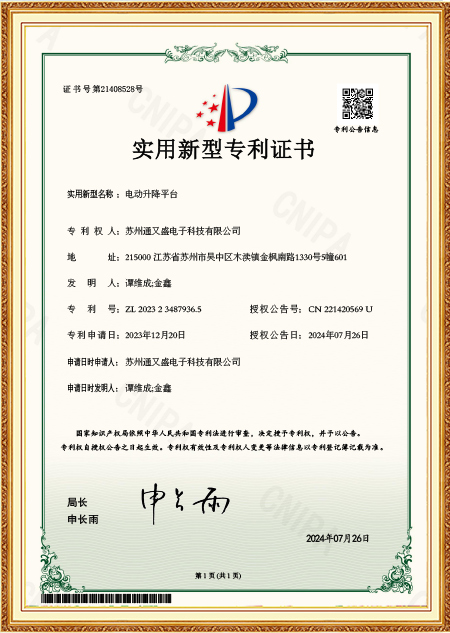
  • Patent Certificate
  • Patent Certificate
  • Patent Certificate
Message Feedback
Blog
Rail-Embedded Linear Module Industry knowledge

Rail Embedded Linear Module: Why Off-Center Loads Reveal What Bore Machining Can't Hide

A palletizing cell running a heavy-duty transfer axis started showing a strange wear pattern on one side of its guide rail after about eight months of continuous three-shift operation — the load side of the rail had visibly more polish and micro-scoring than the opposite face, even though the mounted load was supposed to sit centered on the carriage. It turned out the load wasn't actually centered; a slight offset in the gripper's mounting bracket had been shifting the effective load point toward one edge of the rail embedded linear module the whole time, and the module's guide structure had been absorbing that imbalance without any obvious symptom until the wear became visible.

What "Embedded Rail" Actually Changes Mechanically

In a rail embedded linear module, the guide rail sits recessed into the base structure rather than bolted on top of a flat mounting surface, which changes how the module reacts to a load that isn't centered. A surface-mounted rail relies almost entirely on the bolt pattern and the mounting surface's flatness to resist a moment load trying to tip the carriage sideways. An embedded rail gets additional support from the surrounding base material itself, since the rail sits inside a machined channel rather than sitting on top of it — the channel walls share some of the side-loading that would otherwise concentrate entirely on the rail's own mounting screws.

Centered load at moderate speed Wear stays even across the rail width on both surface-mounted and embedded designs
Off-center load around a 10-15% offset Surface-mounted rails show uneven wear and increased screw stress, while embedded rails distribute more of that side load through the channel wall
Off-center load beyond a 20% offset Surface-mounted rails accelerate one-side wear and risk screw loosening; embedded rails still show measurable one-side wear, but at a reduced rate

Why This Matters More at High Load Than the Datasheet Number Suggests

A module's rated load capacity is usually tested with the load applied at or near the geometric center of the carriage, which means two modules with identical rated capacity can behave very differently once a real application introduces even a modest offset — a gripper, a fixture bracket, or an asymmetric part all shift the effective load point without necessarily changing the total weight. The embedded rail's channel-wall support becomes more relevant precisely in these off-center scenarios, since it's absorbing part of a moment load that a surface-mounted design would push entirely onto its fastening hardware.

Where CNC Machining Enters the Channel Geometry Problem

The channel that the rail sits inside has to be machined to a specific width and depth tolerance for the embedded design to deliver its side-load advantage — if the channel is cut fractionally too wide, the rail sits with play inside it and loses much of the wall-contact support that distinguishes an embedded design from a surface-mounted one in the first place. Too narrow, and the rail can't seat properly without induced stress that shows up later as premature wear at specific points along its length, similar to what happened on the palletizing cell's guide rail before the offset was traced back to its actual source.

Batch Consistency in Channel Machining

A single channel cut on a well-maintained CNC line can hold tight tolerance without much difficulty, but a batch of modules destined for a multi-axis gantry raises a different question — does channel width stay consistent from the first base machined that week to the fiftieth, especially across a shift change or a tool swap partway through the run. Tool wear on the milling cutter used to rough out the channel changes cutting force gradually, and if channel width isn't sampled at intervals through a production run, a slow drift can leave later units in a batch with a slightly looser or tighter channel fit than the units machined earlier in the same week.

Channel fit within design tolerance Channel walls share side load as intended, keeping wear even
Channel slightly wide, rail has play Wall contact drops off, pushing more load onto the fasteners instead
Channel slightly narrow, rail under stress Induces internal stress and raises the risk of localized premature wear

How a Manufacturer Catches Channel Drift Before It Reaches a Customer

Suzhou Tongyousheng Electronic Technology Co., Ltd. samples channel width at set intervals through a production run rather than relying on a single measurement at the start of a batch, which catches a slowly drifting cutter before it produces a run of bases with inconsistent rail fit — the kind of drift that wouldn't show up as an obvious defect on any individual unit but would eventually surface as the uneven wear pattern the palletizing cell experienced.

Reading This Back Into an Actual Application Decision

A buyer specifying a rail embedded linear module for a heavy or asymmetric load application benefits from asking two separate questions rather than treating channel machining and load rating as one topic: first, whether the module's rated capacity was tested at a centered load point or against a documented offset condition closer to the actual application; second, whether channel width is sample-checked across a production batch or only verified on a first-article basis. The palletizing cell's wear problem traced back to both factors at once — an unaccounted-for load offset in the fixture design, combined with a channel fit that had drifted slightly wide by the time that particular unit came off the line.