How to Reduce Vibration in High-Speed Linear Motion Systems?
As manufacturing equipment continues to operate at higher speeds and tighter positioning tolerances, vibration has become one of the most important factors influencing linear motion performance. Whether the application involves semiconductor production, battery assembly, precision inspection, laser processing, or automated assembly, excessive vibration may affect positioning consistency, product quality, equipment life, and production efficiency. For manufacturers seeking stable high-speed operation, understanding the causes of vibration and applying practical engineering solutions is an important part of machine design.
Why Vibration Becomes More Noticeable at Higher Motion Speeds
When a linear motion system accelerates rapidly, every component experiences greater dynamic forces. Even a small amount of structural deformation or installation deviation can be amplified during high-speed movement. In many cases, vibration is not caused by a single component but by the interaction between the linear motor module, guide rails, machine frame, payload, servo parameters, and motion profile. As travel speed and acceleration increase, these interactions become more sensitive, making system-level optimization essential for maintaining stable motion.
Structural Rigidity Provides the Foundation for Stable Motion
A rigid mechanical structure helps reduce unwanted movement during acceleration and deceleration. If the machine frame or mounting platform lacks sufficient stiffness, it may flex under dynamic loads, introducing additional vibration into the motion system. Selecting suitable structural materials, increasing support strength, and designing stable mounting interfaces all contribute to reducing structural resonance. During equipment development, many engineering teams evaluate the rigidity of the complete mechanical assembly rather than focusing only on the linear motor module itself.
The Influence of Guide Rail Quality and Assembly Accuracy
Guide rails directly affect motion smoothness because they support the moving carriage throughout the travel path. Misalignment, uneven preload, or inaccurate installation may create resistance variations that appear as vibration during operation. Precision machining of mounting surfaces, proper alignment procedures, and careful preload adjustment allow the guide system to move more consistently. High manufacturing accuracy of mechanical components also helps minimize geometric errors that accumulate during long travel distances.
| Mechanical Factor |
Possible Effect on Vibration |
Engineering Consideration |
| Machine Frame Rigidity |
Frame deformation during acceleration |
Increase structural stiffness and support |
| Guide Rail Alignment |
Uneven motion resistance |
Maintain machining and installation accuracy |
| Mounting Surface Flatness |
Additional stress on guide system |
Inspect flatness before installation |
| Moving Mass Distribution |
Higher inertia during motion |
Optimize load arrangement |
Motion Profile Design Can Reduce Mechanical Shock
Acceleration is often a larger contributor to vibration than maximum speed itself. Sudden changes in acceleration create impact forces that travel through the entire mechanical structure. Motion profiles with smoother acceleration transitions allow dynamic forces to build more gradually, reducing excitation of structural resonance. Engineers frequently adjust acceleration curves, jerk control, and deceleration parameters to achieve smoother motion while maintaining production efficiency.
Servo Parameter Optimization Plays an Important Role
The servo control system determines how accurately the motor responds to motion commands. Improper gain settings, excessive response sensitivity, or insufficient damping may produce oscillation during positioning or continuous movement. Careful tuning allows the controller to balance response speed with system stability. Feedforward control, filtering functions, and resonance suppression algorithms can further improve motion smoothness without requiring changes to the mechanical structure.
Payload Distribution Should Match Dynamic Requirements
The position and weight of the payload influence the inertia acting on the moving platform. A heavy load mounted away from the center of gravity increases pitching and rolling moments, especially during rapid acceleration. Designing compact fixtures, lowering the center of gravity, and distributing mass evenly help reduce these dynamic effects. During equipment design, engineers often evaluate both static load capacity and dynamic moment loads to achieve more stable motion.
| Motion Parameter |
Influence on System Stability |
Adjustment Direction |
| Maximum Speed |
Higher dynamic force |
Select according to application requirements |
| Acceleration |
Large effect on vibration generation |
Apply smoother acceleration curves |
| Payload Weight |
Changes system inertia |
Verify load calculations |
| Center of Gravity |
Influences pitching moments |
Keep load balanced whenever possible |
Installation Accuracy Is Often Overlooked
Even high-quality components may not perform as expected if installation accuracy is insufficient. Uneven mounting surfaces, incorrect bolt tightening sequences, or shaft misalignment can introduce internal stress into the system before operation begins. Careful inspection during assembly, precision machining of installation surfaces, and proper alignment procedures reduce unnecessary mechanical loading and contribute to smoother operation throughout the equipment lifecycle.
Environmental Conditions Can Also Influence Vibration
External vibration sources, temperature variation, airborne particles, and cable routing all influence system stability to varying degrees. Equipment installed near stamping machines or heavy processing equipment may experience transmitted floor vibration. Flexible cable management, vibration-isolated machine bases, and stable environmental conditions help maintain consistent positioning accuracy. Long-term operation also benefits from routine inspection to identify changes caused by wear or environmental influence.
Component Manufacturing Consistency Supports Reliable Motion
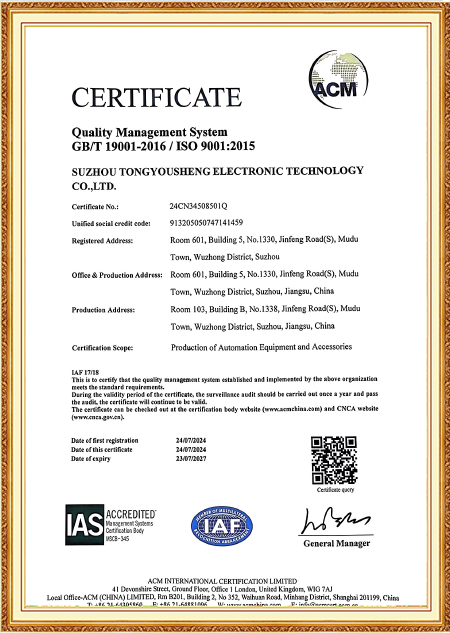
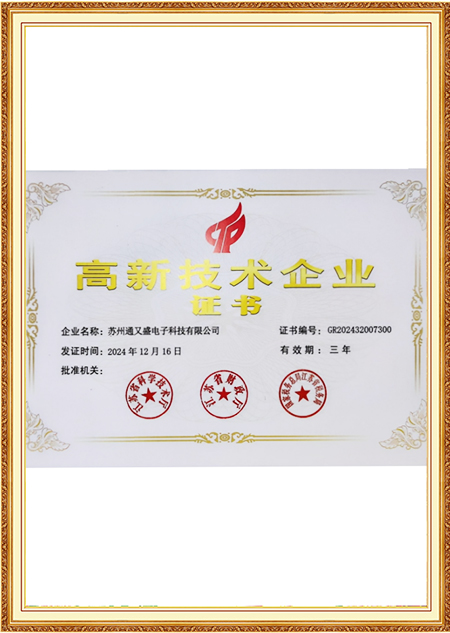
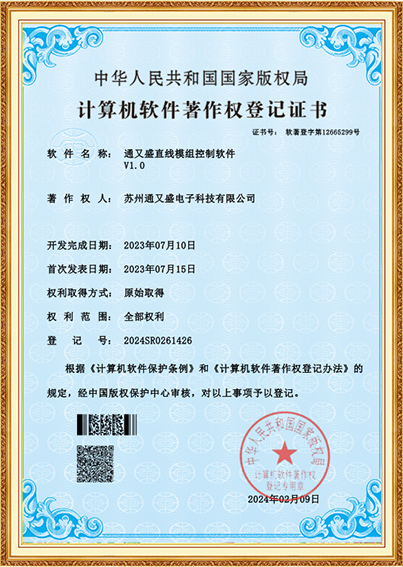
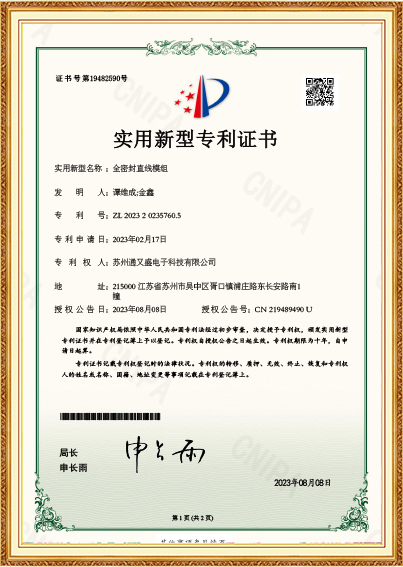
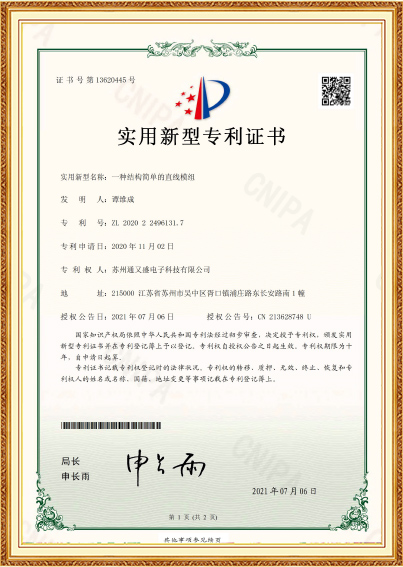
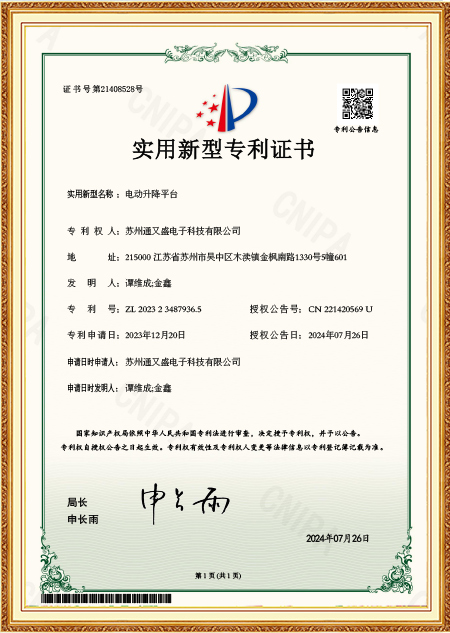
Manufacturing accuracy affects the consistency of every moving component within a linear motion system. Precision machining processes help reduce dimensional variation and improve assembly compatibility between structural components. Companies such as Suzhou Tongyousheng Electronic Technology Co., Ltd. continue investing in research capabilities, professional design resources, and precision CNC machining equipment to improve manufacturing consistency across automation products, supporting applications that require stable high-speed motion.
Selecting an Appropriate Medium Linear Motor Module for the Application
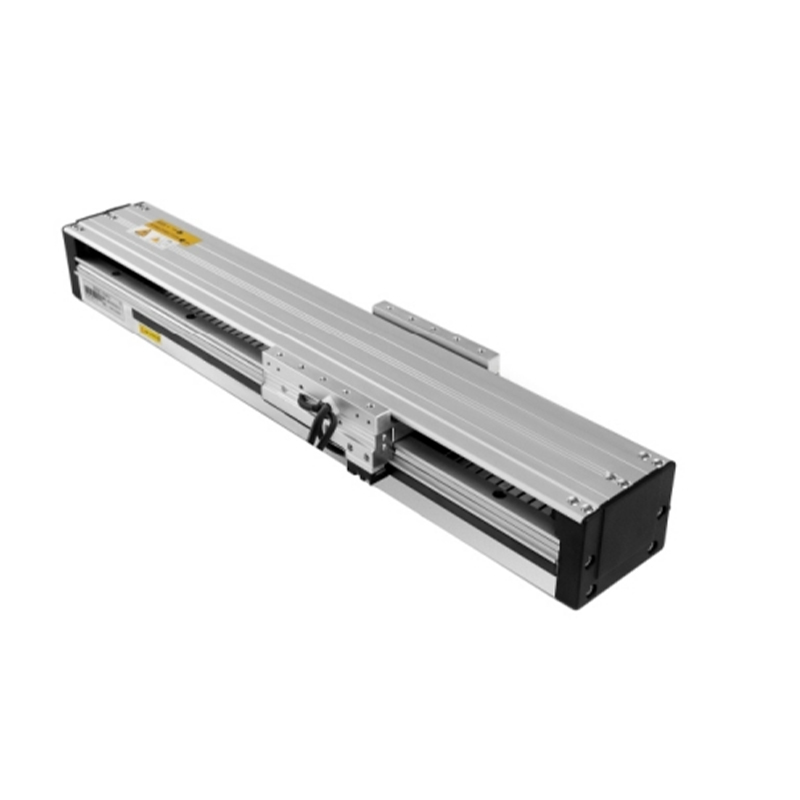
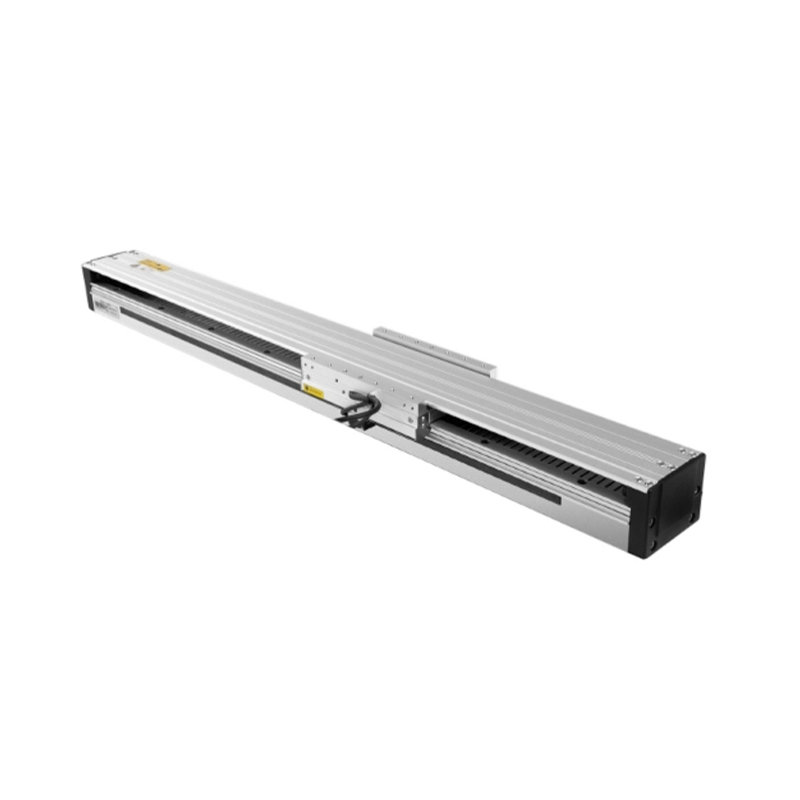
Every automation project has different requirements for travel distance, payload, acceleration, positioning accuracy, and operating environment. Selecting a Medium Linear Motor Module solely according to maximum speed may not provide balanced system performance. Engineers typically evaluate mechanical rigidity, guide configuration, encoder resolution, duty cycle, and integration requirements together before making a final selection. As a medium linear motor module factory and medium linear motor module manufacturer, Suzhou Tongyousheng Electronic Technology Co., Ltd. focuses on combining engineering development with manufacturing experience to provide automation components suitable for various intelligent manufacturing applications while supporting continuous product development through ongoing research and technical innovation.
FAQ
Q: How do I choose the right Medium Linear Motor Module for a high-speed automation project?
A: Selecting a Medium Linear Motor Module requires evaluating travel stroke, payload, maximum speed, acceleration, positioning accuracy, repeatability, installation space, and duty cycle together. Matching these factors with the actual production process helps achieve stable motion and reliable long-term operation. An experienced Medium Linear Motor Module Manufacturer can also provide technical recommendations based on application requirements.
Q: What factors have the greatest impact on the positioning accuracy of a Medium Linear Motor Module?
A: Positioning accuracy is influenced by multiple factors, including guide rail precision, encoder resolution, machine frame rigidity, servo tuning, installation flatness, and thermal stability. High manufacturing accuracy and careful system integration help maintain consistent positioning performance during continuous operation.
Q: Can a Medium Linear Motor Module be customized for different industrial applications?
A: Yes. Many automation projects require customized stroke lengths, mounting interfaces, payload capacities, cable management solutions, or control system compatibility. Companies with in-house R&D and manufacturing capabilities can develop configurations that better match the requirements of industries such as semiconductor equipment, lithium battery production, precision inspection, and automated assembly.
Q: Why is manufacturing capability important when selecting a Medium Linear Motor Module Factory?
A: A qualified Medium Linear Motor Module Factory generally combines engineering design, precision machining, quality inspection, and production management within a complete manufacturing process. This helps improve component consistency and supports stable product quality. Manufacturers that continue investing in research, CNC machining equipment, and product development are often better prepared to support evolving automation requirements.
Q: How does continuous product development benefit users of Medium Linear Motor Modules?
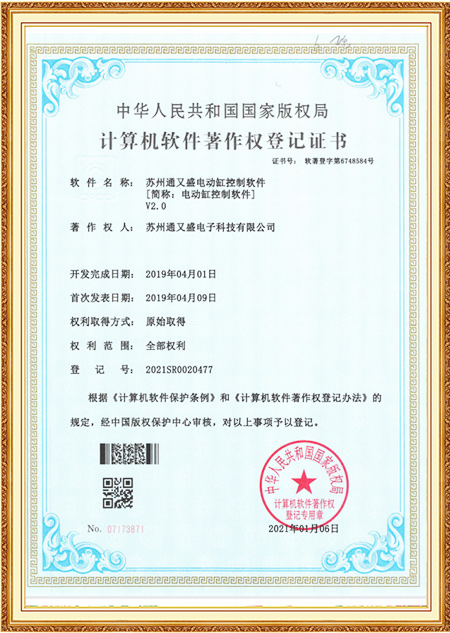
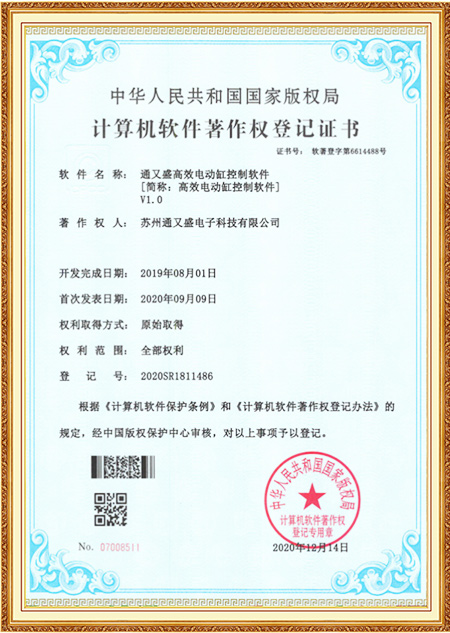
A: Continuous product development allows manufacturers to refine structural design, improve manufacturing processes, and optimize motion performance based on practical application experience. As a company integrating research, production, and sales, Suzhou Tongyousheng Electronic Technology Co., Ltd. continues expanding its automation product portfolio while applying technical innovation to support customers seeking dependable motion solutions for intelligent manufacturing.



 English
 Français
 русский
 عربى
عربى Español
 Deutsch