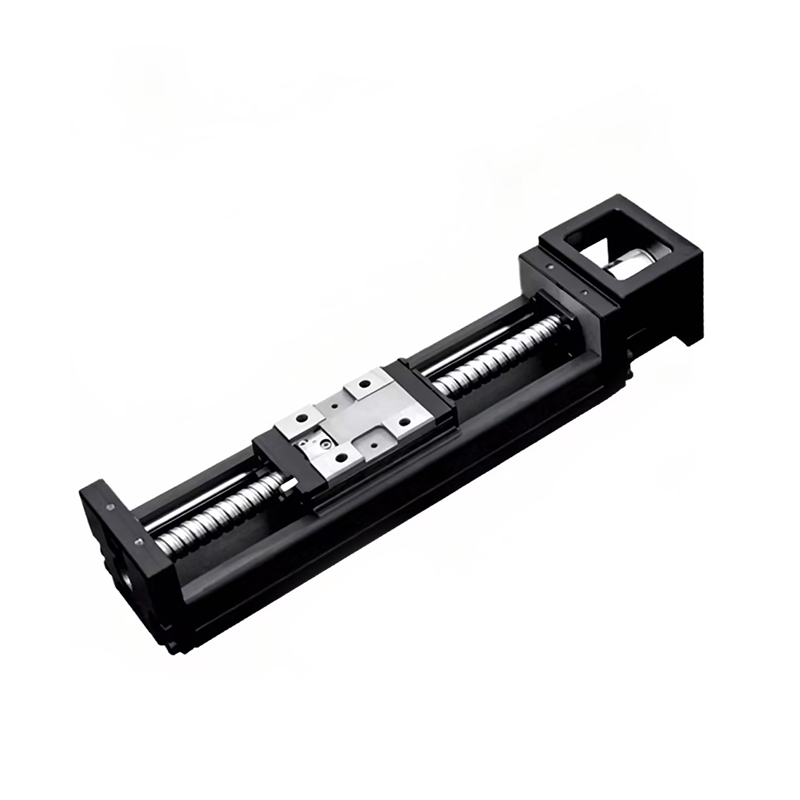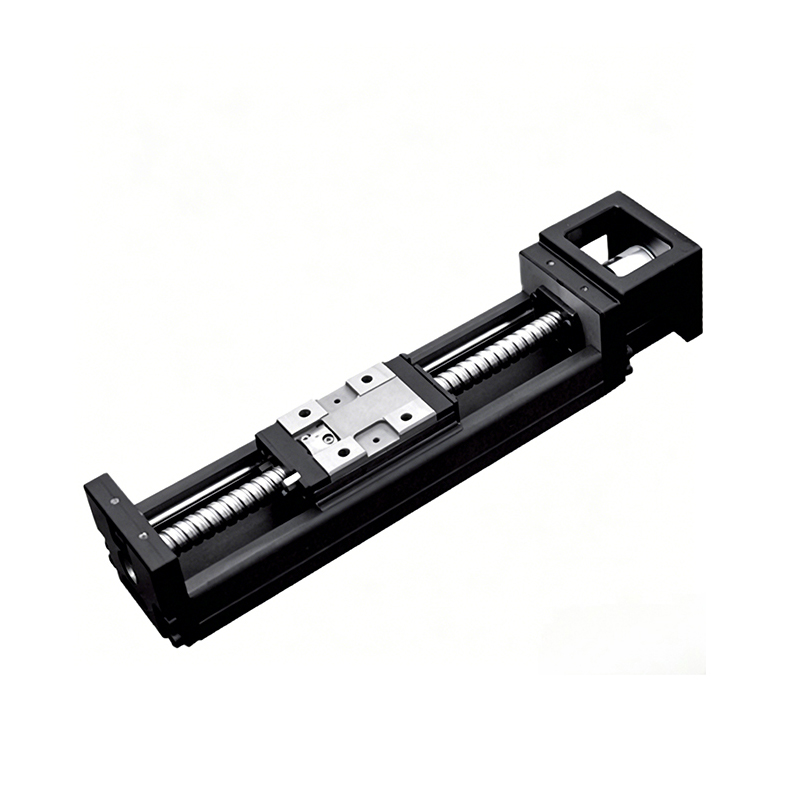
All-Steel Linear Module Custom

Home / Products / Linear Motion Module / All-Steel Linear Module

About Us
Suzhou Tongyousheng Electronic Technology Co., Ltd.

Suzhou Tongyousheng Electronic Technology Co., Ltd. is a leading high-tech enterprise integrating R&D, production and sales, specializing in the design, manufacturing and distribution of premium automation equipment and components—including electric cylinders, linear slide modules, linear motor modules, servo presses, robotic 7th axes, and six-degree-of-freedom platforms.

As China All-Steel Linear Module Manufacturers and All-Steel Linear Module Suppliers, we recognize technological innovation as the cornerstone of sustainable growth. Our R&D team, composed of industry veterans with deep technical expertise and extensive hands-on experience, serves as the engine driving our continuous progress. By pushing technical boundaries, accelerating product iteration, and pioneering industry advancements, we have secured a portfolio of core patents that underscore our leadership in automation and deliver a decisive competitive edge. We further reinforce our capabilities with state-of-the-art R&D tools, professional design software, and high-precision CNC machining centers, ensuring every development effort is backed by world-class resources.

Through years of relentless exploration and execution, Tongyousheng has established itself as an industry benchmark, renowned for its robust R&D, cutting-edge products, and uncompromising quality. We are dedicated to advancing the Industry 4.0 revolution, collaborating with state-owned enterprises, defense technology institutions, and top-tier universities to build a deeply integrated ecosystem of industry, academia, and research—pushing the frontiers of intelligent manufacturing together. At the heart of our mission is a commitment to delivering automation solutions that are intuitive to operate, highly efficient, ultra-reliable, and cost-effective. Every product we create is a reflection of our technical ingenuity and a direct response to our customers' evolving needs.
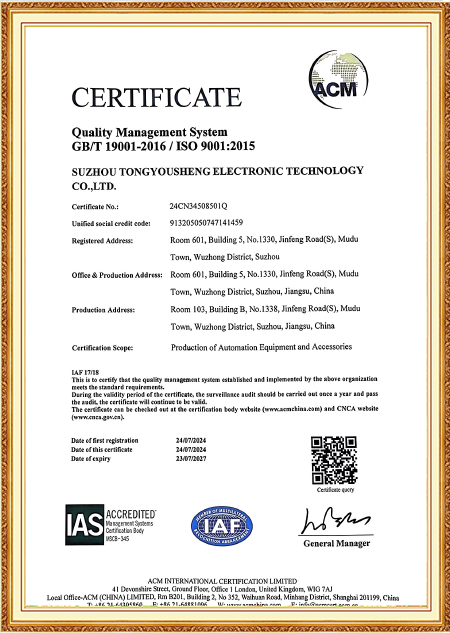

Certificate Of Honor
  • ISO 9001:2015 Certificate
  • High-tech Enterprise Certificate
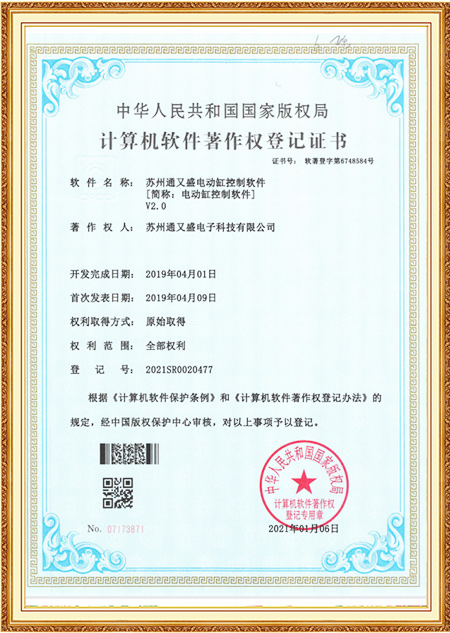
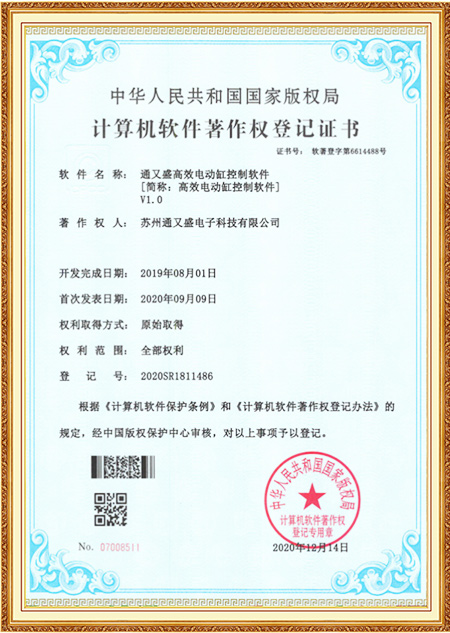
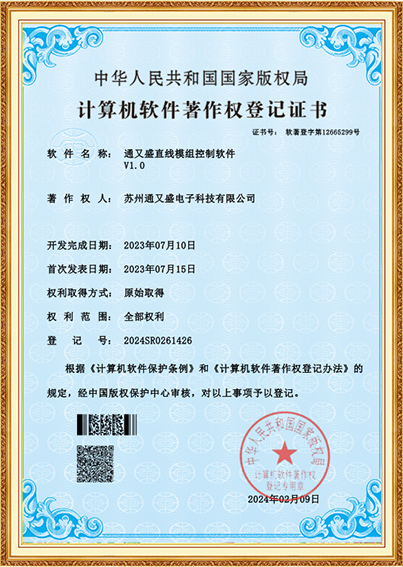
  • Copyright Certificate
  • Copyright Certificate
  • Software Copyright Certificate
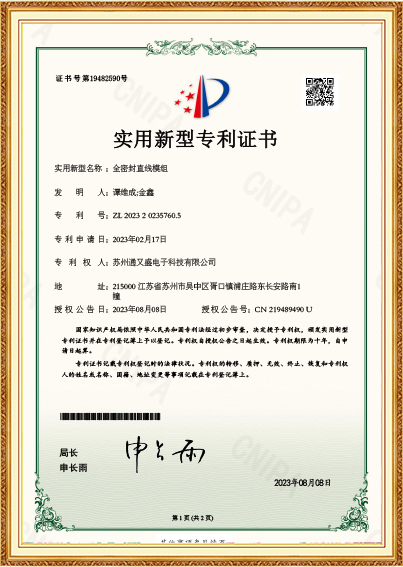
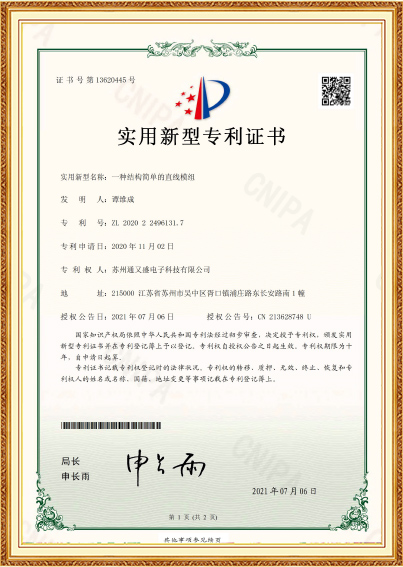
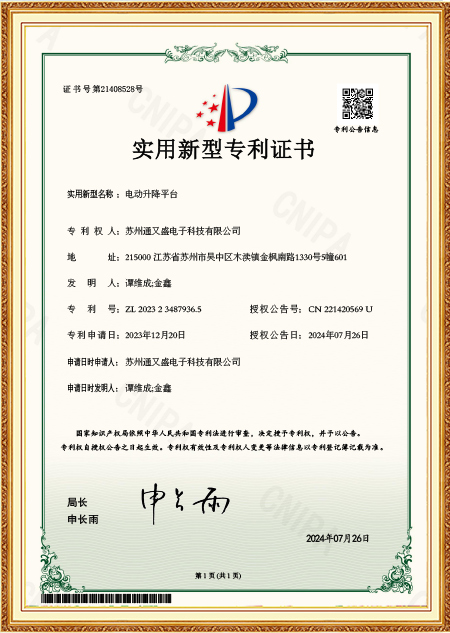
  • Patent Certificate
  • Patent Certificate
  • Patent Certificate
Message Feedback
Blog
All-Steel Linear Module Industry knowledge

All-Steel Linear Module: Rigidity Trade-offs and Large-Tonnage Machining Capability

What Steel Actually Buys You Over an Aluminum Body

Swapping an extruded-aluminum carriage for a steel one changes more than just the weight on the spec sheet. Aluminum alloys used in slide bodies typically sit around 69 GPa in elastic modulus, while structural steel runs closer to 200 GPa — roughly a threefold difference in stiffness for the same cross-section. In practice this means a steel base deflects far less under the same bending or torsional load, which matters most in press-fitting or heavy-handling stations where the carriage sees repeated off-center force rather than a clean, centered load path. An all-steel linear module carrying a die set or a fixture with an offset center of gravity holds its geometry through thousands of cycles in a way that a lighter aluminum equivalent, sized for the same footprint, generally cannot without adding ribs or oversizing the section.

The trade-off shows up on the other side of the ledger. Steel's higher density means more inertia to accelerate and decelerate, so in applications where cycle time and rapid reversal dominate — pick-and-place at high frequency, for instance — the added mass works against servo response and can push motor sizing up a frame. The decision is rarely about one material being categorically better; it comes down to whether the axis lives or dies on load-holding rigidity or on acceleration.

Rigidity and Weight Trade-off by Application Type

Press-fitting or heavy assembly at low cycle rate Steel holds tolerance under repeated off-center loading better than a lighter frame of similar footprint
High-frequency pick-and-place with light payload Added steel mass works against servo acceleration, so a lighter body often wins here
Long unsupported span between intermediate supports Steel resists mid-span sag more consistently than an extruded profile of the same depth

Deflection differences of this kind are usually not something a customer notices at first inspection — they surface weeks into production when a fixture starts drifting out of tolerance under repeated loading, which is why the material choice for an all-steel linear module is often revisited only after a lighter alternative has already shown wear or positioning drift on the shop floor.

The Question Behind the Question: Can the Base Be Machined as One Piece?

Rigidity on paper means little if the steel base itself is built from welded or bolted segments rather than a single block. A welded joint, however well executed, introduces a seam where stiffness drops locally and where residual stress from the weld can cause slow warping over months of thermal cycling. Whether a supplier machines a large steel base as one continuous piece or assembles it from smaller segments depends almost entirely on the tonnage and travel of equipment on their shop floor — a gantry-type CNC center rated for several tons of stock behaves very differently from a smaller three-axis mill limited to shorter table lengths.

Suzhou Tongyousheng Electronic Technology Co., Ltd. runs high-precision CNC machining centers capable of handling large-tonnage steel stock in a single setup, which allows base lengths that would otherwise require segmented joining to be machined and ground as one continuous block. That single-setup approach removes the seam-related stiffness drop associated with welded assembly, though it does not by itself guarantee flatness — thermal stress relief before final grinding still has to be scheduled into the process, since a large steel casting or forging moves slightly as internal stresses redistribute after rough machining.

Machining Approach and What It Means for the Finished Base

A base machined from a single block generally holds flatness tolerance across its full length more consistently than a welded assembly of the same overall dimension, since there is no joint for differential thermal expansion to act on. Segmented construction is not inherently unreliable — plenty of long-travel axes use bolted or dowelled segments successfully — but it shifts the burden onto assembly-stage alignment, and any future rework at a joint has to account for the original stress state of the weld rather than a clean, homogeneous block. For customers specifying an all-steel linear module for a load-critical application, asking directly whether the base is single-piece or segmented, and what stock size the shop's largest machining center can accommodate, tends to reveal more about long-term stability than reviewing the stated tolerance figures alone.

The distinction also affects lead time on oversized or non-standard requests. A shop with large-tonnage single-piece capability can quote a longer base without redesigning the joint layout, while a shop reliant on segmented assembly has to plan the joint locations, dowel positions, and post-assembly grinding sequence before a firm delivery date can even be given — a difference that becomes noticeable once travel lengths move beyond what a standard catalog size covers.