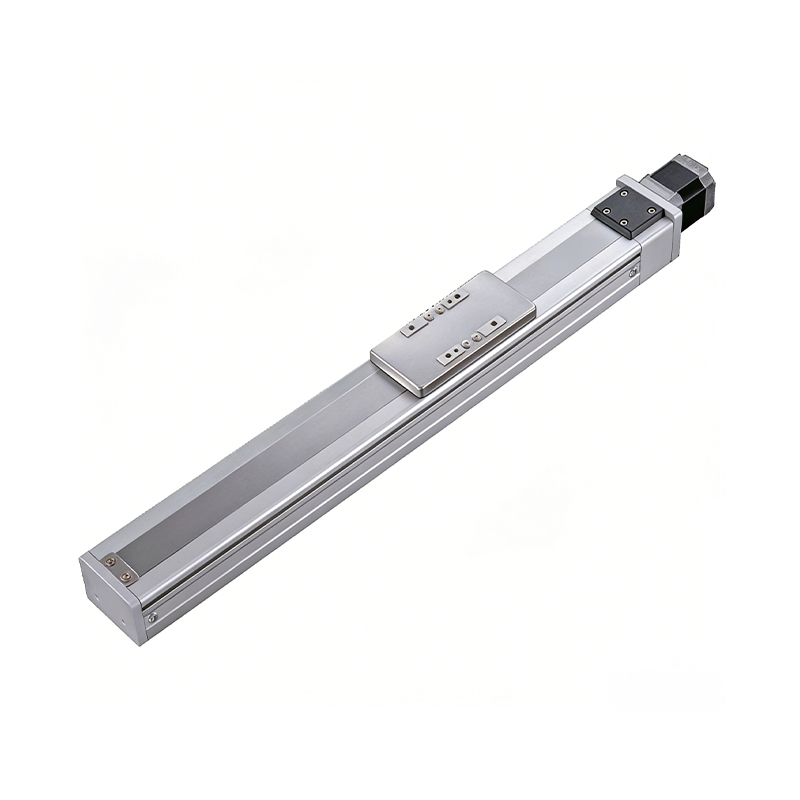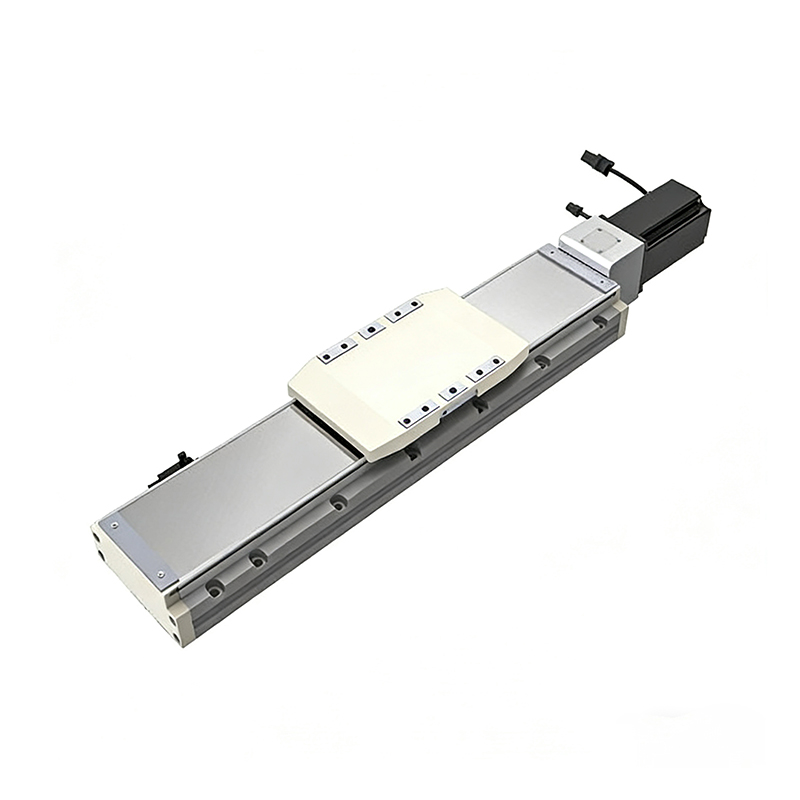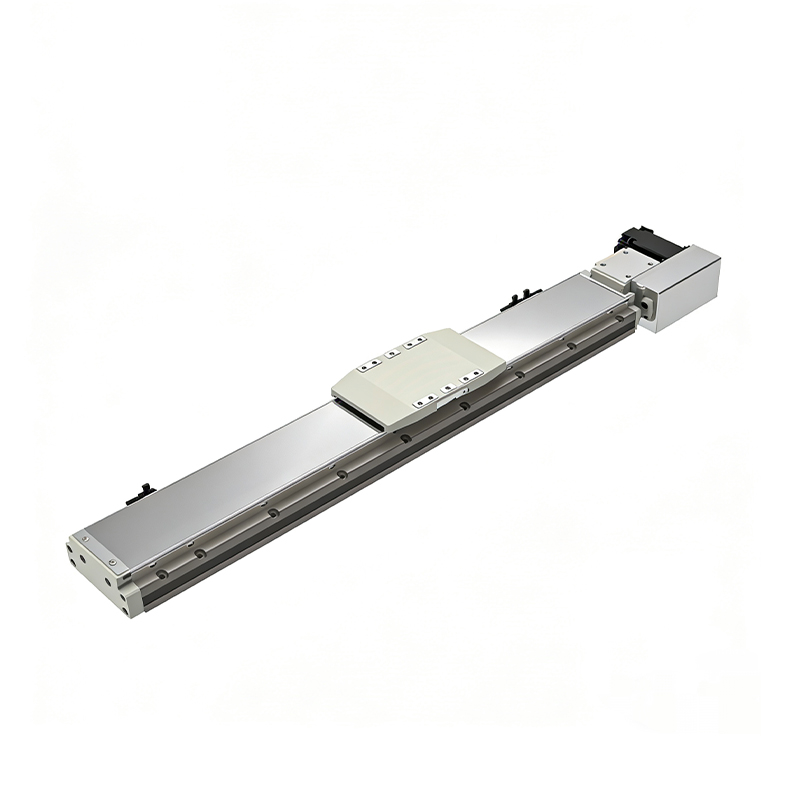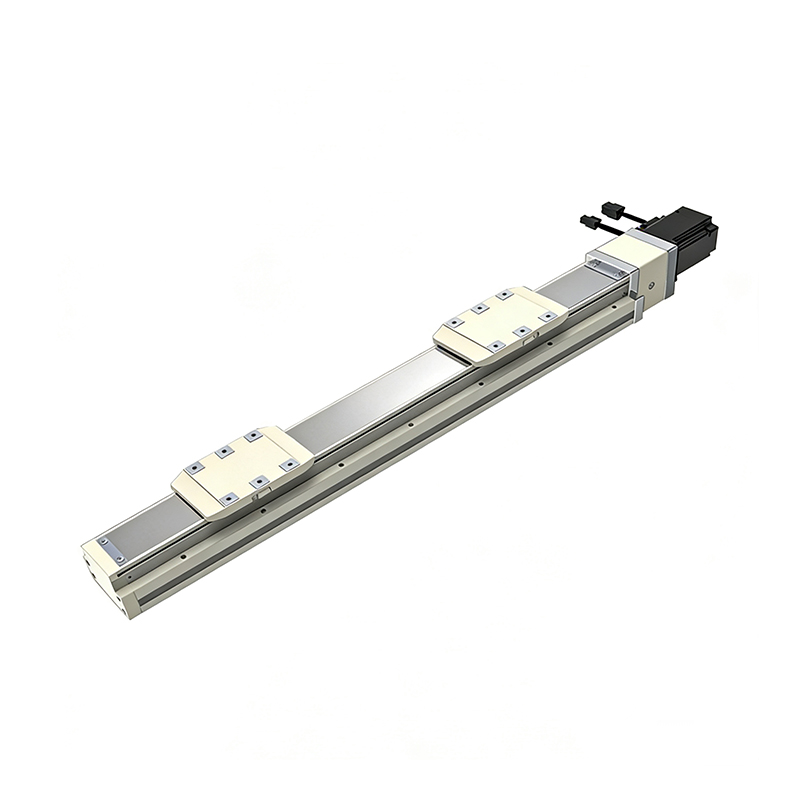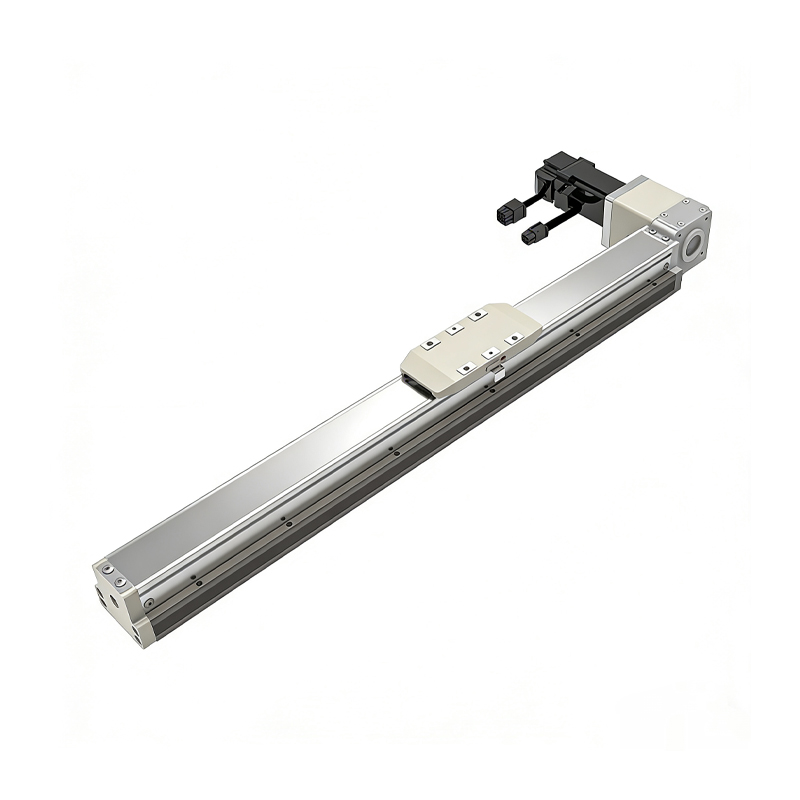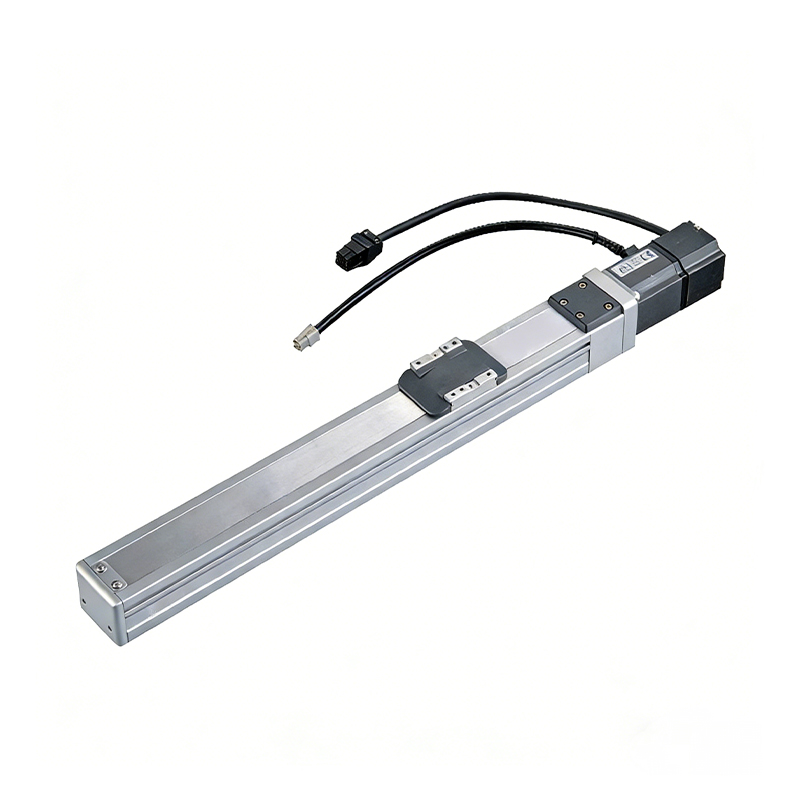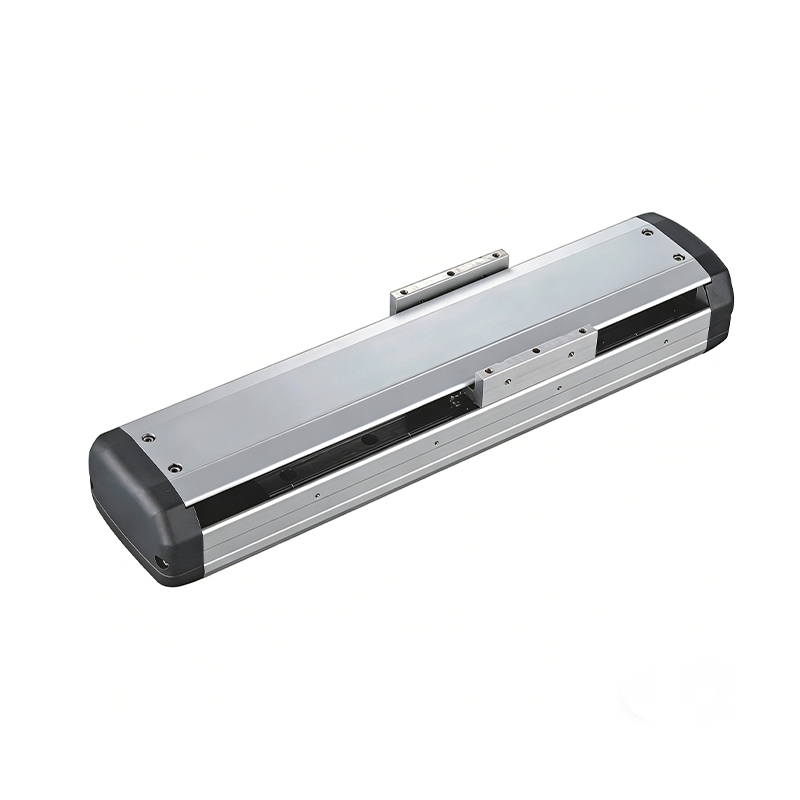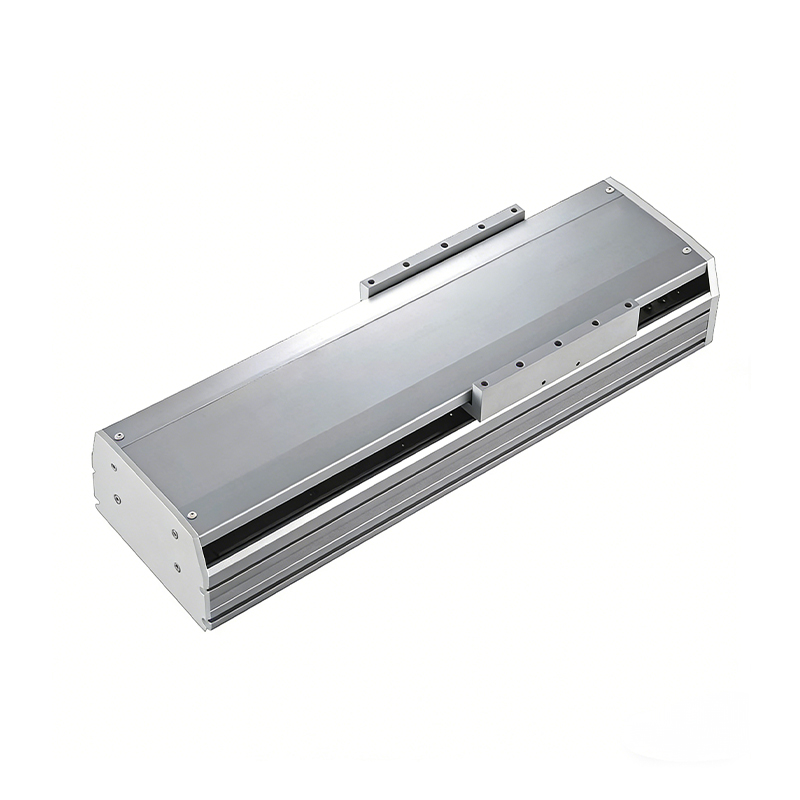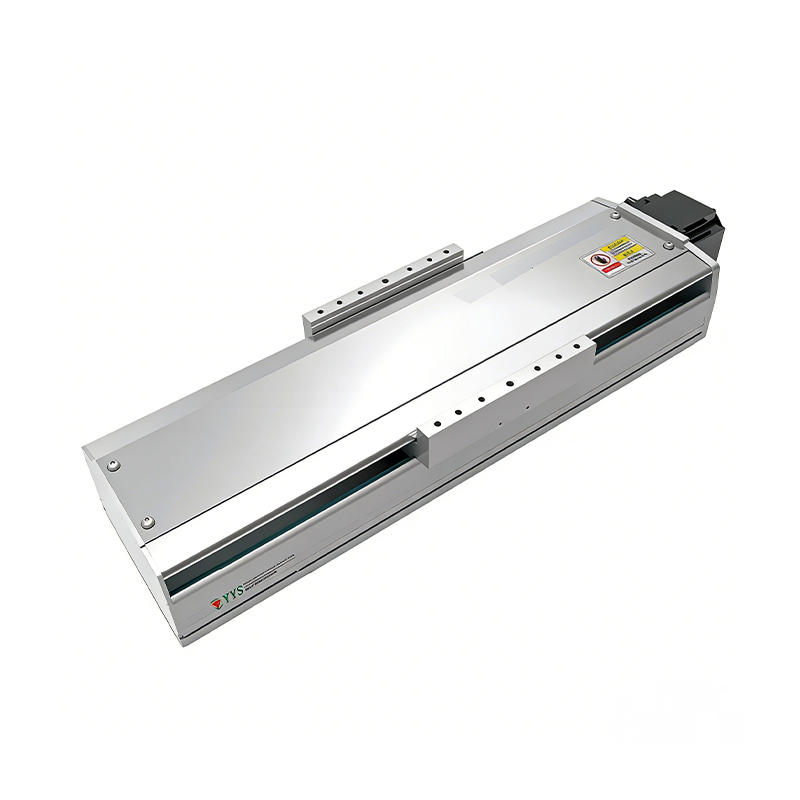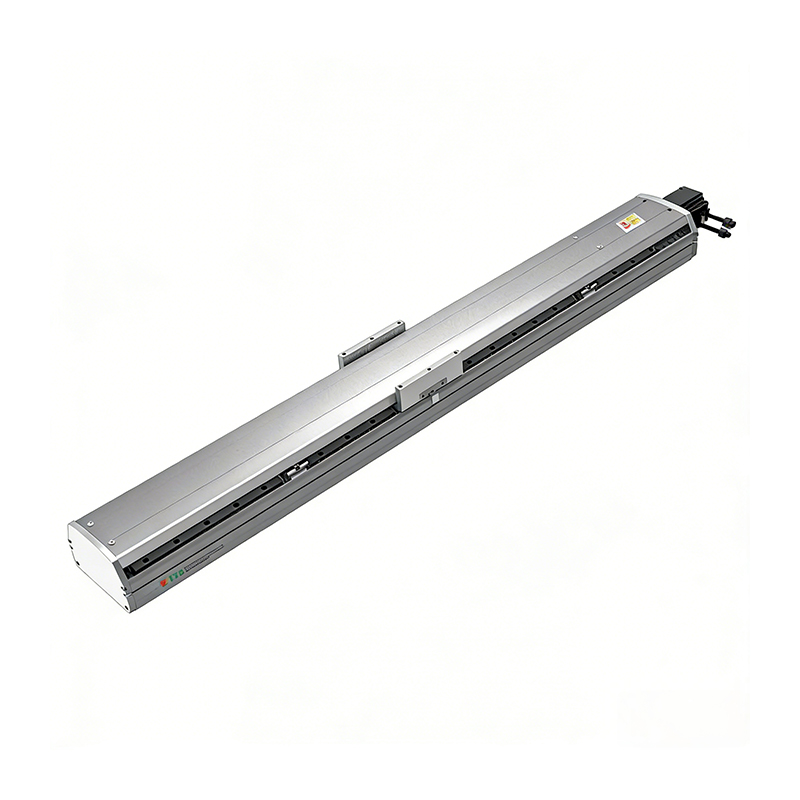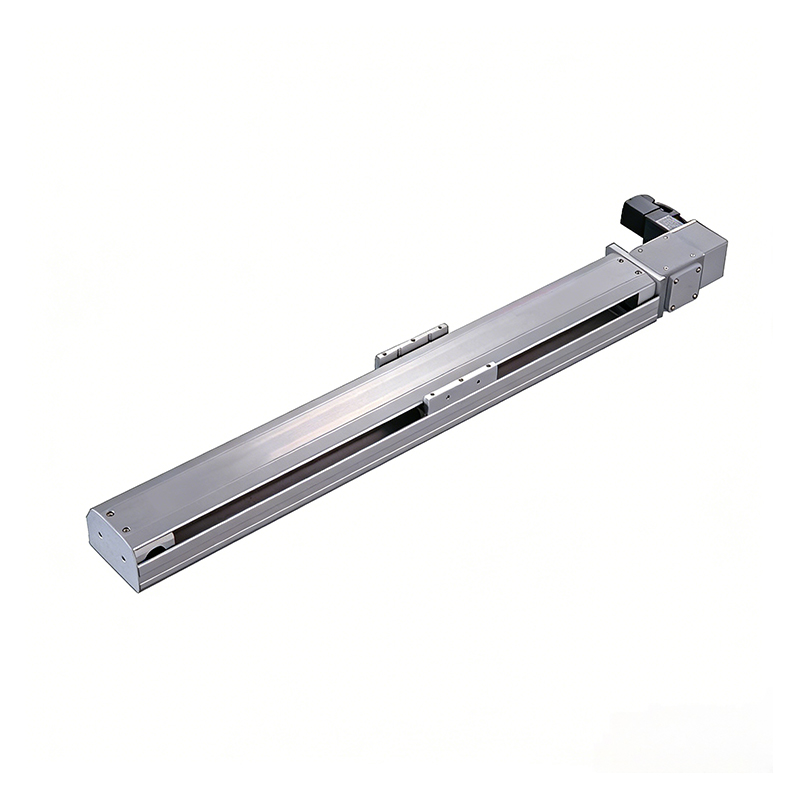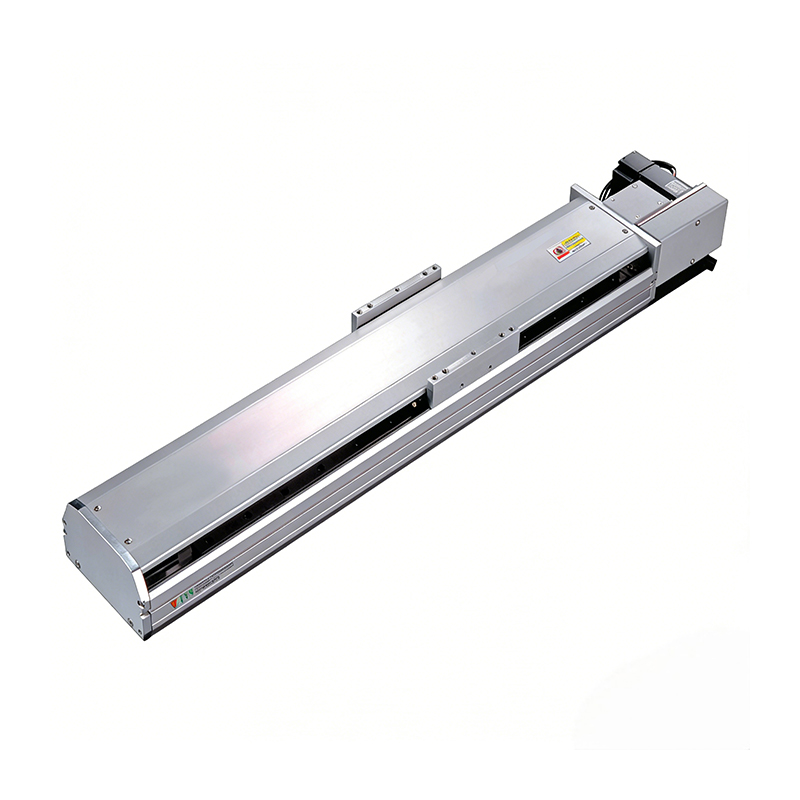
Linear Motion Module OEM/ODM

Home / Products / Linear Motion Module

About Us
Suzhou Tongyousheng Electronic Technology Co., Ltd.

Suzhou Tongyousheng Electronic Technology Co., Ltd. is a leading high-tech enterprise integrating R&D, production and sales, specializing in the design, manufacturing and distribution of premium automation equipment and components—including electric cylinders, linear slide modules, linear motor modules, servo presses, robotic 7th axes, and six-degree-of-freedom platforms.

As China Linear Slide Module Manufacturers and Linear Motion Module Factory, we recognize technological innovation as the cornerstone of sustainable growth. Our R&D team, composed of industry veterans with deep technical expertise and extensive hands-on experience, serves as the engine driving our continuous progress. By pushing technical boundaries, accelerating product iteration, and pioneering industry advancements, we have secured a portfolio of core patents that underscore our leadership in automation and deliver a decisive competitive edge. We further reinforce our capabilities with state-of-the-art R&D tools, professional design software, and high-precision CNC machining centers, ensuring every development effort is backed by world-class resources.

Through years of relentless exploration and execution, Tongyousheng has established itself as an industry benchmark, renowned for its robust R&D, cutting-edge products, and uncompromising quality. We are dedicated to advancing the Industry 4.0 revolution, collaborating with state-owned enterprises, defense technology institutions, and top-tier universities to build a deeply integrated ecosystem of industry, academia, and research—pushing the frontiers of intelligent manufacturing together. At the heart of our mission is a commitment to delivering automation solutions that are intuitive to operate, highly efficient, ultra-reliable, and cost-effective. Every product we create is a reflection of our technical ingenuity and a direct response to our customers' evolving needs.
Certificate Of Honor
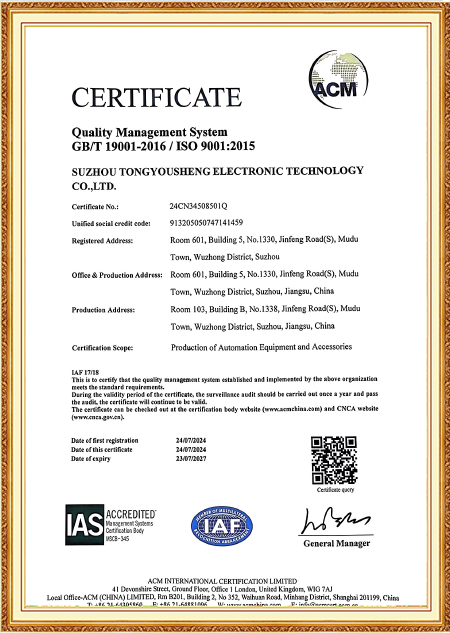
  • ISO 9001:2015 Certificate
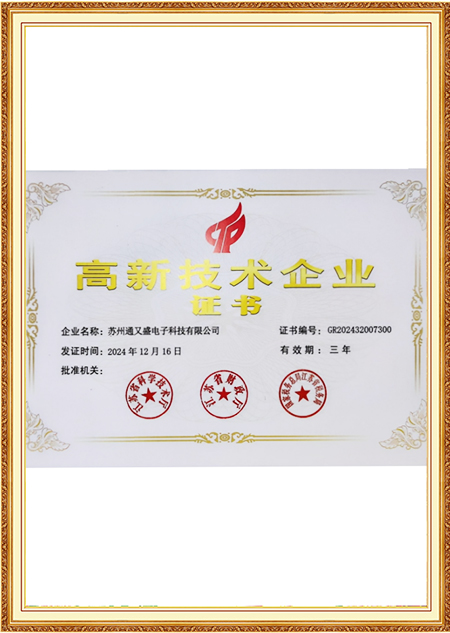
  • High-tech Enterprise Certificate
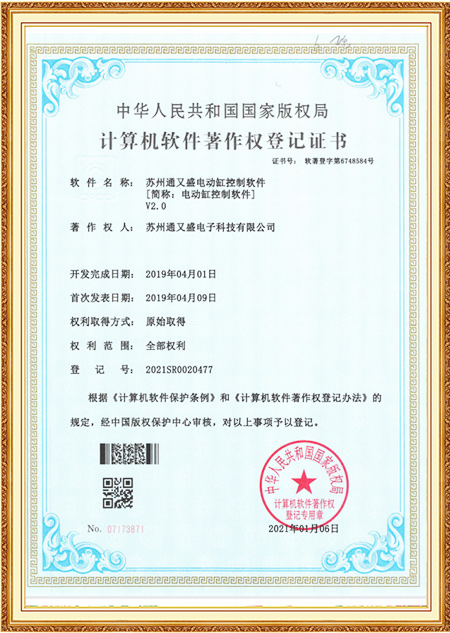
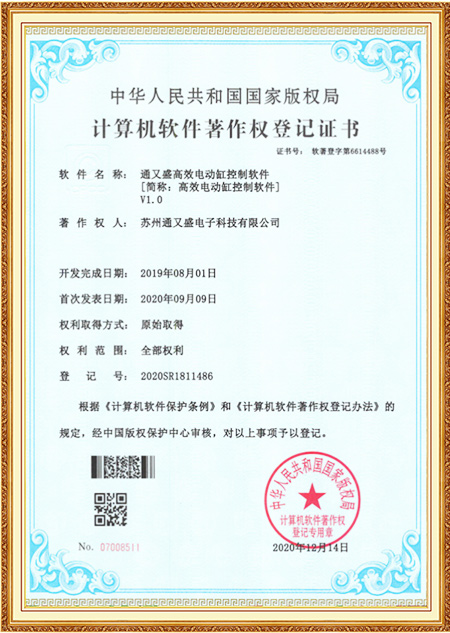
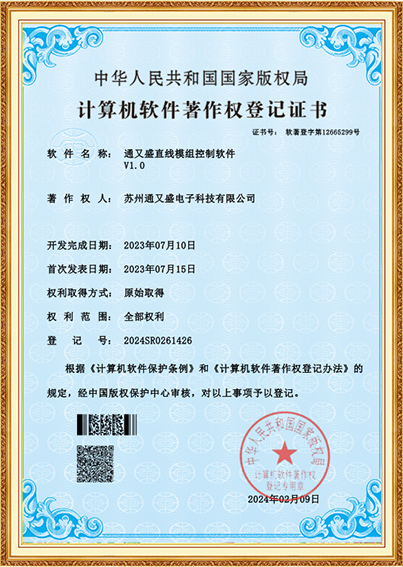
  • Copyright Certificate
  • Copyright Certificate
  • Software Copyright Certificate
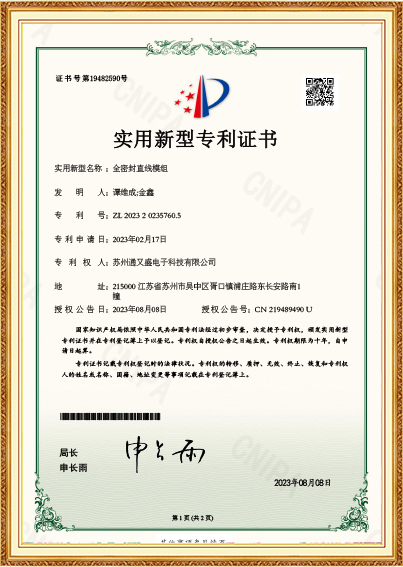
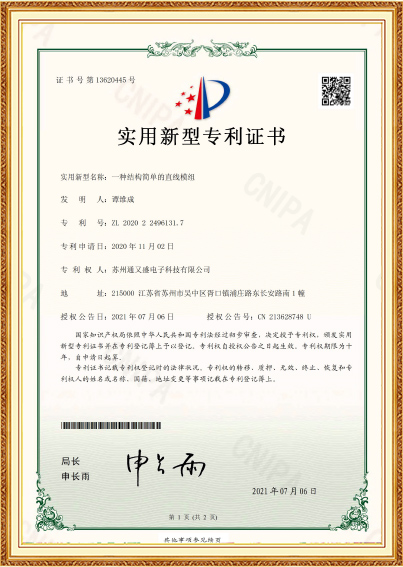
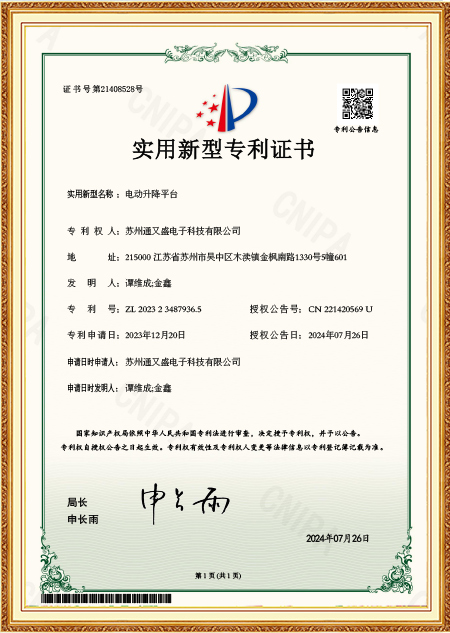
  • Patent Certificate
  • Patent Certificate
  • Patent Certificate
Message Feedback
Blog
Linear Motion Module Industry knowledge

Linear Slide Module: What Fit Grade and Grinding Source Actually Tell You Before a Machine Ships

A packaging line running at 120 cycles per minute started throwing intermittent vibration alarms on its pick-and-place axis about four months after commissioning. Nothing had changed in the program, the load hadn't increased, and the servo tuning was untouched. The culprit turned out to be a clearance fit rail-block pairing that had been specified to save cost on an application that, in hindsight, needed a preloaded fit instead. At 120 cycles per minute with a reversing load, the small internal clearance in the ball recirculation path let the block rock a few microns against the rail every time direction changed — not enough to fail an incoming inspection, but enough to show up as resonance once the machine ran continuously for weeks.

Fit Grade Is Not Just a Tolerance Number, It's a Vibration Decision

Rail-to-block fit is usually described in terms of clearance, light preload, medium preload, or heavy preload, and the choice changes how the assembly behaves dynamically rather than just how tightly it sits together. A clearance fit reduces running friction and works fine for slow, unidirectional travel, but under high-speed reciprocating motion — the kind seen in pick-and-place, sorting, or high-cycle assembly stations — that same clearance becomes a source of micro-impact every time the load reverses direction. A linear slide module running with light preload tends to dampen that impact because the balls stay in continuous contact with both raceways, which changes the vibration spectrum from a sharp impulse to a smoother, lower-amplitude oscillation.

Fit Grade Running Friction Vibration at Reversal Typical Use Case
Clearance fit Lowest Noticeable impact at direction change Slow transfer, one-way travel
Light preload Slightly higher Reduced impact, smoother reversal Moderate-speed reciprocating axes
Medium preload Moderate Minimal impact, stiffer response High-cycle pick-and-place, sorting
Heavy preload Highest Rigid, near-zero play Precision grinding, heavy cantilever load

Why This Matters More at High Reversal Frequency Than at High Travel Speed

It's a common misconception that vibration risk scales mainly with linear travel speed. In practice, the number of direction reversals per minute matters more for a linear slide module carrying a reciprocating load, because each reversal is a moment where the ball train briefly unloads on one side of the raceway and reloads on the other. A slower axis reversing 200 times a minute can accumulate more fatigue-inducing micro-impacts than a faster axis that only reverses occasionally. This is one reason fit grade selection should be tied to the duty cycle profile of the station, not just the maximum speed listed on the motion spec sheet.

Where Grinding and Hardening Actually Happen

Separate from fit grade, there's a manufacturing-side question that determines whether that fit grade stays consistent from the first unit in a batch to the last: who hardens and grinds the rail, and where. Rail hardening sets the surface hardness needed to resist raceway pitting under repeated ball loading, and the subsequent grinding pass is what actually creates the raceway geometry and surface finish that determines running smoothness. If this work is spread across multiple outside vendors, hardness depth and grinding finish can drift from batch to batch even when the raw steel spec on paper stays the same.

In-House Grinding and Batch Consistency

Suzhou Tongyousheng Electronic Technology Co., Ltd. keeps rail hardening and grinding on internal production lines rather than routing it through external heat-treat and grinding subcontractors, which keeps the raceway hardness profile and surface roughness within a tighter band across a production run. This matters most on orders where multiple slide modules need to behave identically — a gantry built from four parallel axes, for instance, where uneven raceway finish on even one rail can introduce a subtle running resistance mismatch that shows up as tracking error under load. Because the CNC grinding equipment and quench-and-temper process are on the same site as final assembly, a hardness or finish deviation caught during in-process inspection can be traced back to a specific grinding pass the same shift, rather than requiring a batch to be returned from an outside vendor days or weeks later.

What a Buyer Can Actually Ask to Verify This

Since hardness depth and raceway finish aren't always visible on a standard dimensional inspection sheet, a practical way to check consistency across a batch is to request surface roughness (Ra) values and case hardness depth on a sample from the beginning, middle, and end of a production run. Slide rails that were ground on different machines or by different vendors tend to show wider spread across these three sample points, even if each individual unit still passes its own inspection tolerance. For a station where several linear slide module axes need to move in coordination, that spread across a batch is often a better predictor of long-term behavior than any single unit's spec sheet number.

Verification Point What to Request Why It Matters
Case hardness depth Sample readings across the batch Indicates raceway resistance to pitting over the rated life
Surface roughness (Ra) Ra values from beginning/middle/end of run Affects running friction consistency and noise level
Fit grade confirmation Preload class stated per axis order Determines dynamic behavior under reversing load