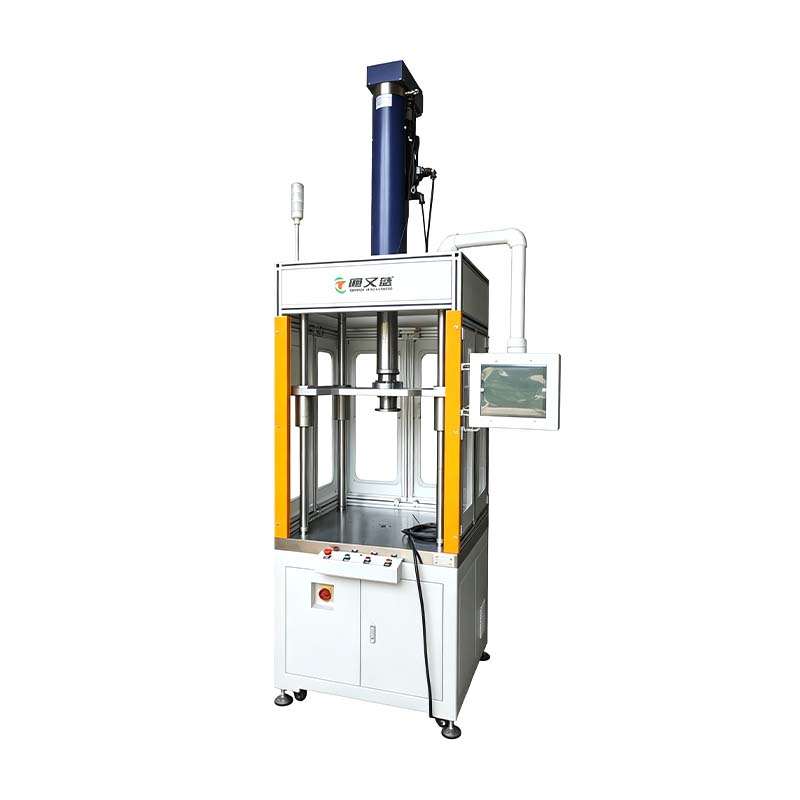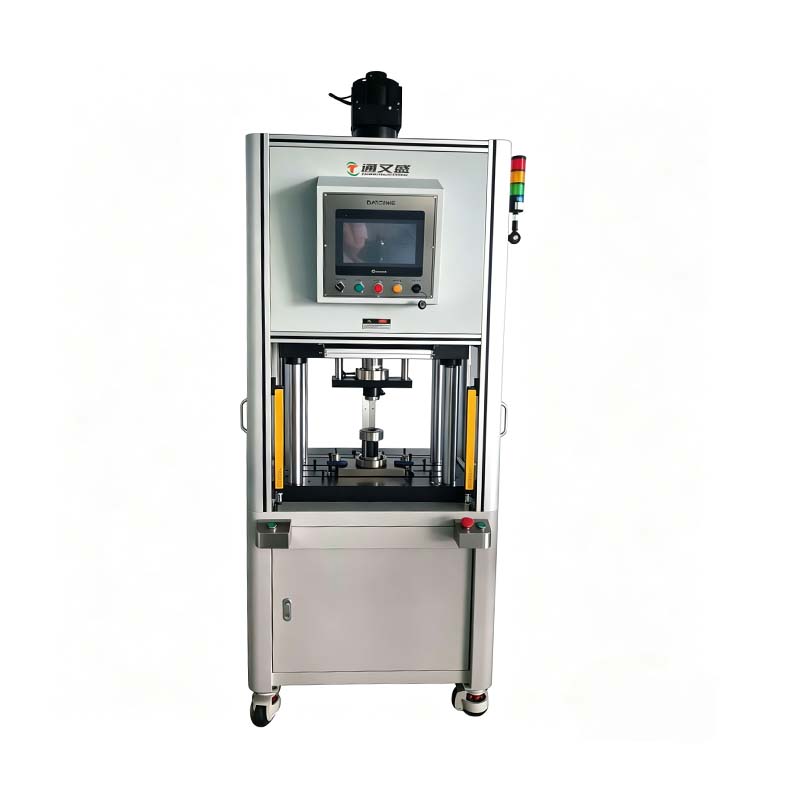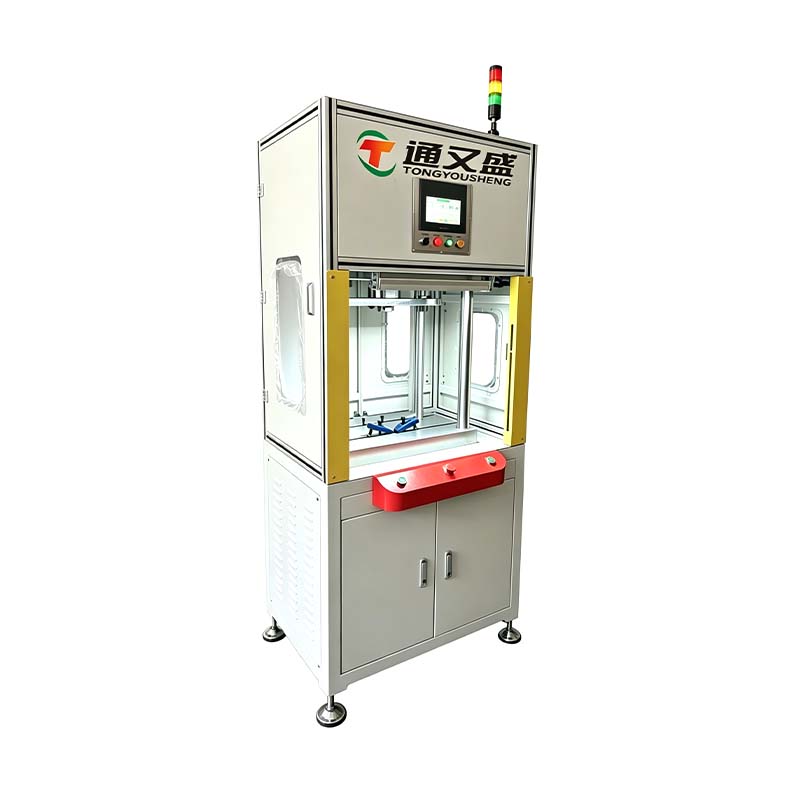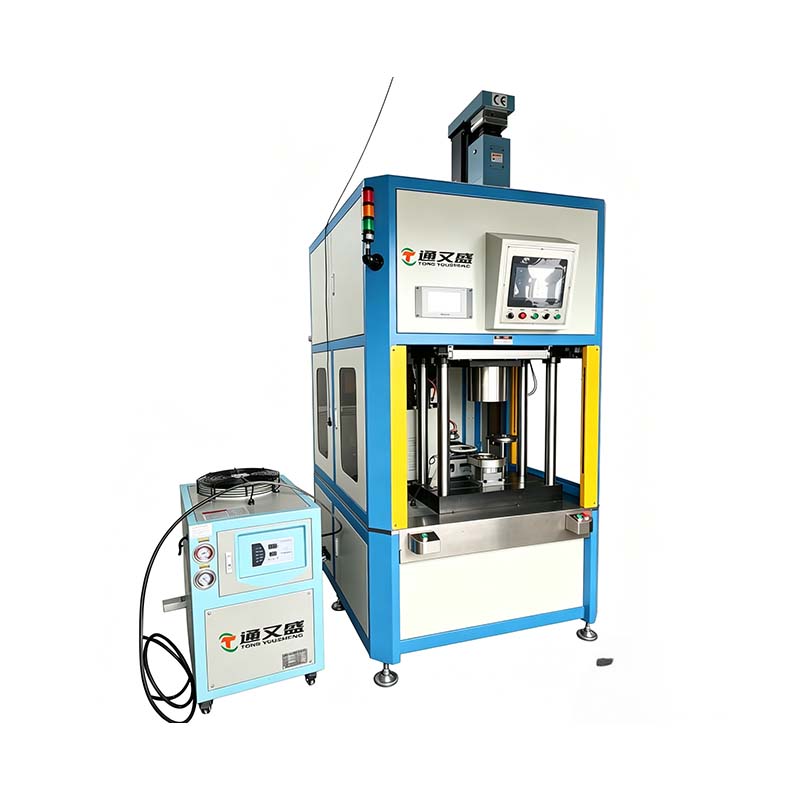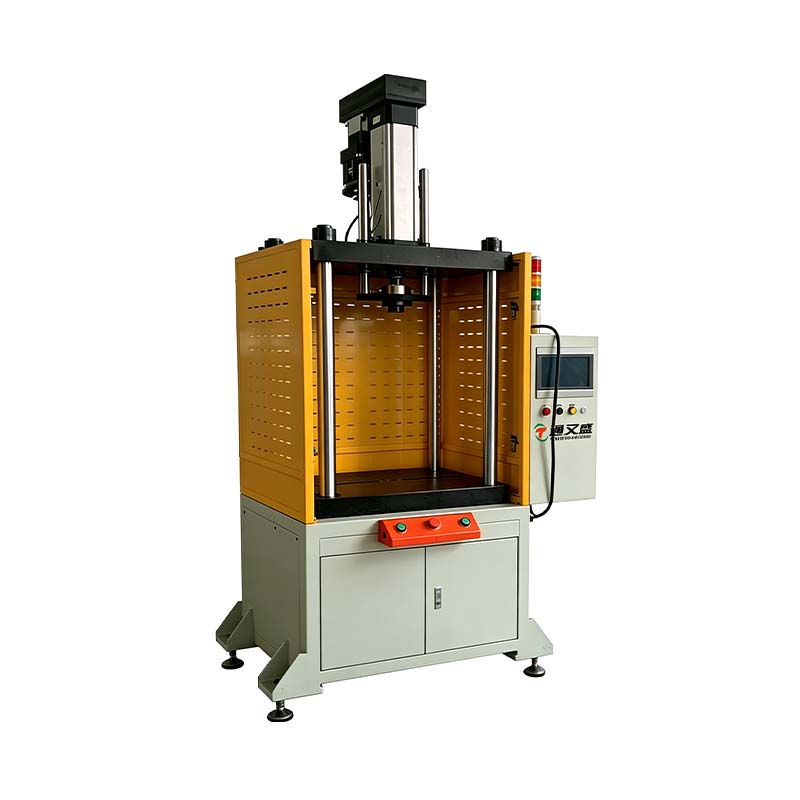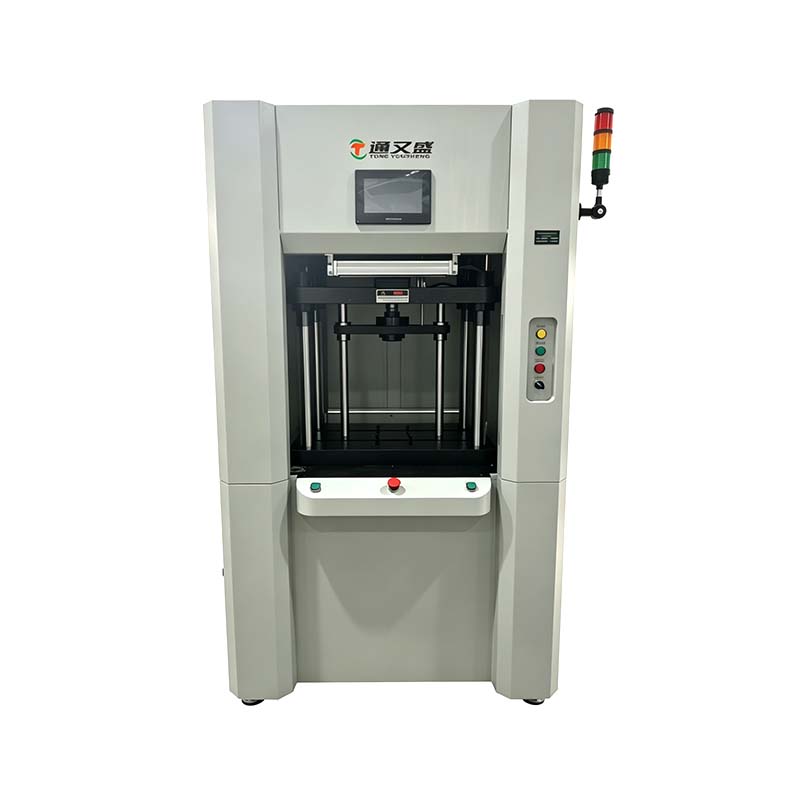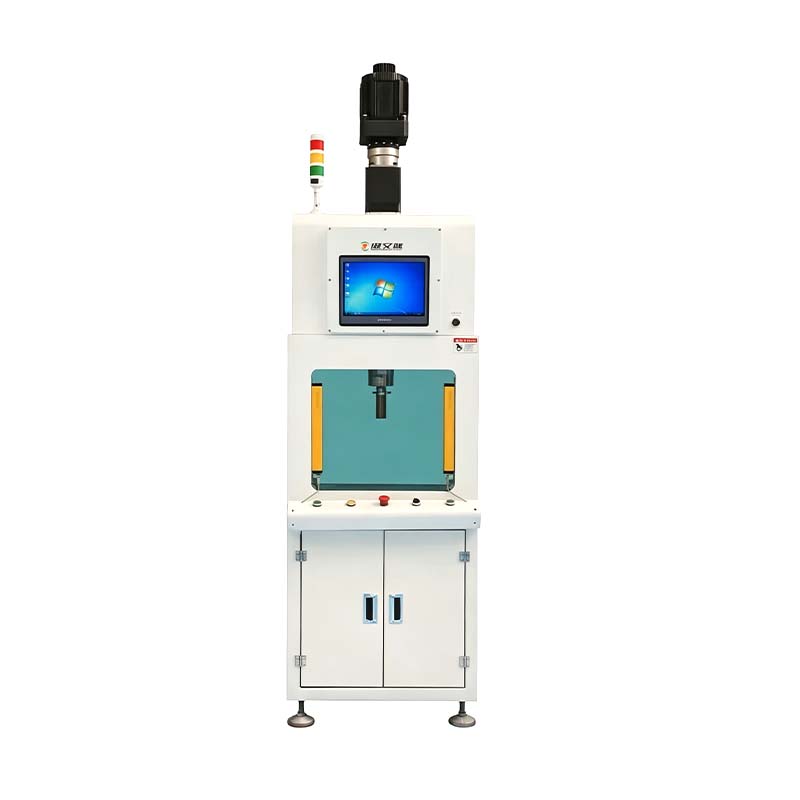
Four-Column Press Machine Custom

Home / Products / Servo Press Machine / Four-Column Press Machine

About Us
Suzhou Tongyousheng Electronic Technology Co., Ltd.

Suzhou Tongyousheng Electronic Technology Co., Ltd. is a leading high-tech enterprise integrating R&D, production and sales, specializing in the design, manufacturing and distribution of premium automation equipment and components—including electric cylinders, linear slide modules, linear motor modules, servo presses, robotic 7th axes, and six-degree-of-freedom platforms.

As China Four-Column Press Machine Manufacturers and Four-Column Press Machine Suppliers, we recognize technological innovation as the cornerstone of sustainable growth. Our R&D team, composed of industry veterans with deep technical expertise and extensive hands-on experience, serves as the engine driving our continuous progress. By pushing technical boundaries, accelerating product iteration, and pioneering industry advancements, we have secured a portfolio of core patents that underscore our leadership in automation and deliver a decisive competitive edge. We further reinforce our capabilities with state-of-the-art R&D tools, professional design software, and high-precision CNC machining centers, ensuring every development effort is backed by world-class resources.

Through years of relentless exploration and execution, Tongyousheng has established itself as an industry benchmark, renowned for its robust R&D, cutting-edge products, and uncompromising quality. We are dedicated to advancing the Industry 4.0 revolution, collaborating with state-owned enterprises, defense technology institutions, and top-tier universities to build a deeply integrated ecosystem of industry, academia, and research—pushing the frontiers of intelligent manufacturing together. At the heart of our mission is a commitment to delivering automation solutions that are intuitive to operate, highly efficient, ultra-reliable, and cost-effective. Every product we create is a reflection of our technical ingenuity and a direct response to our customers' evolving needs.
Certificate Of Honor
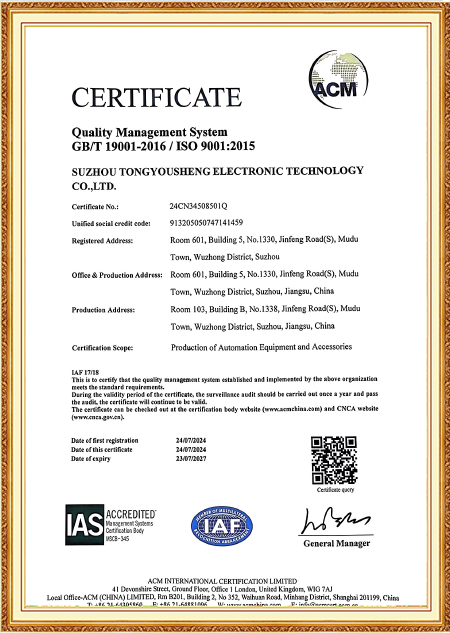
  • ISO 9001:2015 Certificate
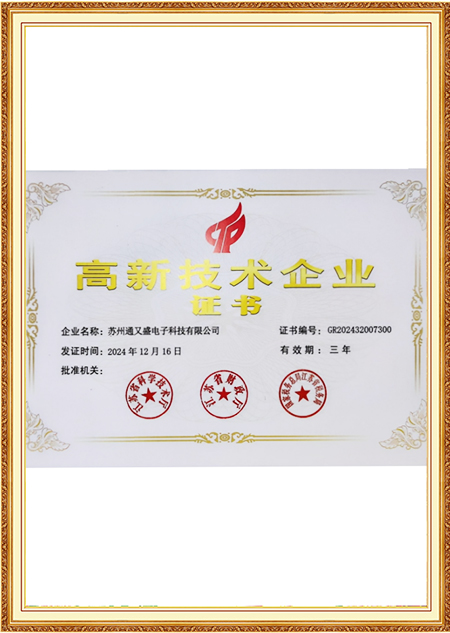
  • High-tech Enterprise Certificate
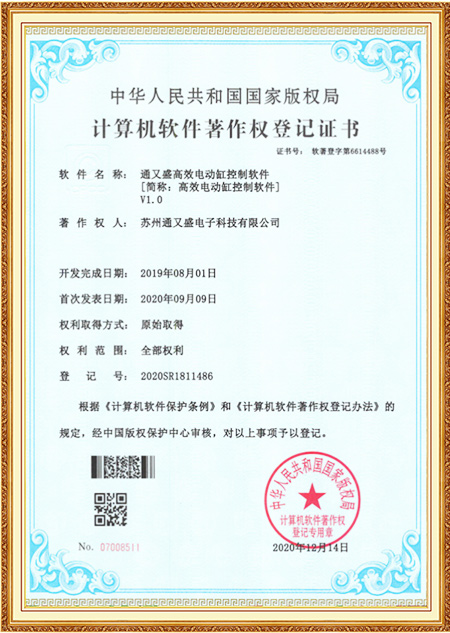
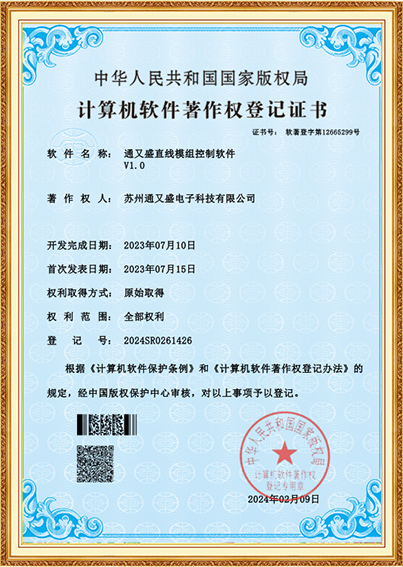
  • Copyright Certificate
  • Copyright Certificate
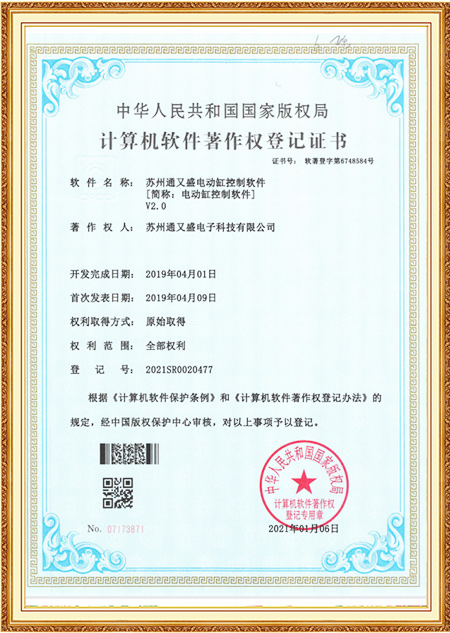
  • Software Copyright Certificate
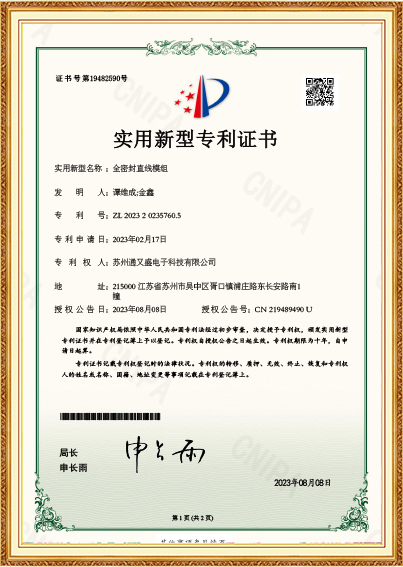
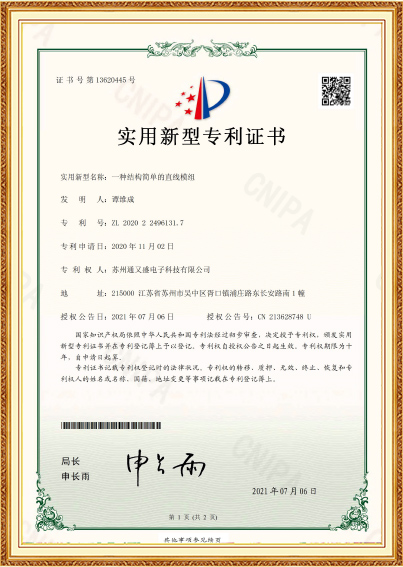
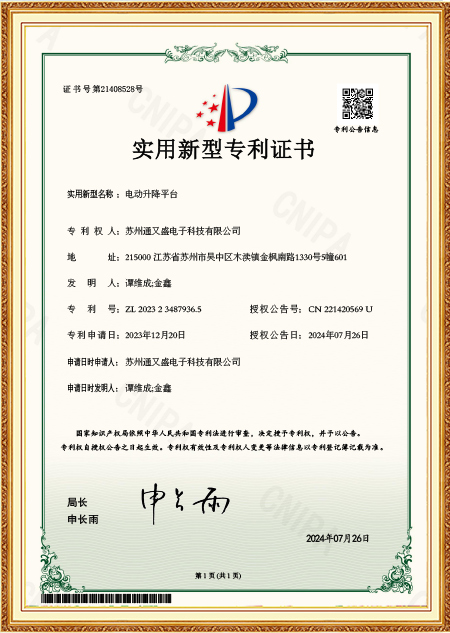
  • Patent Certificate
  • Patent Certificate
  • Patent Certificate
Message Feedback
Blog
Four-Column Press Machine Industry knowledge

Column Squareness at Assembly and Where the Slide Actually Sags Under Load

A Problem That Only Shows Up Once Real Tonnage Gets Applied

A four-column press machine can pass a no-load dry cycle test without revealing much about how it will behave once it starts pressing at rated tonnage. Slide travel looks smooth, the frame appears square by eye, and everything seems ready to ship. The real test comes once a heavy die set is mounted and the machine starts cycling at or near its rated load — this is when small assembly deviations that were invisible during a light-load check start expressing themselves as uneven part quality across the die face, sometimes on one side of the workpiece more than the other.

Getting Four Columns to Agree With Each Other

Unlike a two-guide system where alignment is a relatively contained problem, a four-column press has to bring four separate guide posts into simultaneous agreement — each column needs to sit parallel to its neighbors and perpendicular to both the base and the upper crown, and any deviation compounds because the slide rides on all four simultaneously rather than being guided by a single reference. Assembly technicians typically bore all four column mounting holes on the base and crown in a single fixturing setup on a large boring mill, rather than machining each hole independently, since this keeps the hole pattern's relative position accurate even if the boring machine itself has some absolute positioning error. Once columns are pressed or bolted into place, verification usually involves a precision level and a dial indicator run along each column's length, checking not just that each column reads plumb individually but that all four read consistent values relative to a common reference plane.

Where Small Errors at This Stage Cause Trouble Later

A column that is parallel to its neighbors but slightly off from true perpendicularity to the base introduces a subtle skew into the slide's travel path, which the slide guides may or may not fully correct depending on how much clearance exists in the guide bushings. Suzhou Tongyousheng Electronic Technology Co., Ltd. checks this squareness relationship at multiple points along the column length rather than relying on a single measurement near the base, since a column can measure plumb at its lower section and still show deviation higher up if the boring or the column stock itself has a slight taper.

Column parallelism Checked across all four simultaneously using a common reference plane, not column by column in isolation
Perpendicularity to base Verified at multiple heights along the column, since deviation can appear higher up even when the base reads plumb
Guide bushing clearance Small clearance is needed for thermal expansion, but too much lets column misalignment translate directly into slide skew

What Actually Makes the Slide Sag Under Heavy Tonnage

Slide sag — the small downward deflection of the slide's working face relative to its mounting points — becomes noticeable mainly at higher tonnage ratings, and it is driven by a combination of factors rather than a single cause. The slide's own structural stiffness matters first: a thinner slide plate flexes more under a concentrated die load than a thicker one, and this flex is not uniform if the die's center of pressure sits off-center from the slide's geometric center. Bed deflection contributes as well — the base plate absorbing the reaction force can bow slightly under full tonnage, and this bowing interacts with slide sag rather than acting independently, since both surfaces are moving relative to each other during the press stroke.

Why Load Position Changes the Picture Entirely

A die mounted dead-center on a four-column press machine's bed distributes load relatively evenly across all four columns, but shift that same die toward one corner and the columns nearest that corner absorb a disproportionate share of the reaction force. This uneven column loading changes how much each guide post elongates elastically under load, and since all four columns support the same slide, differential elongation between columns translates into a slight tilt of the slide face — which shows up as a part that measures thinner on one side than the other, even though the press's rated tonnage capacity was never actually exceeded.

Reading These Two Issues as Related Rather Than Separate

Column alignment established at assembly sets the baseline geometry the press starts from, while slide sag under load is a dynamic behavior layered on top of that baseline once tonnage and die position enter the equation. A press assembled with tight column squareness can still exhibit noticeable sag if the die is mounted off-center on a job it was never sized for, and conversely, no amount of careful die placement fully compensates for a press whose columns were not brought into agreement during the original build. Buyers comparing four-column press quotes tend to benefit from asking how column squareness was verified across the full column height, alongside what slide deflection data exists at rated tonnage with an off-center load case, rather than treating static frame specifications and dynamic load behavior as unrelated topics.