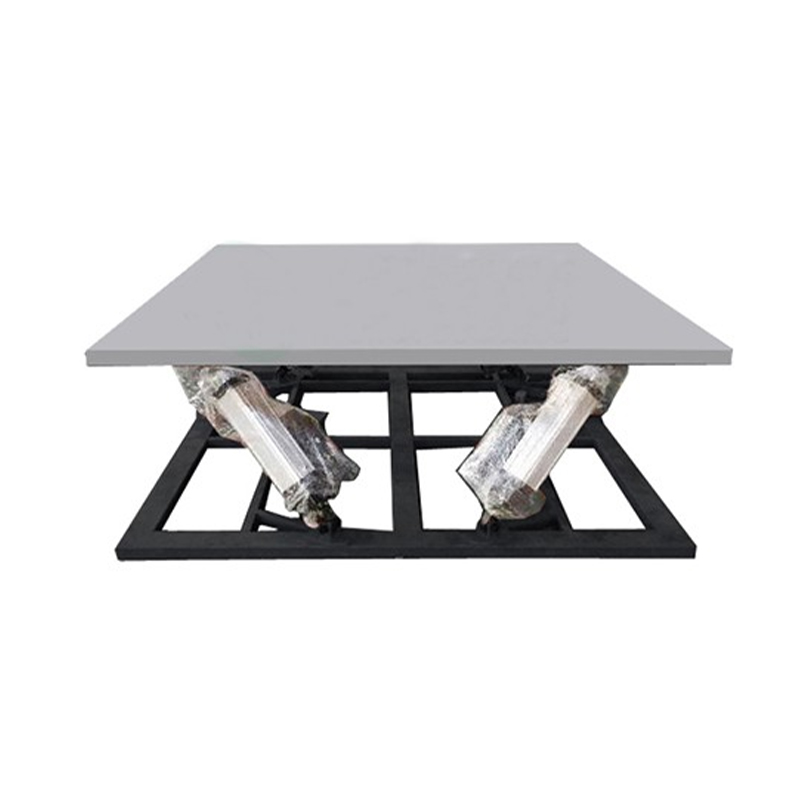
Four-Degree-of-Freedom Platform Custom

Home / Products / Multi-Degree of Freedom Platform / Four-Degree-of-Freedom Platform

About Us
Suzhou Tongyousheng Electronic Technology Co., Ltd.

Suzhou Tongyousheng Electronic Technology Co., Ltd. is a leading high-tech enterprise integrating R&D, production and sales, specializing in the design, manufacturing and distribution of premium automation equipment and components—including electric cylinders, linear slide modules, linear motor modules, servo presses, robotic 7th axes, and six-degree-of-freedom platforms.

As China Four-Degree-of-Freedom Platform Manufacturers and Four-Degree-of-Freedom Platform Suppliers, we recognize technological innovation as the cornerstone of sustainable growth. Our R&D team, composed of industry veterans with deep technical expertise and extensive hands-on experience, serves as the engine driving our continuous progress. By pushing technical boundaries, accelerating product iteration, and pioneering industry advancements, we have secured a portfolio of core patents that underscore our leadership in automation and deliver a decisive competitive edge. We further reinforce our capabilities with state-of-the-art R&D tools, professional design software, and high-precision CNC machining centers, ensuring every development effort is backed by world-class resources.

Through years of relentless exploration and execution, Tongyousheng has established itself as an industry benchmark, renowned for its robust R&D, cutting-edge products, and uncompromising quality. We are dedicated to advancing the Industry 4.0 revolution, collaborating with state-owned enterprises, defense technology institutions, and top-tier universities to build a deeply integrated ecosystem of industry, academia, and research—pushing the frontiers of intelligent manufacturing together. At the heart of our mission is a commitment to delivering automation solutions that are intuitive to operate, highly efficient, ultra-reliable, and cost-effective. Every product we create is a reflection of our technical ingenuity and a direct response to our customers' evolving needs.
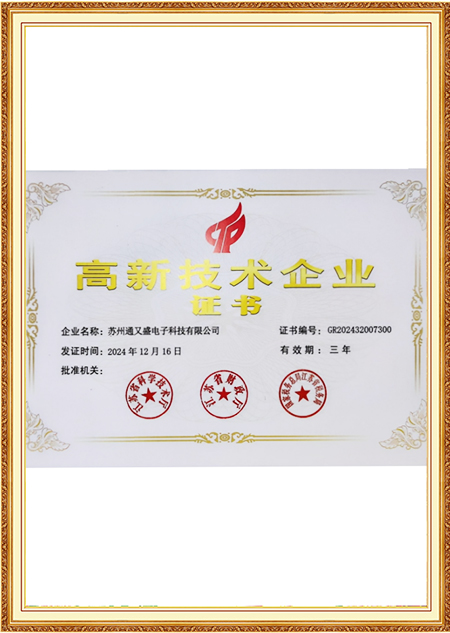
Certificate Of Honor
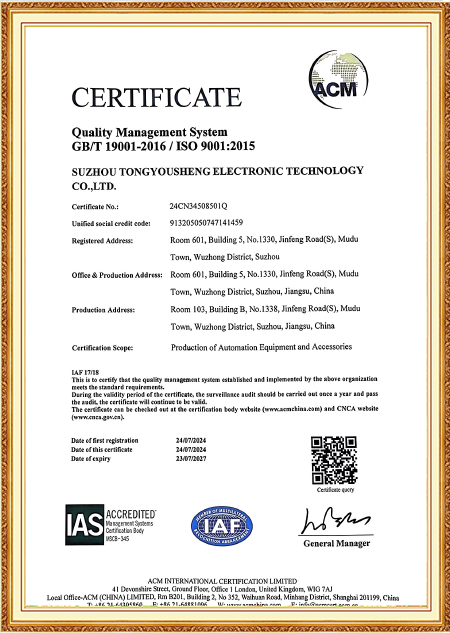
  • ISO 9001:2015 Certificate
  • High-tech Enterprise Certificate
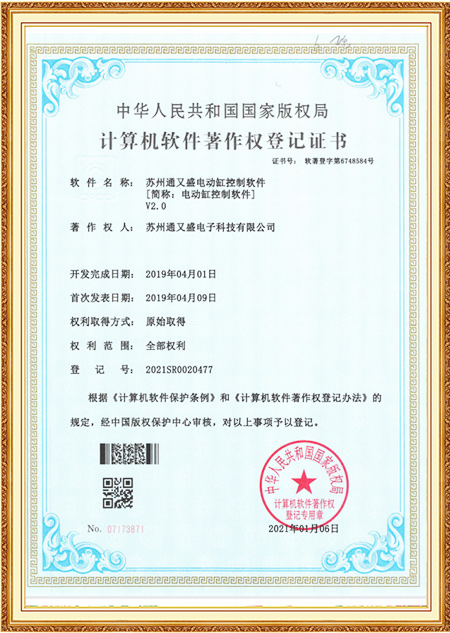
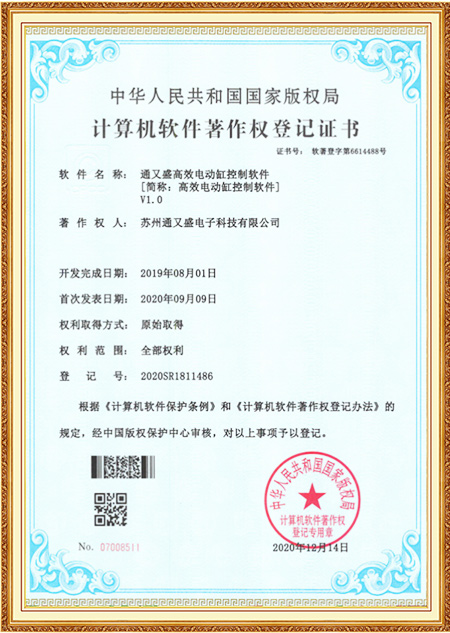
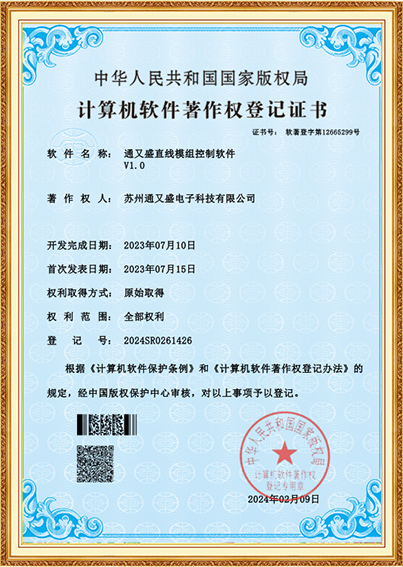
  • Copyright Certificate
  • Copyright Certificate
  • Software Copyright Certificate
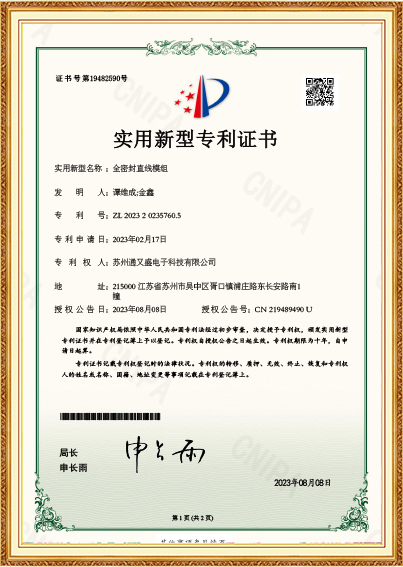
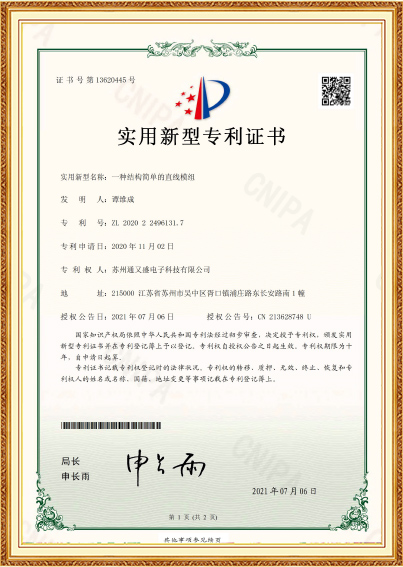
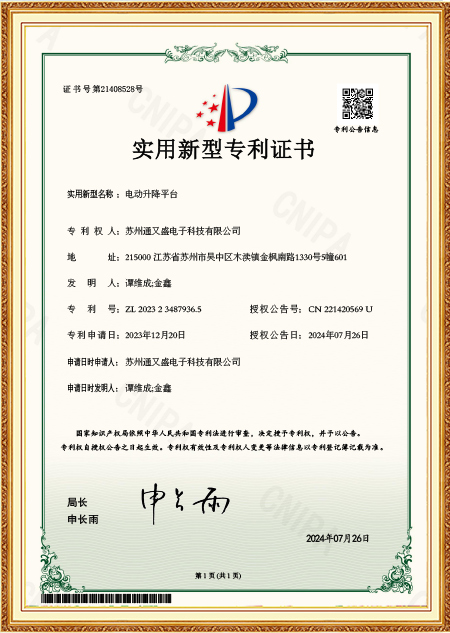
  • Patent Certificate
  • Patent Certificate
  • Patent Certificate
Message Feedback
Blog
Four-Degree-of-Freedom Platform Industry knowledge

Timing Errors and System Integration Gaps That Surface After a Fourth Axis Gets Added

A Quote That Looks Complete Until Integration Week

Most four-degree-of-freedom platform inquiries start with a straightforward spec comparison — travel range on each axis, load rating, repeatability numbers side by side across a few vendor quotes. What rarely gets asked at the quoting stage is how the fourth axis actually talks to the other three once the platform sits inside a larger automated cell rather than running on a standalone test bench. This is usually the point where a system integrator discovers that a supplier's documentation covers mechanical specifications thoroughly but says very little about communication protocol, controller architecture, or how synchronization between axes is actually achieved once external triggers from a PLC or vision system enter the picture.

What Sits Beyond the Axis Configuration Sheet

A four-axis platform's real integration burden shows up in details that rarely make it onto a headline spec table: which fieldbus protocol the controller speaks — EtherCAT, CANopen, or something proprietary — and whether that protocol supports the cycle time an application actually needs rather than just the cycle time it was tested at in isolation. Feedback resolution from each axis encoder matters less on its own than whether all four feedback loops close through a shared master clock, since axes referencing independent internal clocks tend to drift apart over long duty cycles even when each one performs correctly by itself. Suzhou Tongyousheng Electronic Technology Co., Ltd. treats this multi-axis clock architecture question as one of the first things worth clarifying with a customer before a four-degree-of-freedom platform gets specified into a cell that already runs on a particular automation backbone.

Where the Fourth Axis Complicates What Was Working Fine on Three

Adding a translational or rotational fourth axis on top of an existing three-axis attitude platform introduces a coordination problem that does not scale linearly. A three-axis system moving in pitch, roll, and yaw already has to solve for coupled motion between those axes; bolting on a fourth axis means the controller now has to schedule an additional motion command within the same control cycle, and if that fourth axis runs on a separate driver card or a different communication channel than the original three, the two subsystems can end up executing commands a few milliseconds apart from one another. That gap is often too small to notice during a slow demonstration run but becomes visible once cycle time gets pushed toward production speed.

Tracing Timing Error Back to Its Actual Source

Synchronization error between axes on a four-axis platform tends to originate from one of a handful of specific points rather than from the motors themselves. Network jitter on the fieldbus is one common source, particularly on networks carrying other traffic besides the platform's motion commands. Controller scan time mismatch is another — if the master controller polls four axes at a fixed interval but one axis driver has a slower internal update rate, that driver effectively lags behind on every cycle. A third source involves encoder feedback latency, which can differ between axis types if, for example, three axes use absolute encoders and the fourth uses an incremental one with a different signal processing delay.

Network jitter Fieldbus traffic Dedicate a communication channel or reserve bandwidth for motion-critical data
Controller scan mismatch Driver update rate Match all four axis drivers to the same scan cycle where the hardware allows it
Feedback latency Encoder type difference Standardize feedback device type across all four axes when synchronization tolerance is tight

Why Integration Capability Deserves Its Own Line of Questions

None of the above shows up if a buyer only asks about individual axis specifications, which is why system integration capability deserves separate scrutiny from mechanical performance data. A supplier that can walk through how its controller architecture handles a shared clock reference, how it isolates motion-critical network traffic, and how it has handled feedback latency mismatches on past four-axis builds is demonstrating something a spec sheet cannot capture on its own. Suzhou Tongyousheng Electronic Technology Co., Ltd. has found that customers integrating a four-degree-of-freedom platform into an existing production line get more practical value from this kind of architecture conversation early on than from a side-by-side comparison of travel range and repeatability figures alone.

What This Means When Comparing Two Vendor Proposals

A platform proposal that addresses fieldbus choice, clock synchronization method, and feedback device consistency across all four axes is answering a question that becomes relevant the moment the platform leaves the test bench and enters a coordinated cell with upstream and downstream equipment. Mechanical specifications answer how the platform performs in isolation; system integration details answer how it performs once it has to keep time with everything else running around it.