How to Select the Right Small Linear Motor Module for Precision Automation?
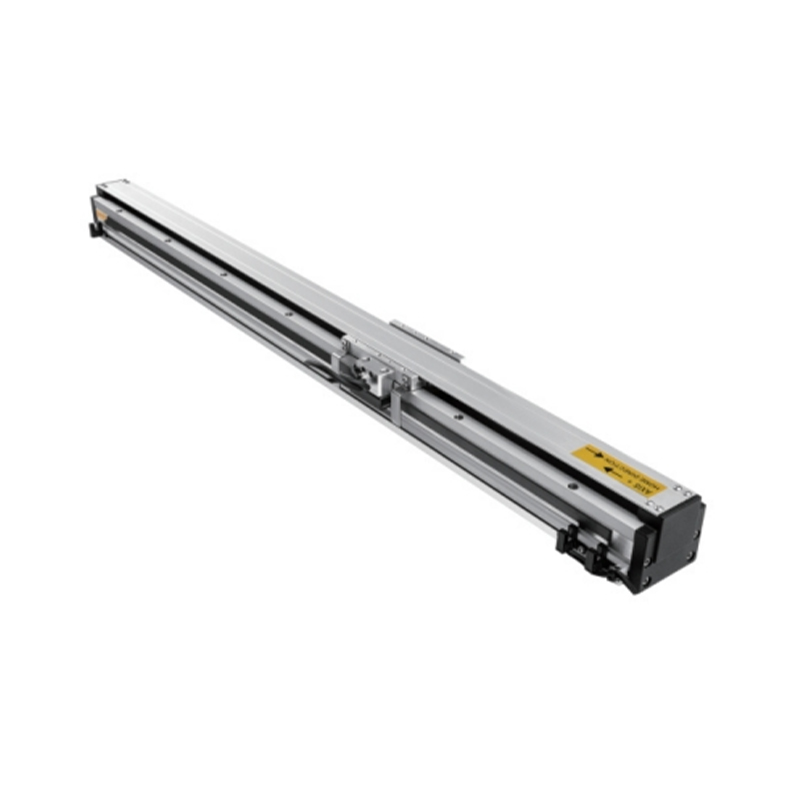
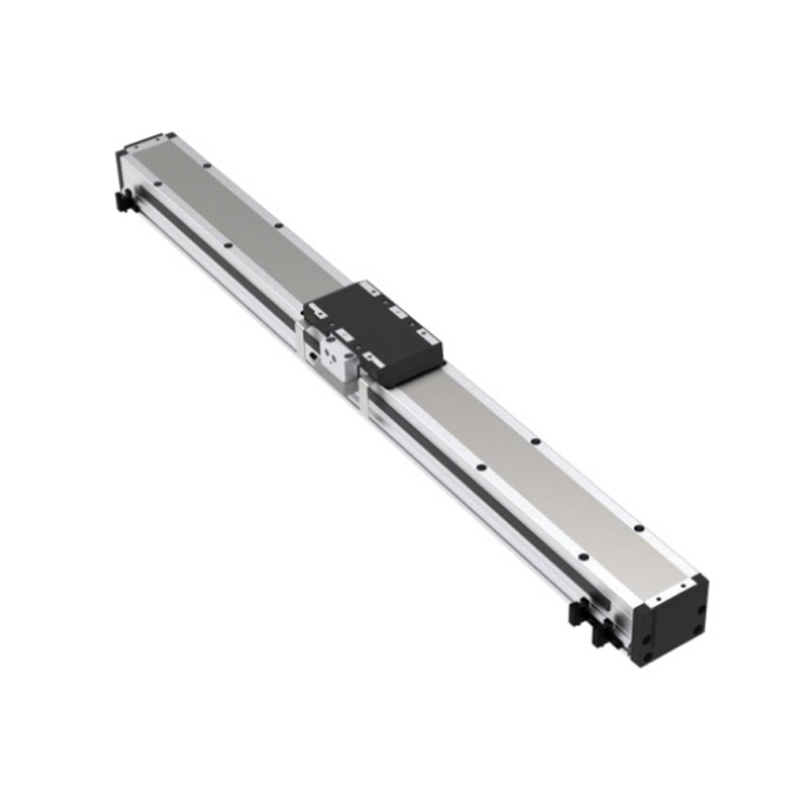
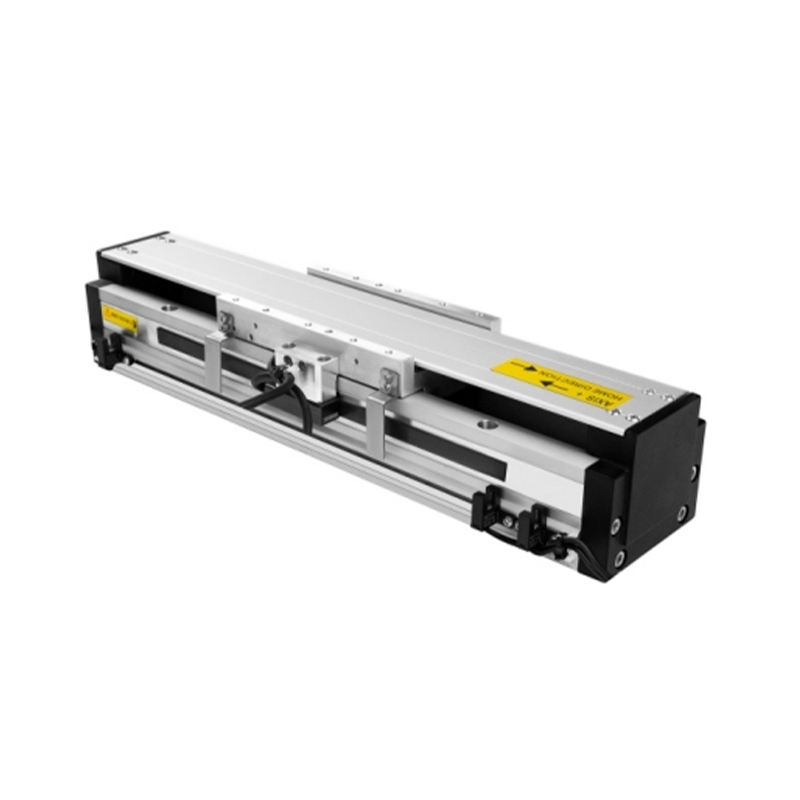
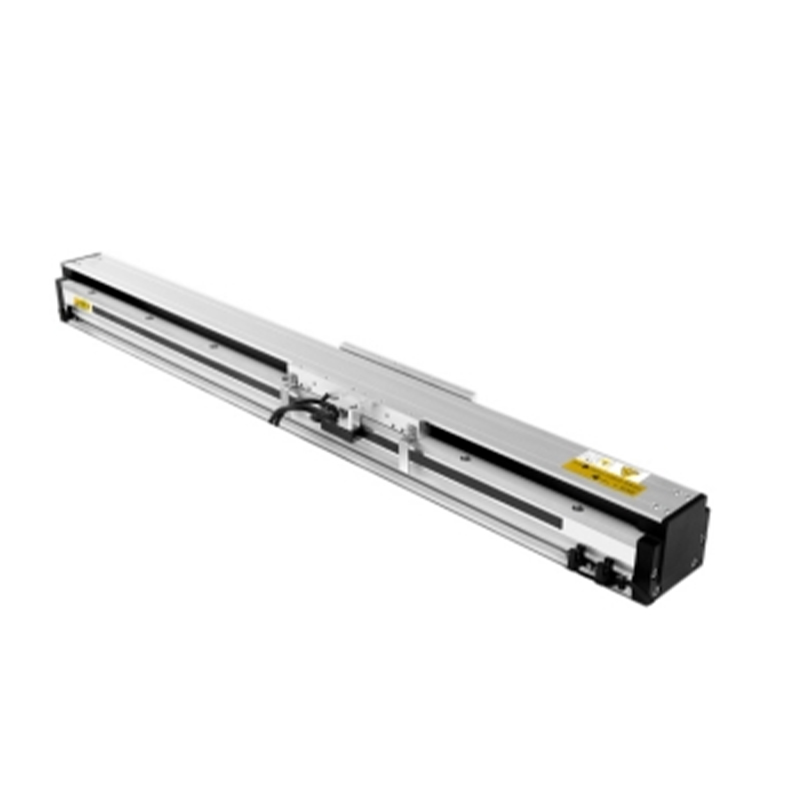
Choosing a suitable small linear motor module is an engineering decision that influences positioning stability, production efficiency, equipment layout, and long-term operating costs. As manufacturing equipment continues to move toward higher precision and greater automation, system designers must evaluate more than basic specifications such as travel distance or maximum speed. A practical selection process considers application requirements, motion characteristics, environmental conditions, controller compatibility, structural design, and future maintenance. By understanding how these factors interact, manufacturers can build motion systems that support consistent performance throughout the equipment lifecycle.
Understanding the Motion Requirements Before Product Selection
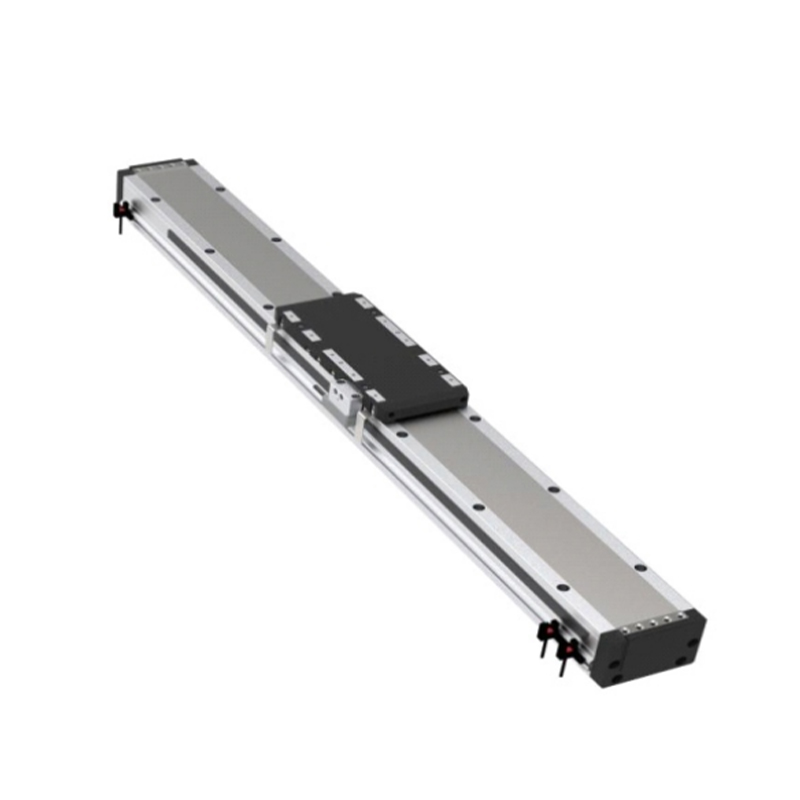
The first step in selecting a small linear motor module is defining the actual motion requirements of the application. Engineers should identify the required travel distance, payload weight, acceleration, operating speed, positioning accuracy, and cycle frequency before comparing available models. These parameters determine whether a module can operate within a suitable performance range instead of continuously approaching its design limits. Applications such as semiconductor inspection, vision positioning, electronic assembly, and laboratory automation often require different motion profiles even when similar travel lengths are involved. Careful planning during this stage helps reduce unnecessary redesign work after equipment integration.
Matching Load Characteristics with Module Capacity
Load evaluation extends beyond measuring the weight of the moving object. The center of gravity, installation orientation, external moments, cable drag, and tooling design all influence the forces acting on the linear motor module. When selecting a module, engineers should evaluate both continuous operating loads and temporary peak loads generated during acceleration and deceleration. A properly matched module allows the motor and guide system to operate within their intended working range, helping maintain positioning consistency during continuous production while reducing unnecessary mechanical stress.
| Selection Factor |
Engineering Consideration |
| Payload |
Total moving mass including fixtures, tooling, and workpieces |
| Stroke Length |
Actual travel plus safety margin for acceleration and deceleration |
| Acceleration |
Required production cycle and motion profile |
| Installation Direction |
Horizontal, vertical, or inclined installation affects load calculation |
Evaluating Positioning Accuracy and Repeatability
Many automation projects place greater emphasis on repeatability than absolute positioning accuracy because production processes rely on performing the same movement consistently over thousands of operating cycles. Encoder resolution, servo control parameters, mechanical rigidity, guide quality, and installation accuracy all contribute to positioning performance. Selecting a module based only on catalog specifications without considering the complete motion system may result in differences between laboratory testing and actual production conditions. Equipment manufacturers should evaluate the required tolerance according to product quality requirements instead of selecting unnecessarily high specifications.
Considering Speed, Acceleration, and Production Rhythm
Production efficiency is closely related to motion dynamics. Higher maximum speed does not automatically increase equipment output if acceleration and deceleration occupy a large portion of each motion cycle. Engineers should analyze the complete movement profile to determine whether a small linear motor module can achieve the desired production rhythm while maintaining stable positioning. Applications involving frequent start-stop motion often benefit from balanced acceleration characteristics rather than simply selecting the highest available speed specification.
Selecting an Appropriate Stroke for Equipment Integration
The required travel distance should reflect actual production needs instead of selecting the longest available option. An excessively long stroke may increase equipment size, moving mass, and installation space, while a stroke that is too short may limit future process adjustments. During equipment design, engineers generally reserve additional travel for sensor positioning, workpiece loading, maintenance clearance, and future tooling upgrades. Proper stroke planning improves mechanical integration while maintaining a compact machine structure.
| Application Scenario |
Typical Selection Focus |
| Electronic Assembly |
Repeatability and compact dimensions |
| Vision Inspection |
Smooth motion and positioning consistency |
| Precision Dispensing |
Controlled acceleration and stable positioning |
| Laboratory Automation |
Reliable continuous operation and low vibration |
Controller and Communication Compatibility
The performance of a linear motor module depends not only on its mechanical structure but also on the compatibility between the motor, servo drive, encoder, and motion controller. During equipment development, communication protocols, feedback systems, control algorithms, and software integration should all be evaluated together. Selecting compatible control components simplifies commissioning and allows engineers to optimize motion parameters more efficiently. This integrated approach also provides greater flexibility when expanding production lines or upgrading automation equipment in the future.
Mechanical Design and Manufacturing Quality
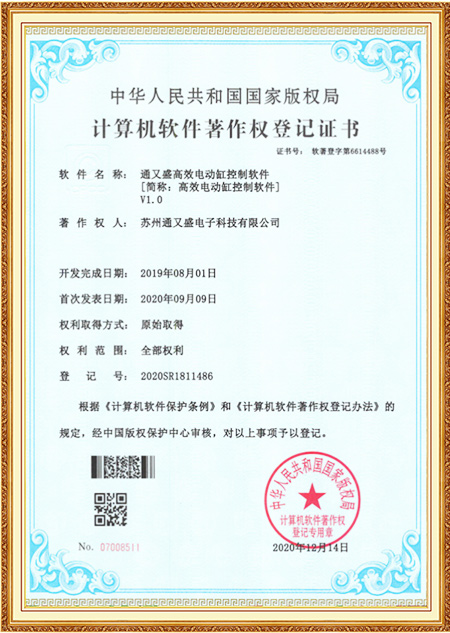
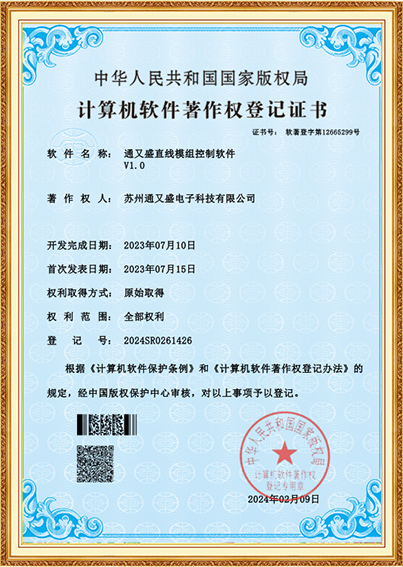
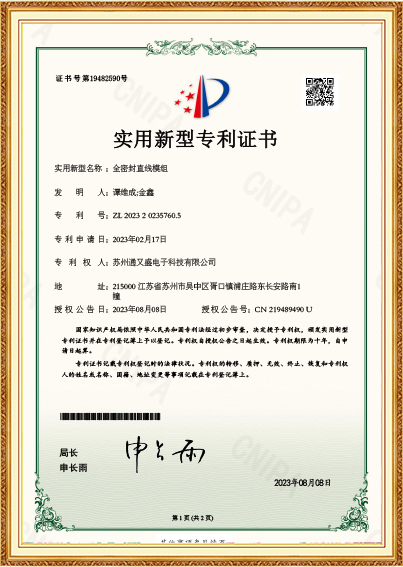
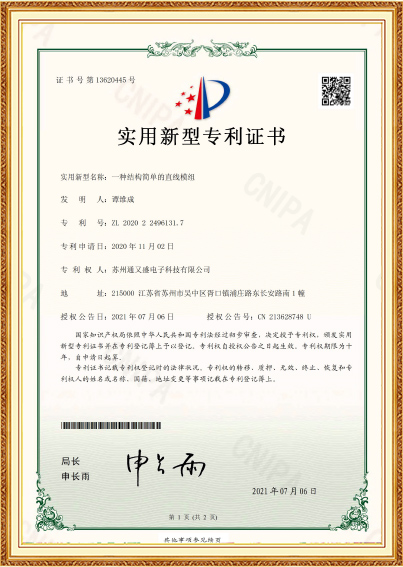
The structural design of a small linear motor module directly influences long-term operational stability. Factors including guide rail alignment, machining accuracy, component assembly, structural rigidity, and manufacturing consistency contribute to overall motion quality. Manufacturers with dedicated research and development capabilities often improve product designs through continuous testing, engineering verification, and production experience. Suzhou Tongyousheng Electronic Technology Co., Ltd. combines product development, manufacturing, and precision machining resources during the design process, allowing engineering teams to continuously refine product structures according to practical industrial applications while supporting different automation requirements.
Environmental Conditions That Affect Module Selection
Operating environments vary significantly across industries. Dust, humidity, temperature fluctuations, vibration, and chemical exposure can all influence the service condition of a motion system. Equipment operating in electronics manufacturing may require different protective measures from machinery used in general industrial production. During product selection, engineers should evaluate whether additional sealing, cable protection, lubrication strategy, or environmental shielding is necessary. Considering these conditions early in the design stage helps avoid unexpected maintenance challenges after installation.
Balancing Maintenance Requirements with Equipment Availability
Maintenance planning should be included during the selection stage rather than after equipment installation. Easy access to guide components, cable management systems, fastening structures, and inspection points can reduce maintenance time during routine servicing. Modules designed for convenient inspection and component replacement allow maintenance personnel to perform scheduled work with less interruption to production. Selecting products supported by stable manufacturing processes and technical documentation also contributes to more predictable long-term equipment management.
| Evaluation Category |
Questions to Consider |
| Mechanical Performance |
Does the module meet the required load, stroke, and speed? |
| Precision |
Does repeatability match the process tolerance? |
| Control System |
Is it compatible with the selected servo and controller? |
| Installation |
Can it fit within the available equipment space? |
| Maintenance |
Are routine inspection and servicing convenient? |
Evaluating the Technical Capabilities of the Manufacturer
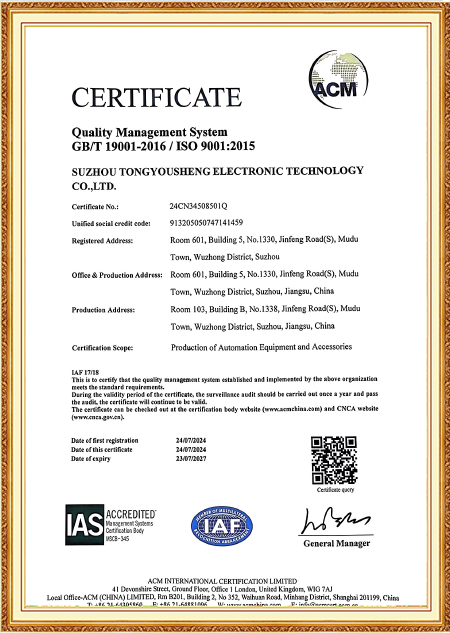
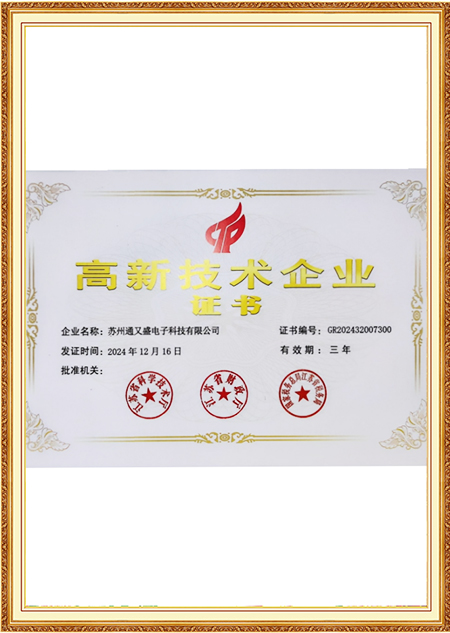
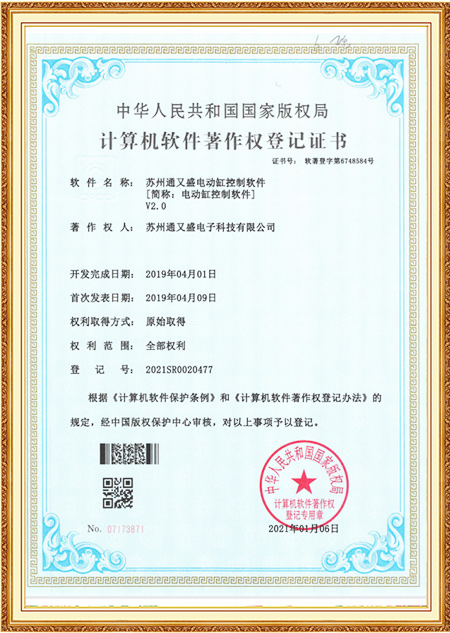
Product specifications provide useful information, but engineering support and manufacturing capability are equally important during project development. Automation projects frequently require customized stroke lengths, mounting interfaces, cable routing methods, or application-specific configurations. Manufacturers with in-house research, precision machining resources, and product development teams are generally better positioned to support these engineering adjustments throughout the project cycle. Through continuous investment in research, advanced design software, precision CNC machining equipment, and collaboration across industrial and academic sectors, Suzhou Tongyousheng Electronic Technology Co., Ltd. continues to develop automation products that address practical industrial applications while supporting customers seeking flexible motion solutions for evolving production requirements.
FAQ
Q: How do I choose the right stroke length for a Small Linear Motor Module?
A: The appropriate stroke length depends on the actual travel distance required by the application, along with additional space for acceleration, deceleration, and safety margins. Selecting a stroke that closely matches the working range can help optimize equipment size while providing sufficient motion for positioning and future process adjustments.
Q: Can a Small Linear Motor Module maintain positioning accuracy during continuous high-speed operation?
A: Positioning stability during continuous operation depends on factors such as payload, motion profile, encoder resolution, servo tuning, mechanical rigidity, and installation quality. A properly matched module operating within its designed load range is more likely to deliver consistent repeatability over extended production cycles.
Q: What factors should be considered when integrating a Small Linear Motor Module into automated equipment?
A: Engineers should evaluate mounting space, installation orientation, payload characteristics, controller compatibility, cable routing, environmental conditions, and communication interfaces before integration. Considering these factors during the design stage helps simplify commissioning and supports stable system performance after installation.
Q: Is customization available for different Small Linear Motor Module applications?
A: Many automation projects require customized stroke lengths, mounting interfaces, or structural configurations to match specific equipment designs. Manufacturers with in-house research, engineering, and precision machining capabilities, such as Suzhou Tongyousheng Electronic Technology Co., Ltd., can provide technical support for application-specific solutions based on project requirements.
Q: Why is the manufacturer's engineering capability important when selecting a Small Linear Motor Module?
A: Beyond product specifications, engineering capability influences product development, manufacturing consistency, technical support, and customization options. Companies that integrate research, design, precision machining, and production are generally able to respond more effectively to changing automation requirements while supporting long-term equipment development.



 English
 Français
 русский
 عربى
عربى Español
 Deutsch