How to Reduce Heat Generation in Large Linear Motor Modules?
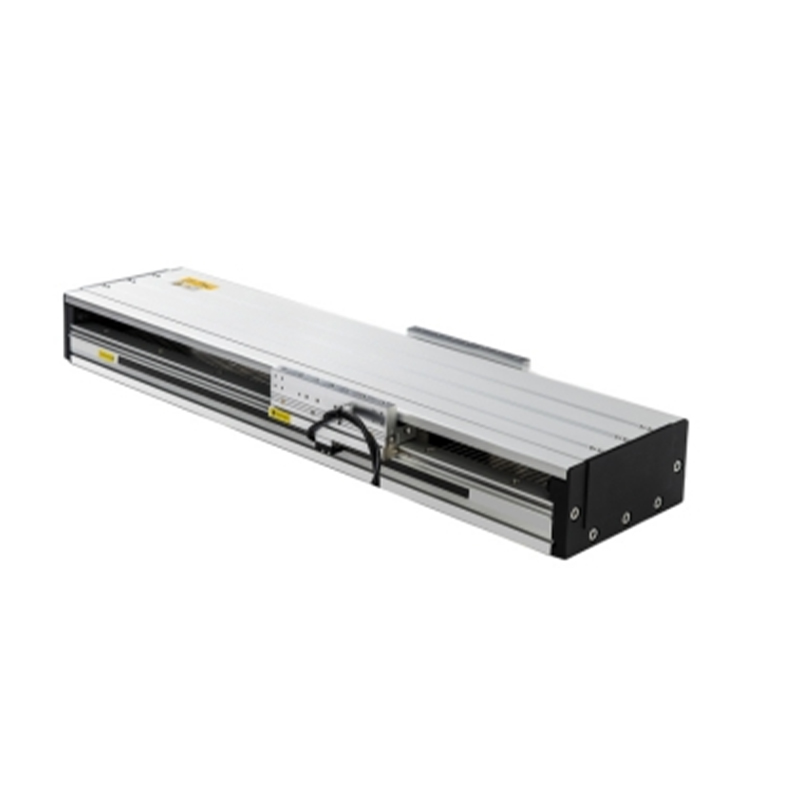
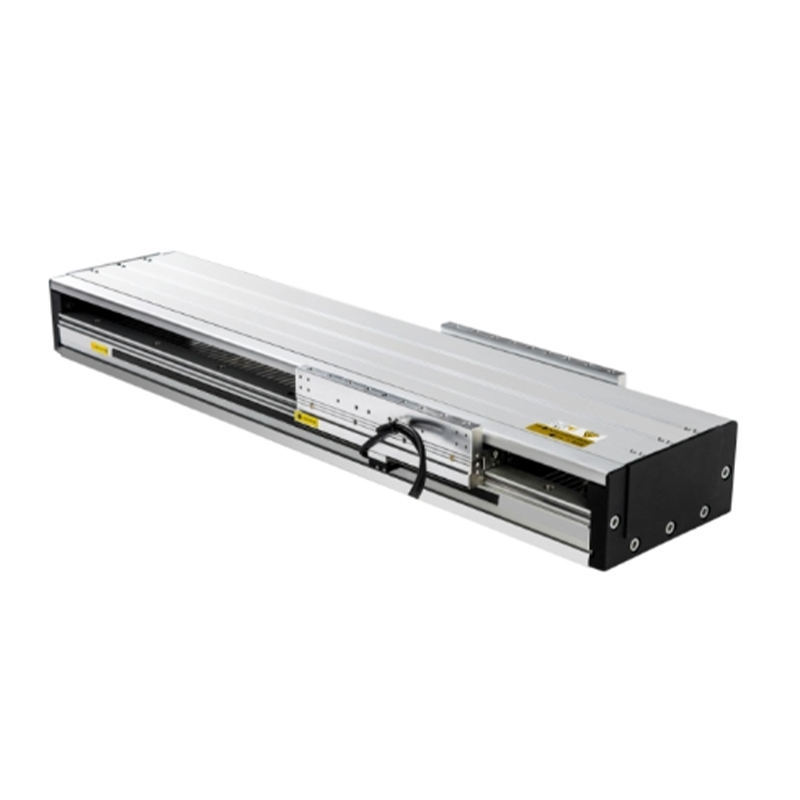
Heat management is a key consideration in the design and application of large linear motor modules, especially in industrial automation systems that require long operating cycles, high acceleration, and stable positioning performance. Unlike traditional transmission systems that rely on mechanical contact components, linear motor modules use electromagnetic force to achieve direct motion, which changes the sources and control methods of heat generation. Understanding thermal behavior helps engineers select suitable configurations and improve system reliability.
Understanding the Main Causes of Heat Generation in Large Linear Motor Modules
The heat generated by a large linear motor module mainly comes from electrical losses, mechanical factors, and operating conditions. During operation, the resistance of the motor coil causes copper losses when current passes through the winding. Higher current requirements for greater thrust will increase heat production, especially when the module operates near its maximum load capacity for extended periods.
Another factor is the thermal influence of continuous acceleration and deceleration cycles. Applications such as automated production lines, precision handling systems, and high-speed inspection equipment often require frequent motion changes. These repeated operations increase the energy conversion demand of the motor and may lead to higher temperatures if the thermal design is not properly considered.
Mechanical components also affect temperature performance. Although large linear motor modules reduce friction compared with traditional mechanical transmission structures, guide rails, bearings, and moving components still generate a certain amount of heat during continuous movement. Proper structural design and component selection are important for maintaining stable operation.
Optimizing Motor Design to Control Thermal Load
The motor structure plays an important role in controlling heat generation. Engineers usually evaluate factors such as coil design, magnetic circuit structure, and material selection when developing large linear motor modules. A suitable electromagnetic design can help balance required thrust output and energy consumption, reducing unnecessary heat accumulation during operation.
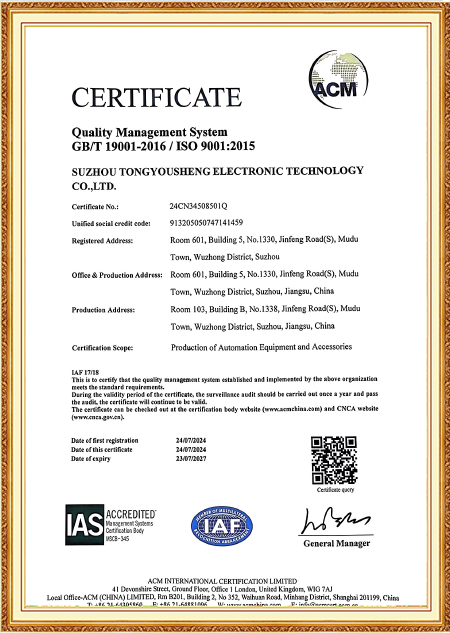
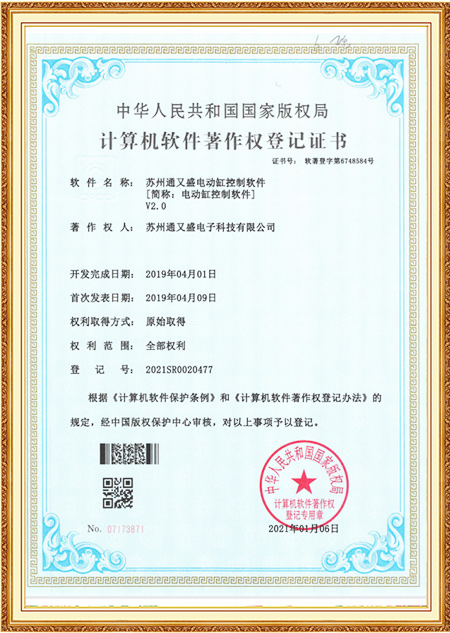
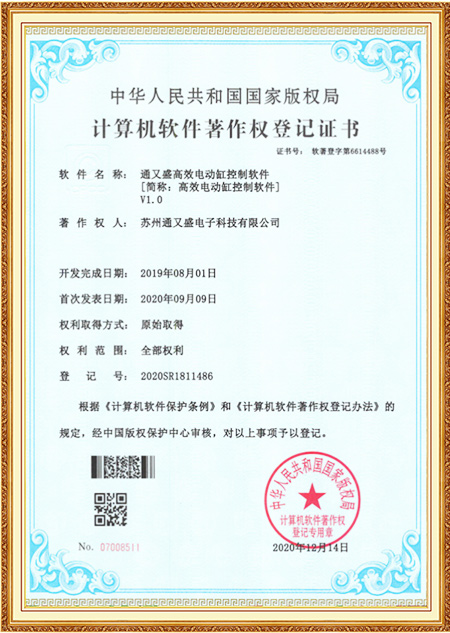
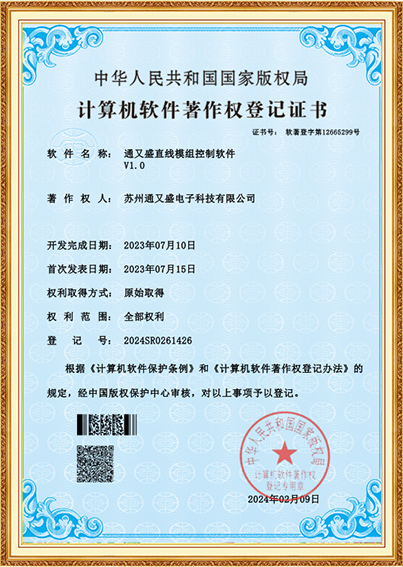
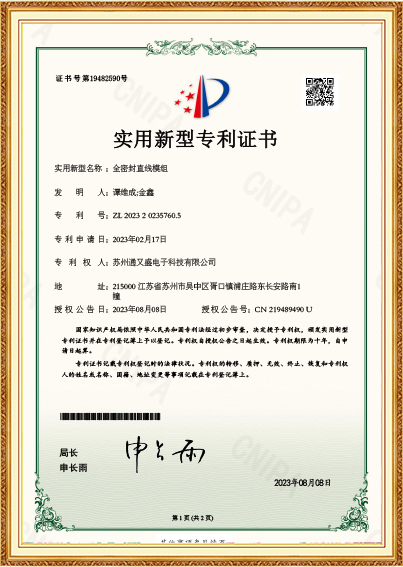
As a manufacturer specializing in automation equipment and motion control components, Suzhou Tongyousheng Electronic Technology Co., Ltd. focuses on integrating engineering design, production capabilities, and application experience into linear motion solutions. Its R&D process considers practical industrial requirements, including operating frequency, load conditions, and environmental factors, to support stable performance in different automation scenarios.
| Thermal Factor |
Influencing Element |
Design Consideration |
| Electrical Loss |
Motor current and winding resistance |
Balance thrust requirements with suitable electrical parameters |
| Operating Cycle |
Acceleration, speed changes, continuous movement |
Evaluate duty cycle and thermal capacity during application design |
| Mechanical Heat |
Guide system friction and moving components |
Select appropriate structural configurations and precision components |
Improving Heat Dissipation Through Structural Design
Effective heat dissipation depends not only on the motor itself but also on the overall module structure. Large linear motor modules often require carefully designed heat paths to transfer generated heat away from critical areas. The base structure, mounting materials, and component arrangement influence how quickly heat can be released into the surrounding environment.
For applications requiring extended operation, engineers may consider enhanced cooling methods based on the working environment. Passive heat dissipation through optimized mechanical structures can meet many standard automation requirements, while more demanding applications may require additional thermal management solutions.
The installation method also affects heat distribution. A rigid and stable mounting surface helps maintain consistent contact between the module and the equipment frame, supporting more predictable thermal behavior. Incorrect installation conditions may create localized temperature increases and influence long-term operating stability.
Managing Continuous Thrust and Peak Thrust Requirements
One common mistake in linear motor applications is selecting a module based only on peak thrust values. Peak thrust represents short-term output capability, while continuous thrust reflects the motor's ability to operate under sustained conditions. For large linear motor modules, continuous operation parameters are often more important when evaluating thermal performance.
| Parameter |
Meaning |
Thermal Impact |
| Peak Thrust |
Maximum force available for short periods |
May increase temperature quickly if frequently used |
| Continuous Thrust |
Force maintained during long operation |
Directly influences long-term thermal stability |
| Duty Cycle |
Ratio of operating time to total cycle time |
Determines heat accumulation and cooling requirements |
When selecting a large linear motor module, engineers should analyze actual movement patterns instead of focusing only on maximum specifications. Matching the motor capacity with the application workload can reduce unnecessary energy consumption and help maintain appropriate operating temperatures.
The Role of Control Systems in Thermal Management
Motion control parameters have a direct relationship with heat generation. Acceleration settings, velocity profiles, and current control strategies influence how much energy the motor consumes during operation. Proper adjustment of these parameters can reduce excessive current demand while maintaining required motion performance.
A coordinated control system allows the linear motor module to operate according to real application requirements. For example, reducing unnecessary acceleration peaks or optimizing movement paths can lower thermal stress during repetitive production cycles. This approach is widely used in precision automation equipment where both speed and stability are required.
Application Considerations for Industrial Automation Systems
Different industries have different thermal requirements for large linear motor modules. Semiconductor equipment, precision assembly systems, inspection platforms, and automated manufacturing lines may operate under different speed, load, and environmental conditions. Therefore, thermal management strategies should be developed according to the specific application rather than using a single standard approach.
Environmental factors such as ambient temperature, dust conditions, installation space, and operating duration should also be evaluated during system design. A suitable large linear motor module factory should be able to provide technical guidance based on these practical conditions, including configuration selection and customized design support.
Technical Evaluation Before Purchasing a Large Linear Motor Module
Before purchasing a large linear motor module, engineers should review several technical parameters related to thermal performance. A detailed evaluation helps ensure that the selected module can meet production requirements while maintaining stable operation over time.
| Evaluation Item |
Key Question |
| Load Requirement |
Does the module provide suitable continuous thrust for the application? |
| Operating Cycle |
How frequently will the module accelerate, stop, and repeat movements? |
| Cooling Condition |
Is the installation environment suitable for required heat dissipation? |
| Control Matching |
Are motion parameters optimized for energy efficiency? |
Reducing heat generation in large linear motor modules requires cooperation between electromagnetic design, mechanical engineering, thermal management, and motion control. By evaluating the complete operating environment and selecting suitable specifications, manufacturers and users can build more stable automation systems for long-term industrial applications.
How to Improve the Acceleration Performance of a Large Linear Motor Module?
Acceleration performance is a critical factor in evaluating the dynamic capability of a large linear motor module. In modern industrial automation systems, higher production efficiency often requires motion platforms to reach target speeds quickly while maintaining positioning stability and operational reliability. Unlike traditional transmission structures, linear motor modules generate direct electromagnetic driving force, which provides different opportunities and challenges in acceleration optimization. Improving acceleration performance requires coordinated consideration of motor design, mechanical structure, control technology, and application conditions.
Analyzing the Relationship Between Thrust and Moving Load
The acceleration capability of a large linear motor module is closely related to the available driving force and the total moving mass. According to basic motion principles, higher thrust and lower moving weight allow the system to achieve faster acceleration. However, industrial applications usually involve different payload requirements, so engineers need to balance acceleration targets with load capacity and long-term operating conditions.
When designing an automation system, the weight of the moving platform, workpiece, fixtures, and additional components should all be considered. A large linear motor module manufacturer needs to evaluate these factors together instead of focusing only on motor output parameters. Proper matching between thrust capacity and application requirements helps prevent unnecessary energy consumption and supports stable movement performance.
| Key Parameter |
Influence on Acceleration |
Engineering Consideration |
| Motor Thrust |
Provides the force required for movement acceleration |
Select suitable thrust according to actual workload |
| Moving Mass |
Affects the force needed for speed changes |
Reduce unnecessary structural weight where possible |
| Payload Variation |
Changes the dynamic response of the system |
Consider different operating conditions during design |
Optimizing the Mechanical Structure for Dynamic Response
The mechanical structure of a large linear motor module directly affects its acceleration performance. During rapid movement, the module must maintain sufficient rigidity to reduce deformation and vibration. If the structure lacks stability, excessive vibration may occur during acceleration and deceleration, which can influence positioning accuracy and shorten the service period of mechanical components.
Structural optimization usually involves the design of the base, moving platform, guide system, and connection parts. Lightweight materials and reasonable structural layouts can reduce moving inertia while maintaining the required strength. This allows the motor force to be used more effectively, improving the response speed of the entire motion system.
With experience in automation equipment development, Suzhou Tongyousheng Electronic Technology Co., Ltd. integrates product design, manufacturing capabilities, and engineering analysis into its motion control solutions. The use of professional design software and precision machining equipment supports the development process of linear motion products for different industrial applications.
Balancing Peak Thrust and Continuous Thrust Requirements
Acceleration improvement is not only determined by maximum thrust. Large linear motor modules normally have both peak thrust and continuous thrust specifications, and these parameters represent different operating capabilities. Peak thrust is mainly related to short-duration acceleration requirements, while continuous thrust reflects the ability to maintain force during extended operation.
For automation equipment that requires frequent acceleration cycles, selecting a suitable continuous thrust level is important. A system that frequently operates near its maximum capacity may generate additional thermal load and affect motion stability. Engineers should analyze the duty cycle and movement frequency before determining the appropriate motor specification.
| Thrust Type |
Application Role |
Acceleration Impact |
| Peak Thrust |
Supports short-term high-force movement |
Helps achieve rapid acceleration during specific operations |
| Continuous Thrust |
Maintains long-duration operation |
Supports stable repeated acceleration cycles |
| Force Reserve |
Provides additional capability for changing loads |
Improves adaptability under variable conditions |
Improving Acceleration Through Motion Control Adjustment
The control system is another important element affecting acceleration performance. Even with a suitable mechanical structure and motor configuration, incorrect control parameters may limit the actual performance of a linear motor module. Acceleration curves, speed profiles, and servo response settings should be adjusted according to the characteristics of the complete system.
A properly configured control strategy helps the module respond smoothly to movement commands. Excessively aggressive acceleration settings may create vibration or overshoot, while conservative settings may reduce production efficiency. The goal is to achieve a suitable balance between response speed, positioning accuracy, and operational stability.
Reducing Vibration During High-Speed Acceleration
High acceleration places greater requirements on the rigidity and stability of a linear motion system. Vibration problems may occur when mechanical structures, loads, and control parameters are not properly matched. These issues can affect precision processes and reduce the consistency of automated operations.
To manage vibration, engineers typically evaluate installation accuracy, guide system performance, load distribution, and feedback response. A stable feedback system allows the controller to monitor movement conditions and make adjustments during operation, supporting smoother acceleration processes.
Considering Application Requirements in Industrial Automation
Different automation fields require different acceleration characteristics. Applications involving precision assembly, automated inspection, material handling, and intelligent manufacturing equipment may have different expectations for speed, load, and positioning performance. Therefore, the design of a large linear motor module should be based on the specific working environment rather than general specifications.
Factors such as working frequency, movement distance, environmental conditions, and installation space should be evaluated during product selection. A professional manufacturer can provide technical guidance by analyzing these application requirements and recommending suitable configurations for the automation system.
Important Parameters for Selecting a Large Linear Motor Module
Before choosing a large linear motor module, engineers should review several technical parameters related to acceleration performance. A comprehensive evaluation helps ensure that the selected system can meet production requirements while maintaining stable operation.
| Parameter |
Evaluation Purpose |
| Maximum Acceleration |
Determine whether the module meets required movement speed changes |
| Positioning Accuracy |
Ensure acceleration does not affect motion precision |
| Load Capacity |
Match the module with actual production conditions |
| Control Compatibility |
Confirm proper interaction between motor and control system |
Improving the acceleration performance of a large linear motor module involves a complete engineering approach covering mechanical design, motor selection, thermal management, and control optimization. By combining technical research capabilities with practical manufacturing experience, automation solution providers can develop motion systems that meet the requirements of modern intelligent manufacturing environments.



 English
 Français
 русский
 عربى
عربى Español
 Deutsch