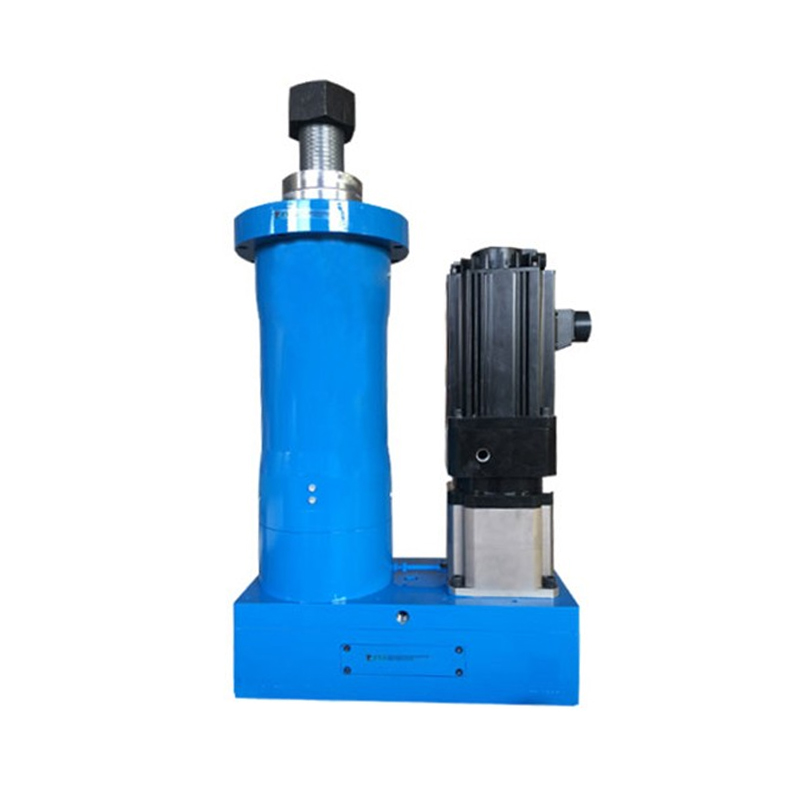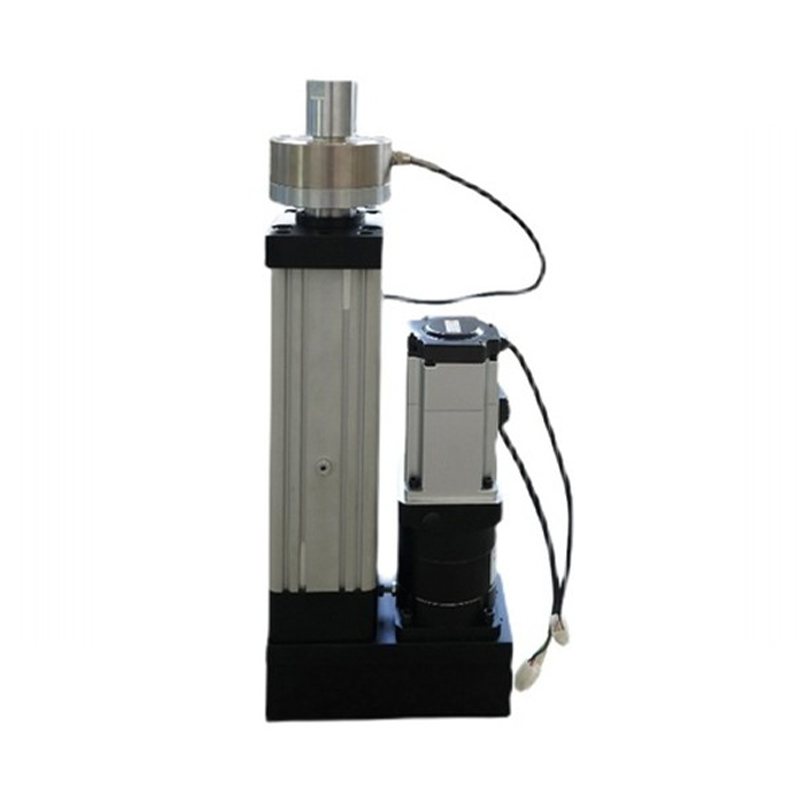
Waterproof Electric Cylinder Custom

Home / Products / Electric Cylinder / Waterproof Electric Cylinder

About Us
Suzhou Tongyousheng Electronic Technology Co., Ltd.

Suzhou Tongyousheng Electronic Technology Co., Ltd. is a leading high-tech enterprise integrating R&D, production and sales, specializing in the design, manufacturing and distribution of premium automation equipment and components—including electric cylinders, linear slide modules, linear motor modules, servo presses, robotic 7th axes, and six-degree-of-freedom platforms.

As China Waterproof Electric Cylinder Manufacturers and Waterproof Electric Cylinder Suppliers, we recognize technological innovation as the cornerstone of sustainable growth. Our R&D team, composed of industry veterans with deep technical expertise and extensive hands-on experience, serves as the engine driving our continuous progress. By pushing technical boundaries, accelerating product iteration, and pioneering industry advancements, we have secured a portfolio of core patents that underscore our leadership in automation and deliver a decisive competitive edge. We further reinforce our capabilities with state-of-the-art R&D tools, professional design software, and high-precision CNC machining centers, ensuring every development effort is backed by world-class resources.

Through years of relentless exploration and execution, Tongyousheng has established itself as an industry benchmark, renowned for its robust R&D, cutting-edge products, and uncompromising quality. We are dedicated to advancing the Industry 4.0 revolution, collaborating with state-owned enterprises, defense technology institutions, and top-tier universities to build a deeply integrated ecosystem of industry, academia, and research—pushing the frontiers of intelligent manufacturing together. At the heart of our mission is a commitment to delivering automation solutions that are intuitive to operate, highly efficient, ultra-reliable, and cost-effective. Every product we create is a reflection of our technical ingenuity and a direct response to our customers' evolving needs.
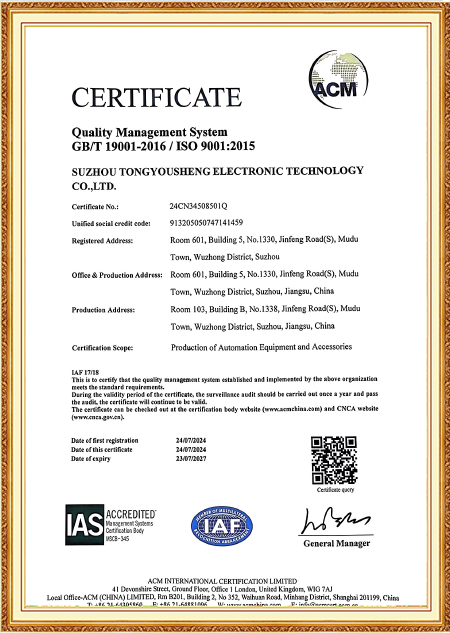
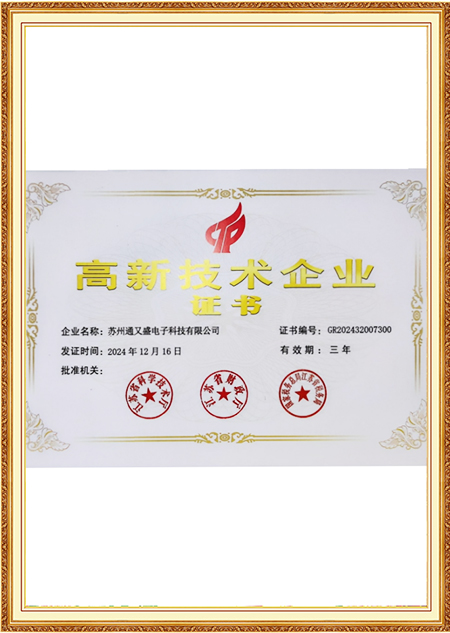
Certificate Of Honor
  • ISO 9001:2015 Certificate
  • High-tech Enterprise Certificate
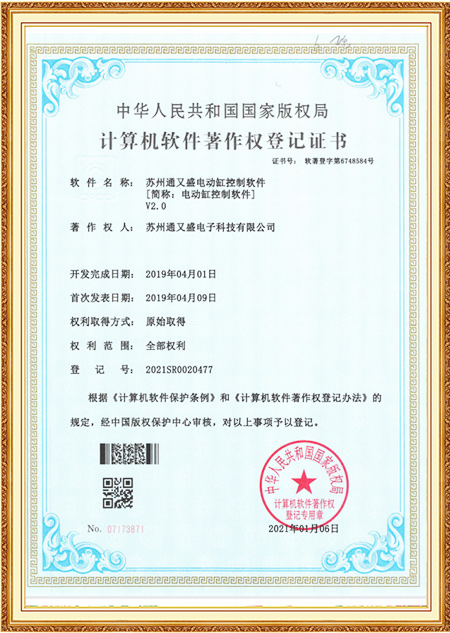
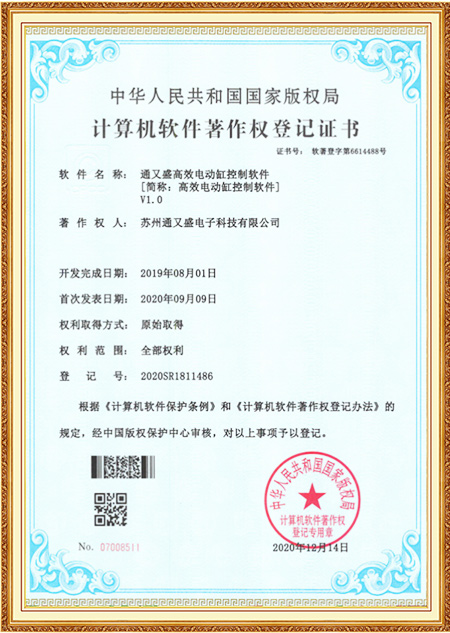
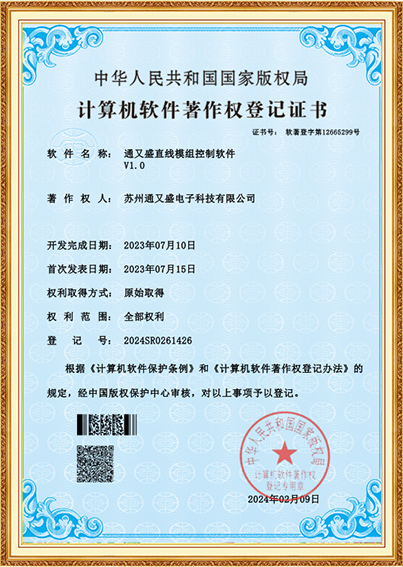
  • Copyright Certificate
  • Copyright Certificate
  • Software Copyright Certificate
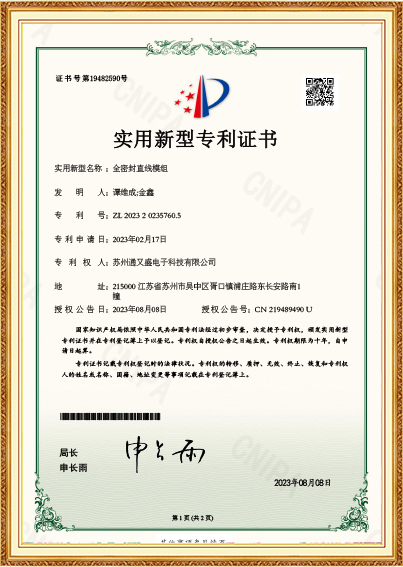
  • Patent Certificate
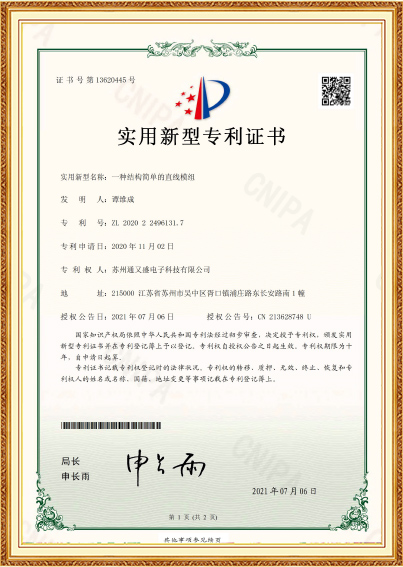
  • Patent Certificate
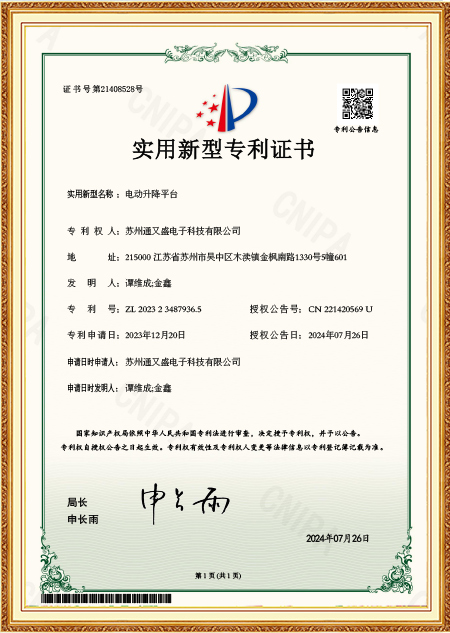
  • Patent Certificate
Message Feedback
Blog
Waterproof Electric Cylinder Industry knowledge

Waterproof Electric Cylinder: What IP Rating Testing Actually Checks and Why the Lip Seal Wears Unevenly

A Bottling Line Washdown Station That Passed Spec but Still Let Moisture In

A beverage packaging line running twelve washdown cycles a day started seeing intermittent encoder faults on one axis after about five months of service, even though the cylinder installed carried an IP67 rating on its datasheet and had passed incoming inspection. Pulling the unit apart showed no bulk water ingress — the housing seals were intact — but there was a thin film of condensation around the piston rod bushing, concentrated on the side of the rod that extended furthest during the most frequent stroke position. The datasheet rating wasn't wrong; it just described a static immersion condition the unit had passed once in a lab, not the specific wear pattern that builds up on a rod seal cycling in the same narrow travel band thousands of times a day.

What an IP Rating Test Actually Measures, and What It Doesn't

IP67 testing under IEC 60529 involves submerging the unit at a defined depth for a defined duration in a static condition — the cylinder isn't cycling during the test, and the rod isn't moving in and out through the seal lip while submerged. That's a meaningful baseline, but it doesn't capture what happens to a lip seal after tens of thousands of reciprocating cycles, where the sealing edge itself gradually wears down and the interference fit that kept water out on day one slowly degrades. A rating obtained through a single static dip test says the housing and static joints hold up; it says very little about long-term dynamic sealing performance at the one moving interface that matters most on a waterproof electric cylinder — the rod-to-housing seal.

Static immersion test at IP67/IP68 baseline Confirms housing and static joint integrity at rated depth, but the rod isn't cycling during the test
High-pressure spray test at IP69K Checks resistance to jet impingement at close range, without accounting for cumulative seal degradation over service life
Cyclic dynamic seal test Measures lip seal wear rate under an actual stroke pattern, though this isn't part of the standard IP certification scope

This gap between certification testing and field performance is why a supplier's internal test protocol matters more than the printed IP number alone. A cylinder can legitimately carry an IP67 rating from third-party certification and still develop the kind of localized wear the bottling line saw, if the manufacturer never ran the unit through a representative duty cycle before shipment to catch how the seal behaves once real reciprocating motion is added to the equation.

Why the Lip Seal Wears Unevenly Rather Than All at Once

A rod seal doesn't wear uniformly around its circumference or along the stroke length — it wears fastest where contact pressure and cycling frequency are highest, which is usually the section of rod travel used most often in a given application rather than the full stroke length. On the bottling line, the axis spent most of its cycles in a narrow band near mid-stroke, and that's exactly where the seal lip showed the most material loss when it was inspected. Lubricant film thickness plays into this too: a seal running dry or with degraded lubrication wears faster than one where a consistent film is maintained between the lip and the rod surface, and washdown chemicals used on food and beverage lines can strip that film faster than a standard industrial lubricant is formulated to resist.

Concentrated stroke usage in one narrow band Produces localized, uneven wear along the rod travel rather than spreading it across the full stroke
Lubricant film breakdown from washdown chemicals Accelerates lip wear and brings on micro-leakage earlier than expected
Seal material hardness mismatch to rod finish Speeds up abrasive wear if the rod surface roughness runs coarser than the seal compound was matched for

The practical implication is that waterproof service life isn't a single number that applies uniformly across every application — a cylinder rated for a given cycle count under general conditions can wear out its seal considerably faster if the actual duty cycle concentrates motion in a narrow band or if the washdown chemistry is more aggressive than the seal compound was selected for.

How Testing Before Shipment Can Close That Gap

Suzhou Tongyousheng Electronic Technology Co., Ltd. runs cyclic dynamic sealing checks on waterproof electric cylinder units built for washdown-heavy applications, cycling the rod through a representative stroke pattern under submersion or spray exposure rather than relying only on the static IP test result, and inspects the seal lip condition afterward for early signs of the kind of localized wear that a single static dip test would never surface. That additional step doesn't change the printed IP rating, since the rating itself is defined by the static standard, but it does catch seal or lubrication mismatches specific to a customer's actual duty cycle before the unit ships rather than five months into production.

What a Buyer Running a High-Cycle Washdown Application Can Ask

Beyond asking what IP rating a cylinder carries, a buyer can ask whether that rating was verified only through the standard static test or also under a cyclic duty pattern resembling the actual application, and what seal material and lubricant combination is specified for washdown chemical exposure specifically. Asking where in the stroke length the seal is expected to see the most wear, and whether that matches the application's actual usage pattern, tends to surface mismatches between a generic rating and real field conditions well before they show up as an intermittent fault on the production floor.