


 English
 Français
 русский
 عربى
 Español
 Deutsch
Tel
+86 186 2508 0683

A compact linear actuator is not automatically the smallest or best motion solution. The real question is whether it saves space in the installed machine, after accounting for motor position, cable bend radius, mounting stiffness, rod support, and maintenance access. A unit that looks short on a drawing can become long, wide, or awkward once the motor, couplings, sensors, and guards are fitted. That distinction matters most in compact linear actuator projects where every millimetre affects enclosure size, cycle time, or serviceability.
The practical conclusion is straightforward: select a compact linear actuator by comparing the whole installed envelope, not just the actuator body. Start with the motion profile and the mounting structure, then choose the architecture. Compactness usually comes from one of four design moves: folding the motor alongside the screw, embedding the guide inside a low-profile rail, using a direct-drive linear motor, or reducing stroke through a telescopic stage. Each move solves one problem and introduces another.
Compact linear actuator datasheets often list body length, stroke, thrust, speed, and precision. Those numbers are necessary, but they are not the purchasing decision. The installed envelope includes the retracted length, the extended length, the motor and gearbox overhang, the connector space, the moving carriage, and the clearance required for the load attachment. In a machine with a closed frame or a sliding guard, the cable exit direction can add more width than the actuator itself.
A useful test is to draw three envelopes: shipping envelope, installed static envelope, and swept dynamic envelope. The swept envelope is the one that catches most late-stage redesigns because it includes the load bracket, the rod end, and any sideways clearance. For a rod-style electric cylinder, the extended length can dominate the layout even when the retracted length is short. For a rail-based module, the carriage overhang and the mounting flatness can dominate precision more than the nominal lead accuracy.
This is also where “compact” becomes a system term. A short actuator mounted on a flexible plate is not compact in practice because the plate must be thicker or the actuator must be derated. A slightly longer actuator mounted on a stiff machined surface can deliver better accuracy with less structure. Buyers should ask for the mounting interface dimensions and the allowable load moments, not only the thrust rating.
Compact linear actuators are available as inline electric cylinders, foldback electric cylinders, small linear motor modules, rail-embedded ball screw stages, and telescopic units. The architecture determines where the space goes and which performance limit arrives first. Inline cylinders keep the motor in line with the screw, which can simplify the drive train but adds length. Foldback cylinders place the motor beside or below the screw through a belt or gear stage, reducing overall length at the cost of width and extra transmission components. Linear motor modules remove the screw and nut, improving speed and dynamic response, but heat, magnetic attraction, and contamination control become more important. Rail-embedded ball screw modules keep the profile low and stiff, yet they depend heavily on mounting flatness and lubrication.
| Architecture | Best fit | What to check first | Common integration risk |
|---|---|---|---|
| Inline electric cylinder | Rod-style push, pull, or lift duty where the motor can sit behind the screw | Retracted and extended length, rod buckling, side-load allowance | The motor and encoder add length that was not reserved in the frame |
| Foldback electric cylinder | Short overall length when the motor can be folded beside the screw | Parallel clearance, belt or gear stage, tension and service access | Width and belt maintenance replace the length problem |
| Small linear motor module | High speed, high acceleration, and low-maintenance positioning | Heat removal, magnetic attraction, encoder resolution, cable management | Ferrous dust or poor heat paths reduce performance |
| Rail-embedded ball screw module | Low-profile precision motion with good stiffness | Mounting flatness, lubrication, contamination protection, moment load | Overhung loads twist the carriage or shorten guide life |
For many compact linear actuator applications, the electric cylinder is the most familiar choice because it replaces a pneumatic cylinder without needing a compressor and valve stack. The electric cylinder range includes inline, foldback, telescopic, waterproof, explosion-proof, and wide-temperature variants, which shows why the first selection step should be the machine envelope rather than the nominal thrust alone. Inline units are easier to align with a push point, but they need length behind the load. Foldback units can shorten that length, provided the motor can sit beside the screw and the wider package still fits.
 Compact Foldback Parallel Electric Cylinder TYSC045For tight machine envelopes, this foldback electric cylinder shortens rear length with parallel motor and belt drive; check folded geometry and side-load limits.View Product →
Check the foldback geometry in two positions: fully retracted and fully extended. The belt or gear stage may need tensioning space, and the motor may need airflow or a connector that cannot face a guard. Also confirm the side-load limit. A compact cylinder with a long rod and a heavy offset tool can bend or wear its bearing even if the axial thrust rating looks adequate. If the load is guided externally, the actuator should not be forced to carry the guide moment.
When the duty cycle is short, fast, and repetitive, a small linear motor module can be a better compact linear actuator than a screw-driven cylinder. There is no screw whipping limit and no nut wear in the same sense, so the motion can be crisp and the maintenance interval can be longer. The trade-off is that the motor is part of the structure. Heat must go somewhere, the magnet track must be protected from ferrous debris, and the encoder and cable carrier need space that is often wider than the motor coil itself.
 TYSM6-S Compact High-Speed Linear Motor ModuleFor short, fast pick-and-place cycles, this compact module offers high speed and dual-guide stability; verify acceleration with actual tool mass and cable management.View Product →
A compact high-speed module is attractive for pick-and-place, inspection moves, and small-format assembly where the payload is low and the cycle rate is high. Before choosing it, check the acceleration force with the actual moving mass, including the tool and fixture. A module that is fast with an empty carriage can be slow or unstable with a heavy gripper. Cable management is not a detail; a stiff cable loop can add side force and disturb micro-positioning.
Rail-embedded ball screw modules put the guide and screw into a shallow profile, which makes them useful when the machine must stay low and still carry a precise tool. The compactness is structural, not just cosmetic. The rail and carriage share a common base, so mounting flatness and stiffness directly affect positioning quality. For a compact linear actuator used in metrology, dispensing, or small-part assembly, the mounting surface can be as important as the lead accuracy.
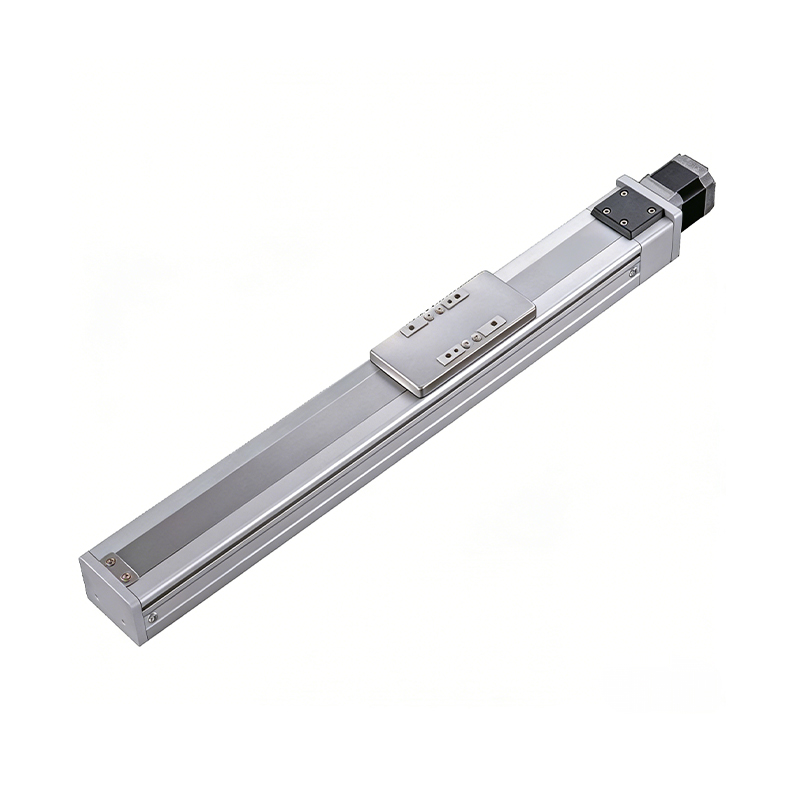 Rail-Embedded Ball Screw Linear Module, ±0.01 mmFor low-profile precision positioning, this rail-embedded ball screw module integrates guide and screw; review moment load in extended positions, lubrication, and contamination protection.View Product →
Check the moment load in the worst-case extended position. A low-profile stage can carry a surprising vertical load but still deflect or wear under a cantilevered tool. Review lubrication access, wiper condition, and contamination exposure. In dusty or coolant-rich environments, a compact stage that is fully enclosed may be larger than an open stage but smaller than the protective cover that would otherwise be needed.
Compact linear actuators are often selected at the edge of their load rating because the machine needs a small package. That is acceptable only when the duty cycle and moment loads are checked together. A actuator that holds a static load well may fail early when the same load is moved at high acceleration or with an offset centre of gravity. The following checks should be completed before comparing prices:
A useful rule is to derate a compact actuator when the load is offset, the speed is high, or the mounting plate is thin. The derating does not have to be dramatic, but it should be explicit. Procurement teams should ask for the calculation basis, not just a “yes” from a catalogue table.
Space saved in the machine frame can be lost again through environmental protection. A compact linear actuator for a washdown area may need IP65 or IP68 protection, stainless hardware, or a sealed cable entry. An explosion-proof area may require a different motor and housing, which changes the envelope. A high-temperature zone may need heat-resistant lubrication and a wider clearance for expansion. These are not upgrades to add after the mechanical design is fixed; they change the package.
Controls also affect compactness. A servo drive, encoder cable, brake cable, and home sensor can add a connector block that is wider than the actuator. If the machine uses a distributed drive mounted near the axis, the cabinet shrinks but the machine frame gains a small enclosure. If the drive is in the main cabinet, cable length and shielding become part of the motion quality. The best time to settle this is before the frame drawing is released.
The most expensive compact actuator is the one that arrives with the wrong interface. Four procurement risks appear repeatedly:
A clean purchase specification should include a dimensioned drawing of the installed package, the load mass and centre of gravity, the motion profile, the required accuracy and repeatability, the environmental rating, and the maintenance access requirement. That package lets the supplier recommend a realistic architecture instead of forcing every requirement into the smallest body.
Compact linear actuators justify their cost when the saved space improves the machine rather than merely shrinking a component. In 3C electronics, small linear motor modules and low-profile ball screw stages fit inside compact assembly and inspection stations where a standard cylinder would crowd the tooling. In medical equipment, smooth motion and a small footprint can improve ergonomics and enclosure design, provided the duty cycle and cleaning environment are defined. In semiconductor and laboratory equipment, rail-embedded stages support precise, repeatable positioning in a low profile.
The same logic applies outside clean manufacturing. Foldback electric cylinders can fit into packaging, test stands, and adjustable fixtures where the motor must sit beside the load. Waterproof and explosion-proof variants extend the idea to demanding environments, but they usually enlarge the envelope, so the space claim must be checked early. Compactness is valuable when it removes a guard, shortens a load path, reduces moving mass, or lets the machine fit the available floor space.
Start with the installed envelope and the load path, then choose the architecture that fits the motion. For a rod-style push point, compare inline and foldback electric cylinders, and check rod support and side load. For a carriage-style tool, compare small linear motor modules and rail-embedded ball screw stages, and check mounting flatness and moment load. Once the architecture is fixed, confirm the motor, encoder, brake, cable exit, environmental protection, and service access. Finally, verify the duty cycle and the mounting structure together.
A compact linear actuator works best when the specification describes the machine, not just the component. The buyer who supplies the real envelope, load case, and maintenance requirement gets a more reliable answer than the buyer who asks for the shortest unit in the catalogue. That is the difference between a compact design and a design that becomes compact again after the third revision.
0.01mm High Precision Ball Screw Driven Rail-Embedded Linear Module
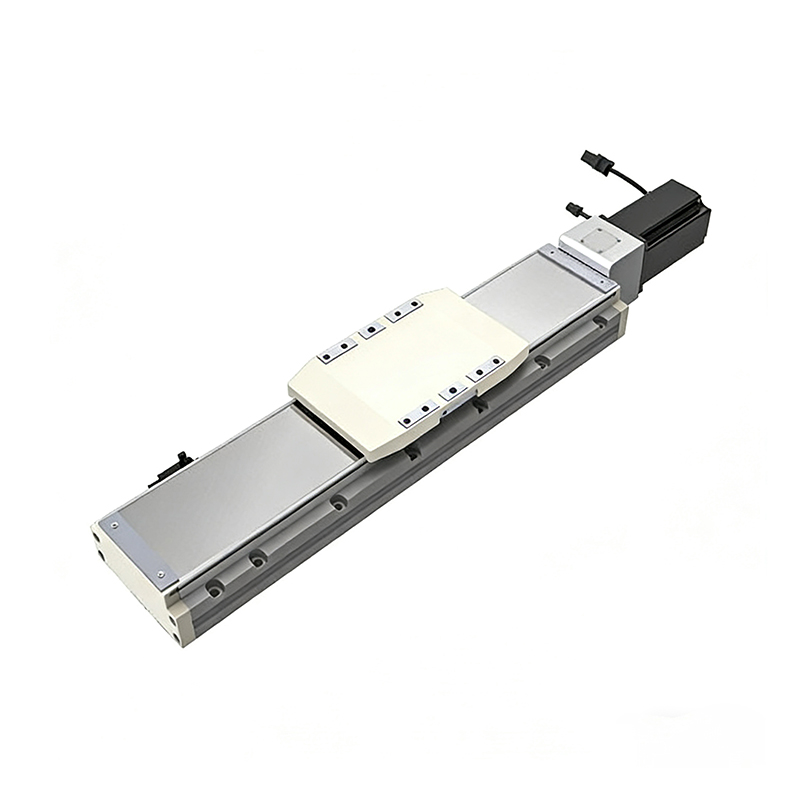 Heavy Load Ball Screw Driven Rail-Embedded Linear Module
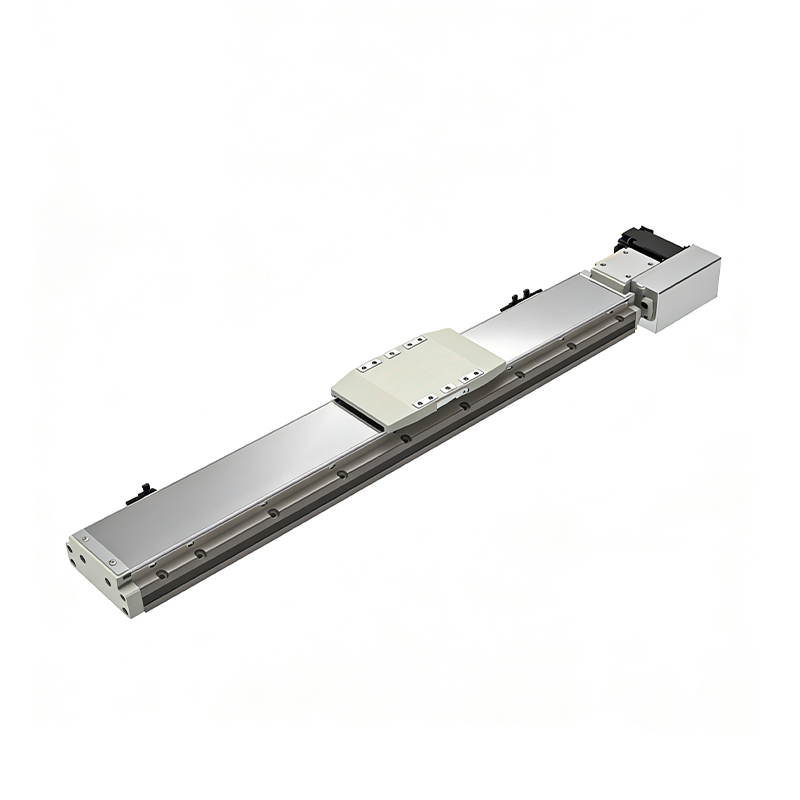 110KG Load Long Stroke Rail-Embedded Linear Module
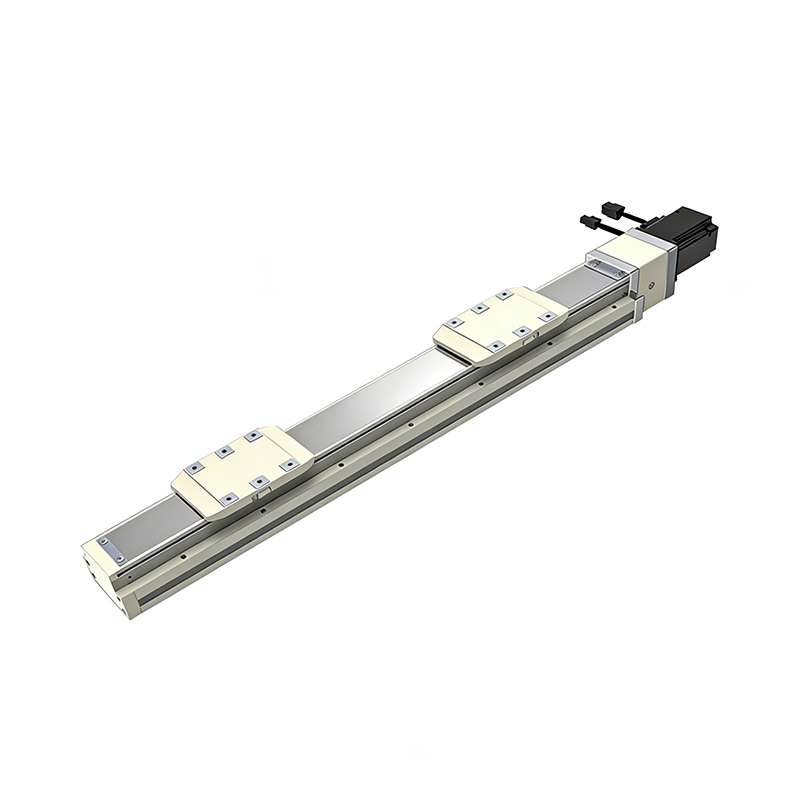 Dual-Slider High Precision Rail-Embedded Linear Module
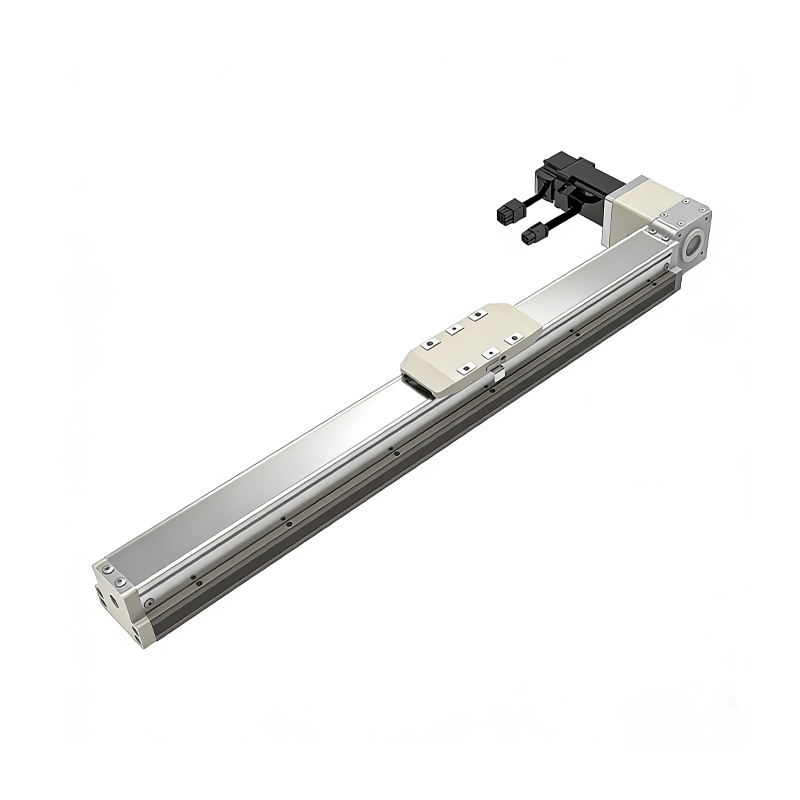 Belt Driven Dust-Proof Rail-Embedded Linear Module
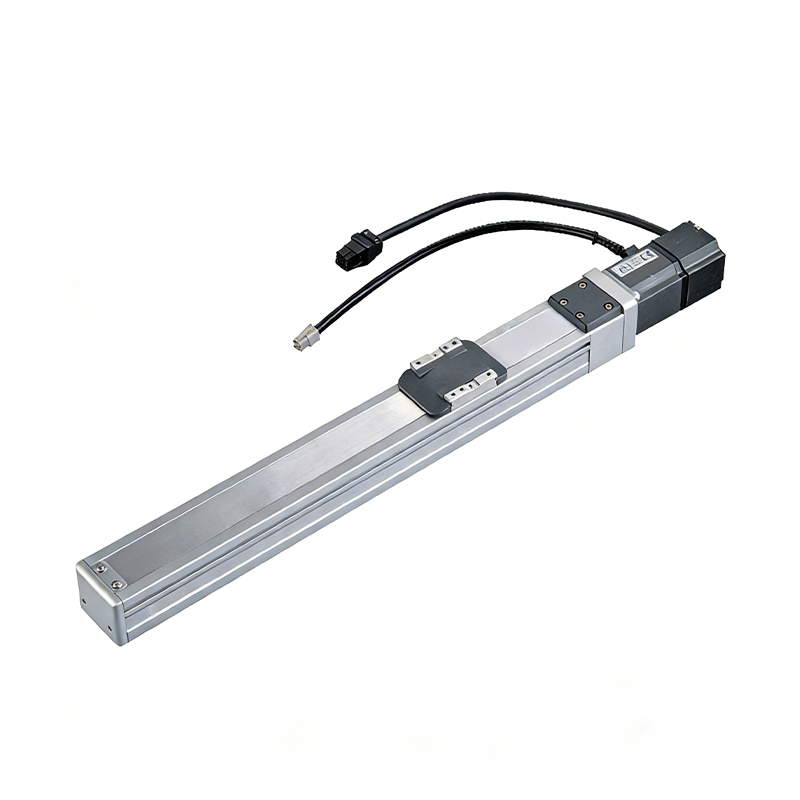 0.01mm High Precision Light Load Ball Screw Linear Module
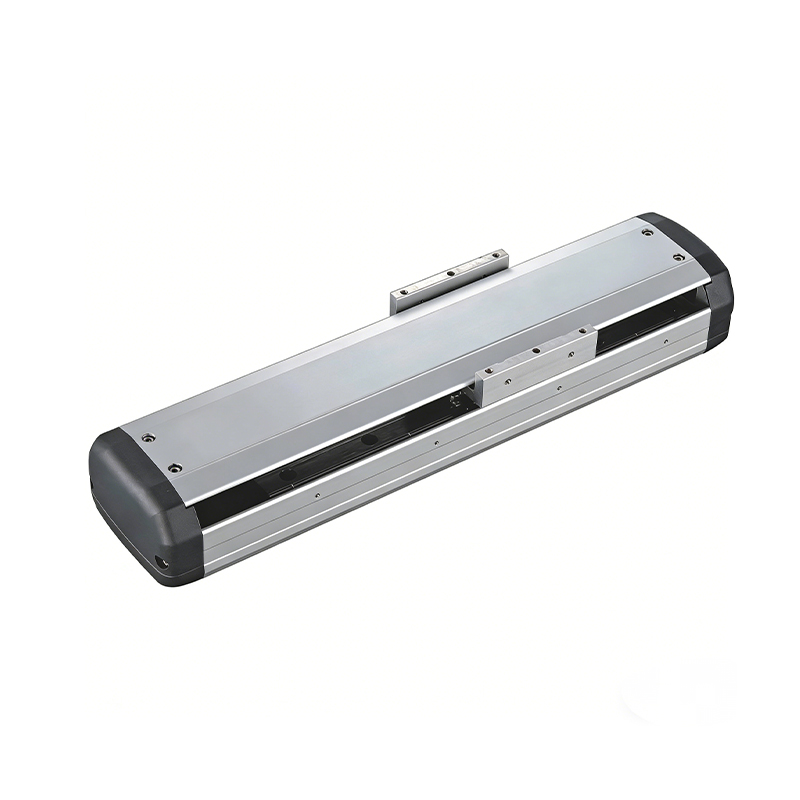 Ball Screw Linear Module with Built-in Sensor
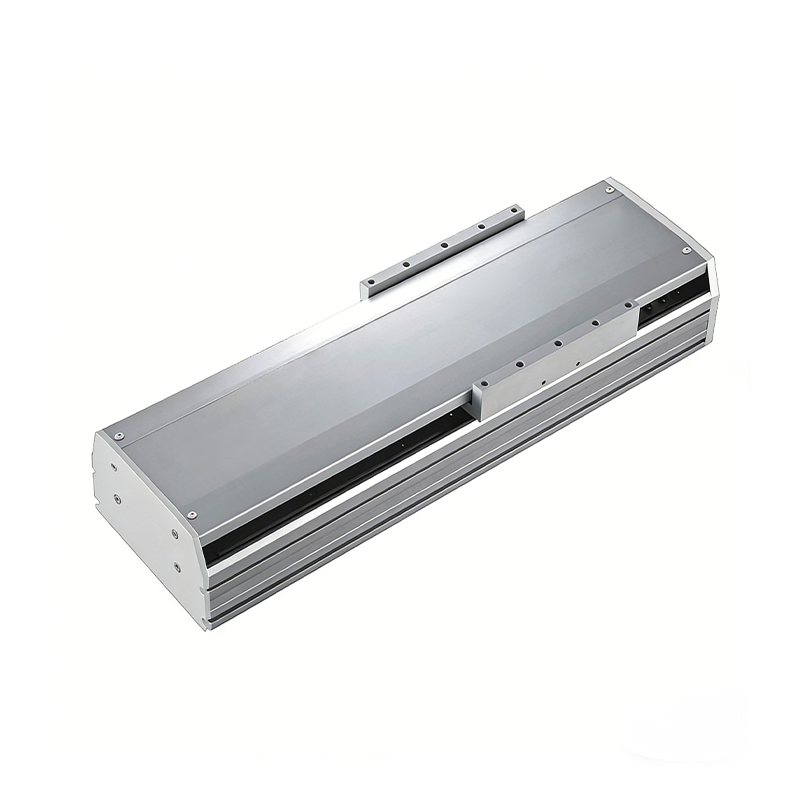 2000mm Long Stroke Ball Screw Linear Module
This 2000mm Long Stroke Ball Screw Linear Module is customized for large-range linear movement automation tasks, support...
READ MOREThis 2000mm Long Stroke Ball Screw Linear Module is customized for large-range linear movement automation tasks, support...
READ MOREThis 2000mm Long Stroke Ball Screw Linear Module is customized for large-range linear movement automation tasks, support...
READ MOREThis 2000mm Long Stroke Ball Screw Linear Module is customized for large-range linear movement automation tasks, support...
READ MORE
If you are interested in our products, please leave us a message. We look forward to providing you with
professional services!
Innovation and transcendence make factory intelligent manufacturing efficient and convenient!
+86 186 2508 0683
19962977901
sales@sz-tys.com
Building 5, Suzhou Mudu International Science and Technology Innovation Park, Jinfeng South Road, Suzhou City, Jiangsu Province, China
