


 English
 Français
 русский
 عربى
 Español
 Deutsch
Tel
+86 186 2508 0683

A 900 kg carriage that indexes 1.2 m every 90 seconds can expose a weak specification before it exposes a weak actuator. Two suppliers may both quote a “heavy duty linear actuator,” yet one unit is rated for 6 kN peak thrust and the other for 6 kN continuous thrust at a stated duty cycle. If the machine needs 5.2 kN during acceleration, 1.8 kN during processing, and carries a 200 mm offset load, the label alone says little about service life. The useful conclusion is simple: heavy duty is a duty point, not a product family. Confirm thrust at the real speed, moment load at the carriage, cycle time, environment and acceptance test before comparing price.
In linear motion, “heavy duty” usually signals a stronger screw, larger bearings, a stiffer guide or a more robust housing. That does not mean every heavy-duty product suits every heavy load. A catalog headline may quote peak thrust at low speed, while the application runs at higher speed, longer stroke or continuous reversing. Purchase decisions should be based on the following variables:
A 10 kN rating on a short-stroke, low-speed unit does not automatically transfer to a 1.5 m stroke at 0.4 m/s. The screw, bearings, motor, seals and guide system must be checked as a set. The electric cylinder product family illustrates the point: inline, foldback, telescopic, waterproof, explosion-proof and wide-temperature versions share a motion function but solve different mechanical and environmental problems.
Build a load-case matrix before selecting a frame size. Include every condition the machine can see: normal running, start-up, emergency stop, manual load, jammed condition and idle holding. For each case, record payload mass, friction, acceleration, process force, stroke, speed, cycle time and load direction. Then calculate required thrust at the actuator coupling. A simple starting expression is required thrust equals acceleration force plus friction plus gravity component plus process force. Add a safety margin that reflects uncertainty in friction, alignment and overload, not a generic percentage copied from another project.
| Actuator or module type | Typical heavy-duty fit | Selection check |
|---|---|---|
| Inline ball-screw electric cylinder | Pressing, lifting, clamping and push-pull axes with moderate stroke | Check screw critical speed, brake rating for vertical loads and side-load guidance |
| Belt-driven linear module | Long transfer moves where speed and stroke matter more than high thrust | Check belt tension, elongation, pulley wear and lower thrust capacity |
| Rack-and-pinion linear module | Very long travel, gantry transfer and high-speed positioning | Check backlash, lubrication, dust protection and pinion wear |
| Fully enclosed ball-screw module | Dirty, dusty or washdown-adjacent cells needing sealed guidance | Check seal drag, heat build-up and access for maintenance |
| Linear motor module | High acceleration, high precision and clean high-cycle applications | Check thermal management, magnetic attraction and cost of control |
| All-steel heavy-duty linear module | Shock loads, heavy carriages and harsh industrial structures | Check mounting flatness, module mass and allowable moment curves |
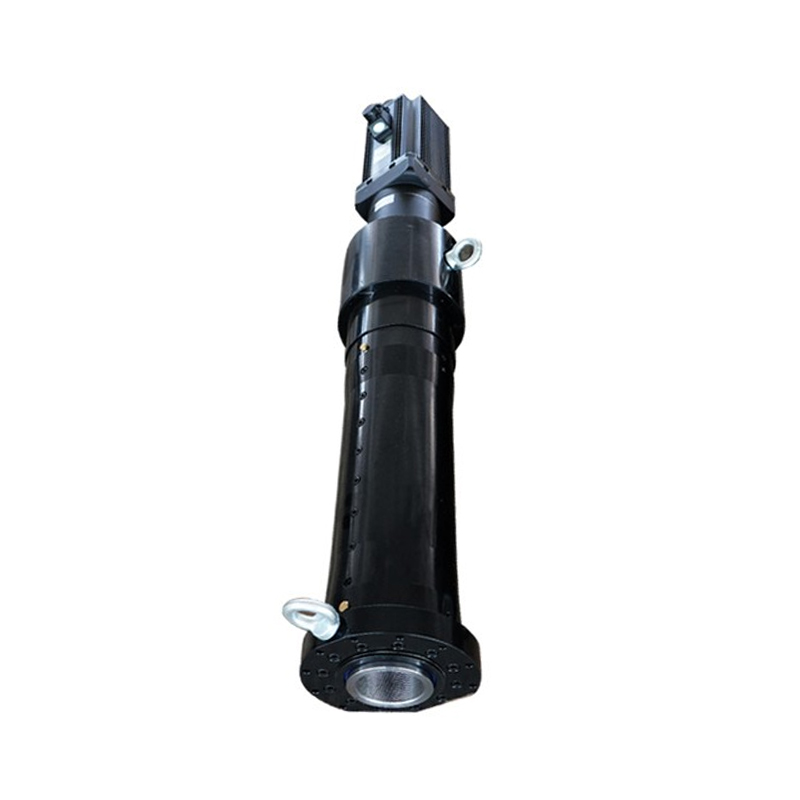 Heavy-Duty Dust-Proof Inline Electric CylinderFor high-load thrust applications, this inline electric cylinder offers 300 kN rating, dust-proof IP55 sealing, ±0.01 mm positioning, and strokes to 4500 mm.View Product →
Required thrust is only one input. Motor and screw losses rise with speed, and bearing life falls with repeated peak loads. A 5 kN move at 0.25 m/s and 60% duty can run hotter than a 10 kN move at 0.05 m/s and 10% duty, because the first application spends more time generating heat and reversing. Use RMS force over the full cycle, including dwell, acceleration and deceleration. If the actuator holds a vertical load during dwell, include holding current or specify a brake that can carry the load without relying on the drive.
Several purchasing risks appear repeatedly in heavy-duty projects:
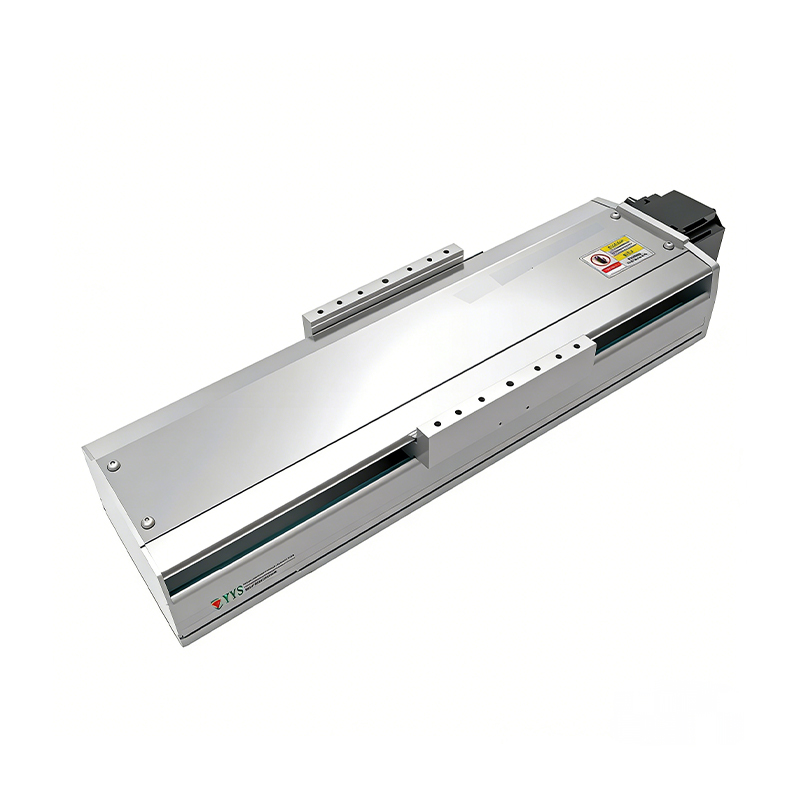 320 kg Heavy-Load Ball Screw Linear ModuleHeavy-load material handling and CNC feeding benefit from this 320 kg module with rigid guide, ±0.01 mm repeatability and selectable leads.View Product →
A rod-style actuator is a thrust device, not a structural beam. If a 1 kN load sits 200 mm off the actuator axis, it creates a 200 Nm moment that must be carried by an external guide, not by the actuator rod or seal. In practice, many “actuator failures” are guide failures, coupling wear or mounting deflection. Ask for allowable moment curves for pitch, yaw and roll, and check them at the load center rather than at the housing face.
Mounting quality matters as much as catalog capacity. A base that is flat but twisted can preload the guide and shorten life. A carriage that is aligned to the load with shims, but not checked over full stroke, can produce changing friction and position error. On long-stroke systems, thermal expansion and screw whip can also shift the force profile. The acceptance test should include full-stroke current, noise, temperature rise and repeatability at operating speed.
 TK86 All-Steel Extra-Heavy-Duty Linear ModuleAll-steel construction supports extra-heavy loads and long-stroke positioning, with ±0.01 mm repeatability, 400 W servo options and brake configurations.View Product →
A “heavy duty linear actuator” in a clean assembly cell is a different product from one in a chemical plant, outdoor machine or food-adjacent washdown area. IP65 splash protection is not the same as IP68 submersible operation. Explosion-proof construction adds enclosure and certification constraints. Wide-temperature versions must address lubricant viscosity, seal stiffness and motor derating, not only a wider ambient label. Dust, chips, coolant and cleaning agents can attack a guide long before the screw reaches its load limit.
Safety requirements also affect selection. For vertical axes, specify a brake that holds the load with margin and confirm behavior on power loss. Use hard limits or overtravel protection where control failure could drive the carriage into a hard stop. Guard pinch points, route cables for repeated flexing, and define the safe state for jam recovery. In demanding production cells, such as automotive manufacturing, the actuator is part of a guarded system, so the force, speed and stopping behavior must be reviewed with the machine builder.
Use a sequence that forces assumptions into the open before a purchase order is issued:
Ask for a force-speed curve for the exact model, a duty-cycle thermal curve, allowable moment charts, backlash and repeatability figures, protection details and a dimensioned drawing. For vertical or safety-related axes, require brake holding capacity and power-loss behavior in writing. A supplier that can show the calculation method, the load chart and the test record is more useful than one that only quotes a tonnage.
Price comparison becomes meaningful only after the duty point is fixed. A lower-cost unit that is oversized for thrust but undersized for moment, duty cycle or sealing will usually cost more through downtime, rework and replacement. The practical rule is to specify heavy duty linear actuators by the loads the machine actually applies, the life the production plan requires, and the environment the unit must survive. When those three items are documented, the actuator choice becomes an engineering decision rather than a label comparison.
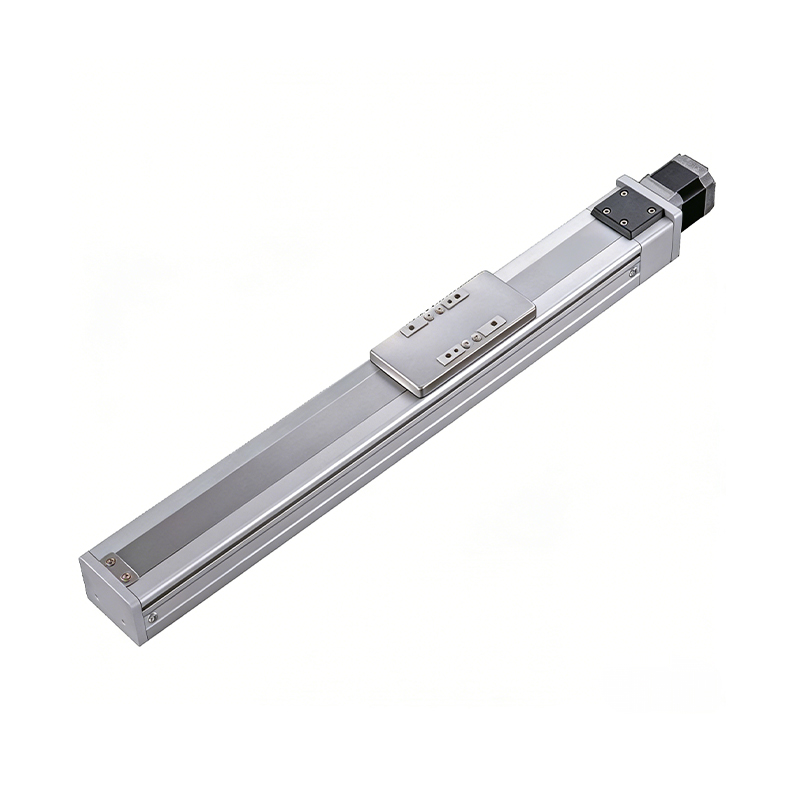 0.01mm High Precision Ball Screw Driven Rail-Embedded Linear Module
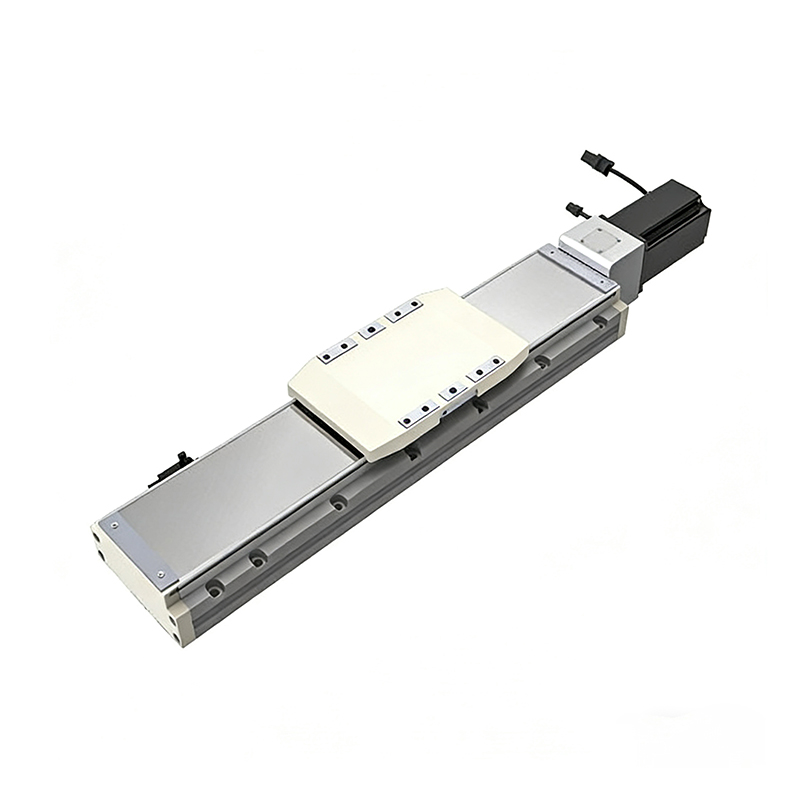 Heavy Load Ball Screw Driven Rail-Embedded Linear Module
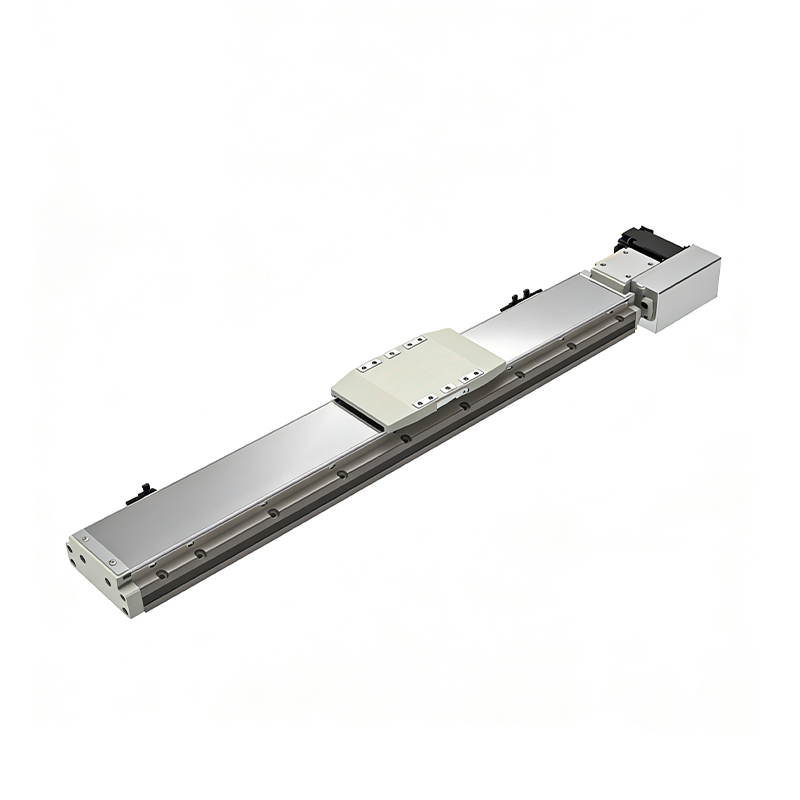 110KG Load Long Stroke Rail-Embedded Linear Module
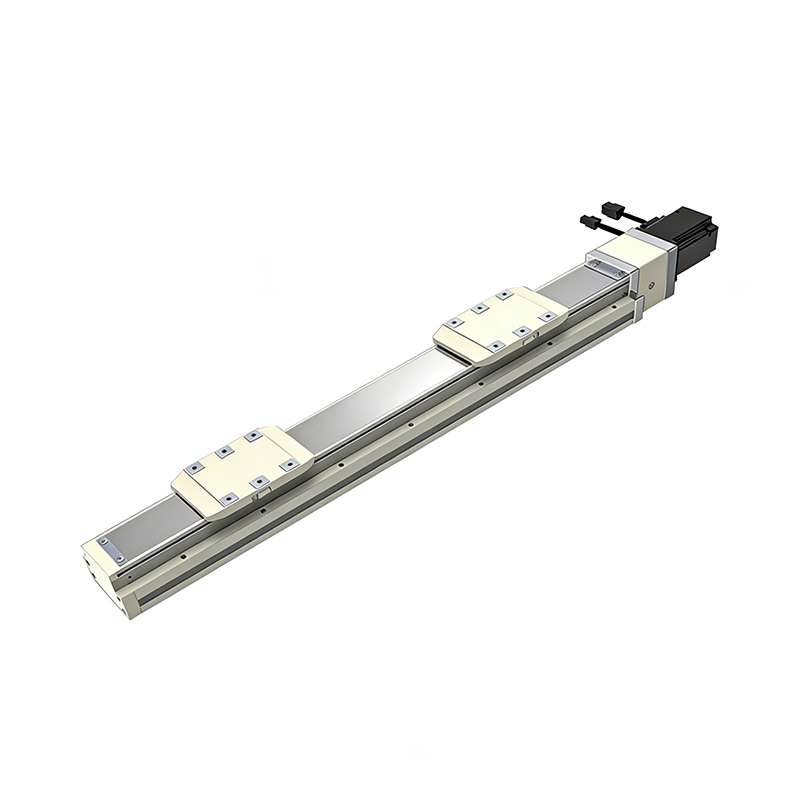 Dual-Slider High Precision Rail-Embedded Linear Module
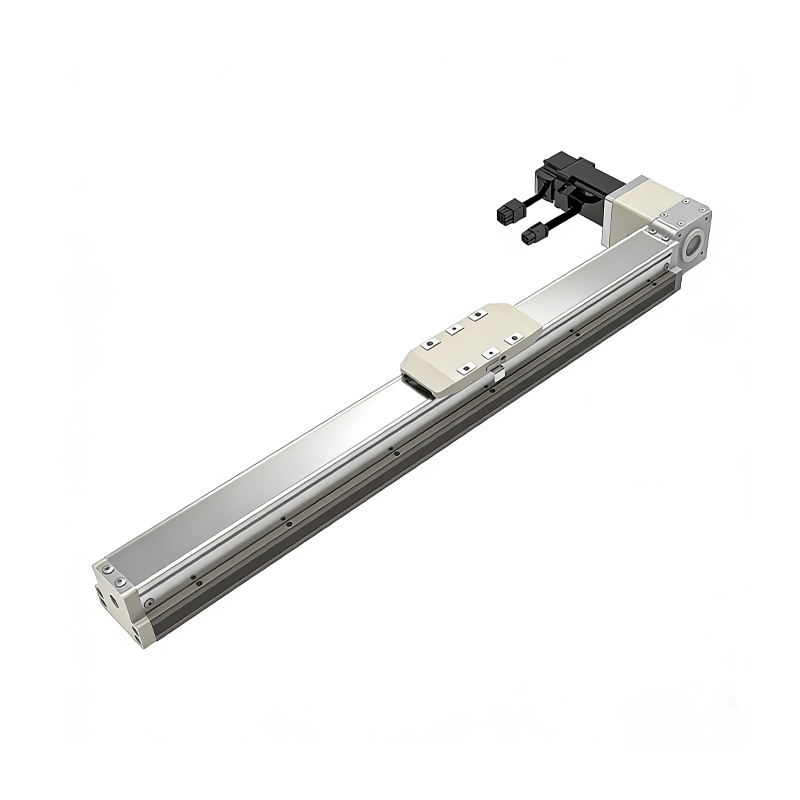 Belt Driven Dust-Proof Rail-Embedded Linear Module
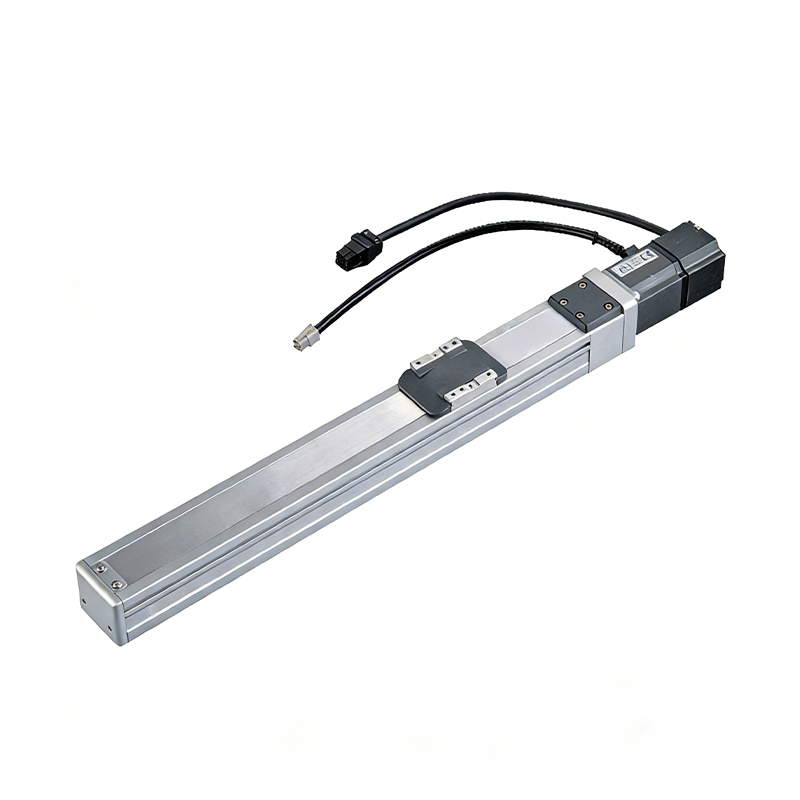 0.01mm High Precision Light Load Ball Screw Linear Module
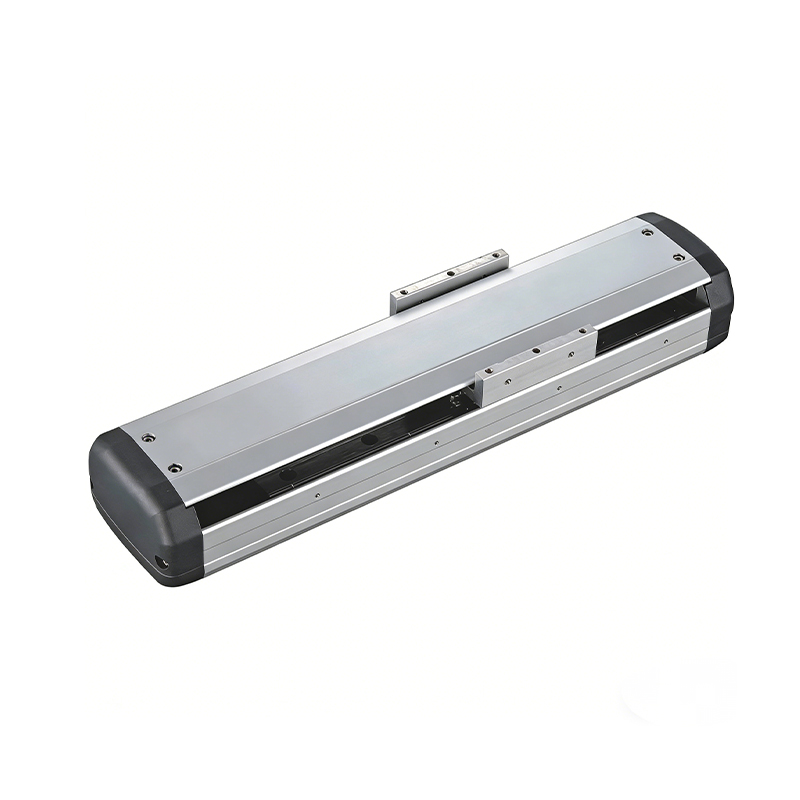 Ball Screw Linear Module with Built-in Sensor
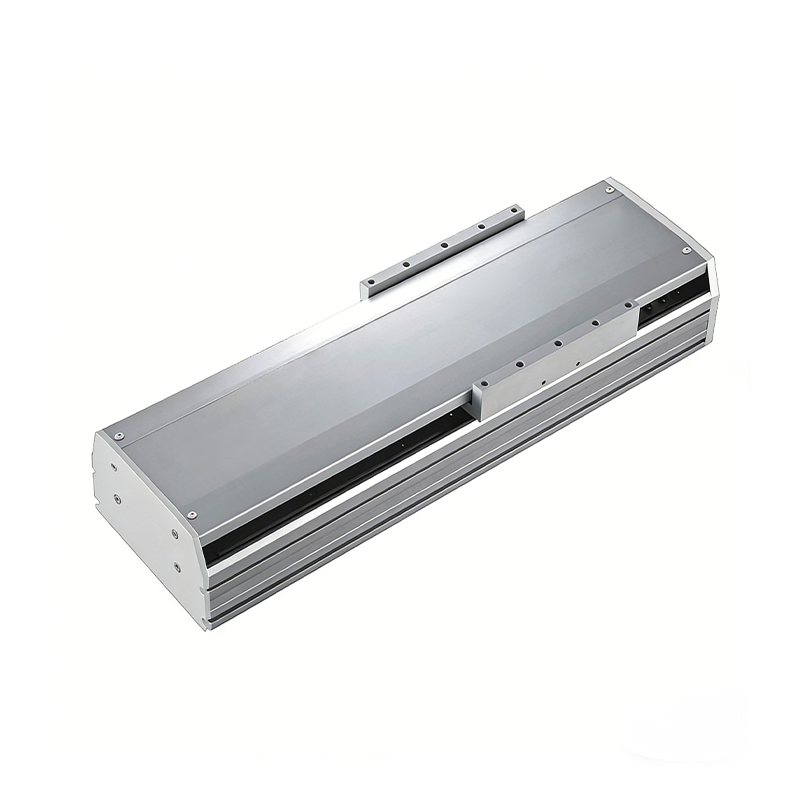 2000mm Long Stroke Ball Screw Linear Module
This 2000mm Long Stroke Ball Screw Linear Module is customized for large-range linear movement automation tasks, support...
READ MOREThis 2000mm Long Stroke Ball Screw Linear Module is customized for large-range linear movement automation tasks, support...
READ MOREThis 2000mm Long Stroke Ball Screw Linear Module is customized for large-range linear movement automation tasks, support...
READ MOREThis 2000mm Long Stroke Ball Screw Linear Module is customized for large-range linear movement automation tasks, support...
READ MORE
If you are interested in our products, please leave us a message. We look forward to providing you with
professional services!
Innovation and transcendence make factory intelligent manufacturing efficient and convenient!
+86 186 2508 0683
19962977901
sales@sz-tys.com
Building 5, Suzhou Mudu International Science and Technology Innovation Park, Jinfeng South Road, Suzhou City, Jiangsu Province, China
