


 English
 Français
 русский
 عربى
عربى Español
 Deutsch
Tel
+86 186 2508 0683

A machine builder once compared actuator selection to choosing between a precision scalpel, a forklift, and a shop air nozzle. The image is rough, but it captures the core trade-off. The three main types of linear actuators used in manufacturing are electromechanical, hydraulic, and pneumatic. Electromechanical units win where accuracy, programmability, and clean operation matter. Hydraulic systems dominate when force requirements are enormous and the environment tolerates fluid power. Pneumatic actuators remain a practical answer for simple, fast, repetitive motion. This guide explains the practical differences between the three families and gives you a selection framework you can apply before you call a supplier.
Electromechanical actuators combine an electric motor, typically a servo or stepper, with a mechanism that converts rotary motion into linear stroke. The most common conversion mechanisms are the ball screw, lead screw, roller screw, belt drive, and rack-and-pinion. Because the motor torque is directly controlled and the screw pitch is known, these actuators can deliver very repeatable positioning and programmable speed, force, and acceleration. A ball screw actuator, for example, routinely holds a repeatability of ±0.02 mm or better in a clean, temperature-controlled environment, and the same motor can be reversed thousands of times per day without performance drift.
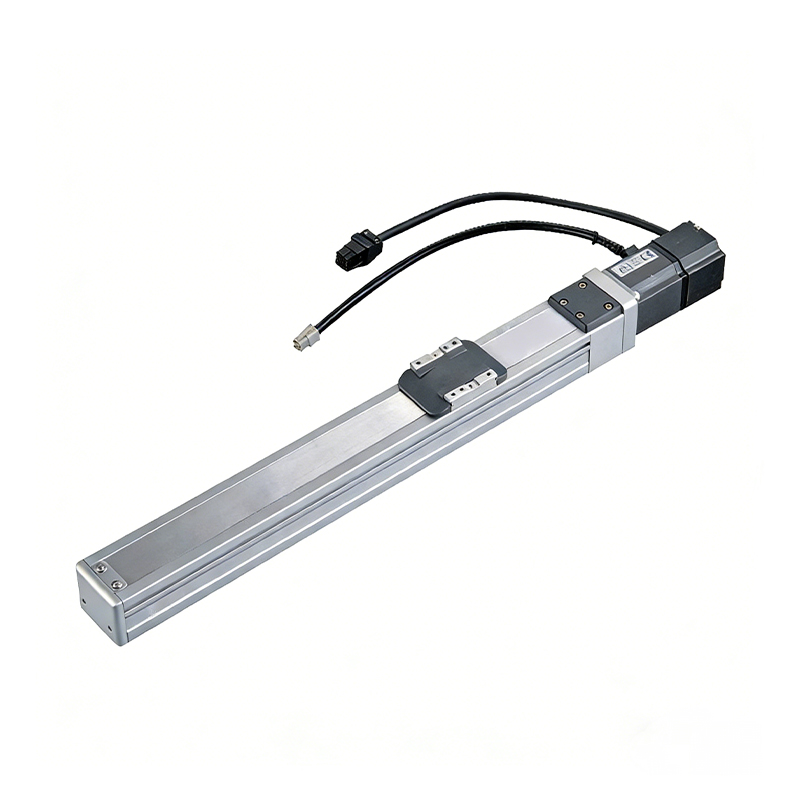 High-Precision Ball Screw Linear Module for Light LoadsThis compact ball screw actuator delivers ±0.01 mm repeatability, making it ideal for precision electronic assembly and semiconductor equipment where consistent light-load positioning is required.View Product →
Where stroke length is long and speed is more important than micron-level precision, belt-driven actuators carry the load with a reinforced timing belt and a precision rail guide. They offer a lower purchase cost per meter of travel and are well suited to pick-and-place, palletizing, and gantry-style material handling. Lead screws are the least expensive option for short-stroke, low-duty-cycle applications, while roller screws handle continuous heavy loads that would wear out a conventional ball nut.
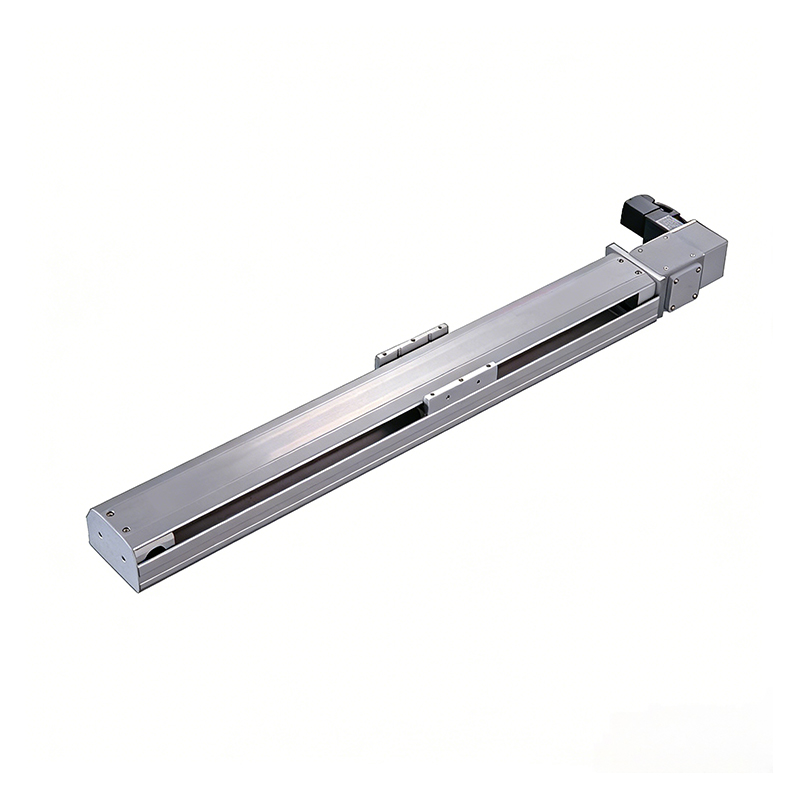 High-Speed Belt-Driven Linear Module with ±0.04 mm RepeatabilityReaching speeds up to 2080 mm/s, this rigid belt-driven module suits fast sorting and handling in electronics and packaging lines, with stable, low-noise operation for continuous duty.View Product →
The real advantage of electromechanical actuation lies in control. With a servo drive and encoder, you can set and monitor position, force, velocity, and acceleration with software. This makes the electric actuator a natural fit for automated assembly lines, semiconductor process steps, medical device manufacturing, and any station where quality data must be logged. Drawbacks are also real: maximum force is limited by screw diameter and motor size compared to a hydraulic cylinder of similar envelope, and sustained high thrust can create heat that must be managed.
Hydraulic linear actuators convert the energy of pressurized fluid, usually mineral oil or a fire-resistant fluid, into straight-line motion. The system is built around a pump, reservoir, valves, hoses, and a cylinder with a piston and rod. When the valve directs fluid to one side of the piston, it moves the load with a force that depends on the pressure and piston area. Because pressures of 70 MPa or more are possible, hydraulic cylinders can generate forces that few electric drives can match without a large gear mechanism.
Hydraulics shine in forging, stamping, pressing, metal forming, and heavy material handling. The fluid film also lubricates the seals and naturally accepts shock loads without the abrupt impact that a rigid mechanical system would transmit. In addition, a hydraulic cylinder can hold a load indefinitely while the pump and motor remain off, as long as the check valve and seals are intact. That force-without-power capability is a genuine advantage for clamping or press stations that must maintain pressure for long periods.
However, hydraulics carry a maintenance burden. Oil degrades, seals wear, filters must be changed, and every connection is a potential leak point. Leaks create both environmental and housekeeping problems and make precision positioning difficult unless you add proportional valves, linear transducers, and a sophisticated motion controller. Even then, oil temperature changes affect viscosity and can shift performance. The infrastructure cost of a quality hydraulic power unit often rivals the actuator itself, so the total cost is rarely visible in the cylinder price alone.
Pneumatic linear actuators use compressed air to move a piston inside a cylinder, or a piston inside a rodless slide. Because plants commonly already have compressed air supplies, pneumatic cylinders are cheap to install, simple to control with directional valves, and easy to replace. They are also naturally compliant: if the piston hits a hard obstruction, the air compresses instead of breaking the machine, which is useful for gripping and soft-touch operations. In explosive atmospheres, pneumatic systems are inherently safer than electric spark-producing devices.
The drawbacks follow directly from using air as the working medium. Air is compressible, so a standard pneumatic cylinder cannot hold a precise position unless it is locked mechanically or controlled with a proportional valve and position feedback. Speeds become harder to predict with varying load and pressure. Exhaust air creates noise, and water vapor in the supply line can freeze or corrode parts unless the air is properly dried and lubricated. Energy cost is also significant; a typical compressor wastes most of the input energy as heat, so pneumatic motion is rarely the most efficient choice over the full life of a machine.
Still, pneumatic actuators remain the best value for simple, fast, repetitive picks, clamps, transfers, and ejections. They dominate packaging, small-parts handling, general machine tool loading, and many automotive subassembly lines. If the motion can be described as "open, close, push, pull, or lift" and accuracy is not expected to be better than the thickness of a human hair, pneumatic is often the lowest-risk decision.
The table below summarizes typical performance and life-cycle characteristics. Values are representative of industrial products and vary with design details.
| Criteria | Electromechanical | Hydraulic | Pneumatic |
|---|---|---|---|
| Force density | Moderate; increases with screw diameter and motor size | Very high; limited by cylinder bore and system pressure | Low to moderate; limited by supply pressure, typically 0.6–0.8 MPa |
| Repeatability | ±0.01–0.1 mm with servo control | ±0.1–1 mm with valve and feedback upgrade | ±1 mm or worse; proportional valves improve it |
| Typical speed | Up to 2 m/s for screws/belts; linear motors faster | 0.2–1 m/s | 1–3 m/s |
| Energy efficiency | High, especially with servo regeneration | Moderate; pump runs continuously | Low; compressed air is expensive |
| Maintenance | Low; lubricate screw, inspect belt and guides | High; oil, seals, filters, leak repairs | Medium; air quality and leak management |
| Best suited for | Precision positioning, assembly, semiconductor and medical automation | Heavy pressing, forming, forging, high-force holding | Pick-and-place, clamping, packaging, dry and explosive environments |
Do not start with the actuator type. Start with the machine's function: what mass must move, how far, how fast, how accurately, and in what environment? Once you have those numbers, the choice tends to narrow itself. For a high-force press that must hold pressure for several seconds, hydraulic is hard to beat. For precise, programmable motion with a clear path to data collection, electric is usually the right answer. For simple open/close actions with low accuracy requirements, pneumatic is difficult to fault.
Buying decisions also depend on what already exists in the plant. A facility with a clean compressed air ring and no high-voltage servo infrastructure may favor pneumatic for auxiliary motions. A plant that already runs servo-driven assembly equipment will find it easier to extend the same architecture with electromechanical actuators. Total cost matters more than component price. Include the cost of the pump or compressor, control valves or servo drives, installation labor, commissioning time, energy draw, and scheduled maintenance in your comparison.
Because every application has its own constraints, it is worth reviewing how your specific industry uses linear motion. Our industry-specific notes cover common requirements in electronics, automotive, chemical, medical, semiconductor, and general mechanical automation. If you are evaluating control integration, the technology overview at this site explains how motor drives, encoders, and actuator mechanics fit together. Starting with these resources will help you ask better questions and avoid the classic mistake of choosing a cylinder before defining the task.
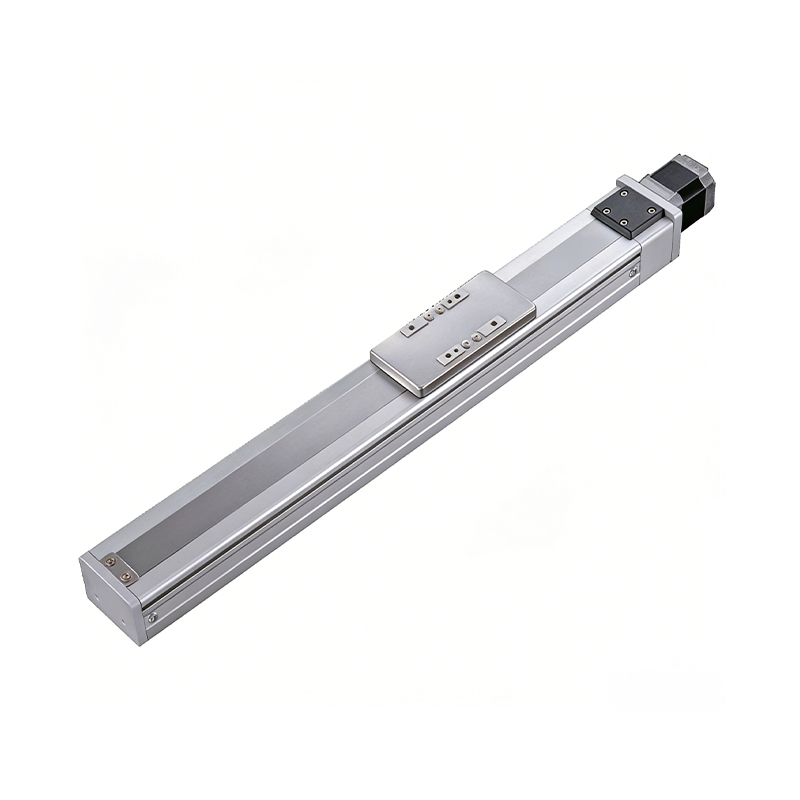 0.01mm High Precision Ball Screw Driven Rail-Embedded Linear Module
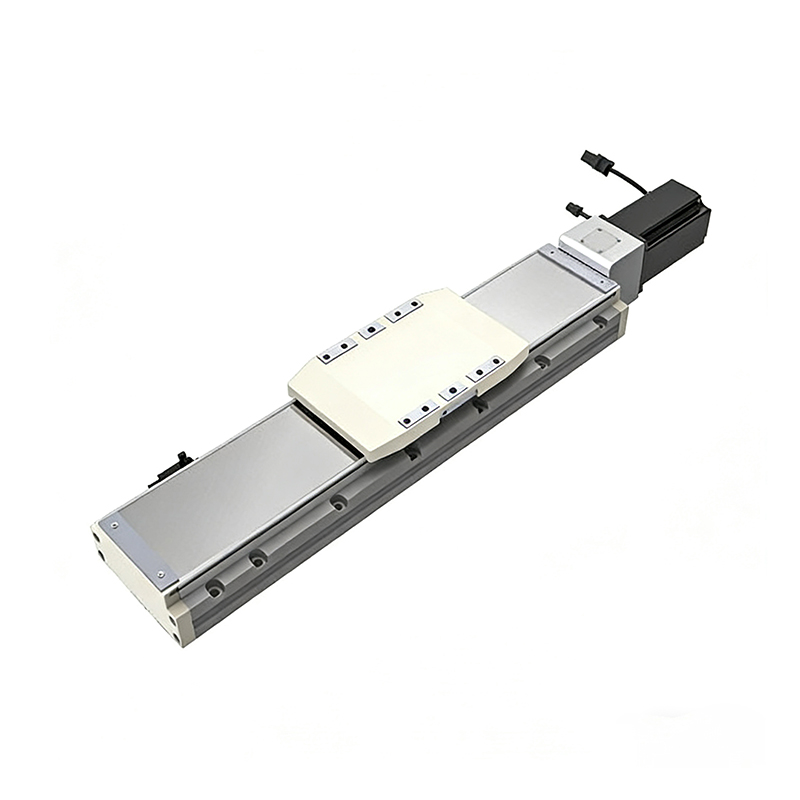 Heavy Load Ball Screw Driven Rail-Embedded Linear Module
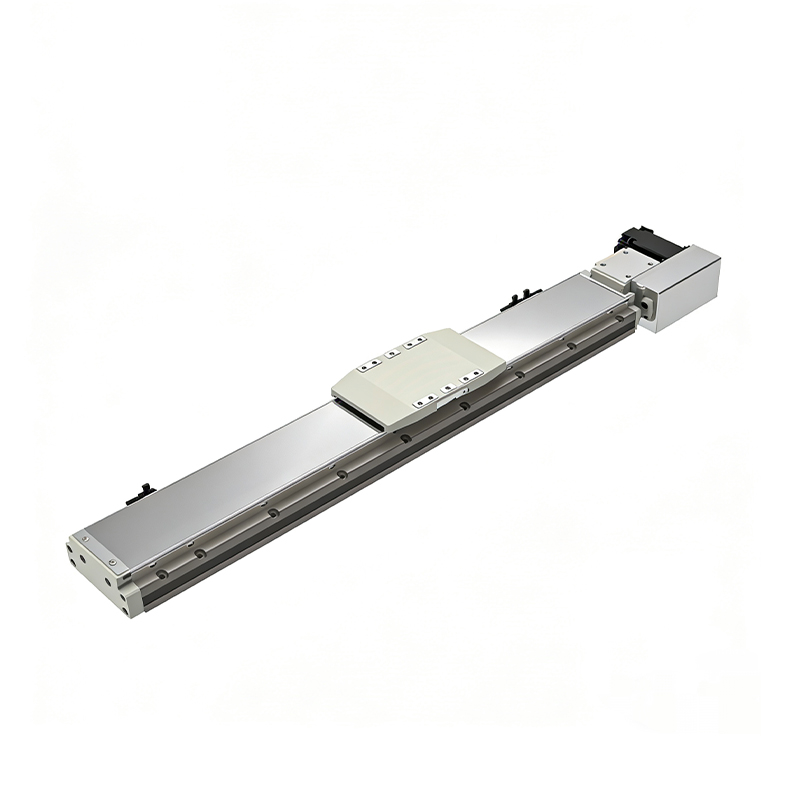 110KG Load Long Stroke Rail-Embedded Linear Module
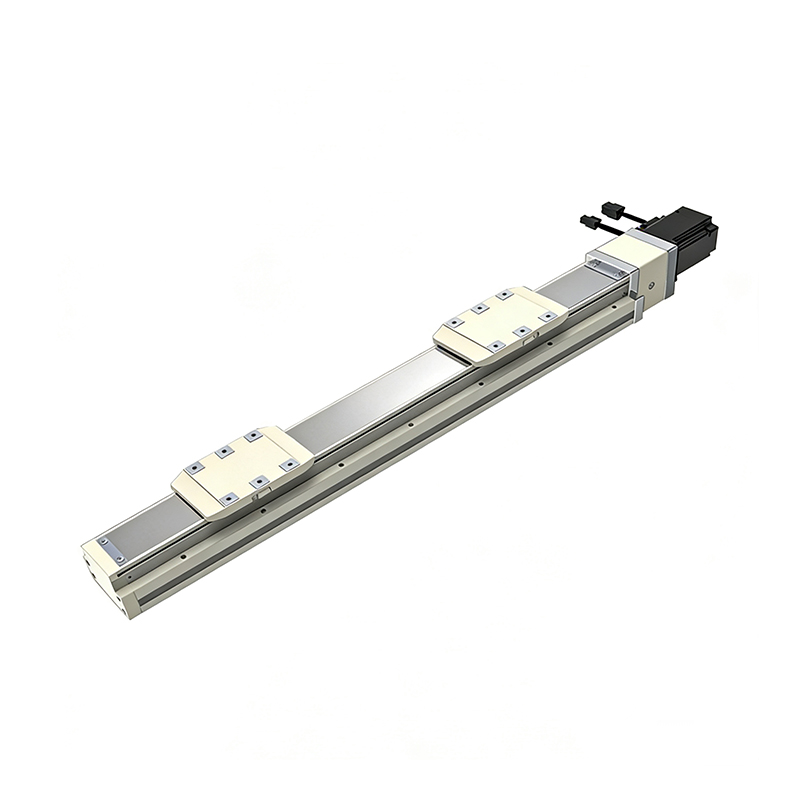 Dual-Slider High Precision Rail-Embedded Linear Module
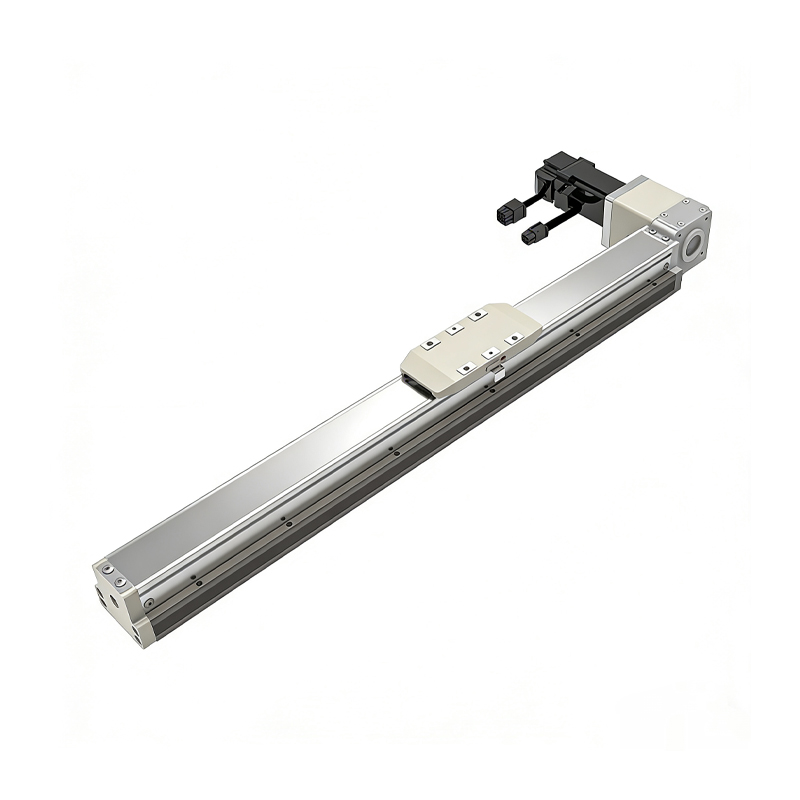 Belt Driven Dust-Proof Rail-Embedded Linear Module
 0.01mm High Precision Light Load Ball Screw Linear Module
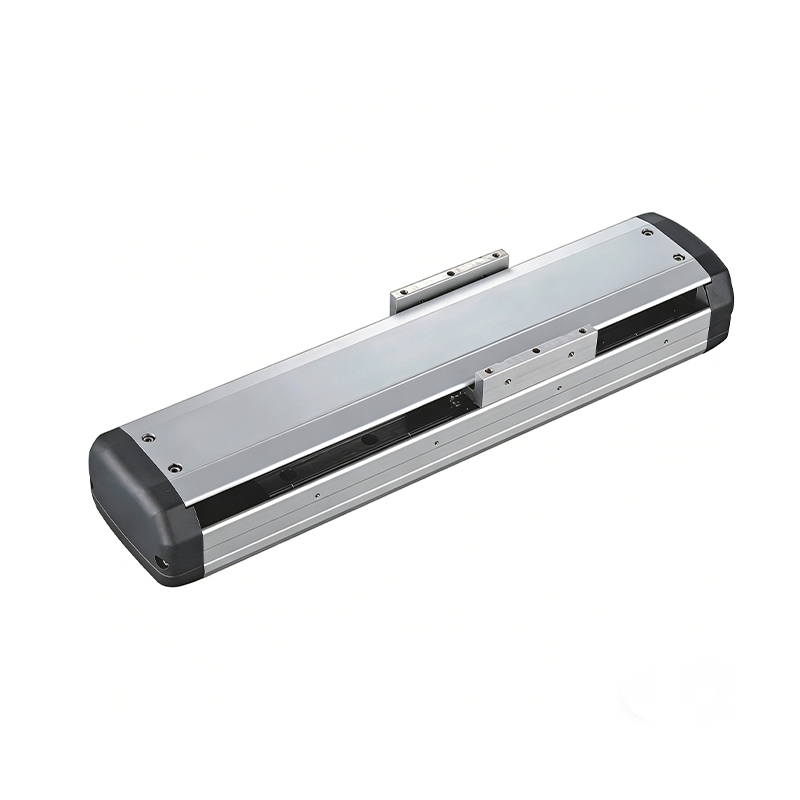 Ball Screw Linear Module with Built-in Sensor
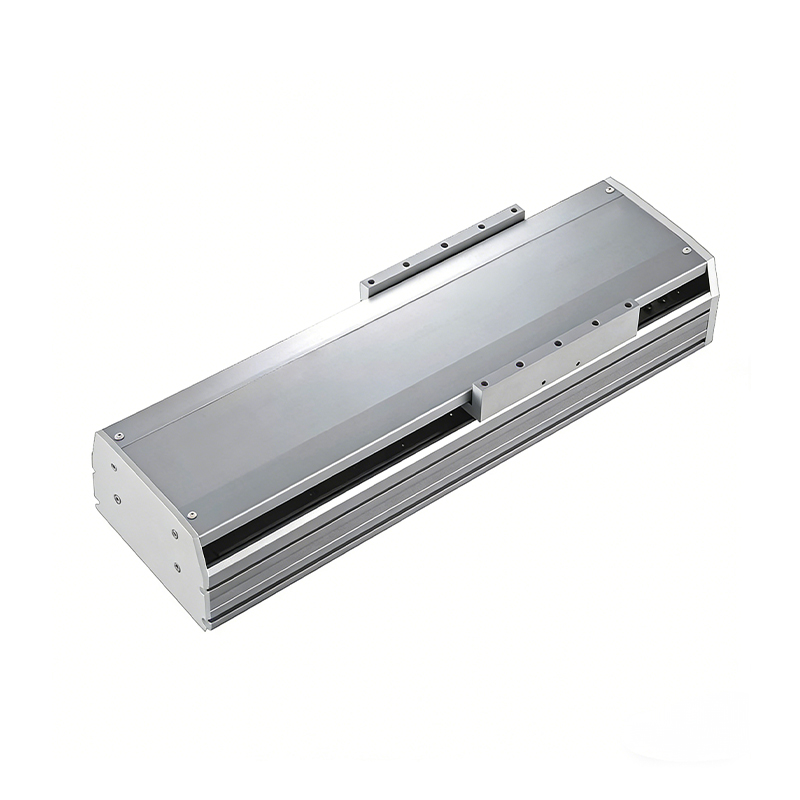 2000mm Long Stroke Ball Screw Linear Module
This 2000mm Long Stroke Ball Screw Linear Module is customized for large-range linear movement automation tasks, support...
READ MOREThis 2000mm Long Stroke Ball Screw Linear Module is customized for large-range linear movement automation tasks, support...
READ MOREThis 2000mm Long Stroke Ball Screw Linear Module is customized for large-range linear movement automation tasks, support...
READ MOREThis 2000mm Long Stroke Ball Screw Linear Module is customized for large-range linear movement automation tasks, support...
READ MORE
If you are interested in our products, please leave us a message. We look forward to providing you with
professional services!
Innovation and transcendence make factory intelligent manufacturing efficient and convenient!
+86 186 2508 0683
19962977901
sales@sz-tys.com
Building 5, Suzhou Mudu International Science and Technology Innovation Park, Jinfeng South Road, Suzhou City, Jiangsu Province, China
