


 English
 Français
 русский
 عربى
عربى Español
 Deutsch
Tel
+86 186 2508 0683

Put a closed cylindrical surface in an electric field. If the field is uniform and no charge lies inside the cylinder, the net electric flux through the cylinder is zero. If a net charge Q is inside, the net flux is Q/ε0. That is the direct answer to the textbook question, and it follows from Gauss's law. The real work is deciding which charge the cylinder actually encloses.
The word "net" matters. Field lines can enter one cap and leave the other, or enter the curved side and leave elsewhere. The net electric flux is the algebraic sum of all contributions over the whole closed surface. For a closed cylinder, Gauss's law turns that sum into a simple charge count.
Electric flux measures how much electric field passes through a surface. For a small patch of area dA, the flux is E cosθ dA, where θ is the angle between the electric field vector and the outward normal to the surface. Integrating over the entire closed cylinder gives the net electric flux. If more field lines leave than enter, the flux is positive. If more enter than leave, it is negative.
In introductory physics, flux is usually expressed in N·m²/C. You can think of it as the net amount of electric field crossing the surface, although it is not a physical substance. It is a calculated quantity that makes Gauss's law useful.
Gauss's law states that the outward electric flux through any closed surface equals the enclosed net charge divided by the vacuum permittivity:
Φ = Qenc/ε0
Here, Qenc is the total charge inside the closed surface, and ε0 is the vacuum permittivity, approximately 8.85 × 10⁻¹² C²/(N·m²).
Three conclusions follow directly from the equation:
Textbook problems use a cylinder because it is a closed surface with a simple shape. A closed cylinder has three parts: the left flat cap, the right flat cap, and the curved lateral surface. Each part has a known normal direction, so the flux through each part can be evaluated separately.
| Surface part | Relation to the field | Flux contribution |
|---|---|---|
| Left flat cap | Outward normal points against the field | −EA |
| Right flat cap | Outward normal points with the field | +EA |
| Curved lateral surface | Surface normal is perpendicular to the field | 0 |
| Whole closed cylinder | No enclosed charge | 0 |
If the uniform field is perpendicular to the cylinder axis, the end caps contribute zero and the curved side also integrates to zero. The conclusion is the same: a uniform field produces no net flux through a closed cylinder unless a charge is inside it.
Use this sequence on homework and exam problems:
For a uniform electric field and a closed surface with no enclosed charge, the net flux is always zero. You do not need to integrate the curved side. The entering field lines balance the leaving field lines.
Most questions about net electric flux through a cylinder fall into a small number of cases. Once you identify the enclosed charge, the answer is straightforward.
| Case | Enclosed charge | Net electric flux |
|---|---|---|
| Cylinder in a uniform electric field with no charge inside | 0 | 0 |
| Point charge q at the center of the cylinder | q | q/ε0 |
| Cylinder around a long line of charge with linear density λ and length L | λL | λL/ε0 |
| Cylinder with equal positive and negative charges inside | 0 | 0 |
Notice that the radius and the exact position of the charge inside the cylinder do not appear in the final flux value. Once the enclosed charge is known, the cylinder shape only matters if you also need to find the electric field at the surface.
If an answer seems too complicated, return to Qenc. The algebra may be long, but the physics of net flux is a charge-counting problem.
The cylinder in a flux problem is an imaginary surface, not a mechanical part. In industrial automation, a cylinder can also be a physical actuator that converts rotary motor torque into linear motion. Although Gauss's law does not affect that choice, the term "cylinder" appears in both contexts, so it is useful to separate the physics meaning from the equipment meaning.
For precision positioning tasks, an inline electric cylinder with a coaxial motor and ball screw is a common starting point. The compact layout reduces bending load and makes installation straightforward.
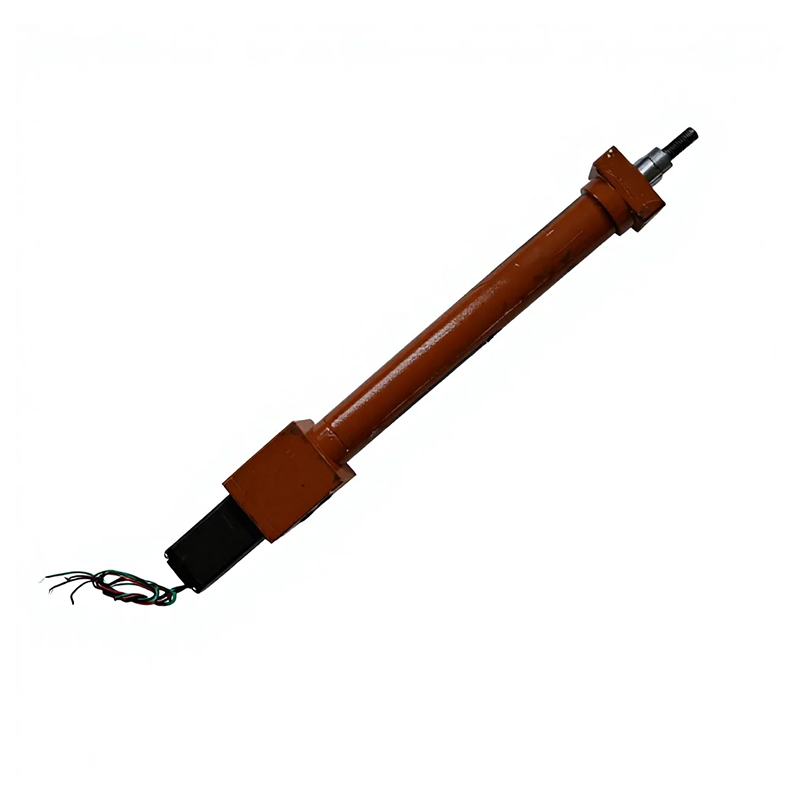 Coaxial Integrated Precision Inline Electric Cylinder with Ball ScrewThis compact inline cylinder combines a coaxial motor with a ball screw for precise positioning, achieving ±0.01mm accuracy and supporting up to 1000KN load. Ideal for automated assembly and precision testing where space is limited.View Product →
In environments with washdown or submersion risk, an IP68 submersible electric cylinder is selected when the actuator must survive exposure to water, coolant, or cleaning agents. The sealed housing protects the screw and motor from moisture ingress.
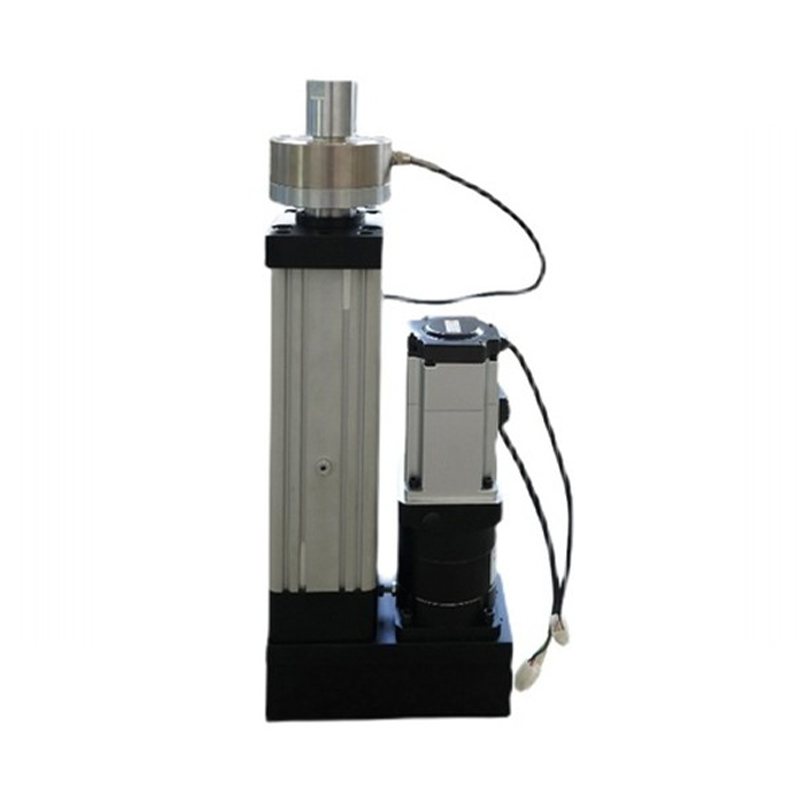 IP68 Submersible Waterproof Electric Cylinder with 316L Stainless Steel BodyDesigned for washdown or underwater environments, this cylinder features an IP68 rating, high-pressure waterproof sealing, and corrosion-resistant 316L stainless steel. It operates reliably in submerged conditions, making it suitable for marine and underwater automation.View Product →
In hot process areas, a high-temperature-resistant electric cylinder with heat dissipation features uses material selection and cooling construction to keep the motor and lubrication within their working range.
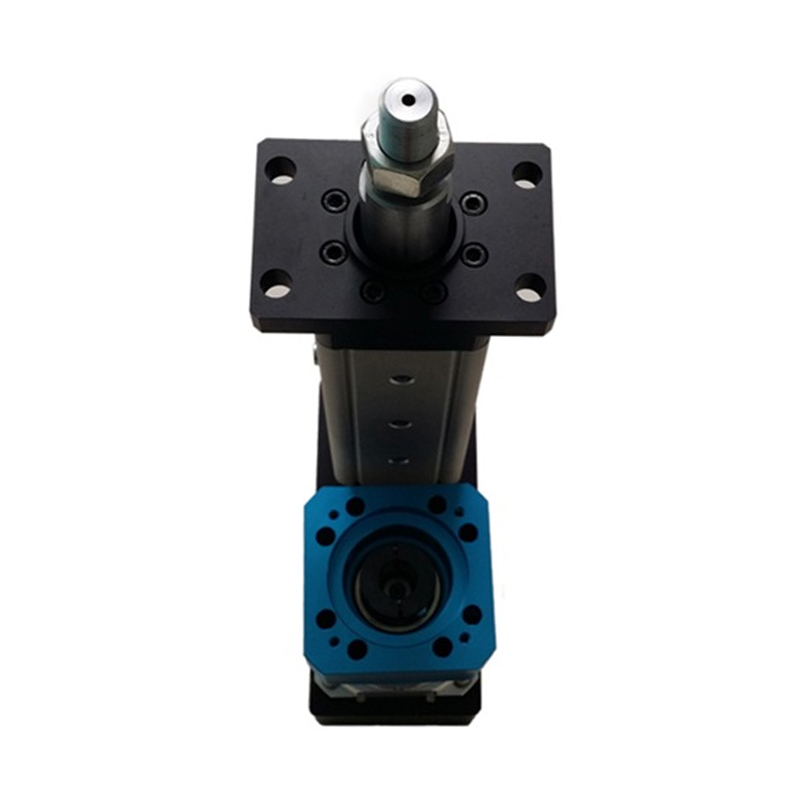 High-Temperature Resistant Heat-Dissipating Electric Cylinder for Hot ProcessesThis cylinder withstands temperatures from -40°C to 150°C with a high-temperature steel body and motor heat-dissipation structure. It ensures reliable linear motion in industrial furnaces and drying equipment, with ±0.02mm precision and IP65 protection.View Product →
When engineers compare these options, they look at stroke, thrust, speed, repeatability, duty cycle, and protection rating. The same disciplined approach used to set up a Gauss's law problem—define the boundary, identify what is inside, and check signs—also applies to specifying a motion component. For a closer look at how cylinders are built and tested, see our technology and testing overview. For industry-specific requirements in assembly and handling systems, start with our mechanical automation applications page.
The net electric flux through a closed cylinder is Qenc/ε0. For an uncharged cylinder, or for a cylinder placed in a uniform electric field with no charge inside, that flux is zero. For a cylinder that surrounds a net charge, the flux equals the enclosed charge divided by the vacuum permittivity. Keep the surface closed, count only the charge inside, and apply Gauss's law. The cylinder's dimensions will not change the net flux.
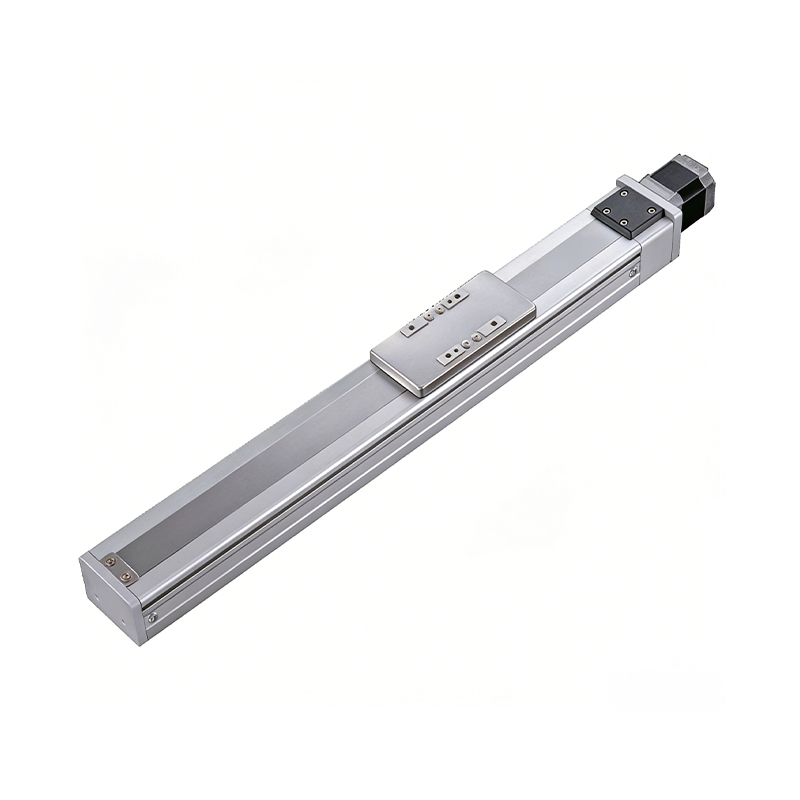 0.01mm High Precision Ball Screw Driven Rail-Embedded Linear Module
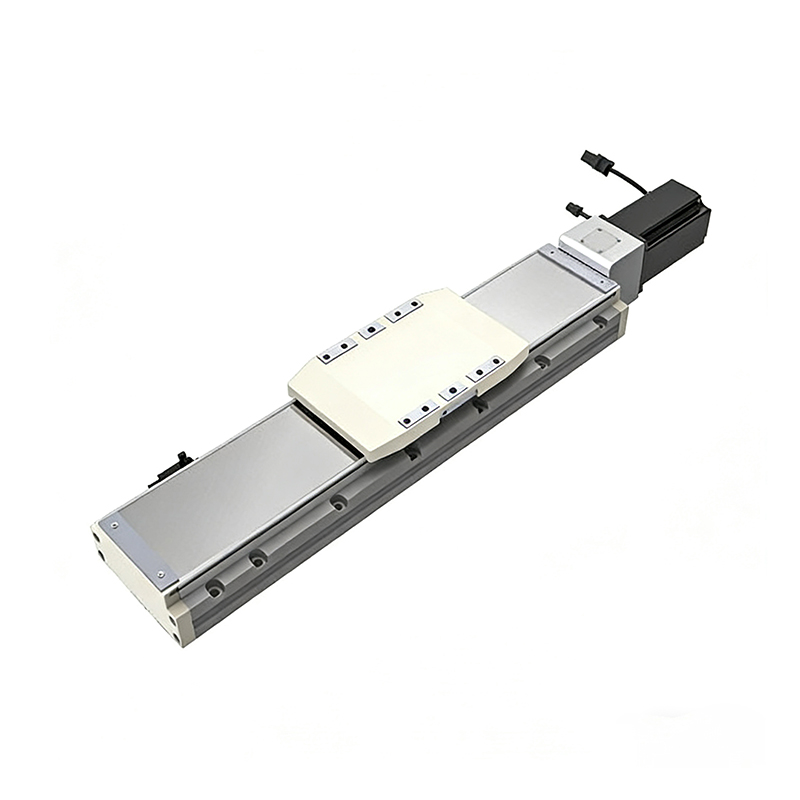 Heavy Load Ball Screw Driven Rail-Embedded Linear Module
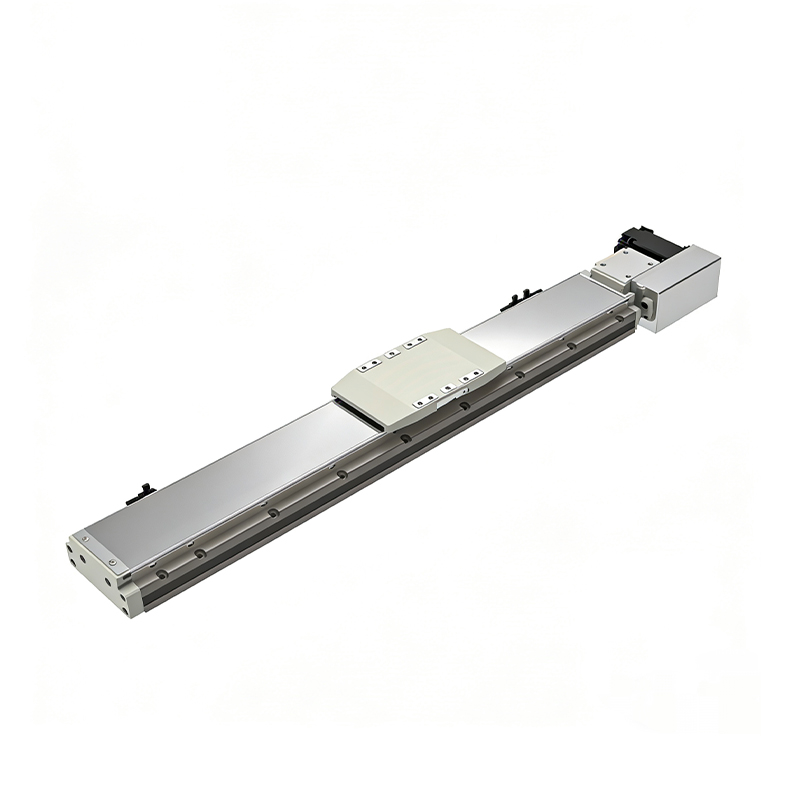 110KG Load Long Stroke Rail-Embedded Linear Module
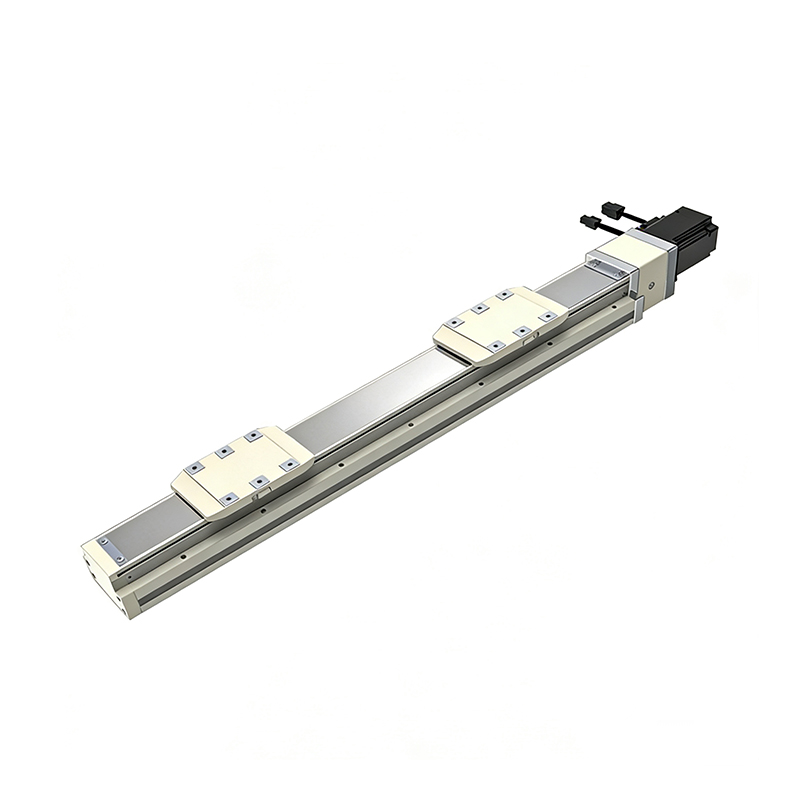 Dual-Slider High Precision Rail-Embedded Linear Module
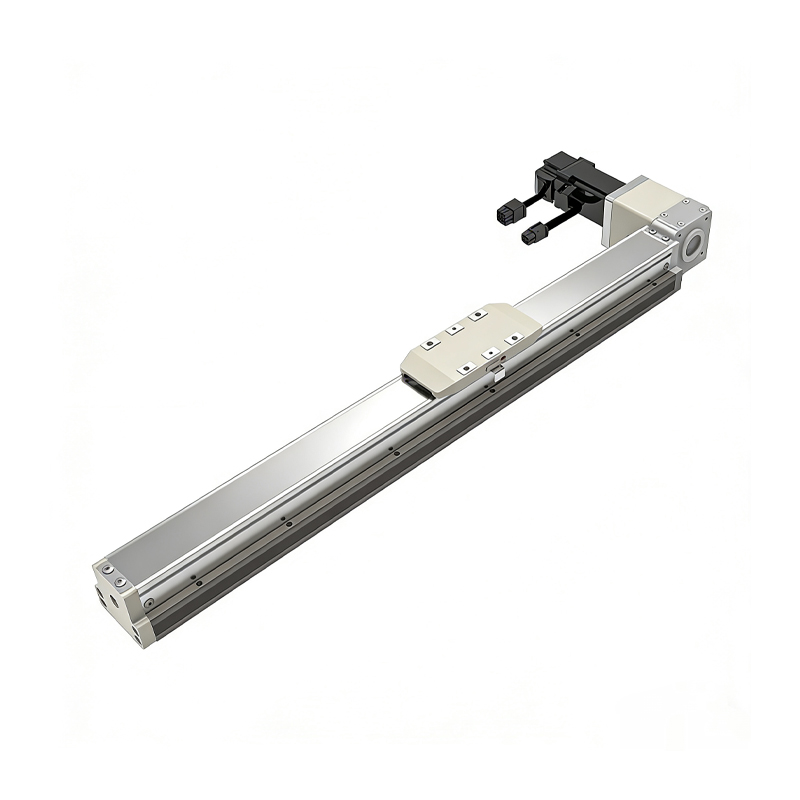 Belt Driven Dust-Proof Rail-Embedded Linear Module
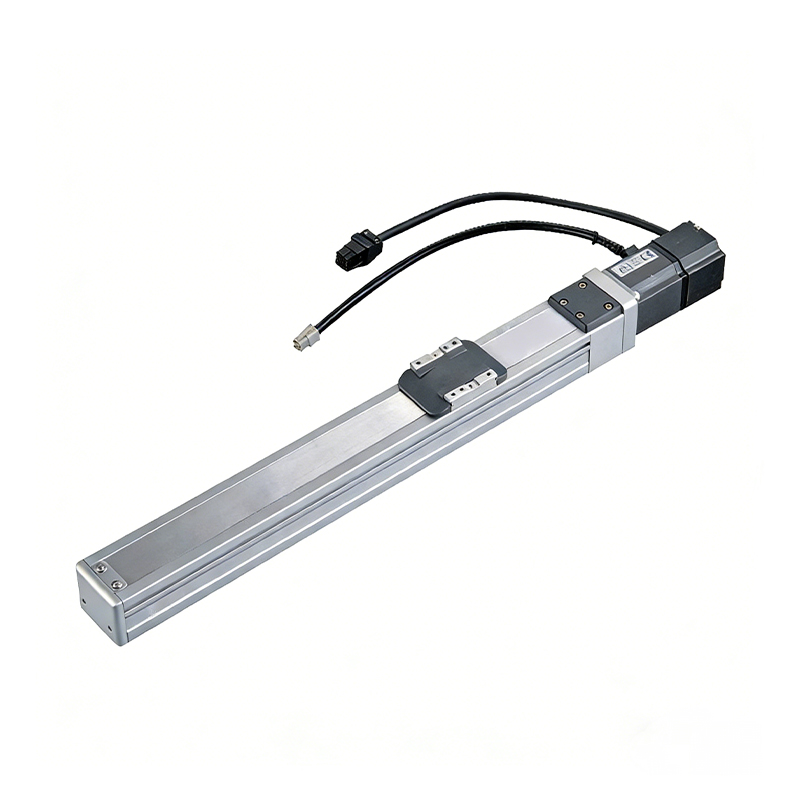 0.01mm High Precision Light Load Ball Screw Linear Module
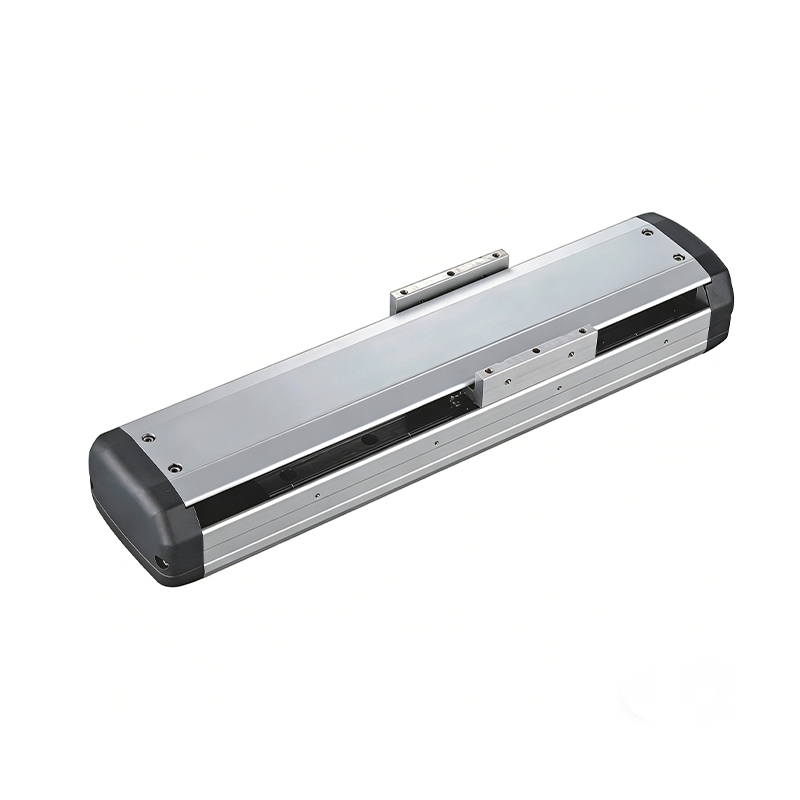 Ball Screw Linear Module with Built-in Sensor
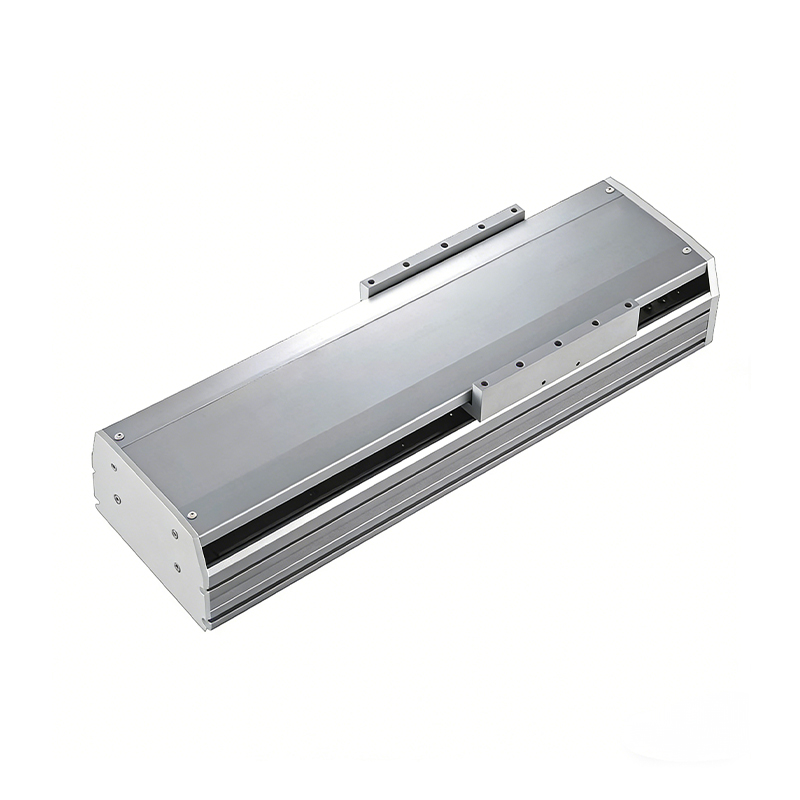 2000mm Long Stroke Ball Screw Linear Module
This 2000mm Long Stroke Ball Screw Linear Module is customized for large-range linear movement automation tasks, support...
READ MOREThis 2000mm Long Stroke Ball Screw Linear Module is customized for large-range linear movement automation tasks, support...
READ MOREThis 2000mm Long Stroke Ball Screw Linear Module is customized for large-range linear movement automation tasks, support...
READ MOREThis 2000mm Long Stroke Ball Screw Linear Module is customized for large-range linear movement automation tasks, support...
READ MORE
If you are interested in our products, please leave us a message. We look forward to providing you with
professional services!
Innovation and transcendence make factory intelligent manufacturing efficient and convenient!
+86 186 2508 0683
19962977901
sales@sz-tys.com
Building 5, Suzhou Mudu International Science and Technology Innovation Park, Jinfeng South Road, Suzhou City, Jiangsu Province, China
