


 English
 Français
 русский
 عربى
عربى Español
 Deutsch
Tel
+86 186 2508 0683

The primary difference between a linear actuator and a cylinder lies in their power source and control methodology: cylinders generate linear motion through pressurized fluid (hydraulic or pneumatic), while linear actuators achieve linear motion through motorized mechanical systems driven by electrical power. Both devices accomplish the fundamental task of converting rotational or fluid motion into linear displacement, yet they employ entirely different underlying technologies and operational principles. Understanding these distinctions proves essential for selecting appropriate motion control devices for specific industrial applications.
A cylinder represents a fundamental hydraulic or pneumatic actuator that uses pressurized fluid to move a piston within a sealed chamber, producing linear force and displacement. In contrast, a linear actuator typically incorporates an electric motor coupled with a mechanical transmission system such as a screw, belt, or gear arrangement that converts motor rotation into linear motion. These fundamental design differences result in distinct performance characteristics including force capabilities, speed ranges, control precision, maintenance requirements, and cost implications that distinguish linear actuators from hydraulic and pneumatic cylinders. The choice between these technologies depends on specific application requirements including available power sources, force demands, motion precision needs, and environmental constraints.
Modern industrial automation and motion control systems often employ both cylinder and linear actuator technologies in different applications within the same facility, reflecting the distinct advantages each technology provides. Understanding the comprehensive differences between these motion control devices enables engineers and equipment designers to optimize system performance, reliability, and cost effectiveness for their specific operational requirements. This detailed examination explores the technological, operational, and practical distinctions enabling informed selection between these essential motion control technologies.
Cylinders represent proven motion control technology operating through simple mechanical principles where pressurized fluid directly drives a piston creating linear force and motion. This fundamental simplicity has enabled cylinder technology to dominate certain industrial applications for more than a century, with continued widespread use despite emergence of alternative motion control technologies.
Hydraulic cylinders employ incompressible liquid hydraulic fluid typically manufactured from mineral oil or synthetic formulations, pressurized to values often exceeding 210 bar in industrial applications. This pressurized fluid enters one end of the cylinder, pushing the piston and creating linear force and motion. Hydraulic cylinders can generate extremely high forces per unit volume, with industrial cylinders routinely producing forces exceeding 100 kilonewtons from compact package sizes. The high force capability of hydraulic cylinders makes them ideal for heavy load applications including metal forming equipment, refuse compactors, and mobile equipment requiring enormous forces in confined spaces.
Pneumatic cylinders employ compressed air as the working fluid, operating at pressures typically between 6 and 10 bar in industrial applications. These lower operating pressures result in proportionally lower force generation compared to hydraulic cylinders, with typical pneumatic cylinder output forces ranging from several kilonewtons to approximately 50 kilonewtons. Despite lower force capability, pneumatic cylinders enjoy broad application in manufacturing due to clean operation, simple construction, safety in potentially explosive atmospheres, and relatively low cost. Pneumatic cylinders represent the most common cylinder type in discrete manufacturing environments including automotive assembly plants and general industrial facilities.
Single acting cylinders employ pressurized fluid in one direction only, with return motion accomplished through spring force or external load. This configuration provides economical operation where external forces naturally return the piston and requires only single fluid line connection. Double acting cylinders employ fluid pressure in both directions, enabling powered motion in both extension and retraction directions. Double acting cylinders provide superior control and operational flexibility, enabling precise positioning at both end of stroke extremes and continued force application throughout the entire stroke range. Most industrial applications employ double acting cylinders where complete motion control in both directions proves necessary.
Linear actuators represent an alternative motion control technology employing electric motors coupled with mechanical transmission systems to generate linear motion, offering advantages including precise speed and position control, clean operation, and integration with electrical control systems. The motorized approach to linear motion enables capabilities impossible with fluid based cylinders.
Linear actuators employ various mechanical arrangements coupling electric motors to generate linear output motion. Screw type actuators utilize a rotating screw coupled to a motorized nut mechanism, where motor rotation translates through the threaded interface into linear nut and attached load motion. Belt driven actuators employ timing belts coupled to pulley systems converting motor rotation into linear carriage motion. Gear driven arrangements provide intermediate force multiplication or reduction enabling optimization of motor speed and force output to application requirements.
Stepper motor actuators employ stepper motors capable of precise angular positioning, translating motor step increments into proportional linear increments through mechanical gearing or screw mechanisms. Stepper motor actuators achieve positioning repeatability within plus or minus 0.05 millimeters, enabling positioning accuracy impossible with hydraulic or pneumatic cylinders. Servo motor actuators employ servo motors with feedback control systems enabling dynamic response to position and velocity commands. These high performance motor types enable sophisticated motion control including synchronized multi axis motion and complex motion profiles.
Linear actuators enable infinitely variable speed adjustment through simple voltage or frequency adjustment of electric motors, contrasting with cylinders limited to fixed speeds determined by pump or compressor flow rate and cylinder bore size. Electronic controllers can vary speed continuously throughout motion cycle, enabling smooth acceleration and deceleration profiles optimizing application performance. The dynamic control capability of electric actuators suits applications requiring precise motion control and coordinated multi axis operation.
| Performance Parameter | Hydraulic Cylinders | Pneumatic Cylinders | Electric Linear Actuators |
|---|---|---|---|
| Force Output | Extremely High (100+ kilonewtons) | Moderate (5 to 50 kilonewtons) | Moderate (1 to 30 kilonewtons) |
| Speed Capability | 0.05 to 1 meter per second | 0.1 to 1.5 meters per second | 0.01 to 1 meter per second |
| Position Repeatability | Plus or minus 2 to 5 millimeters | Plus or minus 2 to 10 millimeters | Plus or minus 0.05 to 0.5 millimeters |
| Power Source Required | Hydraulic pump | Compressed air supply | Electrical power |
| Operating Cleanliness | Potential for leakage and contamination | Clean operation | Very clean operation |
| Maintenance Intensity | High (seals, fluid management) | Moderate (filter changes) | Low (minimal wear components) |
| Initial Equipment Cost | Moderate for single unit | Low for single unit | Moderate to High |
| System Infrastructure Cost | Expensive (pump, filtration, cooling) | Moderate (compressor, dryers) | Low (electrical outlets) |
| Environmental Suitability | Food/pharmaceutical limitations | Excellent | Excellent |
| Control Complexity | Directional control valves | Solenoid valve control | Electronic control systems |
Hydraulic cylinders demonstrate superior force density, generating enormous forces from compact designs. A single stage hydraulic cylinder measuring 80 millimeters in bore diameter operating at 210 bar produces approximately 106 kilonewtons of force, accomplishing heavy load applications in confined spaces impossible with alternative technologies. This exceptional force capability makes hydraulic cylinders indispensable for applications including metal forming presses, structural steel welding clamps, and mobile equipment requiring tremendous forces. Pneumatic and electric actuators cannot match this force intensity, limiting their application to applications with moderate force requirements.
Pneumatic cylinders typically operate faster than hydraulic or electric alternatives, achieving motion speeds to 1.5 meters per second, though higher speeds cause pressure spikes and system instability. Hydraulic cylinders operate at moderate speeds of 0.05 to 1.0 meter per second, with speed determined by pump flow rate and cylinder bore area. Electric actuators offer versatile speed control from very slow crawling speeds to rapid motion, with different actuator types and motor configurations enabling optimization of speed for specific applications.
Electric linear actuators achieve positioning accuracy and repeatability dramatically exceeding fluid based cylinders. Servo or stepper motor based electric actuators achieve position repeatability within plus or minus 0.05 to 0.1 millimeters, enabling assembly operations and manufacturing processes requiring precision positioning impossible with cylinders. Hydraulic and pneumatic cylinders inherently exhibit larger positioning variation due to fluid compressibility and control system hysteresis, limiting applications to those tolerating plus or minus 2 to 10 millimeter variation.
The fundamental differences in power sources between cylinders and linear actuators create major implications for facility infrastructure, operational costs, and long term system considerations.
Hydraulic cylinder systems require comprehensive infrastructure including powerful hydraulic pumps producing pressurized fluid, sophisticated filtration systems removing contaminants, cooling systems managing waste heat, and fluid reservoirs maintaining pressurized supply. A typical industrial facility with multiple hydraulic systems must operate hydraulic pumps continuously consuming 20 to 50 percent of facility electrical power regardless of actual equipment usage, creating enormous electricity costs even during periods of minimal hydraulic system operation. Additionally, hydraulic fluid maintenance including regular changes and contamination monitoring adds operational expenses exceeding those of alternative technologies.
Pneumatic cylinder systems require compressed air supply from industrial compressors, air drying equipment removing atmospheric moisture, and distribution piping delivering compressed air throughout facilities. Compressed air systems inherently lose 20 to 30 percent of input energy as waste heat during compression, making compressed air one of the least energy efficient power sources in industrial facilities. However, the initial cost of pneumatic system installation remains modest compared to comprehensive hydraulic infrastructure.
Electric linear actuators require only standard electrical power supply commonly available in industrial facilities. The motorized approach consumes power only during actual operation, eliminating continuous energy waste characteristic of pressurized fluid systems. Electric actuators typically demonstrate energy efficiency improvements of 40 to 60 percent compared to pneumatic or hydraulic alternatives for equivalent motion control, with energy savings increasing substantially for applications with intermittent motion requirements. These energy advantages can justify higher initial actuator costs through operational expense reductions over equipment service life.
The physical mechanisms through which different motion control technologies operate create distinct environmental implications affecting facility cleanliness and suitability for various industries.
Hydraulic cylinders invariably exhibit some fluid leakage through dynamic seals operating under high pressure conditions, particularly as equipment ages and seals degrade. This leakage creates floor contamination, environmental pollution if fluids escape facilities, and potential worker safety hazards from fluid exposure. Food processing and pharmaceutical manufacturing strictly limit or prohibit hydraulic equipment use due to contamination risks from potential fluid leakage into products. Environmental regulations increasingly restrict or ban mineral oil hydraulic fluids, requiring expensive transition to biodegradable fluid alternatives in environmentally sensitive applications.
Compressed air systems operate cleanly with no fluid leakage risks, making pneumatic cylinders ideal for food processing, pharmaceutical manufacturing, and other applications where product contamination represents critical concern. Pneumatic systems present no explosive hazard and function safely in potentially explosive atmospheres where electrical equipment requires special certification. However, pneumatic systems require high quality air filtration to prevent atmospheric moisture and particles from causing seal deterioration and equipment failure.
Electric linear actuators present excellent environmental characteristics with no fluid leakage risks, no atmospheric contamination, and inherent safety in hazardous locations when employing certified equipment. The sealed motor construction prevents environmental contamination of mechanisms and enables operation in clean room environments and food processing facilities. These environmental advantages make electric actuators increasingly popular in sensitive manufacturing environments where contamination risks create significant concerns.
Maintenance demands and long term reliability characteristics differ substantially between cylinder types, significantly affecting total cost of ownership calculations.
Hydraulic cylinders require periodic seal inspection and replacement typically occurring every 3 to 5 years depending on pressure levels, duty cycle intensity, and fluid condition. Seal replacement for large hydraulic cylinders requires specialized expertise and substantial downtime, with some applications experiencing multiple days of equipment unavailability during maintenance procedures. Beyond seal maintenance, hydraulic systems require continuous fluid condition monitoring, regular fluid changes at intervals of 3 to 5 years depending on fluid type and system conditions, and detailed maintenance records tracking fluid properties and component condition.
Pneumatic cylinders require simpler maintenance than hydraulic alternatives, primarily involving filter element changes at 6 to 12 month intervals and periodic seal inspection. The simpler maintenance procedures and lower cost of service parts contribute to lower overall maintenance expenses compared to hydraulic systems. However, compressed air system efficiency degradation requires periodic maintenance of drying equipment and filter elements to maintain air quality and prevent seal deterioration.
Electric linear actuators typically require minimal maintenance during normal operation, with primary service needs limited to periodic lubrication of mechanical components and bearing inspection. Quality electric actuators demonstrate service lives exceeding 50,000 operating hours under normal use conditions, with some laboratory tested units reaching 100,000 hours before significant wear becomes apparent. The reduced maintenance intensity and extended service life of electric actuators contribute to lower total ownership costs despite potentially higher initial equipment investment.
Optimal motion control technology selection requires careful evaluation of specific application requirements considering force demands, speed requirements, precision needs, power availability, and environmental constraints.
Applications requiring exceptional forces such as metal forming presses, structural steel welding clamps, and heavy industrial equipment typically demand hydraulic cylinders offering unmatched force density. Examples include automotive body panel stamping presses generating 10 to 50 megaNewtons of force, refuse compactors producing crushing forces exceeding 10 megaNewtons, and industrial metalworking equipment requiring similar extreme forces. For these applications, hydraulic cylinders represent the only practical technology capable of generating required forces in compact, reliable packages.
Assembly operations and manufacturing processes requiring precise positioning including automotive component assembly, semiconductor manufacturing, and precision machinery assembly benefit substantially from electric linear actuators. Servo or stepper motor actuators achieve repeatability within plus or minus 0.05 millimeters enabling assembly operations and manufacturing processes that would be impossible with cylinders limited to plus or minus 2 to 5 millimeter positioning variation. The precision capability of electric actuators justifies higher equipment cost for applications where positioning precision directly impacts product quality.
Food processing facilities, pharmaceutical manufacturing, medical device production, and semiconductor manufacturing environments require motion control technology preventing product or process contamination. Pneumatic cylinders and electric actuators both serve these applications excellently, with selection between them depending on specific force and speed requirements. The environmental advantages of both technologies compared to hydraulics make them preferred choices in contamination sensitive industries.
Applications requiring rapid motion cycles such as automated assembly machinery, material handling systems, and high speed packaging equipment benefit from pneumatic cylinders achieving motion speeds to 1.5 meters per second. Where smooth variable speed control proves necessary, electric actuators provide superior capabilities enabling smooth acceleration and deceleration profiles optimizing application performance and component longevity.
Continuous advancement in motion control technology introduces new capabilities and improved alternatives for traditional cylinder and actuator applications.
Proportional valve technology enables variable speed and force control of hydraulic and pneumatic cylinders through electronic signal adjustment of valve opening positions. This advancement allows cylinder systems to achieve variable speed control and dynamic motion profiles previously requiring electric actuators. Proportional controlled hydraulic cylinders enable smooth acceleration and deceleration motion previously impossible with conventional on off solenoid valve control, expanding cylinder applications to processes requiring sophisticated motion control.
Emerging electric actuator designs incorporate intelligent electronic controls enabling coordinated multi axis motion, advanced diagnostics providing predictive maintenance information, and wireless communication enabling integration with industrial internet of things systems. These advancements enhance electric actuator functionality and desirability for modern smart manufacturing systems.
Modern industrial facilities increasingly employ hybrid approaches combining the exceptional force capability of hydraulic cylinders for primary heavy lifting with electric actuators for precise positioning and secondary motions. This optimization approach leverages the distinct advantages of both technologies while minimizing exposure to limitations of individual technologies.
Comprehensive cost evaluation comparing different motion control technologies must consider initial equipment cost, infrastructure requirements, operational energy expenses, and maintenance costs over equipment service life.
Single pneumatic cylinders represent the lowest initial equipment cost at 100 to 500 dollars per unit, while electric linear actuators typically cost 300 to 2000 dollars depending on size and feature sophistication. Hydraulic cylinders range from 200 to 5000 dollars for single units. However, comprehensive system cost including supporting infrastructure overwhelms individual component costs, with pneumatic compressor and air treatment system representing 10,000 to 50,000 dollar investment, hydraulic pump and filtration representing 20,000 to 100,000 dollar investment, while electrical power simply requires existing facility infrastructure.
Electric linear actuators typically demonstrate 40 to 60 percent lower operational energy costs compared to pneumatic or hydraulic alternatives for equivalent motion control, with annual energy cost differences of 5000 to 20,000 dollars for typical industrial applications. Over 10 year equipment life, accumulated energy cost differences can exceed initial equipment investment cost differences, making electric actuators economically advantageous despite higher initial cost.
Hydraulic systems incur highest maintenance costs, with annual hydraulic fluid and seal replacement costs ranging from 2000 to 10,000 dollars depending on system size and duty cycle. Pneumatic system maintenance typically costs 500 to 3000 dollars annually, while electric actuator maintenance represents lowest cost category at 100 to 1000 dollars annually. Over 10 year service life, total maintenance costs can differ by 50,000 to 100,000 dollars between technologies.
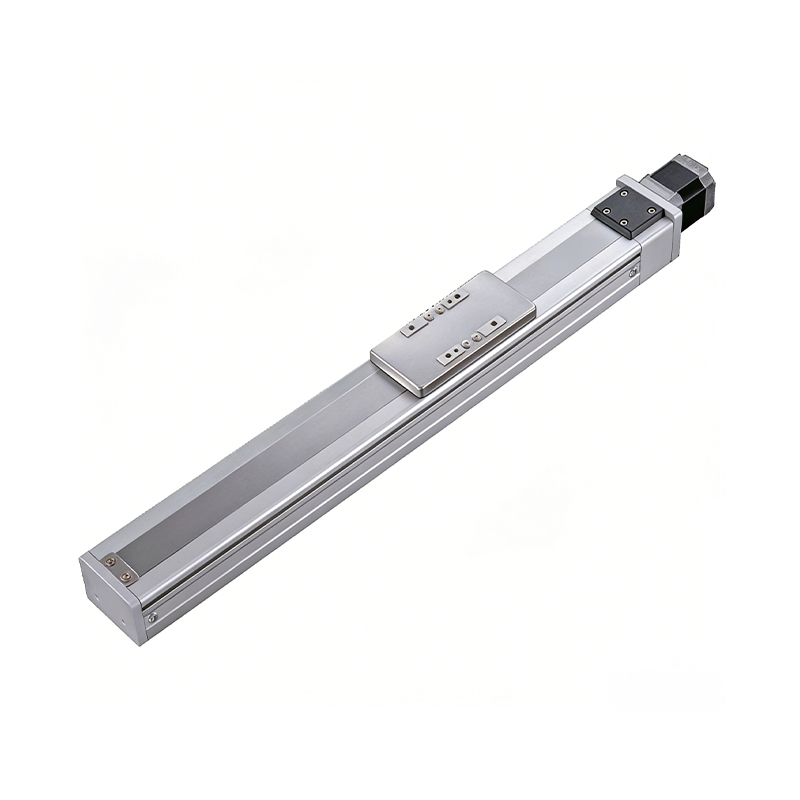 0.01mm High Precision Ball Screw Driven Rail-Embedded Linear Module
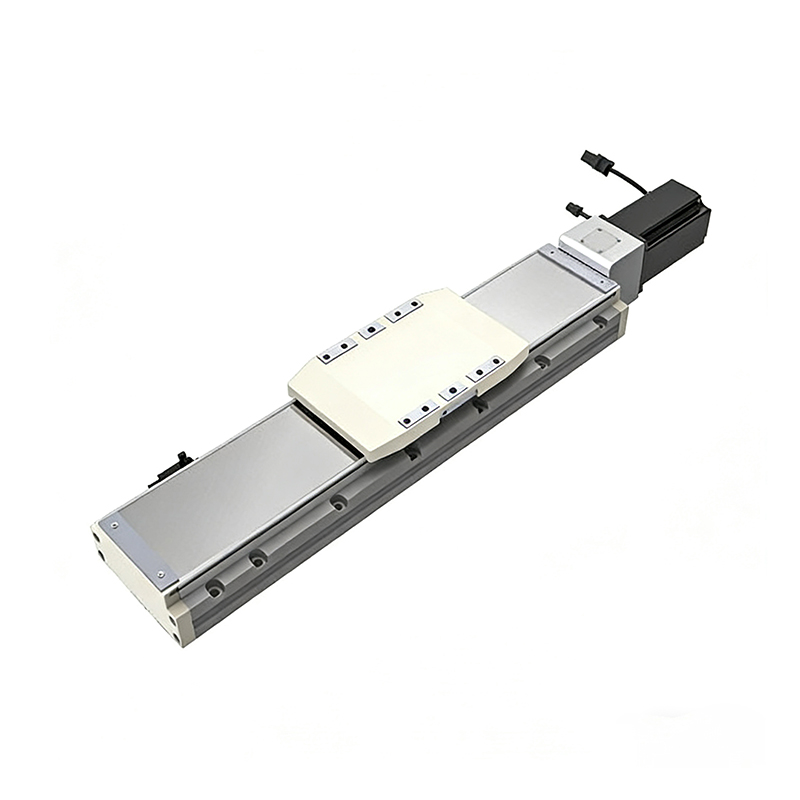 Heavy Load Ball Screw Driven Rail-Embedded Linear Module
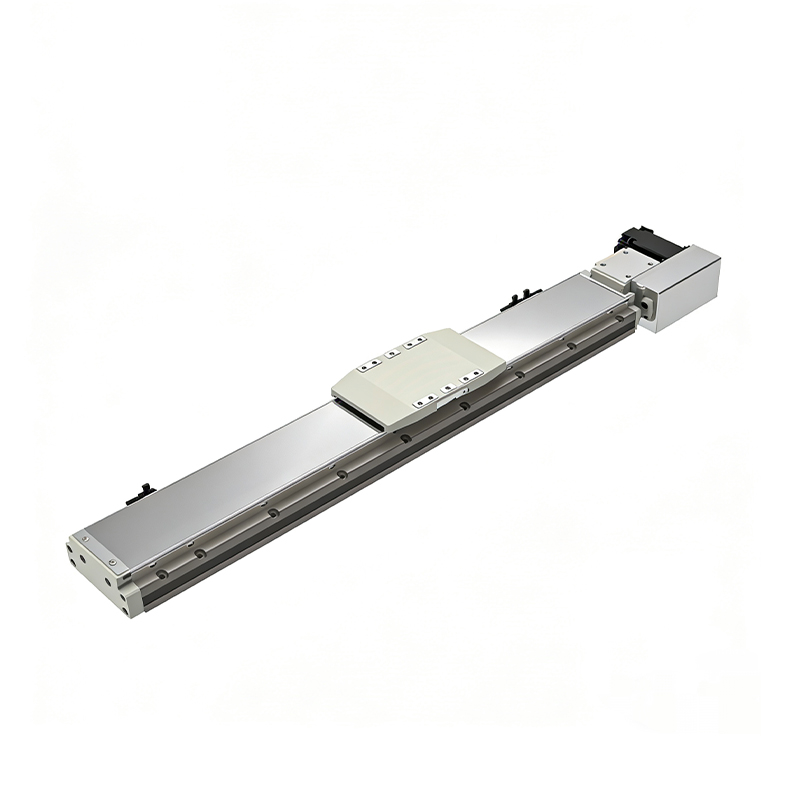 110KG Load Long Stroke Rail-Embedded Linear Module
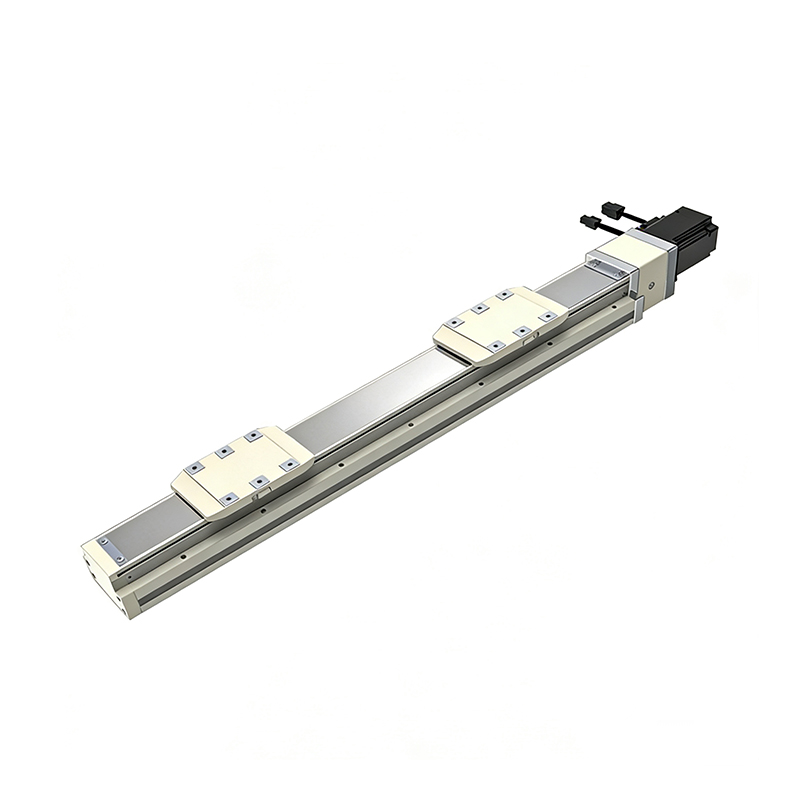 Dual-Slider High Precision Rail-Embedded Linear Module
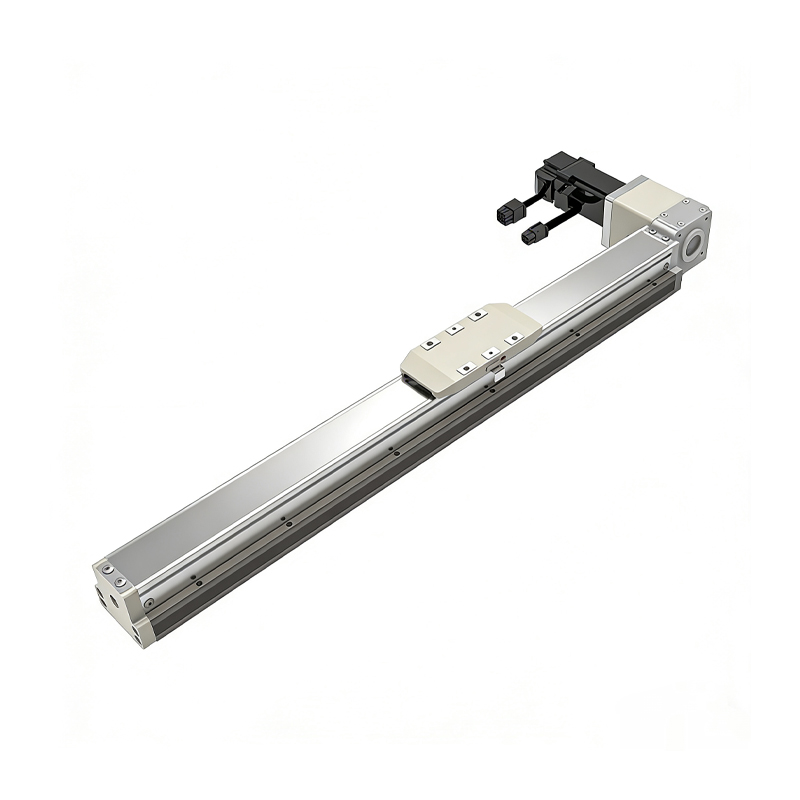 Belt Driven Dust-Proof Rail-Embedded Linear Module
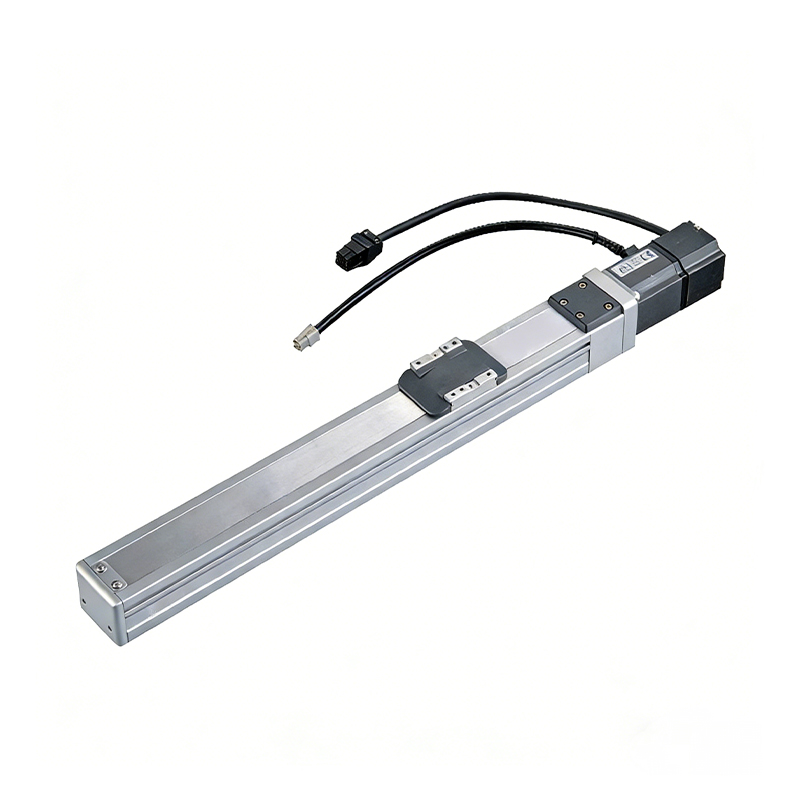 0.01mm High Precision Light Load Ball Screw Linear Module
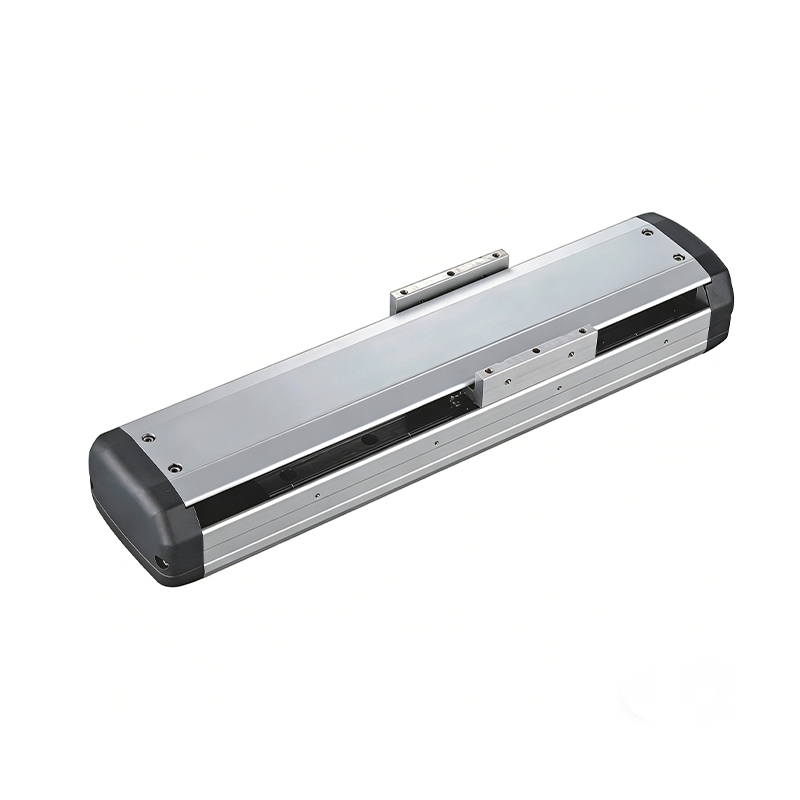 Ball Screw Linear Module with Built-in Sensor
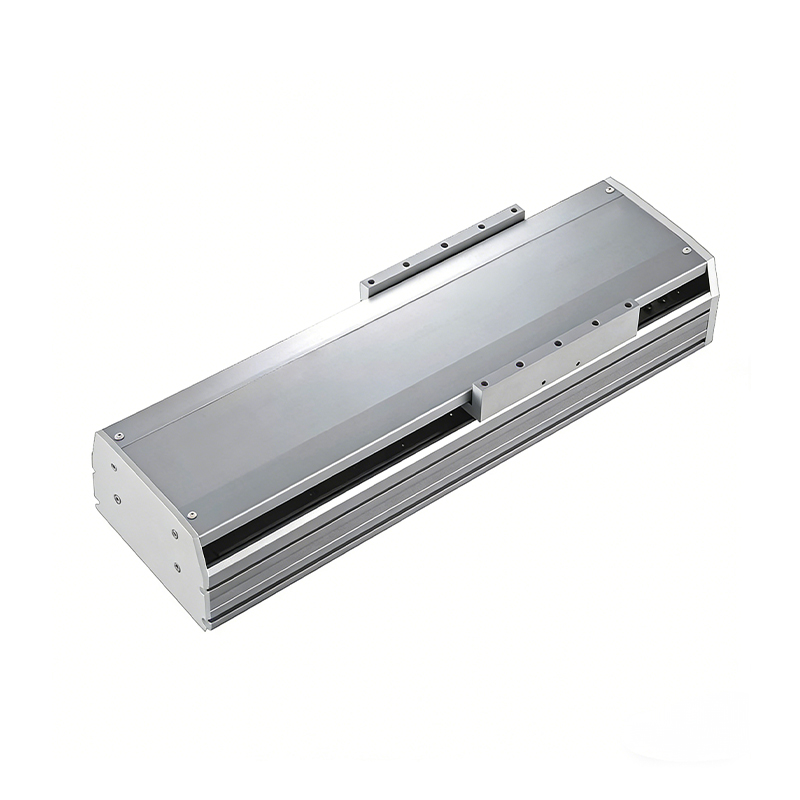 2000mm Long Stroke Ball Screw Linear Module
This 2000mm Long Stroke Ball Screw Linear Module is customized for large-range linear movement automation tasks, support...
READ MOREThis 2000mm Long Stroke Ball Screw Linear Module is customized for large-range linear movement automation tasks, support...
READ MOREThis 2000mm Long Stroke Ball Screw Linear Module is customized for large-range linear movement automation tasks, support...
READ MOREThis 2000mm Long Stroke Ball Screw Linear Module is customized for large-range linear movement automation tasks, support...
READ MORE
If you are interested in our products, please leave us a message. We look forward to providing you with
professional services!
Innovation and transcendence make factory intelligent manufacturing efficient and convenient!
+86 186 2508 0683
19962977901
sales@sz-tys.com
Building 5, Suzhou Mudu International Science and Technology Innovation Park, Jinfeng South Road, Suzhou City, Jiangsu Province, China
