


 English
 Français
 русский
 عربى
عربى Español
 Deutsch
Tel
+86 186 2508 0683

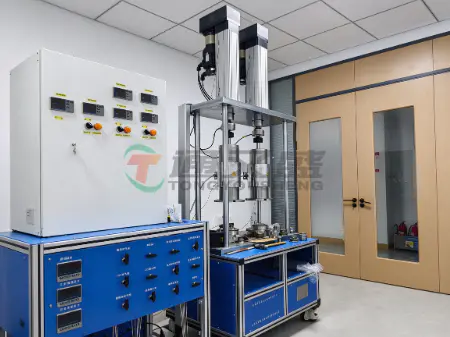
In geotechnical engineering and mining backfill, triaxial testing is a core method for determining the shear strength and mechanical properties of backfill materials and geotechnical specimens. Traditional triaxial testing machines generally rely on hydraulic or mechanical screw loading. As testing accuracy requirements continue to increase, however, dual-column triaxial testing equipment using servo electric cylinders as axial loading actuators is gradually becoming a mainstream configuration. Its technical value is clearly demonstrated in precision geotechnical testing equipment such as in-situ curing triaxial testing units for backfill materials.
Working Principle of Triaxial Testing Equipment
The in-situ curing triaxial testing unit for backfill materials is built around a high-rigidity, dual-column loading frame, together with upper and lower metal pressure chambers. A confining pressure system, pore pressure system, and temperature control system simulate the actual stress conditions and curing environment experienced by specimens at engineering sites. During testing, the specimen is placed in the pressure chamber and subjected to axial compressive loading by the loading mechanism under preset confining pressure, pore pressure, and temperature conditions. This makes it possible to obtain key parameters such as the specimen’s stress–strain relationship, shear strength, and permeability characteristics.
During this process, the accuracy and stability of axial loading directly determine the validity of the test data. This is precisely where the servo electric cylinder plays a central role.
Core Application Value of Servo Electric Cylinders
A servo electric cylinder consists of a servo motor, a planetary or ball screw assembly, a reduction mechanism, and a position feedback device. It converts the rotary motion of the servo motor into high-precision linear motion and performs the axial loading function of the testing equipment. Its main advantages in this type of equipment include the following:
1. Precise Closed-Loop Control of Force and Displacement
The encoder built into the servo system provides real-time position feedback. Together with a force sensor, it enables closed-loop control of force, displacement, and loading rate. It can carry out constant-rate, multistage, or cyclic loading and unloading tests strictly according to the preset loading path, meeting the demanding requirements for the loading process in triaxial testing.
2. High Structural Rigidity and Stable Loading
The dual-column frame and the high-rigidity transmission of the electric cylinder ensure smooth axial load transfer and minimal backlash. This effectively reduces mechanical disturbances during testing, helps maintain uniform stress on the specimen, and improves data repeatability and comparability.
3. Clean and Environmentally Friendly Operation for Laboratory Settings
Compared with hydraulic loading systems, electric cylinders do not require a hydraulic power unit or hydraulic lines, eliminating the risk of contamination caused by oil leaks. Their operation produces little noise and no oil-related pollution, making them more suitable for the strict cleanliness and environmental safety requirements of precision laboratory instruments.
4. Energy Efficiency and Easy Maintenance
The electric cylinder delivers power as needed during loading, making it more energy-efficient than a hydraulic system that runs continuously. Its compact structure and small number of transmission components also reduce routine maintenance requirements, significantly lowering the equipment’s life-cycle operating costs.
5. Flexible Integration and Strong Expandability
Servo electric cylinders can be seamlessly integrated with host control systems and data acquisition systems. They can be programmed flexibly according to different testing procedures and adapted to specimens of different sizes as well as synchronized loading requirements across multiple pressure chambers. This supports various complex testing scenarios, including in-situ curing and permeability testing of backfill materials.
Industry Applications and Prospects
In addition to triaxial testing equipment, servo electric cylinders are widely used in fields requiring precise linear actuation, including mechanical property testing of materials, pressure vessel testing, seismic simulation, and precision press-fitting. As testing standards continue to impose higher requirements on loading accuracy, rate control, and data traceability, direct-drive loading systems centered on servo electric cylinders are becoming an important direction for upgrading geotechnical and materials testing equipment.
For testing instrument manufacturers, selecting servo electric cylinders with stable performance and reliable accuracy not only helps improve equipment competitiveness but also provides a foundation for ensuring the scientific validity and rigor of test data. From laboratories to engineering sites, servo electric cylinders are providing robust actuation support for geotechnical engineering and materials science research through their high precision and reliability.
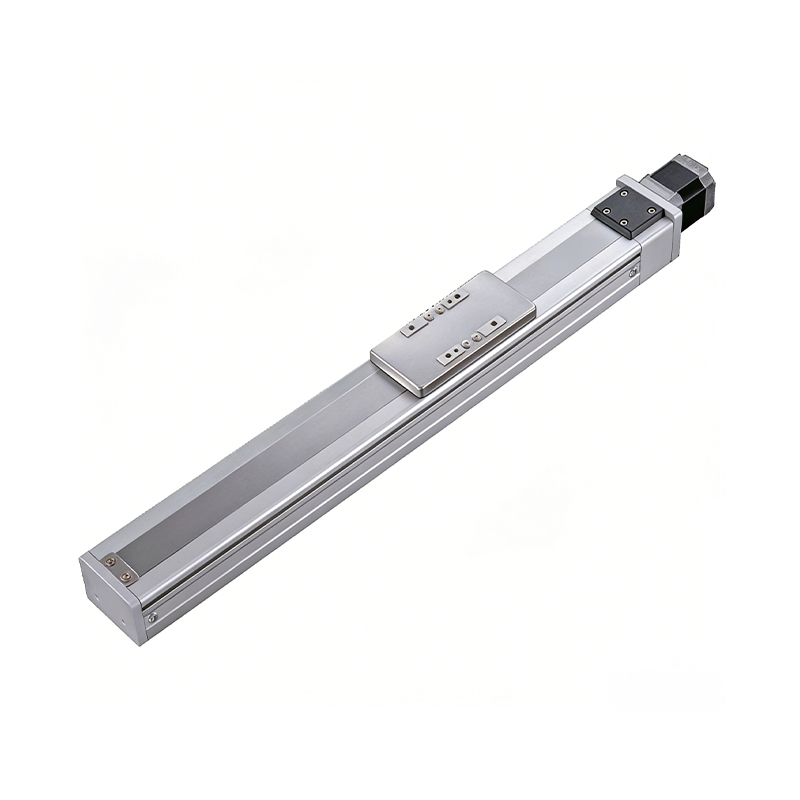 0.01mm High Precision Ball Screw Driven Rail-Embedded Linear Module
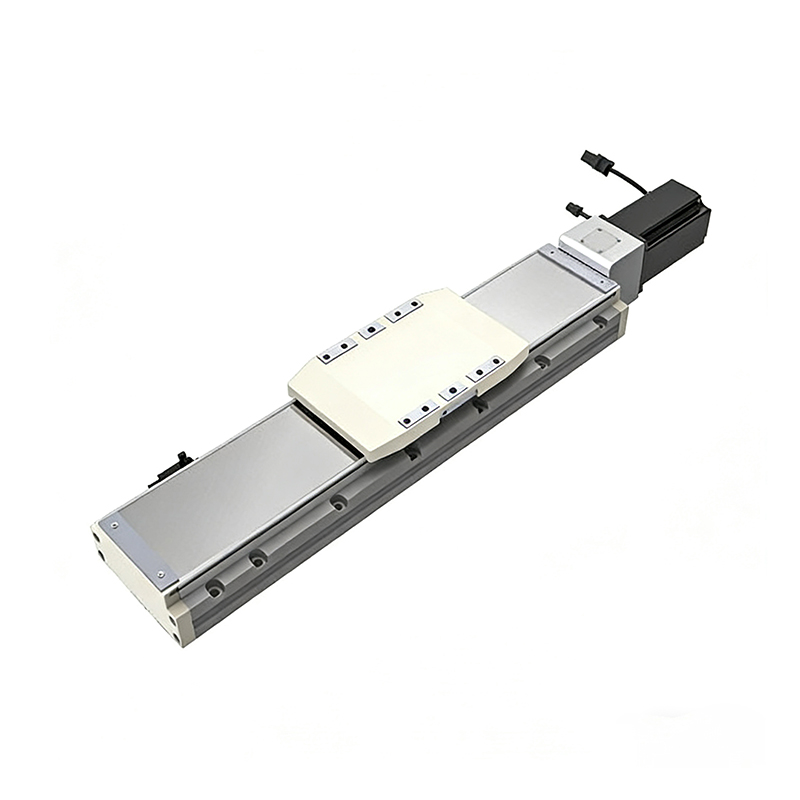 Heavy Load Ball Screw Driven Rail-Embedded Linear Module
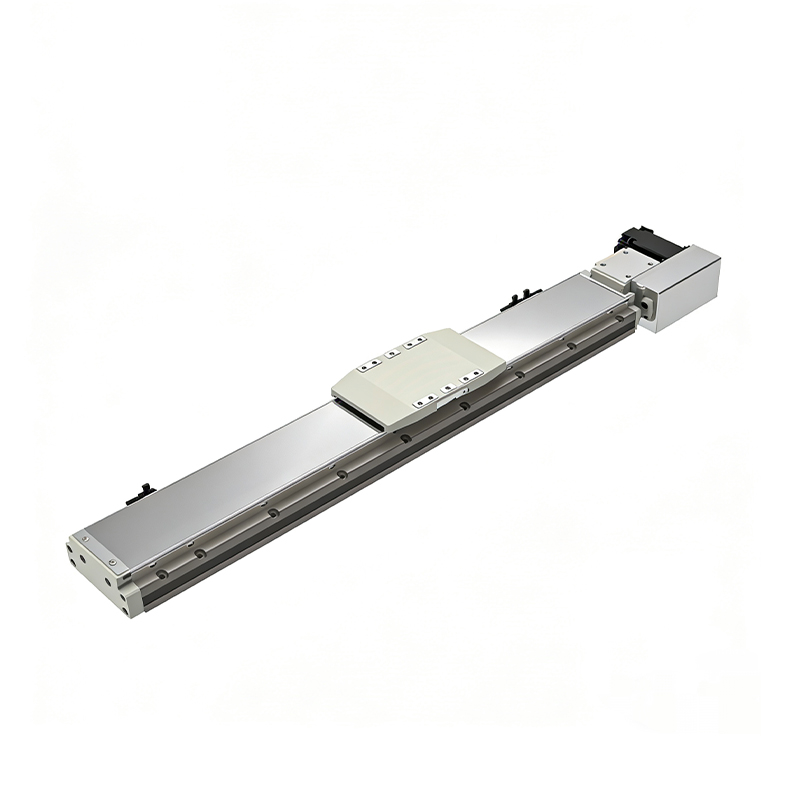 110KG Load Long Stroke Rail-Embedded Linear Module
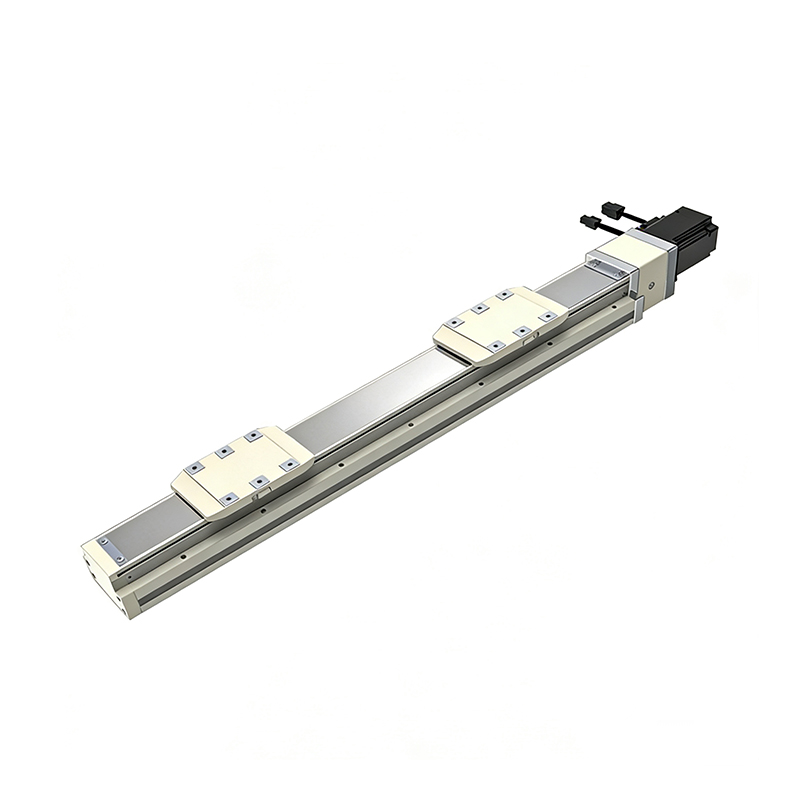 Dual-Slider High Precision Rail-Embedded Linear Module
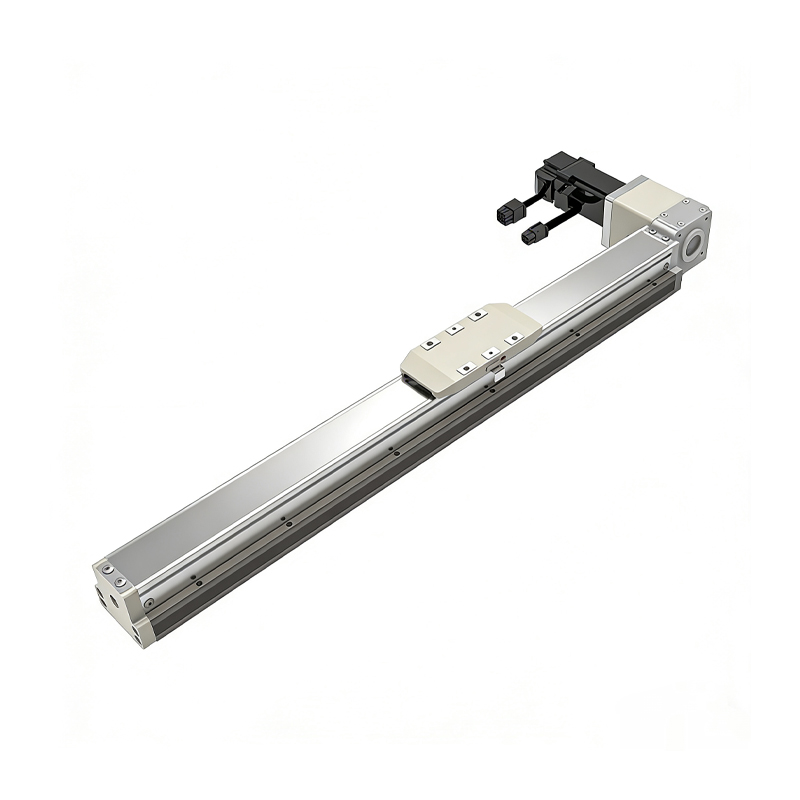 Belt Driven Dust-Proof Rail-Embedded Linear Module
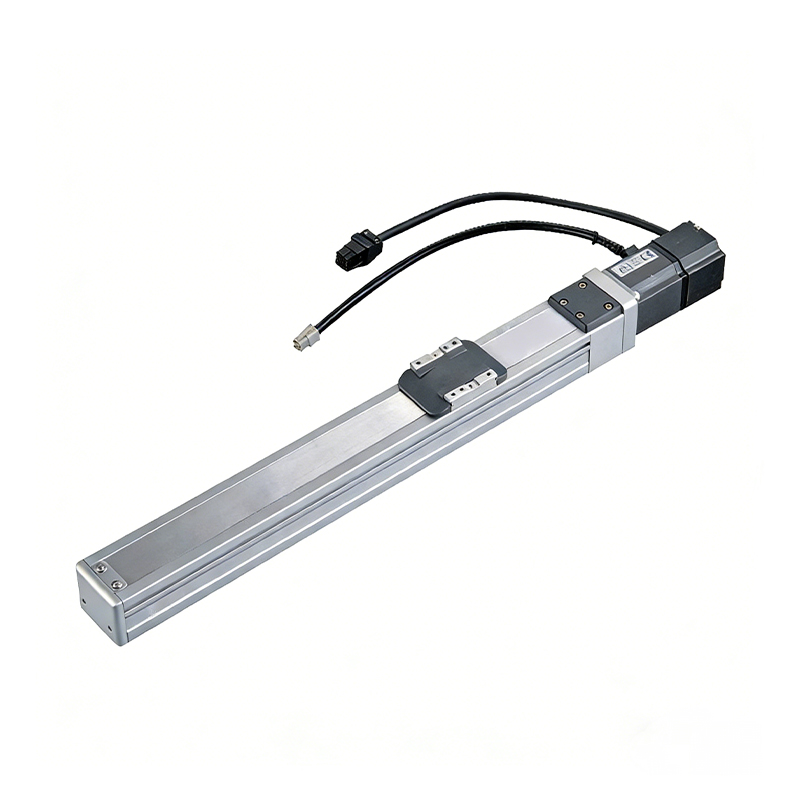 0.01mm High Precision Light Load Ball Screw Linear Module
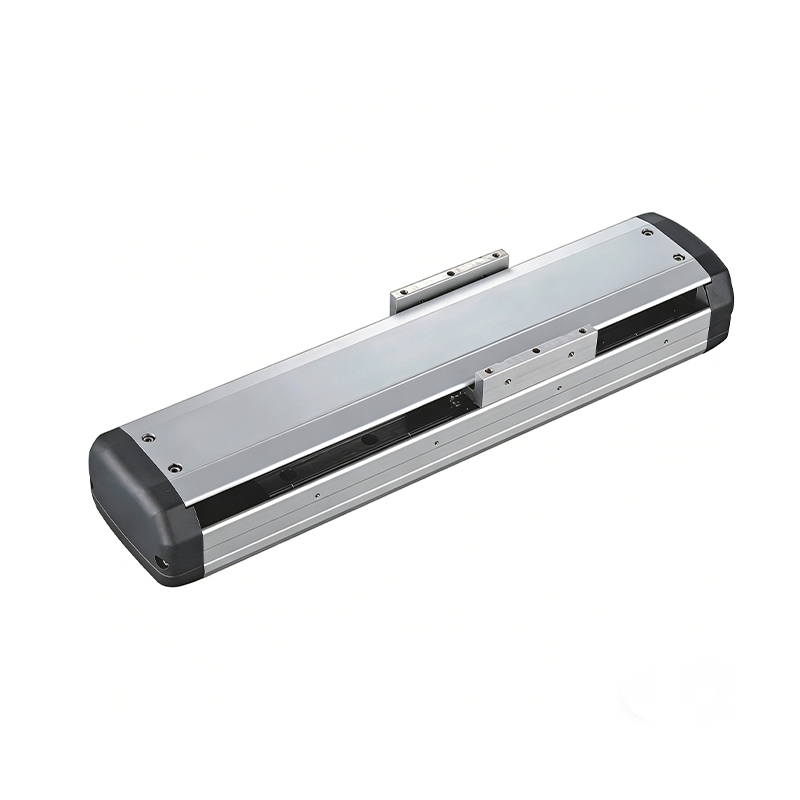 Ball Screw Linear Module with Built-in Sensor
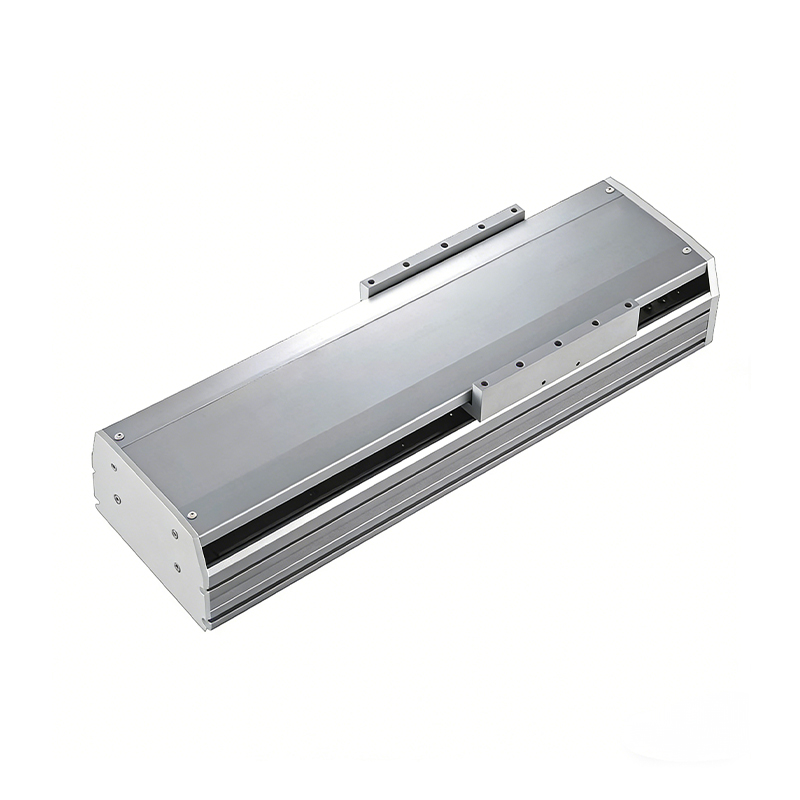 2000mm Long Stroke Ball Screw Linear Module
This 2000mm Long Stroke Ball Screw Linear Module is customized for large-range linear movement automation tasks, support...
READ MOREThis 2000mm Long Stroke Ball Screw Linear Module is customized for large-range linear movement automation tasks, support...
READ MOREThis 2000mm Long Stroke Ball Screw Linear Module is customized for large-range linear movement automation tasks, support...
READ MOREThis 2000mm Long Stroke Ball Screw Linear Module is customized for large-range linear movement automation tasks, support...
READ MORE
If you are interested in our products, please leave us a message. We look forward to providing you with
professional services!
Innovation and transcendence make factory intelligent manufacturing efficient and convenient!
+86 186 2508 0683
19962977901
sales@sz-tys.com
Building 5, Suzhou Mudu International Science and Technology Innovation Park, Jinfeng South Road, Suzhou City, Jiangsu Province, China
