


 English
 Français
 русский
 عربى
عربى Español
 Deutsch
Tel
+86 186 2508 0683

Commercial entertainment venues are increasingly searching for attractions that combine physical excitement, digital immersion, operational reliability, and strong repeat-visit potential. Traditional arcade racing machines can provide visual competition, but they often lack the physical movement required to make a simulated vehicle feel convincing. Static driving seats may reproduce the appearance of a cockpit, yet they cannot accurately communicate braking forces, cornering attitudes, uneven surfaces, drifting, elevation changes, or sudden vehicle reactions. An immersive six-degree-of-freedom, or 6DOF, racing motion platform addresses these limitations by combining a responsive parallel motion mechanism, high-resolution visual content, servo-driven actuation, and a dedicated single-seat cockpit.
The Immersive 6DOF Motion Racing Platform for Commercial Use is designed for racing simulation venues, VR experience centers, technology exhibitions, automotive education facilities, entertainment parks, and other locations that need an engaging and manageable attraction. Its motion system provides pitch, roll, yaw, lateral displacement, longitudinal displacement, and vertical lift. Together, these six motion axes allow the platform to reproduce a broad range of vehicle movements, from a sharp change in direction to a rough off-road surface or a hard braking maneuver.
The product is more than a moving seat. It is an integrated simulation solution that combines mechanical engineering, servo control, real-time algorithms, visual presentation, software connectivity, and commercial usability. Its single-seat configuration creates a focused and interactive experience, while the compact design allows venue operators to install it in locations where a larger multi-seat simulator may be impractical. At the same time, its high-speed electric-cylinder architecture and EtherCAT-based control system give it the responsiveness required for demanding motion scenarios.
Manufactured by Suzhou Tongyousheng Electronic Technology Co., Ltd., the platform benefits from the company’s experience in electric cylinders, linear motion modules, linear motor modules, servo presses, robotic seventh axes, and multi-degree-of-freedom systems. This cross-disciplinary manufacturing background is important because a professional motion simulator requires much more than an attractive exterior. It requires accurate mechanical transmission, controlled acceleration, repeatable positioning, robust software, stable long-duration operation, and systematic quality management.
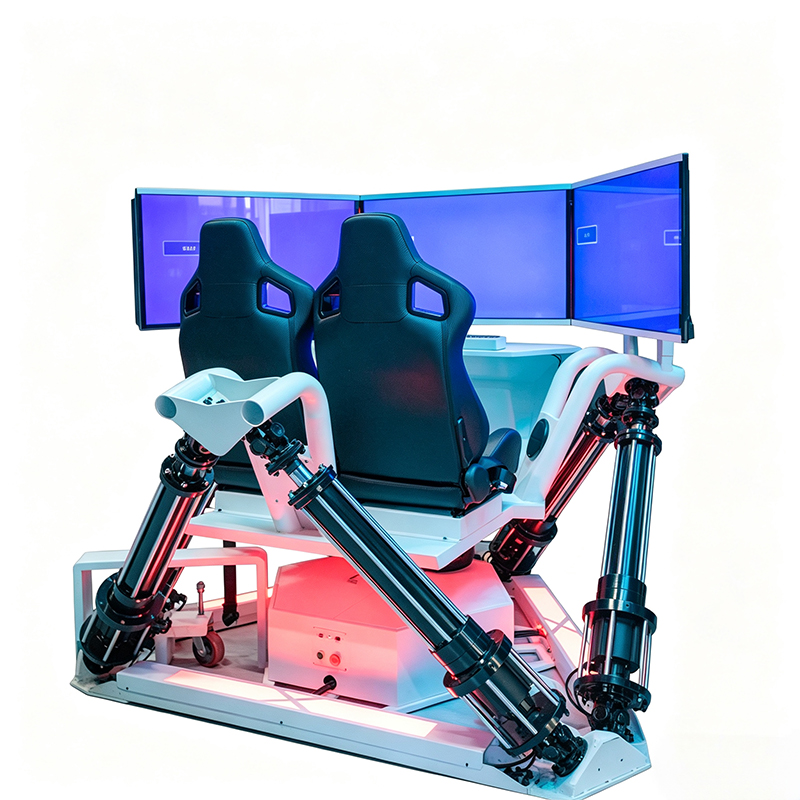
Immersive 6DOF Motion Racing Platform for Commercial Use
A six-degree-of-freedom motion platform can move or rotate around six independent axes. Three axes describe angular movement: pitch, roll, and yaw. Three additional axes describe linear movement: lateral displacement, longitudinal displacement, and vertical lift. By coordinating these axes, the system can create a controlled physical representation of vehicle movement.
Pitch describes the forward or backward tilting motion of the cockpit. During acceleration, the front of a simulated vehicle may rise while the rear appears to settle. During braking, the cockpit can tilt forward to reinforce the sensation of deceleration. Pitch can also reproduce the attitude changes associated with ramps, hills, jumps, and uneven terrain.
Roll describes the side-to-side tilting motion. It can be used to represent cornering, body roll, camber changes, lateral weight transfer, and banking. When combined with lateral displacement, roll can make a turn feel more progressive and natural than a simple fixed-angle tilt.
Yaw describes rotation around the vertical axis. It supports the sensation of a vehicle changing direction, rotating during a drift, or reacting to a loss of traction. In racing simulation, yaw is particularly useful when the visual scene shows the vehicle entering a corner, spinning, or transitioning rapidly between left and right turns.
Lateral displacement moves the platform from side to side. Longitudinal displacement moves it forward and backward, while vertical lift raises and lowers the cockpit. These linear axes provide physical travel that complements rotational motion. Even when the available motion range is limited compared with the movement of a real vehicle, coordinated acceleration and carefully designed motion cues can create a convincing perception of speed and force.
The platform’s control software does not simply copy every movement displayed on the screen. Instead, a motion algorithm interprets vehicle data and selects the most meaningful physical cues. This approach helps avoid unnecessary movement, excessive acceleration, and uncomfortable operation. Effective motion cueing is based on timing, amplitude, frequency, acceleration, and coordination between the visual and physical systems.
The most important advantage of the platform is the combination of three rotational and three linear axes. Many entry-level racing simulators use a fixed frame or a limited two-axis tilting system. Such products may provide basic movement, but they cannot create the same range of coordinated vehicle responses. A 6DOF architecture offers a larger motion vocabulary and gives software developers more freedom to match simulated events with physical effects.
The available pitch, roll, and yaw range is specified from ±5 degrees to ±60 degrees, depending on the selected configuration and operating requirements. The lateral and longitudinal displacement range is specified from ±10 millimeters to ±450 millimeters, while vertical lift ranges from ±10 millimeters to ±800 millimeters. These broad engineering ranges enable the platform to be adapted to different simulation scenes, user preferences, and venue requirements.
The system uses electric servo actuation rather than a purely passive or manually adjusted mechanism. Rotational axes can reach speeds of up to 50 degrees per second, while the linear axes can reach speeds of up to 1,000 millimeters per second. The specified linear acceleration can reach up to 2.0g, allowing the platform to reproduce rapid changes in vehicle behavior when the motion profile is correctly configured.
High speed alone does not guarantee a good simulator. The key advantage comes from combining speed with accurate synchronization and controlled acceleration. A fast platform that moves late or stops abruptly may feel unnatural. The motion controller therefore has to coordinate the servo motors, mechanical transmission, visual output, and simulation data with low latency. The stated system response frequency of up to 20 Hz provides a technical foundation for responsive motion updates in commercial simulation applications.
The product specification lists positioning accuracy of 0.03 degrees for pitch, roll, and yaw, with repeat positioning accuracy also listed at 0.03 degrees. For lateral, longitudinal, and vertical displacement, the specified positioning accuracy is 0.03 millimeters, with repeat positioning accuracy of 0.01 millimeters. These figures indicate the precision potential of the motion mechanism and support consistent motion behavior over repeated operating cycles.
Repeatability is particularly valuable in commercial venues. A simulator may operate for many hours each day, with users entering and exiting, selecting different scenes, and experiencing repeated motion profiles. If the platform does not return reliably to its intended position, calibration errors can accumulate. Accurate positioning allows the software to use predictable motion limits and helps maintenance personnel identify abnormal behavior more easily.
The single-seat architecture is optimized for focused user interaction. A single participant can control the simulated vehicle without sharing the cockpit with another occupant whose movements or expectations may differ. This configuration also allows the visual content, steering controls, seat position, and motion effects to be tuned specifically for one user.
For commercial operators, a single-seat design can provide several practical benefits. The footprint is generally easier to manage than that of a multi-seat platform, and the attraction can be placed in a corner, exhibition booth, retail entertainment zone, or compact VR center. The operator can also organize the venue around individual sessions, allowing users to select different tracks or vehicle categories without coordinating a group.
The system supports multi-scene simulation and software docking. This allows the platform to serve more than one racing title or driving environment, subject to compatibility and integration requirements. Possible use cases include circuit racing, rally driving, off-road terrain, drifting, sports car experiences, driver education, automotive demonstrations, and technology presentations.
Scene diversity improves the commercial value of the platform. A customer may first try a high-speed circuit, then choose a mountain road, desert route, snow track, or urban course during a later visit. For exhibitions and educational venues, the same hardware can demonstrate vehicle dynamics, suspension behavior, road conditions, and control responses rather than being limited to entertainment racing alone.
A commercial simulator must attract attention without overwhelming the venue. The platform combines a sleek, compact appearance with a mechanical structure engineered for substantial dynamic movement. This balance helps it fit into indoor entertainment spaces, exhibition halls, showrooms, and training environments.
Visual presentation also influences user confidence. A well-integrated cockpit, display system, control interface, and moving base makes the attraction easier to understand at a glance. Potential users can see that the platform is not simply a conventional game seat but a complete physical simulation device. For operators, a professional appearance can support premium pricing and reinforce the quality of the venue.
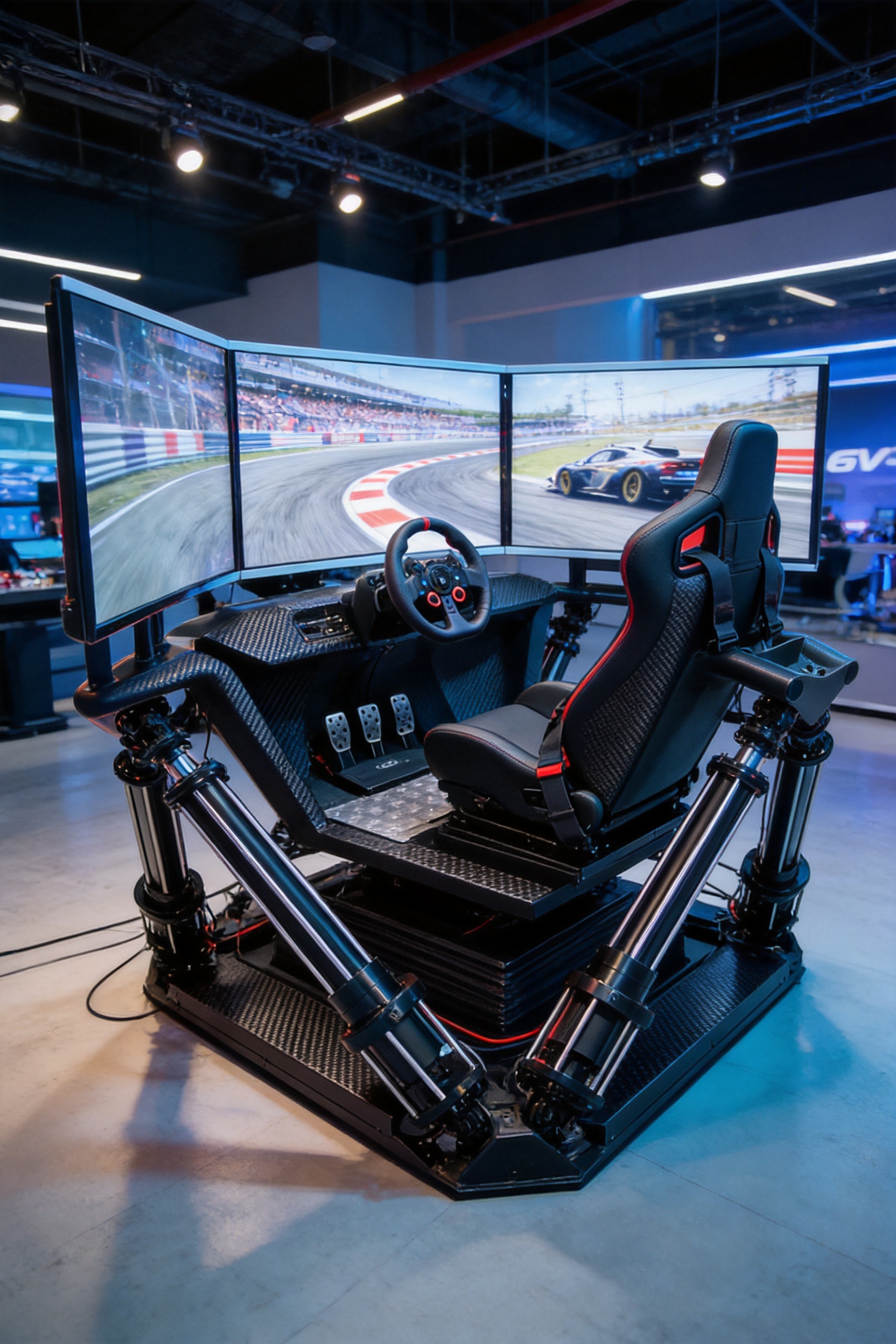
The following table summarizes the principal motion and system specifications supplied for the platform. Actual performance depends on configuration, payload, software settings, safety limits, installation conditions, and the selected operating profile.
| Parameter | Specification | Commercial Significance |
|---|---|---|
| Degrees of freedom | 6: pitch, roll, yaw, lateral, longitudinal, and vertical | Enables coordinated vehicle attitude and translation effects |
| Pitch range | ±5° to ±60° | Supports braking, acceleration, hills, jumps, and terrain effects |
| Roll range | ±5° to ±60° | Supports cornering, banking, and lateral weight-transfer cues |
| Yaw range | ±5° to ±60° | Supports direction changes, drifting, and vehicle rotation effects |
| Lateral displacement | ±10 mm to ±450 mm | Creates side-to-side translation and coordinated cornering effects |
| Longitudinal displacement | ±10 mm to ±450 mm | Supports acceleration, braking, and forward-backward motion cues |
| Vertical lift | ±10 mm to ±800 mm | Reproduces elevation changes, jumps, and rough-terrain movement |
| Rotational speed | Up to 50°/s | Provides responsive angular movement |
| Linear speed | Up to 1,000 mm/s | Supports rapid translational responses |
| Linear acceleration | Up to 2.0g | Provides strong dynamic cues when properly programmed |
| System response frequency | 0–20 Hz | Supports timely motion updates and responsive control |
| Rotational positioning accuracy | 0.03° | Improves repeatability of angular motion |
| Linear positioning accuracy | 0.03 mm | Supports precise translational control |
| Linear repeat positioning accuracy | 0.01 mm | Helps maintain consistent repeated motion cycles |
| Noise | Less than 65 dB | Suitable for many indoor commercial environments |
| Average trouble-free working time | More than 6,000 hours | Supports long-term commercial utilization |
The platform specifications are configurable across a broad product family. The related electric-cylinder architecture covers motor power from 400 watts to 22 kilowatts, rated output from 1 to 150 kilonewtons, effective load from 2,000 to 15,000 kilograms, and operating ranges from 70 to 800 millimeters. These ranges demonstrate the manufacturer’s ability to adapt actuator and transmission designs to different payloads and motion requirements.
Other listed mechanical parameters include screw diameters from 12 to 80 millimeters, lead screws from 5 to 32 millimeters, rated speeds from approximately 133 to 1,000 millimeters per second, and motor speeds from 1,500 to 3,000 revolutions per minute. Depending on the required mechanical configuration, installation may use front and rear fork hinges, flanges, or trunnions. These options make the motion system suitable for different structural layouts and mounting constraints.
The motion platform uses an EtherCAT bus control system. EtherCAT is widely used in demanding automation applications because it supports synchronized communication between controllers, servo drives, sensors, and other devices. In a multi-axis motion platform, synchronization is essential. Each actuator must respond at the correct time and coordinate its movement with the other actuators to prevent unwanted vibration, mechanical interference, or visual inconsistency.
A bus-based architecture can reduce complicated point-to-point wiring and provide a structured communication framework. It also supports system diagnostics, parameter management, and expansion. For a commercial platform, these functions can simplify commissioning and help service personnel locate communication or drive faults.
The control system incorporates bus-type servo motors and internally developed core hardware. Servo motors are appropriate for this application because they provide controlled speed, position, and torque performance. Feedback from the motor and mechanical system allows the controller to compare actual movement with the target command and correct deviations in real time.
Servo control is especially valuable when the motion profile contains rapid reversals. Racing simulations can include a left-right chicane, a sudden drift correction, a jump followed by landing, or a transition from acceleration to braking. These events demand smooth but decisive actuator responses. The controller must manage not only the commanded path but also acceleration, deceleration, synchronization, and mechanical limits.
The company’s control software incorporates self-developed algorithms that have been refined through iterative development. The platform can operate with a non-calibrated software workflow in supported configurations, reducing the complexity of routine setup. Optional matching algorithms and special-effects modules can be added to tailor the motion response to customer requirements.
Motion algorithms determine how digital vehicle data becomes physical movement. For example, a strong braking signal may be transformed into a controlled pitch cue, a longitudinal shift, and a carefully limited vibration effect. A sharp corner may combine roll, yaw, lateral translation, and a small amount of longitudinal motion. Rough terrain may use a higher-frequency vertical profile while maintaining safe overall displacement.
The goal is not to move the cockpit as much as possible. The goal is to create a believable relationship between what the user sees, what the user controls, and what the user feels. Excessive movement may produce discomfort, while insufficient or poorly timed movement can weaken immersion. A well-tuned algorithm uses the platform’s available range intelligently and reserves larger travel for moments where it contributes most to the experience.
Suzhou Tongyousheng Electronic Technology Co., Ltd. is a high-tech enterprise integrating research and development, production, and sales. Established in 2013, the company has developed capabilities across precision motion products and automation systems. Its product portfolio includes electric cylinders, linear motion modules, linear motor modules, servo presses, robotic seventh axes, six-degree-of-freedom platforms, and multi-degree-of-freedom linkage systems.
The motion platform depends on reliable electric cylinders and precision screw transmission. The same engineering knowledge used to design industrial electric cylinders can be applied to simulator actuation. Important considerations include screw selection, bearing support, actuator stiffness, motor sizing, feedback resolution, lubrication, heat management, and protection against wear.
The stated design integrates a high-dynamic ball-screw concept. Ball screws are suitable for applications requiring efficient conversion of rotary motor movement into precise linear movement. When correctly designed and manufactured, they can support high repeatability, rapid response, and reliable load handling. For a motion simulator, the ball screw and its associated support components must also withstand frequent acceleration and reversal rather than only slow, steady industrial positioning.
The company operates advanced design software and high-precision CNC machining centers. CNC machining supports accurate production of structural brackets, actuator components, mounting interfaces, bearing seats, and other load-bearing parts. Precision machining is important because small dimensional errors can affect alignment, friction, vibration, and actuator synchronization.
For a multi-axis platform, manufacturing accuracy must extend beyond individual components. The assembly relationship between components is equally important. Parallel mechanisms require correctly located joints and consistent actuator geometry. A properly managed machining and assembly process helps preserve the intended kinematic model used by the control software.
The manufacturer maintains an experienced R&D team and has developed core patents and proprietary technologies. Its work covers mechanical design, electrical control, software algorithms, and system integration. This combination allows the company to address the motion platform as a complete product rather than treating the actuator, controller, cockpit, and software as unrelated components.
Integrated R&D can shorten the path between customer requirements and final configuration. A commercial operator may need a specific footprint, payload, screen arrangement, scene library, seat configuration, or special effect. When mechanical and control expertise exists within the same organization, these requirements can be evaluated together. The result can be a more coherent solution than one assembled from incompatible third-party components.
The company collaborates with state-owned enterprises, defense technology institutions, and leading universities. Such cooperation can contribute to technical exchange, advanced application research, algorithm development, and system validation. Although each project has its own requirements, this type of collaboration reflects an engineering environment that extends beyond basic product assembly.
Motion simulation technology has applications in entertainment, automotive research, robotics, education, and specialized training. Knowledge gained in one field can strengthen another. For example, control methods developed for industrial motion may improve simulator precision, while simulation requirements can encourage the development of smoother and more responsive actuator control.
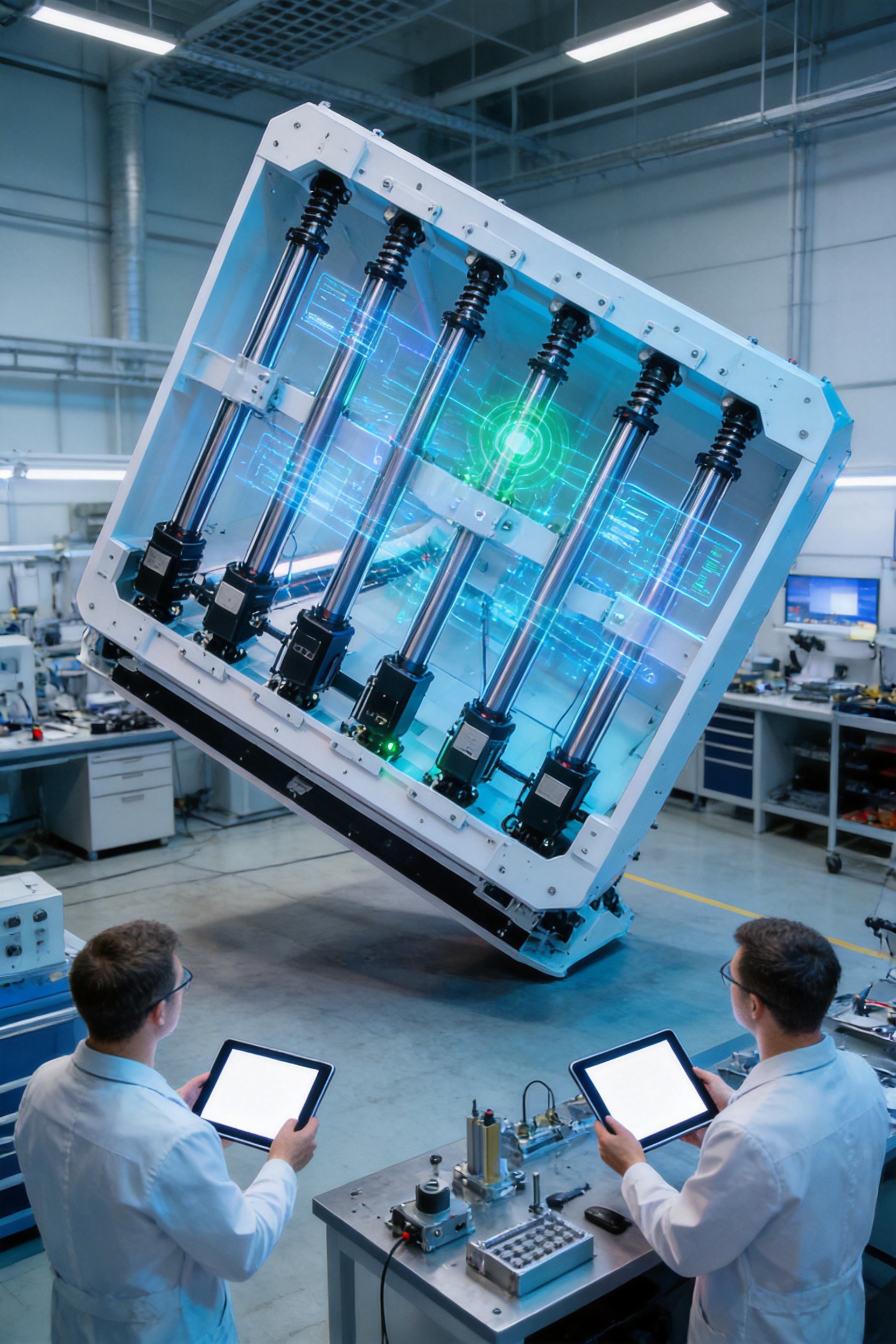
A fixed racing simulator can offer a steering wheel, pedals, a seat, and a screen, but the user receives almost all vehicle information through visual and audio channels. A two-axis or three-axis motion seat can add some tilt, yet it may not reproduce coordinated translation and rotation. The six-axis platform offers a broader physical response and can therefore create a more complete sense of vehicle behavior.
This advantage is especially noticeable in scenarios involving multiple simultaneous effects. During a drift, for instance, the platform may need to coordinate yaw rotation with lateral displacement, roll, and controlled longitudinal movement. During a jump, vertical lift can be combined with pitch and a carefully managed landing response. These combinations are difficult to reproduce convincingly with a limited-axis mechanism.
Some large motion simulators use hydraulic systems. Hydraulic technology can provide substantial force and travel, but it may require pumps, valves, fluid management, additional infrastructure, and more complex maintenance. An electric servo architecture can offer a cleaner installation, precise software control, and easier integration into an indoor commercial venue.
The electric-cylinder approach is not intended to replace every hydraulic application. Very large industrial simulators may require different technologies. However, for a compact single-seat racing platform, electric servo actuation offers a strong balance of responsiveness, controllability, maintenance convenience, and installation flexibility.
Professional driver-training or research simulators may include large cabins, extensive projection systems, motion bases, and complex operator stations. These solutions can be highly capable but may be too expensive, too large, or too difficult to operate for an entertainment venue. The single-seat commercial platform focuses on the features that directly improve customer engagement while maintaining a more manageable footprint.
Its compact design, simple operation, and adaptable software interface make it suitable for venues that need reliable customer throughput. Operators can concentrate on session management, safety checks, cleaning, and software selection rather than managing an unnecessarily complex installation.
Commercial competitors may emphasize visual graphics or mechanical appearance while providing limited information about positioning accuracy and repeat positioning performance. The specified angular and linear accuracy figures give purchasers a clearer basis for evaluating motion quality. Consistent positioning also helps maintain a similar experience between customers, which is important for commercial reviews and repeat business.
Electric motion systems avoid many of the routine concerns associated with hydraulic fluid systems. There is no hydraulic reservoir or fluid circuit to inspect, and the platform can be integrated with electrical diagnostics through the control architecture. Maintenance is still required, including inspection of screws, bearings, joints, fasteners, cables, servo drives, and safety systems, but the overall service process may be more straightforward for an indoor entertainment operator.
VR centers need attractions that stand out from standard head-mounted experiences. The 6DOF racing platform adds physical movement to digital immersion, allowing customers to feel that the virtual vehicle is reacting beneath them. It can serve as a premium attraction, an upgrade option, or a centerpiece around which other VR activities are organized.
At exhibitions, a motion platform can attract visitors from a distance because the movement itself is visible and intriguing. Automotive manufacturers, component suppliers, research organizations, and technology companies can use the simulator to demonstrate vehicle dynamics, new control concepts, road conditions, or brand-related driving scenarios. The single-seat configuration supports short sessions and structured visitor flow.
The platform can help explain concepts such as braking, acceleration, cornering, traction loss, suspension response, and road roughness. Instead of learning only from diagrams, visitors can experience controlled examples of how a vehicle responds. Educational content can be designed to prioritize clarity and safety rather than maximum speed, making the system useful for science museums, schools, training centers, and public technology events.
For entertainment operators, the attraction can support timed sessions, competitive leaderboards, themed tracks, and seasonal content. Different motion profiles may be assigned to beginners and advanced users. Operators can also create a progression system in which visitors first try a gentle circuit, then unlock rally, drift, or extreme-terrain experiences.
Portable or semi-permanent installations can be used for product launches, corporate events, dealer conferences, and promotional campaigns. The motion experience encourages participation and creates memorable content for visitors. Depending on the display and software configuration, an event organizer can present a branded track or a scenario related to a new vehicle, tire, control system, or mobility concept.
Dynamic motion must always be controlled within safe operating limits. Before installation, the venue should assess floor capacity, clearance, power supply, emergency access, operator visibility, user restraints, seat adjustment, and surrounding barriers. The platform should be operated according to the manufacturer’s procedures and configured for the weight, height, and condition of the intended users.
A commercial installation should include an operator-controlled emergency stop and a clearly defined startup and shutdown procedure. The software should prevent commands that exceed configured mechanical limits. The motion profile should also account for user comfort. Not every customer wants the most aggressive setting, and the venue may benefit from offering comfort, standard, and advanced modes.
Routine inspections should include checking actuator mounting points, mechanical joints, fasteners, cables, protective covers, steering controls, seat restraints, display equipment, and emergency devices. Operators should watch for abnormal noise, unusual vibration, delayed movement, position errors, or inconsistent return-to-center behavior. Early detection can reduce downtime and protect the equipment.
The listed noise level of less than 65 dB is suitable for many indoor environments, although the final acoustic result depends on floor structure, room geometry, surrounding equipment, and motion settings. Isolation measures, appropriate placement, and regular mechanical maintenance can help preserve a comfortable environment for both users and nearby visitors.
Successful installation begins with a review of the venue. Operators should confirm the available floor area, ceiling height, access route, door dimensions, electrical capacity, ventilation, network infrastructure, and customer circulation path. The platform’s product family includes configurations with different sizes, weights, loads, motor powers, and mounting arrangements, so the final installation must be selected according to the actual site conditions.
The control system may be integrated with visual display equipment, steering and pedal controls, audio systems, VR devices, operator consoles, and third-party simulation software. Software docking should be tested before opening the attraction to the public. The integration process should verify that vehicle speed, acceleration, steering input, collision events, terrain data, and other signals are mapped correctly to the intended motion effects.
Calibration and commissioning should include a no-load test, a controlled loaded test, a full-range limit check, an emergency stop check, and a software synchronization test. The manufacturer’s non-calibrated control approach may simplify supported configurations, but commissioning is still essential. Every venue has different floors, displays, user controls, and environmental conditions, and the platform must be validated as an installed system.
Operators should maintain documentation covering motion settings, software versions, maintenance records, inspection schedules, and fault history. This information can help diagnose recurring issues and support future upgrades. It also makes it easier to compare the performance of different motion profiles and determine which experiences generate the strongest customer response.
Commercial value depends on more than the initial purchase price. A platform must generate customer interest, remain available during business hours, and be manageable by venue staff. The stated average trouble-free working time of more than 6,000 hours provides an important reference for lifecycle planning, although actual service life depends on payload, duty cycle, environment, maintenance, and operating intensity.
The platform’s design emphasizes reliable mechanical transmission, servo control, and software coordination. The long-duration operating specification states that after more than 12 hours of continuous operation, the position drift of any one cylinder will not exceed 0.0025 meters. Such drift control is important for commercial venues that need stable operation over a full day.
Lifecycle value is also influenced by replacement access and technical support. Electric cylinders, servo drives, control components, and software modules should be documented so that service personnel can identify the relevant parts. A manufacturer with capabilities in both component production and complete motion systems may be better positioned to provide coordinated support than a vendor that only resells individual devices.
Different customers may require different seat designs, display configurations, control layouts, motion limits, software interfaces, or exterior treatments. The platform’s modular technical foundation allows these requirements to be evaluated as part of the overall solution. Customization should preserve the balance between visual appeal, mechanical safety, actuator capacity, and motion algorithm performance.
Motion customization may include gentler settings for family entertainment centers, stronger effects for specialist racing venues, terrain-focused profiles for off-road demonstrations, or educational modes that isolate one vehicle dynamic at a time. Special-effects algorithms can be used to add carefully controlled vibration or event-based motion, provided that the effects remain within safe and comfortable limits.
The company’s broader capabilities in electric cylinders, linear modules, servo presses, and multi-degree-of-freedom systems can support customers seeking a related automation or simulation project. This is useful for organizations that want to develop several connected attractions or combine entertainment simulation with industrial demonstration equipment.
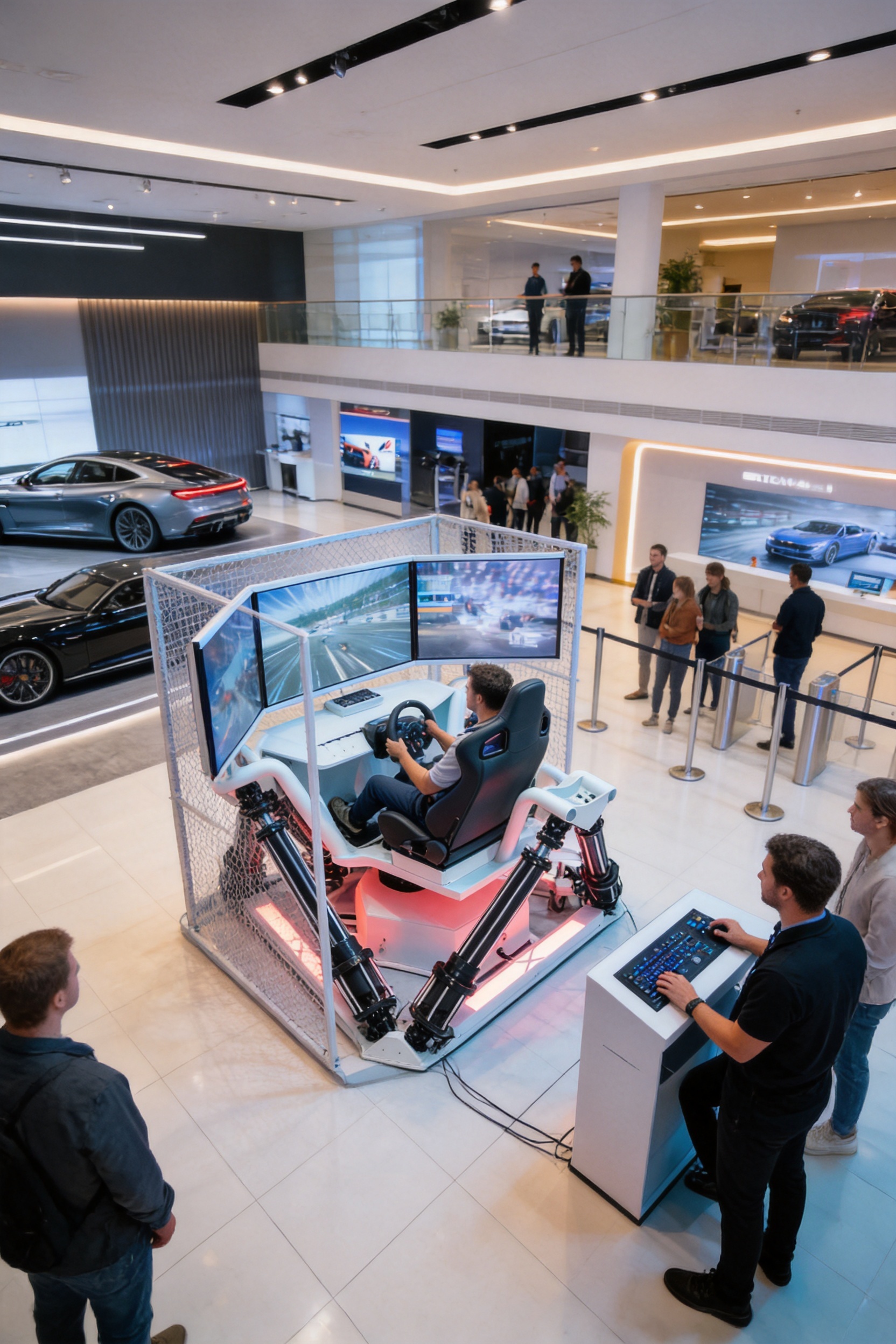
Before selecting a motion racing platform, buyers should define the intended audience, daily operating hours, desired session length, available floor area, expected payload, display format, software requirements, and maintenance resources. These factors determine the appropriate actuator capacity, motion range, screen configuration, and control profile.
Buyers should also request clear information about installation, commissioning, operator training, software compatibility, warranty coverage, spare parts, inspection intervals, and remote or on-site technical support. A complete commercial solution should explain not only what the machine can do but also how it will be installed, operated, maintained, and upgraded.
It is useful to compare products according to measurable criteria rather than appearance alone. Important comparison points include the number of motion axes, actual travel, angular range, acceleration, positioning accuracy, repeatability, response frequency, noise, duty cycle, control protocol, software openness, safety architecture, and manufacturer experience. A platform with fewer advertised features may not provide the same physical experience as a properly integrated 6DOF system.
Demonstration testing is recommended whenever possible. Potential buyers should evaluate the timing between visual events and physical motion, the smoothness of transitions, the comfort of different profiles, the ease of resetting the system, and the operator’s ability to manage a session. These practical factors have a direct influence on customer satisfaction and venue profitability.
6DOF means six degrees of freedom: pitch, roll, yaw, lateral displacement, longitudinal displacement, and vertical lift. The platform combines these movements to reproduce vehicle attitude changes and translational motion.
It is designed as a single-seat racing platform. The single-user configuration provides focused interaction, simplifies session management, and can fit more easily into compact commercial spaces.
It can support circuit racing, drifting, sudden braking, rough terrain, rally driving, elevation changes, vehicle demonstrations, and educational scenarios. The exact experience depends on software integration and the selected motion profile.
The specified rotational speed is up to 50 degrees per second, and the specified linear speed is up to 1,000 millimeters per second. The system response frequency is listed as 0–20 Hz. Actual performance depends on payload, configuration, software, and safety settings.
The platform uses an EtherCAT-based control system with bus-type servo motors, internally developed core hardware, platform control software, and motion algorithms. Optional matching and special-effects modules can be applied for particular customer requirements.
The described platform uses electric servo actuation and high-dynamic ball-screw technology. It is therefore designed around an electrical motion architecture rather than a conventional hydraulic power unit.
The platform supports software docking and multi-scene simulation. Compatibility depends on the software interface, data protocol, motion cue requirements, and integration work required for the selected application.
The stated positioning accuracy is 0.03 degrees for pitch, roll, and yaw, and 0.03 millimeters for the linear axes. Linear repeat positioning accuracy is listed as 0.01 millimeters, while angular repeat positioning accuracy is listed as 0.03 degrees.
The platform is designed for commercial use and lists an average trouble-free working time of more than 6,000 hours. A continuous-operation specification also addresses position drift after more than 12 hours. Proper installation, inspection, and maintenance remain essential.
Typical applications include VR experience centers, entertainment venues, technology expos, automotive popular science education, showrooms, promotional events, and simulation-focused commercial facilities.
Motion intensity can generally be configured through software profiles and operating parameters. Venues should use settings appropriate for their audience, payload, safety requirements, and content. The exact adjustment process should be confirmed during commissioning.
Operators should check floor capacity, available clearance, power supply, access routes, room height, network requirements, emergency access, display placement, ventilation, customer circulation, and the required safety equipment.
The Immersive 6DOF Motion Racing Platform for Commercial Use is designed to bring together physical motion, digital simulation, and commercial practicality in one integrated attraction. Its six coordinated axes provide a more complete representation of driving dynamics than fixed or limited-axis racing seats. High-speed servo actuation, precision positioning, EtherCAT communication, responsive algorithms, and a high-resolution visual system support a convincing and repeatable user experience.
Its single-seat format makes the platform suitable for focused customer interaction and compact indoor installations. Multi-scene simulation and software docking expand its usefulness beyond a single racing title, while the control system and optional algorithm modules allow motion behavior to be adapted to different venues and audiences. The product can support entertainment, exhibitions, education, automotive demonstrations, and promotional activities.
The platform’s value is strengthened by the manufacturer’s broader engineering capabilities. Experience in electric cylinders, ball-screw transmission, linear motion, servo presses, CNC machining, servo control, and multi-degree-of-freedom systems provides a foundation for designing and producing reliable motion equipment. Research collaboration, proprietary technologies, and integrated R&D further support the development of customized automation and simulation solutions.
For commercial operators, the most important consideration is not simply the size of the motion range or the visual appearance of the cockpit. The long-term result depends on synchronization, comfort, reliability, maintainability, software flexibility, safety, and the ability to attract repeat users. With the correct configuration and professional installation, this 6DOF platform can serve as a high-impact attraction that delivers a memorable driving experience while remaining adaptable to the operational needs of modern commercial venues.
1. Product technical information for the Immersive 6DOF Motion Racing Platform for Commercial Use, including motion ranges, speed, acceleration, accuracy, control architecture, and operating parameters.
2. Product technical information for electric-cylinder and linear-motion product families, including actuator dimensions, motor power, rated output, speed, load, installation methods, and screw specifications.
3. EtherCAT Technology Group, technical principles of real-time Ethernet communication and synchronized multi-axis motion control.
4. General engineering references on servo motor control, ball-screw transmission, precision positioning, and industrial motion-system design.
5. General references on motion cueing, vehicle dynamics simulation, human factors, and user comfort in immersive simulation systems.
6. Company-provided information concerning research and development, CNC machining, proprietary technologies, industry cooperation, and automation product manufacturing capabilities.
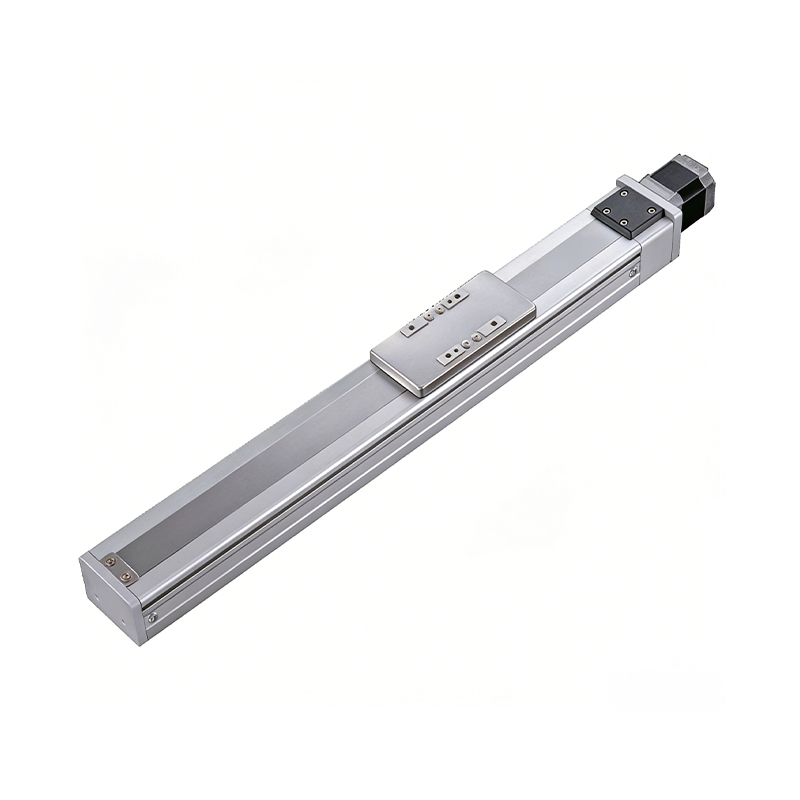 0.01mm High Precision Ball Screw Driven Rail-Embedded Linear Module
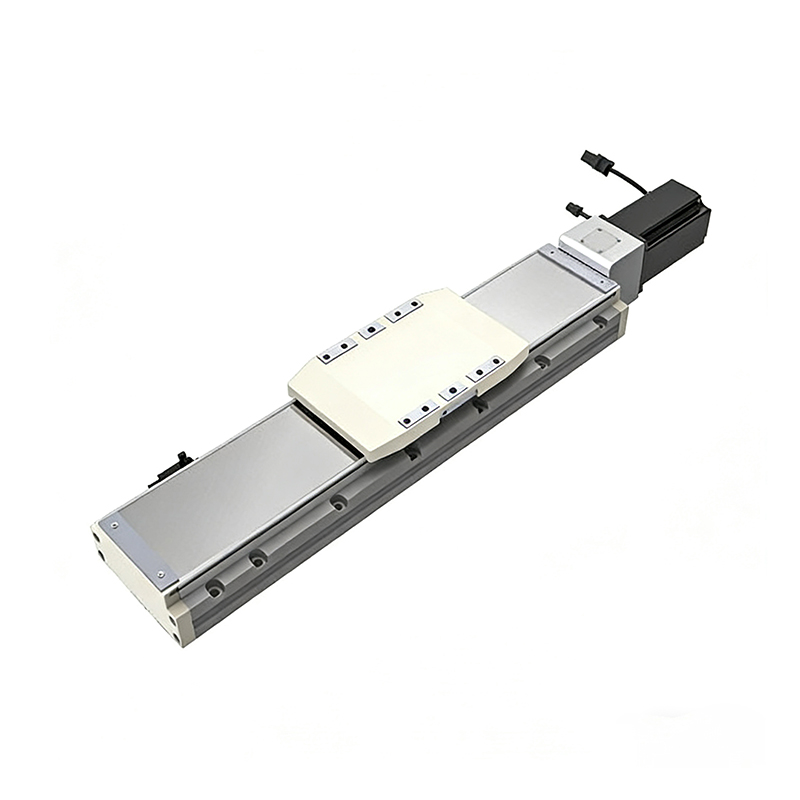 Heavy Load Ball Screw Driven Rail-Embedded Linear Module
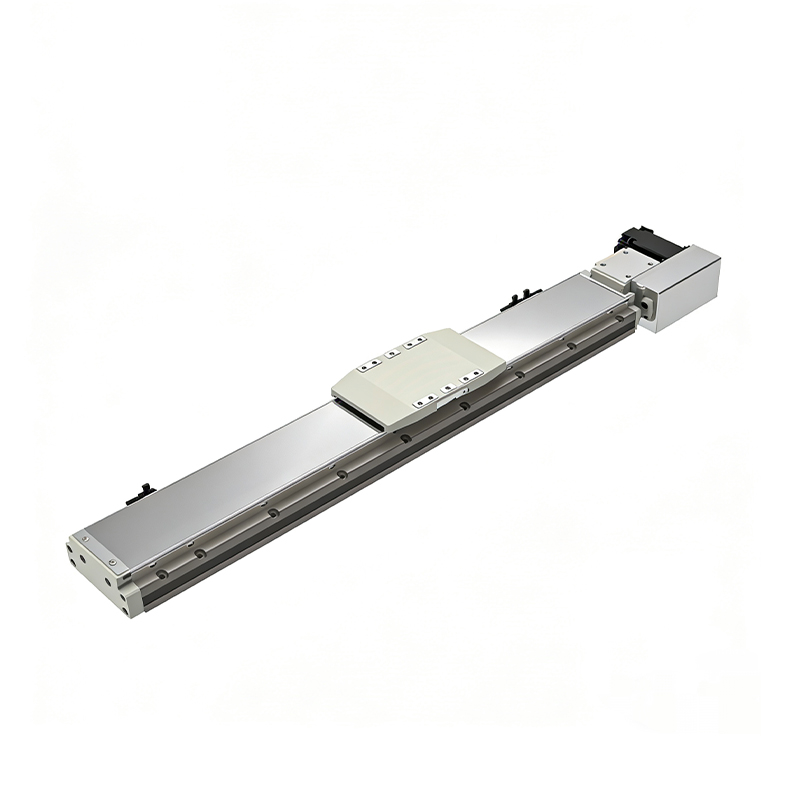 110KG Load Long Stroke Rail-Embedded Linear Module
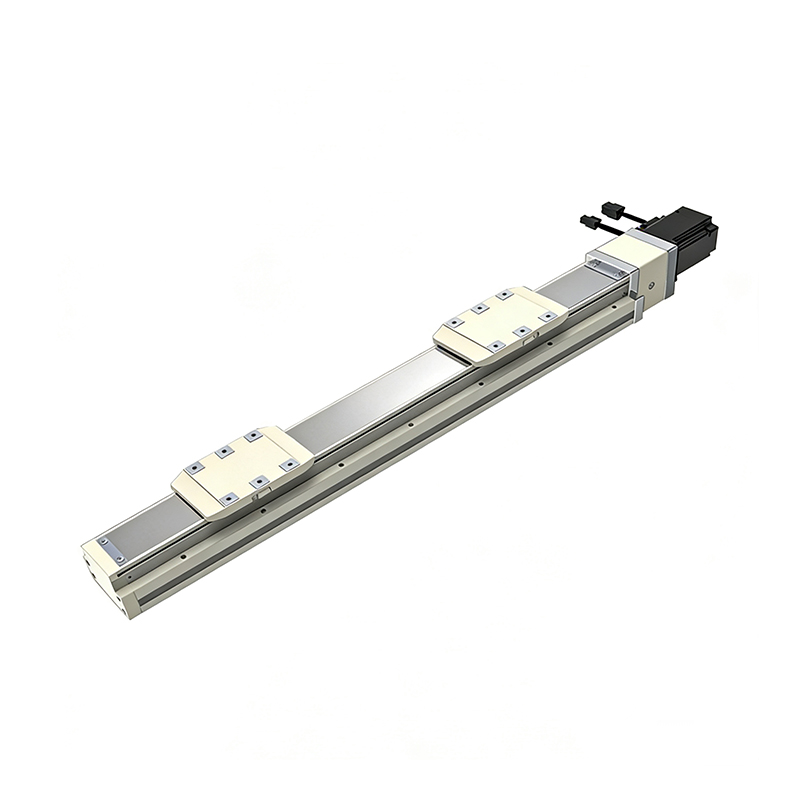 Dual-Slider High Precision Rail-Embedded Linear Module
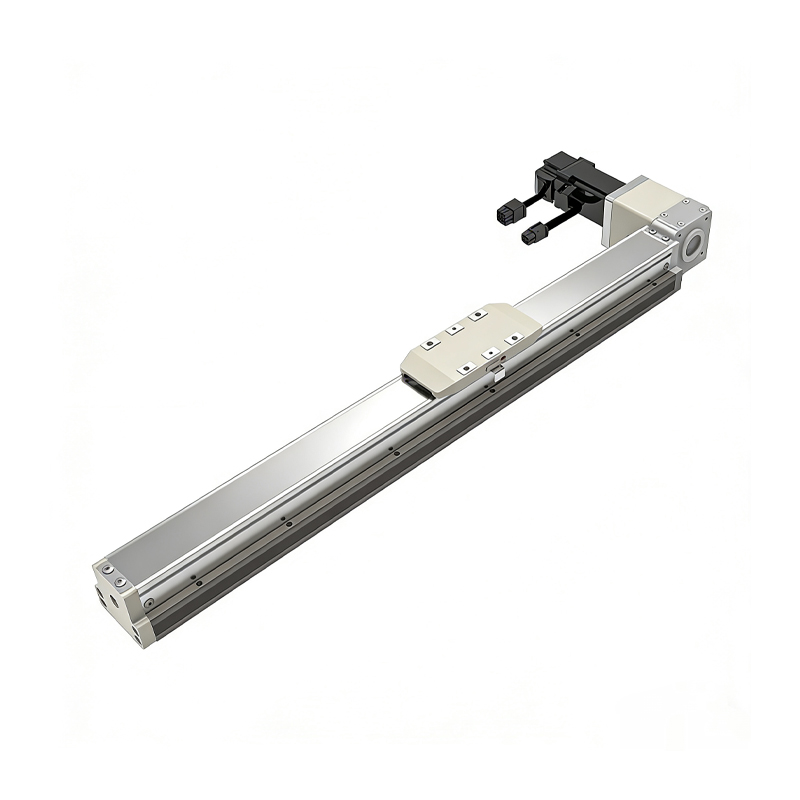 Belt Driven Dust-Proof Rail-Embedded Linear Module
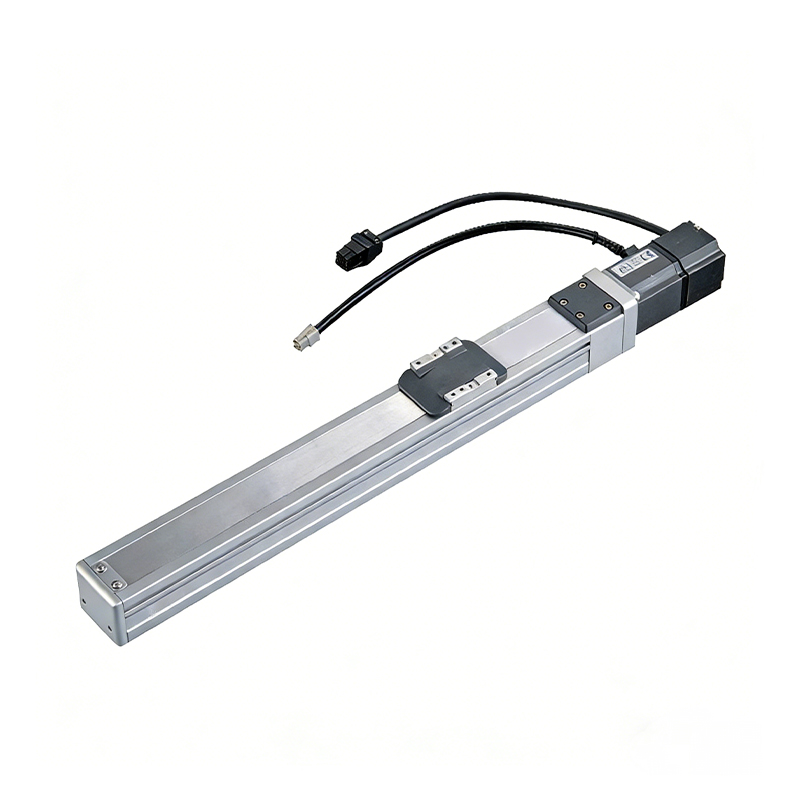 0.01mm High Precision Light Load Ball Screw Linear Module
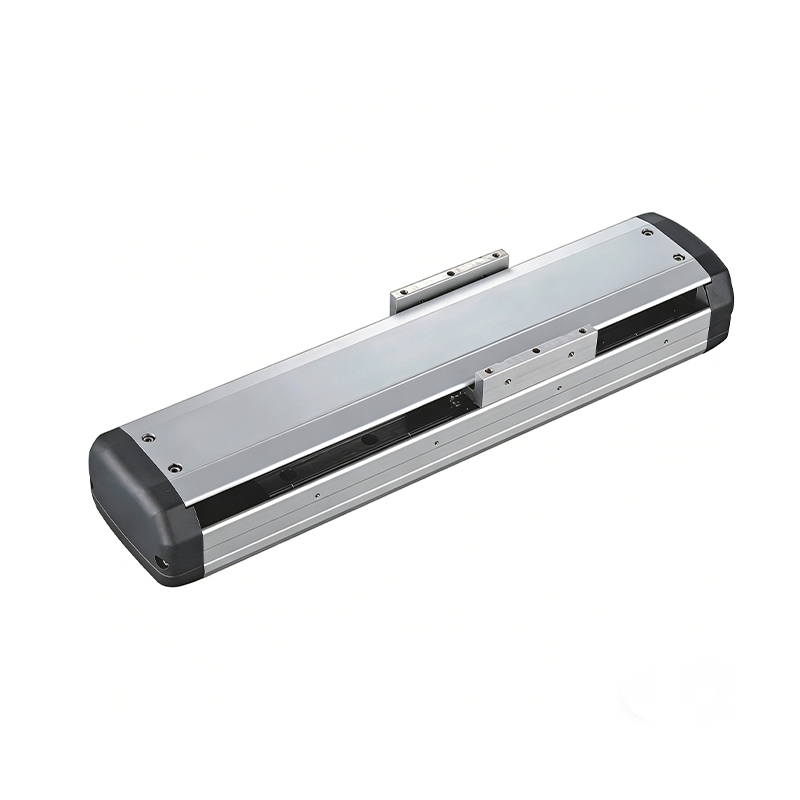 Ball Screw Linear Module with Built-in Sensor
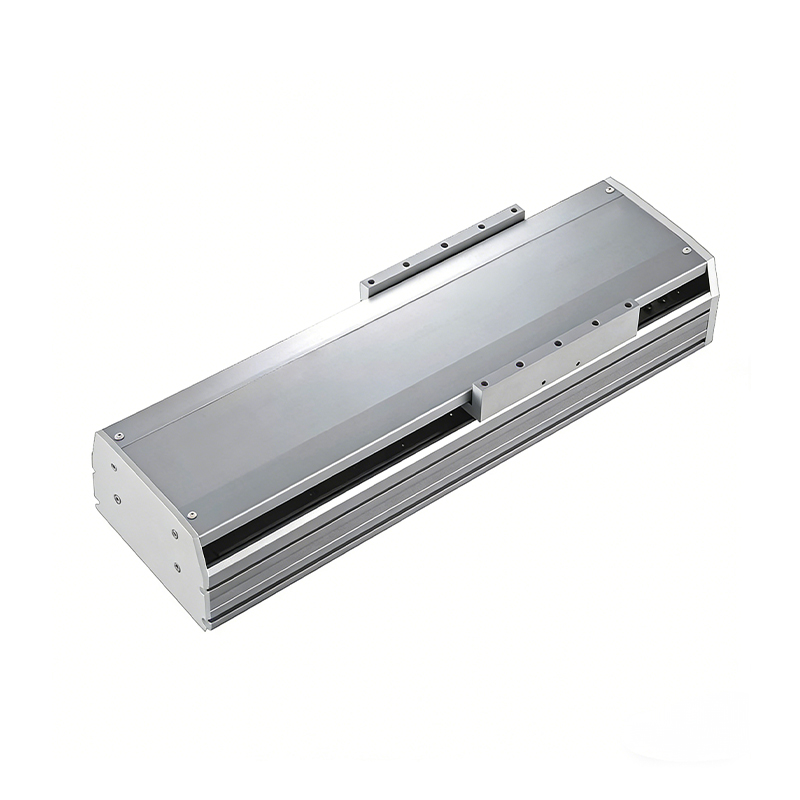 2000mm Long Stroke Ball Screw Linear Module
This 2000mm Long Stroke Ball Screw Linear Module is customized for large-range linear movement automation tasks, support...
READ MOREThis 2000mm Long Stroke Ball Screw Linear Module is customized for large-range linear movement automation tasks, support...
READ MOREThis 2000mm Long Stroke Ball Screw Linear Module is customized for large-range linear movement automation tasks, support...
READ MOREThis 2000mm Long Stroke Ball Screw Linear Module is customized for large-range linear movement automation tasks, support...
READ MORE
If you are interested in our products, please leave us a message. We look forward to providing you with
professional services!
Innovation and transcendence make factory intelligent manufacturing efficient and convenient!
+86 186 2508 0683
19962977901
sales@sz-tys.com
Building 5, Suzhou Mudu International Science and Technology Innovation Park, Jinfeng South Road, Suzhou City, Jiangsu Province, China
