


 English
 Français
 русский
 عربى
عربى Español
 Deutsch
Tel
+86 186 2508 0683

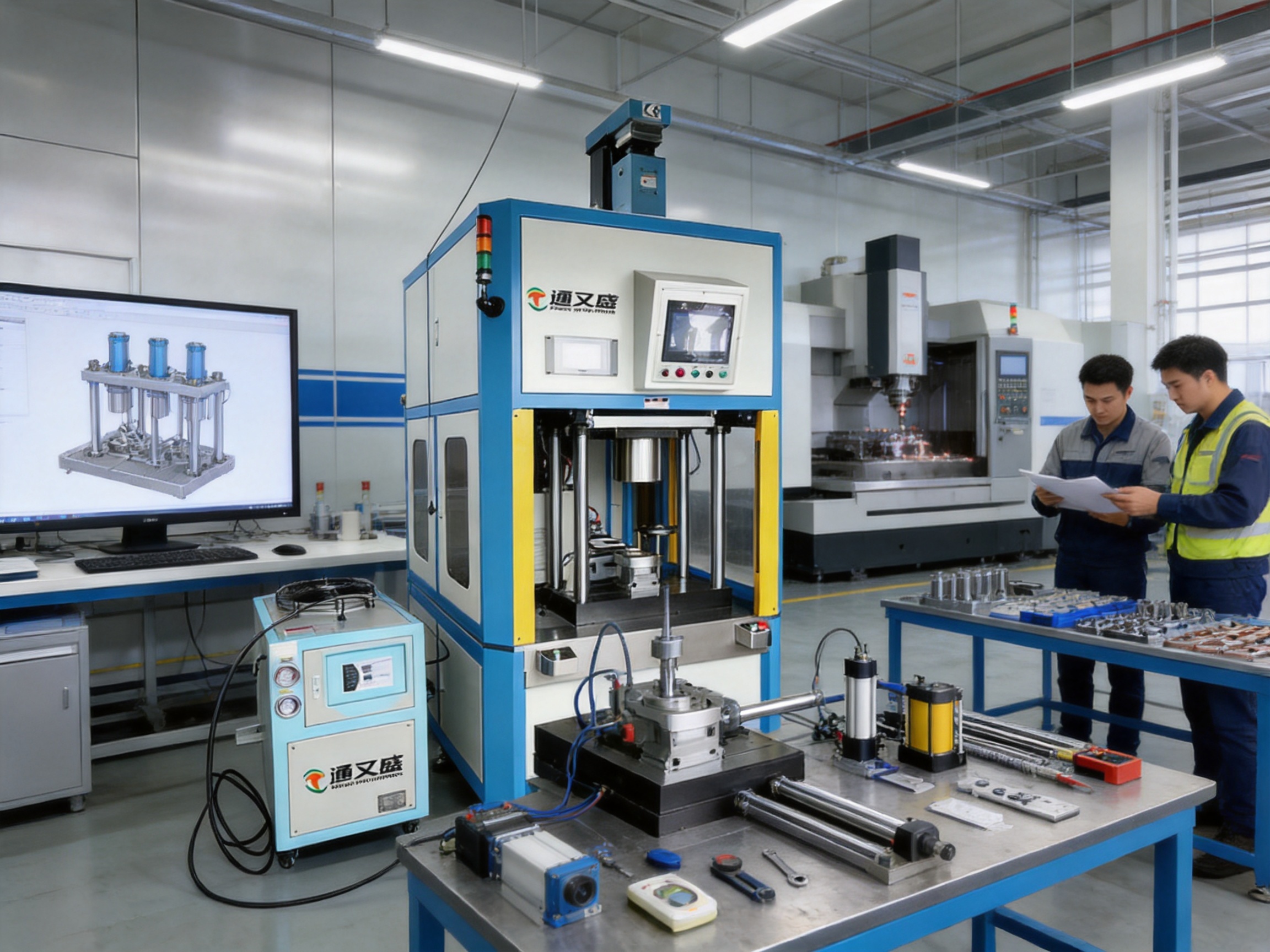
Modern manufacturing increasingly depends on equipment that can apply force accurately, move at controlled speed, record process data, and distinguish qualified products from defective ones. A conventional mechanical or hydraulic press may provide substantial pressing capacity, but it often offers limited control over force, displacement, speed, dwell time, and quality traceability. The four-column fully enclosed servo press machine addresses these requirements by combining a rigid four-column structure, an electrically driven servo pressing system, intelligent monitoring, and a protective enclosure.
This type of servo press is designed for controlled forming, press-fitting, riveting, punching, sealing, powder compacting, spring testing, and other precision production operations. It is particularly suitable for automotive components, motors, bearings, sealing parts, electronic assemblies, and industrial products that require stable force-displacement relationships. Instead of relying only on end-position confirmation, the machine can monitor the complete pressing process and evaluate whether the measured result falls within a defined OK/NG range.
The machine is developed and manufactured by Suzhou Tongyousheng Electronic Technology Co., Ltd., a Chinese high-tech enterprise specializing in electric cylinders, linear motion modules, linear motor modules, servo presses, robotic seventh axes, and multi-degree-of-freedom motion platforms. Its product development is supported by engineering experience in motion control, precision mechanical design, servo drive integration, CNC machining, and automation-system development.
A four-column servo press is a precision pressing system supported by four structural columns. These columns help guide and stabilize the moving assembly while distributing pressing loads through the frame. The four-column arrangement is useful where parallelism, rigidity, repeatability, and balanced loading are important. It is commonly selected for assembly and forming processes in which small deviations in alignment could affect product performance or create damage.
The “fully enclosed” designation refers to the protective frame surrounding the principal working area. This enclosure helps reduce the risk of operators contacting moving parts, protects the process from external interference, and contributes to a cleaner and more organized production environment. Depending on the production line configuration, the enclosed structure may also be integrated with doors, sensors, interlocks, material-handling devices, and other safety components.
The “servo” designation indicates that the pressing motion is generated and controlled by a servo-based electric drive system rather than by a basic mechanical transmission or a conventional hydraulic circuit. Servo control allows the user to define motion profiles, pressing speeds, stopping positions, pressure-maintaining times, and other process parameters. The resulting system is appropriate for applications in which quality depends on more than simply reaching a final position.
A servo press generally combines a mechanical frame, a servo motor and transmission system, a force-measuring element, position feedback, a controller, a human-machine interface, and software for recipe management and quality judgment. The interaction of these elements allows the machine to execute a repeatable process while collecting information about force and displacement.
During a typical press-fit cycle, the workpiece is positioned in a fixture and the upper pressing tool moves toward it. The machine may begin with a rapid approach movement, transition to a controlled pressing speed, apply the required force, maintain pressure for a specified time, and then return to the starting position. The exact sequence can be adjusted according to the application.
Force and displacement are monitored during the cycle. The controller can compare the actual curve, peak force, stopping position, loading time, or pressure-maintaining result with programmed limits. If the measured process meets the required conditions, the system identifies the part as OK. If the result falls outside the defined band, the system identifies it as NG and can send a signal to a production-line control system or sorting device.
This approach is valuable because many assembly defects are not visible from the outside. A bearing may appear correctly installed while the actual insertion force is too high. A seal may be located at the correct position but damaged by excessive pressure. A riveted connection may reach the nominal stroke while failing to achieve sufficient strength. Monitoring the relationship between force and displacement provides a more meaningful assessment of process quality.
The controller can also separate different stages of movement. Fast forward and return speeds help reduce non-productive time, while the press-fit speed can be set independently for controlled engagement. This combination supports high production rhythm without sacrificing the accuracy required during the critical portion of the process.
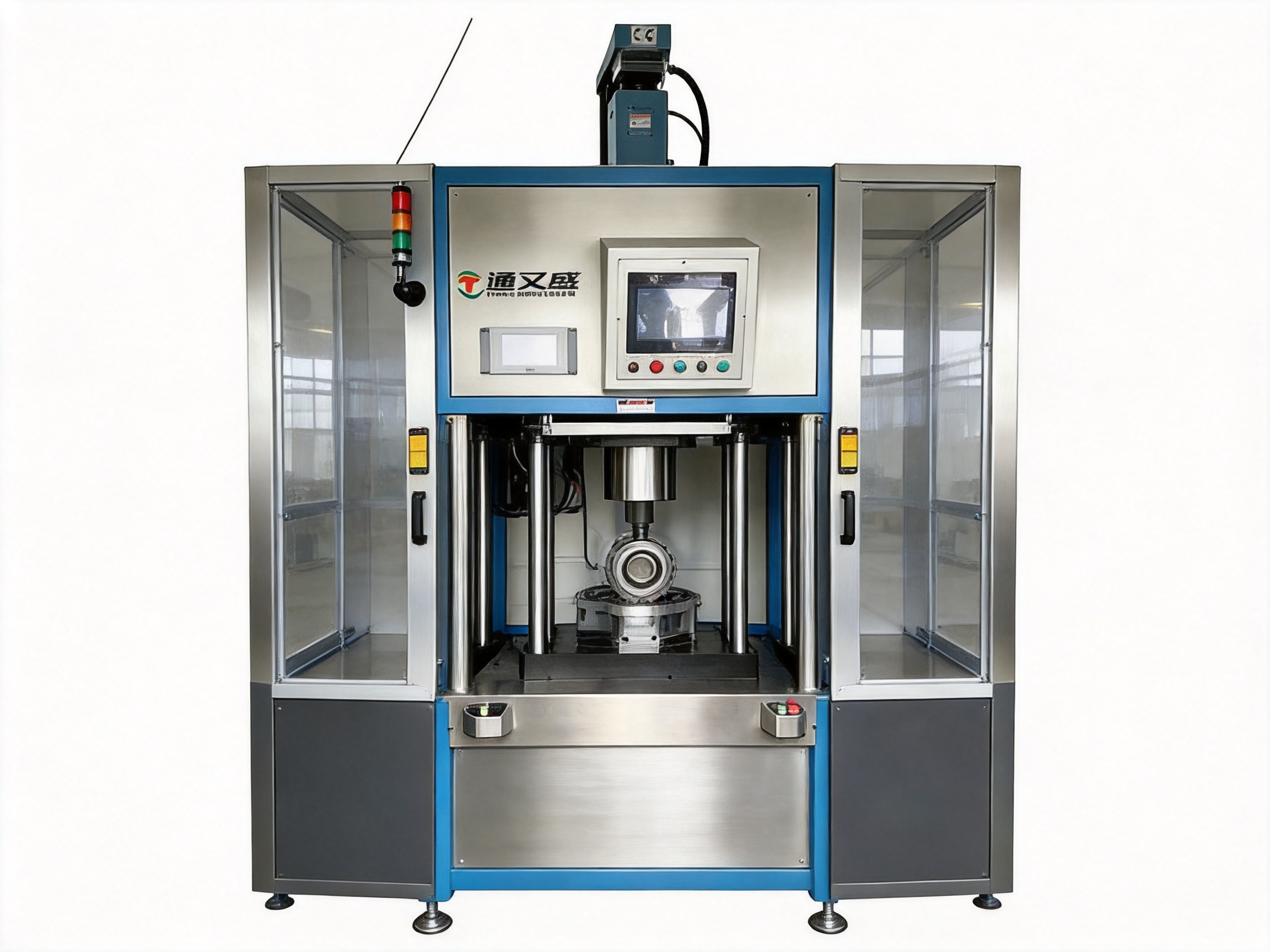
The protective enclosure is one of the most visible advantages of this machine. It creates a defined working zone around the pressing mechanism and helps protect operators from moving tooling, pinch points, and unexpected workpiece movement. A closed design also makes it easier to organize access points and integrate safety interlocks into the machine architecture.
Compared with an open press, a fully enclosed machine can provide a cleaner and more controlled production environment. It helps limit the spread of particles generated during certain forming or compacting operations and reduces the possibility of accidental interference with fixtures and tooling. For facilities that emphasize standardized workstations and visual management, the enclosure also gives the equipment a more complete and professional configuration.
Safety performance still depends on correct installation, guarding validation, risk assessment, operator training, and compliance with applicable regulations. The enclosure should therefore be treated as part of an overall machine-safety system rather than as a substitute for safe operating procedures.
The servo drive system allows the pressing force to be controlled with a high level of repeatability. The available pressure range extends across multiple machine models, from 1 kN for smaller applications to 300 kN for higher-load processes. This broad range allows users to select a machine according to the actual assembly requirement instead of applying one oversized press to every task.
The technical data specifies a setting unit of 1 N for pressure configuration. The minimum detection value is listed as 0.2% of the maximum pressure value. These specifications indicate that the control system is intended for fine force adjustment and process monitoring. Actual application accuracy will depend on sensor calibration, tooling design, mechanical stiffness, temperature, installation quality, and other operating conditions.
Accurate force control is particularly important when components have narrow tolerance windows. Too little force can produce incomplete assembly, insufficient sealing, or weak riveting. Too much force can deform housings, damage bearings, crack plastic components, or reduce the service life of the finished product. A programmable servo press helps establish a controlled middle range between these two failure modes.
Displacement is another fundamental process variable. The listed stroke options range from 200 mm to 500 mm depending on model and capacity. The displacement setting unit is 0.01 mm, allowing the user to define stopping positions and movement distances with fine resolution.
Position control is useful for insertion depth, forming height, compression distance, spring deflection, and sealing installation. It can also be combined with force control. For example, the press can move to a target position while checking that the required force is achieved, or it can stop when a specified force is reached while verifying that the corresponding displacement remains within limits.
This force-position relationship is often more informative than either value alone. A normal part may generate a characteristic curve as it enters a housing or compresses a seal. A damaged, missing, misaligned, or incorrectly dimensioned part may create a different curve. Monitoring these changes helps identify production problems earlier.
The machine provides separate speed categories for press-fit motion and fast forward or return movement. Press-fit speed is listed at up to 35 mm/s for several smaller and medium models, with progressively lower maximum values for larger-capacity machines. Fast forward and return speed can reach 100 mm/s on many models, while higher-capacity versions use lower maximum values according to their mechanical requirements.
This arrangement balances precision and productivity. The tool can travel rapidly through the empty portion of its stroke, then slow down before contacting the workpiece. After the operation is completed, it can return efficiently to the home position. Controlled acceleration and deceleration can further reduce shock, vibration, and unnecessary mechanical stress.
A programmable speed profile is also helpful for sensitive materials. Plastics, elastomers, electronic parts, and thin-walled components may require gradual contact and carefully limited insertion speed. The same machine can be configured for a different product by selecting an appropriate recipe rather than replacing the entire press.
Automatic quality judgment is a major difference between an intelligent servo press and a basic pressing machine. The system can assess whether pressure, position, speed, holding time, or other programmed conditions are satisfied. The judgment result can be displayed on the HMI and used by a production-control system.
Automatic OK/NG evaluation reduces dependence on subjective operator decisions. It can also support error-proofing by preventing a part that fails the process window from being mixed with qualified products. When connected to barcode readers, part-present sensors, automatic feeders, or traceability software, the press can become part of a more complete quality-management workflow.
The supplied application information reports more than 200 press-fit assembly projects and a first-pass yield of 99.2% for the relevant project experience. These figures describe project results and should not be interpreted as a universal guarantee for every product. Nevertheless, they demonstrate the practical value of applying force-displacement monitoring and automatic process judgment to assembly operations.
The technical specification lists a maximum pressure-maintaining time of 3,000 seconds. This long programmable dwell range allows the machine to support processes that require sustained force, controlled compression, material stabilization, curing assistance, or seal seating.
In a sealing application, for instance, the press may need to maintain a defined load while a gasket settles into position. In powder compacting, a holding stage can help stabilize the formed shape. In spring testing, a controlled dwell may be used to observe force behavior at a particular deflection. The ability to program dwell time expands the machine’s usefulness beyond short-cycle insertion.
Press-fitting is one of the primary applications for this equipment. It can be used to install bearings, shafts, bushings, sleeves, pins, connectors, motor components, and other interference-fit parts. During the operation, the machine can monitor the insertion force and final position to determine whether the component was installed correctly.
For automotive and motor manufacturing, press-fit quality has a direct effect on noise, vibration, durability, and safety. A bearing that is installed with uneven or excessive force may experience premature damage. A shaft inserted too deeply may interfere with adjacent components. By defining a process window, manufacturers can detect these conditions during assembly rather than after the product reaches testing or the customer.
The project information supplied for this product cites more than 200 press-fit assembly projects and a reported 99.2% first-pass yield. Such experience can help the manufacturer understand different component materials, interference levels, tooling arrangements, and production requirements.
The servo press can also support punching tasks where controlled force and position are necessary. The supplied application data references more than 150 punching applications, with hole diameter tolerance controlled within ±0.05 mm in the stated project experience.
Servo-driven punching can provide advantages where the workpiece is sensitive to deformation or where the punch must follow a controlled motion profile. The machine may be configured with dedicated tooling, guided punches, and fixtures designed for the material and geometry of the product. Force monitoring can help reveal tool wear, material variation, incomplete punching, or abnormal loading.
Tool design remains critical. The achievable hole tolerance depends on punch and die clearance, material properties, fixture rigidity, alignment, tool wear, and measurement method. The servo press provides the controlled motion and monitoring platform, while the complete application must be engineered around the specific product.
Riveting requires consistent force, displacement, and forming behavior. The press can apply a repeatable load to create a riveted joint while checking whether the process reaches the expected position and force range. The stated project experience includes more than 200 riveting projects and a riveting-strength compliance rate above 98%.
Compared with manually controlled riveting, a servo process can reduce variation between operators and shifts. It can also support different recipes for rivet sizes, materials, and product variants. If the force-displacement curve changes significantly, the system can identify a missing rivet, an incorrectly positioned component, a damaged tool, or an abnormal workpiece before the batch develops a larger quality problem.
Powder compacting requires controlled loading and careful management of forming conditions. The supplied information reports more than 300 powder-compacting cases and precise forming to ±0.02 mm in the stated applications.
A servo press can control the movement of the forming tool and maintain pressure during the compacting cycle. Its programmable stroke and dwell functions can be used to adapt the process to different powder materials, mold designs, and product heights. Force monitoring may also help identify filling differences, mold problems, or abnormal material behavior.
Because powder processes can generate dust and loose particles, the fully enclosed structure is especially useful for maintaining a more orderly work area. Appropriate extraction, cleaning, and material-handling measures should still be provided according to the powder and production environment.
Sealing components often require a specific compression amount and controlled seating force. The press can regulate the installation of gaskets, seals, O-rings, plugs, covers, and similar parts. The supplied project information cites more than 500 sealing solutions and a leakage rate as low as 0.1% for the referenced applications.
The combination of position control and force monitoring is valuable in sealing. If the seal is missing, twisted, damaged, or incorrectly sized, the process curve may differ from the normal pattern. The machine can then issue an NG result before the product proceeds to leakage testing or final assembly.
Spring testing requires a controlled relationship between force and displacement. The machine can compress or extend a spring to a defined position and measure the resulting load. Alternatively, it can apply a target force and record the corresponding displacement.
This capability is useful for compression springs, return springs, contact springs, suspension components, and other elastic parts. A controlled servo motion system can provide repeatable test conditions, while the HMI can display or record the result. The supplied material describes the spring-testing function as professional, precise, and efficient for verifying spring quality and performance.
The servo press includes an HMI panel for operation, parameter setting, status display, and process monitoring. A well-designed HMI allows operators to select product recipes, view force and displacement information, confirm machine status, and respond to alarms.
For production environments with multiple product variants, recipe management can reduce setup errors. Each recipe may define pressure limits, stroke limits, speed settings, pressure-maintaining time, return position, and OK/NG criteria. Access permissions can be configured so that operators use approved parameters while authorized engineers manage process changes.
During commissioning, the HMI can help engineers observe how the machine behaves as the tool approaches the workpiece, enters the assembly, reaches the target position, and returns. This information supports process optimization. A speed that is too high may produce impact or variation, while a speed that is too low may reduce production efficiency. The HMI provides a practical interface for balancing these requirements.
For continuous improvement, process records can be used to identify trends. Gradual increases in peak force may indicate tool wear, dimensional drift, contamination, or changes in material condition. A gradual change in final displacement may indicate fixture movement or component tolerance variation. When the press is connected to a broader manufacturing execution or quality system, these records can contribute to traceability and statistical process control.
The product family covers a wide pressure range. Models in the supplied technical table include TYSP-01, TYSP-05, TYSP-10, TYSP-20, TYSP-30, TYSP-50, TYSP-70, TYSP-100, TYSP-150, TYSP-200, TYSP-250, and TYSP-300. The numerical model designation corresponds broadly to maximum pressure capacity in kilonewtons.
| Model | Maximum Pressure | Maximum Stroke | Press-Fit Speed | Fast Forward/Return Speed | Pressure-Holding Time |
|---|---|---|---|---|---|
| TYSP-01 | 1 kN | 200 mm | 0–35 mm/s | 0–100 mm/s | Up to 3,000 s |
| TYSP-05 | 5 kN | 200 mm | 0–35 mm/s | 0–100 mm/s | Up to 3,000 s |
| TYSP-10 | 10 kN | 200 mm | 0–35 mm/s | 0–100 mm/s | Up to 3,000 s |
| TYSP-20 | 20 kN | 200 mm | 0–35 mm/s | 0–100 mm/s | Up to 3,000 s |
| TYSP-30 | 30 kN | 250 mm | 0–35 mm/s | 0–100 mm/s | Up to 3,000 s |
| TYSP-50 | 50 kN | 350 mm | 0–35 mm/s | 0–100 mm/s | Up to 3,000 s |
| TYSP-70 | 70 kN | 350 mm | 0–35 mm/s | 0–100 mm/s | Up to 3,000 s |
| TYSP-100 | 100 kN | 500 mm | 0–35 mm/s | 0–100 mm/s | Up to 3,000 s |
| TYSP-150 | 150 kN | 500 mm | 0–30 mm/s | 0–50 mm/s | Up to 3,000 s |
| TYSP-200 | 200 kN | 500 mm | 0–25 mm/s | 0–50 mm/s | Up to 3,000 s |
| TYSP-250 | 250 kN | 500 mm | 0–20 mm/s | 0–50 mm/s | Up to 3,000 s |
| TYSP-300 | 300 kN | 500 mm | 0–15 mm/s | 0–30 mm/s | Up to 3,000 s |
The pressure setting unit is 1 N across the listed range, while the displacement setting unit is 0.01 mm. Speed settings use a 0.01 mm/s unit. These fine setting increments are appropriate for applications that require carefully tuned process parameters.
Not every project requires the largest available capacity. Selecting a machine with excessive capacity can increase equipment cost and footprint without improving the process. Selecting insufficient capacity can reduce reliability and create overload risk. The correct selection should consider required force, peak force, tooling weight, stroke, cycle time, workpiece geometry, safety margin, and future product plans.
The supplied dimensional information includes several configurations under the TYSP series. Representative models include TYSP-05, TYSP-10, TYSP-20, TYSP-30, TYSP-50, and TYSP-70. The listed dimensions show that machine width, depth, and height increase as pressing capacity rises.
| Model | Lead | D | S | L2 | W2 | H2 | Overall Length | W1 | H1 |
|---|---|---|---|---|---|---|---|---|---|
| TYSP-05 | 200 mm | 108 mm | 285 mm | 380 mm | 240 mm | 900 mm | 750 mm | 780 mm | 1,880 mm |
| TYSP-10 | 200 mm | 108 mm | 285 mm | 380 mm | 300 mm | 900 mm | 750 mm | 780 mm | 1,880 mm |
| TYSP-20 | 200 mm | 108 mm | 285 mm | 380 mm | 300 mm | 900 mm | 750 mm | 780 mm | 1,950 mm |
| TYSP-30 | 200 mm | 208 mm | 385 mm | 580 mm | 400 mm | 900 mm | 800 mm | 950 mm | 1,950 mm |
| TYSP-50 | 200 mm | 208 mm | 385 mm | 580 mm | 500 mm | 900 mm | 1,000 mm | 1,100 mm | 2,100 mm |
| TYSP-70 | 200 mm | 308 mm | 385 mm | 580 mm | 550 mm | 900 mm | 1,000 mm | 1,100 mm | 2,200 mm |
Dimensions should be confirmed against the final machine drawing before installation because the equipment may be customized with different tooling, feeders, electrical cabinets, doors, worktables, sensors, or material-handling arrangements. The duplicated dimensional label in the supplied source should also be verified during technical clarification.
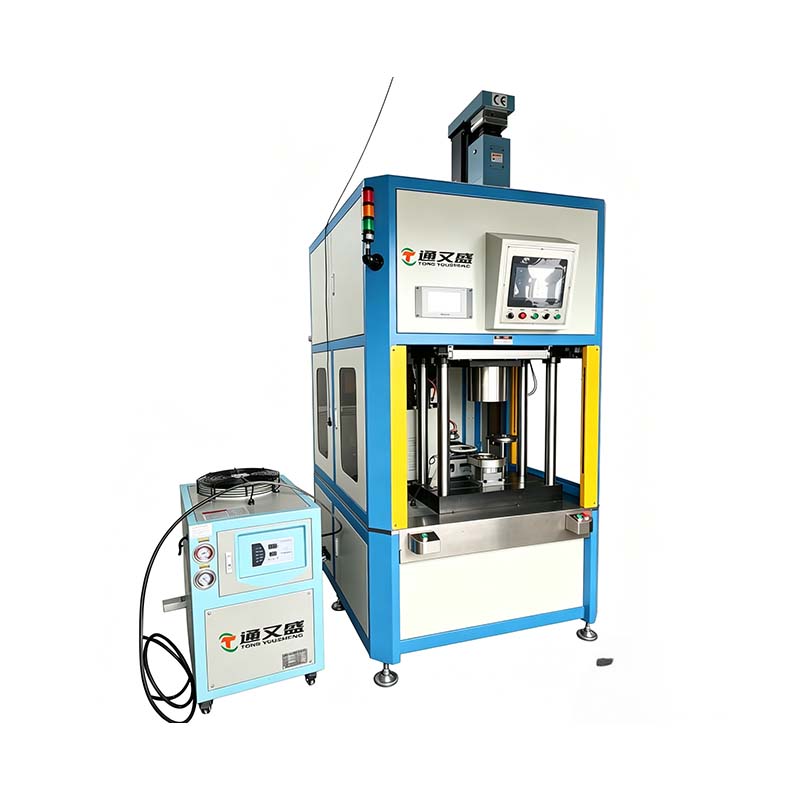
Four Column Fully Enclosed Servo Press Machine
Mechanical presses are often effective for high-speed repetitive forming, especially when the tooling and process are standardized. However, their fixed motion characteristics may make it difficult to adjust speed, dwell, and force behavior during different stages of a cycle. A servo press offers more direct control over the movement profile and can be adapted to products with varying sensitivity and tolerance requirements.
A servo press is also better suited to force-displacement quality evaluation. Rather than checking only whether a crank or slide reaches a nominal position, the system can analyze the process that occurred along the way. This can be a significant advantage in press-fit, sealing, and riveting operations.
Hydraulic presses can generate high force and are widely used in forming applications. However, hydraulic systems may require pumps, valves, oil lines, sealing components, and regular fluid maintenance. Heat generation, oil leakage, noise, and energy consumption may also be concerns in some factories.
An electrically driven servo press can provide cleaner operation and more precise programmable movement without relying on a hydraulic power circuit. It can be easier to integrate into automated lines and may reduce maintenance associated with hydraulic fluid systems. The actual energy and maintenance advantages depend on cycle profile, load, duty cycle, and machine configuration, but the electric architecture is generally attractive for clean precision assembly.
A basic electric actuator can move a tool, but it may not include the same level of force measurement, process-window control, HMI functionality, or automatic OK/NG judgment. The four-column servo press is designed as an integrated assembly and measurement platform. It combines motion execution with process verification.
This integrated approach reduces the need for separate inspection steps. It can also make the process easier to standardize because the critical parameters are stored in the controller rather than being left entirely to operator technique.
Suzhou Tongyousheng Electronic Technology Co., Ltd. was established in 2013 and operates as a high-tech enterprise integrating research and development, production, and sales. Its business scope includes both complete automation equipment and core motion components. This combination is important because a servo press depends on the interaction of mechanical structure, electric actuation, sensing, software, and production-line controls.
The company states that it has an experienced research and development team, advanced design software, high-precision CNC machining centers, and a portfolio of core patents. These capabilities support the development of equipment that must maintain alignment, rigidity, repeatability, and controlled motion under load.
A press machine cannot be optimized through software alone. The frame must resist deformation, the columns must support parallel movement, the tooling must be correctly guided, and the transmission must convert motor output into controlled linear force. Tongyousheng’s experience with electric cylinders and linear motion modules provides a foundation for designing and integrating these mechanical and electrical functions.
Integrated development can shorten the distance between component design and complete-machine performance. Engineers can evaluate the electric actuator, servo motor, transmission, sensors, frame, fixture, and control strategy as one system. This is especially useful when customers require custom stroke, force, speed, tooling, or automation interfaces.
High-precision CNC machining centers are important for producing structural and tooling components with consistent dimensions. Machined mounting surfaces, column interfaces, plates, guide components, and tooling adapters influence the alignment and repeatability of the complete press.
Precision machining also supports customization. Different customers may require special fixtures, non-standard working heights, customized tooling, material feeders, inspection devices, or connections to existing production lines. An in-house or closely controlled machining capability can make these modifications more manageable than relying exclusively on standardized catalog components.
The company’s product portfolio has developed from linear modules and electric cylinders to servo presses, motion platforms, algorithmic control software, and multi-degree-of-freedom linkage systems. This progression reflects an emphasis on controlled motion as a core engineering capability.
Application experience is equally important. The supplied information references hundreds of projects across press-fitting, punching, riveting, powder compacting, sealing, and spring testing. Every application presents different challenges involving materials, tolerances, tooling, force curves, cycle times, and quality requirements. Experience across these categories can help engineers identify practical solutions and avoid common design errors.
The company collaborates with state-owned enterprises, defense technology institutions, and leading universities to promote cooperation between industry, academia, and research. Such collaboration can support the development of motion-control algorithms, precision mechanisms, simulation platforms, and advanced automation methods.
For customers, this broader technical network may be valuable when a project requires more than a standard press. Applications involving complex motion, high-precision testing, simulation, or coordinated robotic handling can benefit from a supplier that understands several related automation technologies.
Manufacturing a reliable servo press involves more than assembling a motor and frame. The structural components must be inspected, the drive system must be tuned, sensors must be calibrated, and the machine must be tested under representative loads. A complete production process should include design review, component inspection, machining control, assembly verification, electrical testing, software validation, and final run-off.
Mechanical assembly begins with the frame and four-column structure. Column straightness, mounting accuracy, platen parallelism, and moving-part alignment influence the distribution of force. If the tool is not parallel to the workpiece, one side may contact earlier than the other, causing uneven loading or component damage.
The servo drive and transmission system must then be integrated with the mechanical structure. Engineers tune acceleration, deceleration, speed transitions, position loops, and force response. The purpose is not simply to make the actuator move, but to make it move predictably under changing load conditions.
Force sensors and position feedback devices require careful installation and calibration. Their readings must correspond to actual process conditions. Calibration procedures should include known reference loads, zero-point checks, repeatability checks, and verification across the expected operating range.
Control software is tested through different operating modes, including manual setup, automatic cycle, alarm recovery, emergency stop, recipe selection, and OK/NG output. The HMI should present clear information so that operators can understand machine status and respond appropriately.
Final testing should include no-load movement, loaded movement, repeated-cycle operation, pressure holding, return positioning, sensor response, and safety-function checks. Where the machine is customized for a specific workpiece, sample production and process validation provide additional confirmation that the selected force, speed, stroke, and tooling are suitable.
Before installation, the customer should prepare a stable foundation or worktable capable of supporting the machine and process loads. Space must be provided for operator access, maintenance, electrical connections, material loading, and removal of finished products. The fully enclosed design should be positioned so that doors, panels, and emergency-access points remain unobstructed.
Utilities and communication interfaces should be reviewed in advance. Depending on the configuration, the machine may need electrical power, compressed air for auxiliary devices, network communication, safety circuits, barcode communication, or connection to a programmable logic controller. These requirements should be confirmed during the technical specification stage.
Tooling is a critical part of the complete system. The fixture must locate the workpiece accurately and withstand the applied force without excessive deformation. The upper and lower tools should be designed to distribute load properly and prevent unwanted side forces. Replaceable wear components can simplify maintenance and reduce downtime.
For automated lines, the servo press can be combined with conveyors, robots, electric cylinders, linear modules, vision systems, barcode readers, feeders, and unloading mechanisms. Tongyousheng’s wider product range in motion modules and automation components may support this type of integration.
Process validation should be performed using representative production parts. Engineers should establish normal force-displacement curves, acceptable limits, cycle-time targets, and failure-response procedures. The final recipe should be protected against unauthorized changes, and operators should receive training on setup, inspection, alarm handling, and routine maintenance.
Routine maintenance begins with visual inspection. Operators should check the protective enclosure, doors, interlocks, cables, tooling, fixtures, fasteners, and exposed moving components. Any unusual noise, vibration, temperature, or change in pressing behavior should be investigated promptly.
The four-column structure and moving platen should be kept clean and inspected for signs of looseness, wear, or contamination. Lubrication requirements depend on the specific guide and transmission components. The maintenance schedule should follow the machine documentation and operating conditions.
Force and position measurement should be verified periodically. A machine may continue to cycle even when a sensor has drifted, but the resulting process judgment may no longer be reliable. Scheduled calibration and comparison against reference standards help protect product quality.
Tooling should be inspected for wear, burrs, cracks, deformation, and misalignment. Tool wear can change the force-displacement curve and may cause a previously acceptable recipe to generate NG results. Replacing or reconditioning tools at planned intervals is usually more efficient than waiting for an unexpected failure.
Software backups and recipe management are also important. Approved parameters should be stored securely, and changes should be recorded. If a controller or HMI must be replaced, backed-up recipes and configuration files can shorten recovery time.
The first selection factor is required pressing force. Engineers should determine the normal operating force, peak force, and any transient load. A suitable safety margin is necessary, but excessive oversizing may reduce cost efficiency and increase the physical footprint.
The second factor is stroke. The required stroke includes the actual assembly movement plus approach and return distances. A longer stroke may be necessary for tall workpieces or multi-stage tooling, but it can also affect cycle time and machine height.
The third factor is production rhythm. The user should calculate the complete cycle, including loading, positioning, pressing, pressure maintaining, return, unloading, and inspection. Fast forward and return movement can improve productivity, but the critical press-fit stage must remain within the speed range appropriate for the part.
The fourth factor is the required quality judgment. Some applications need only final-position confirmation, while others require a complete force-displacement curve, peak-force limit, pressure-holding check, or multi-stage evaluation. The control strategy should be defined before selecting sensors and software functions.
The fifth factor is workpiece size and tooling arrangement. The working area, clearance, platen dimensions, enclosure dimensions, and access requirements must accommodate the largest product and fixture. For automated applications, the space required by robots, grippers, conveyors, and sensors must also be included.
Finally, customers should evaluate supplier capability. A reliable supplier should be able to discuss force analysis, fixture design, sensor selection, process validation, safety integration, software configuration, installation, and after-sales support rather than supplying only a basic mechanical frame.
The project begins with an examination of the workpiece, assembly requirements, materials, tolerances, target cycle time, and expected failure modes. Sample parts and drawings are reviewed to identify the required force, stroke, tooling, and measurement method.
Engineers define the pressing profile, including approach speed, contact speed, press-fit speed, maximum force, target position, pressure-maintaining time, and return speed. If the process is force-limited, the system is programmed to stop at a target force. If it is position-limited, the system stops at a target displacement while checking the resulting load.
The fixture is designed to locate the part consistently and support it without distortion. The pressing tool is shaped to contact the correct surface and transfer force evenly. Sensors may be added to confirm part presence, orientation, or fixture position.
Production samples are tested to establish normal process curves and acceptable variation. Engineers examine peak force, final position, curve shape, cycle time, and product condition. The results are used to set the OK/NG boundaries.
The machine is tested through repeated cycles under representative conditions. Validation should confirm that it can maintain the required force and position, execute the programmed speed profile, hold pressure for the specified time, and identify abnormal parts correctly.
After installation, operators and maintenance personnel are trained. The final documentation should include operating instructions, electrical information, machine drawings, tooling information, maintenance requirements, alarm explanations, and approved process recipes.
Intelligent manufacturing depends on the ability to connect equipment behavior with product quality. A servo press contributes to this objective by producing measurable process data instead of relying only on manual observation. Force, displacement, speed, time, and judgment results can become part of the digital record of each production cycle.
The machine also supports flexible manufacturing. When product variants share a common assembly principle, different recipes and tooling sets can allow one press to serve several models. This flexibility is valuable for manufacturers facing shorter product life cycles, smaller batches, and frequent engineering changes.
Electric motion control is compatible with automated handling systems and networked production lines. The press can exchange signals with upstream and downstream equipment, including part-present confirmation, cycle-start authorization, OK/NG results, and alarm states. This supports line-level error-proofing and more coordinated production.
At the same time, automation should not be viewed only as a way to increase speed. The strongest benefit is often the reduction of variation. A stable process protects components, improves first-pass yield, reduces rework, and helps manufacturers understand the causes of defects.
The machine can be configured for automotive parts, motor components, bearings, bushings, shafts, sealing elements, riveted assemblies, springs, powder-formed parts, and many other products. The correct application depends on required force, stroke, tooling, and process limits.
The supplied model range extends to a maximum pressure of 300 kN with the TYSP-300 model. Smaller models begin at 1 kN. The final selection should be based on actual process requirements rather than model number alone.
Yes. The machine is designed to monitor and control the relationship between force and displacement. Users can define pressure limits, stopping positions, speed settings, and pressure-maintaining time according to the process.
Automatic OK/NG judgment means that the controller compares measured process results with programmed acceptance criteria. A part is identified as OK when it meets the required limits and NG when it falls outside them. The judgment can be displayed and transferred to other automation equipment.
It can support high-rhythm assembly when the selected model, tooling, loading system, and process parameters are properly matched. Fast approach and return speeds help reduce idle movement, while controlled press-fit speed protects the product during the critical operation.
The enclosure separates the operator from the main moving mechanism, supports a cleaner workstation, and provides a foundation for safety interlocks and access control. It also helps organize the production area and may reduce exposure to particles generated by certain processes.
Servo presses are commonly customized with fixtures, tooling, sensors, feeders, conveyors, robots, barcode systems, safety devices, and communication interfaces. The required customization should be defined during technical review because it can affect dimensions, cycle time, electrical requirements, and software configuration.
The supplied technical specification lists a pressure setting unit of 1 N. The minimum detection value is listed as 0.2% of the maximum pressure value. Actual measurement performance should be confirmed for the selected model and application.
The listed displacement setting unit is 0.01 mm. Actual positioning accuracy and repeatability depend on the complete mechanical and control system, including load, tooling, temperature, calibration, and installation conditions.
The technical table lists a maximum pressure-maintaining time of 3,000 seconds. The practical dwell time should be selected according to the product, material, cycle-time requirement, and thermal or mechanical considerations.
Yes. The machine can apply controlled force or displacement to a spring and evaluate the relationship between the two. This supports inspection of spring quality, load characteristics, and performance consistency.
It monitors process variables and automatically evaluates the result. Problems such as missing components, incorrect insertion depth, excessive resistance, insufficient force, tool wear, or abnormal material behavior can be identified during production instead of being discovered only during final inspection.
Customers should provide the workpiece drawings, materials, assembly tolerances, target force, required stroke, cycle time, production volume, tooling concept, loading method, quality criteria, available utilities, and desired communication interfaces. Sample parts and existing process data are also helpful.
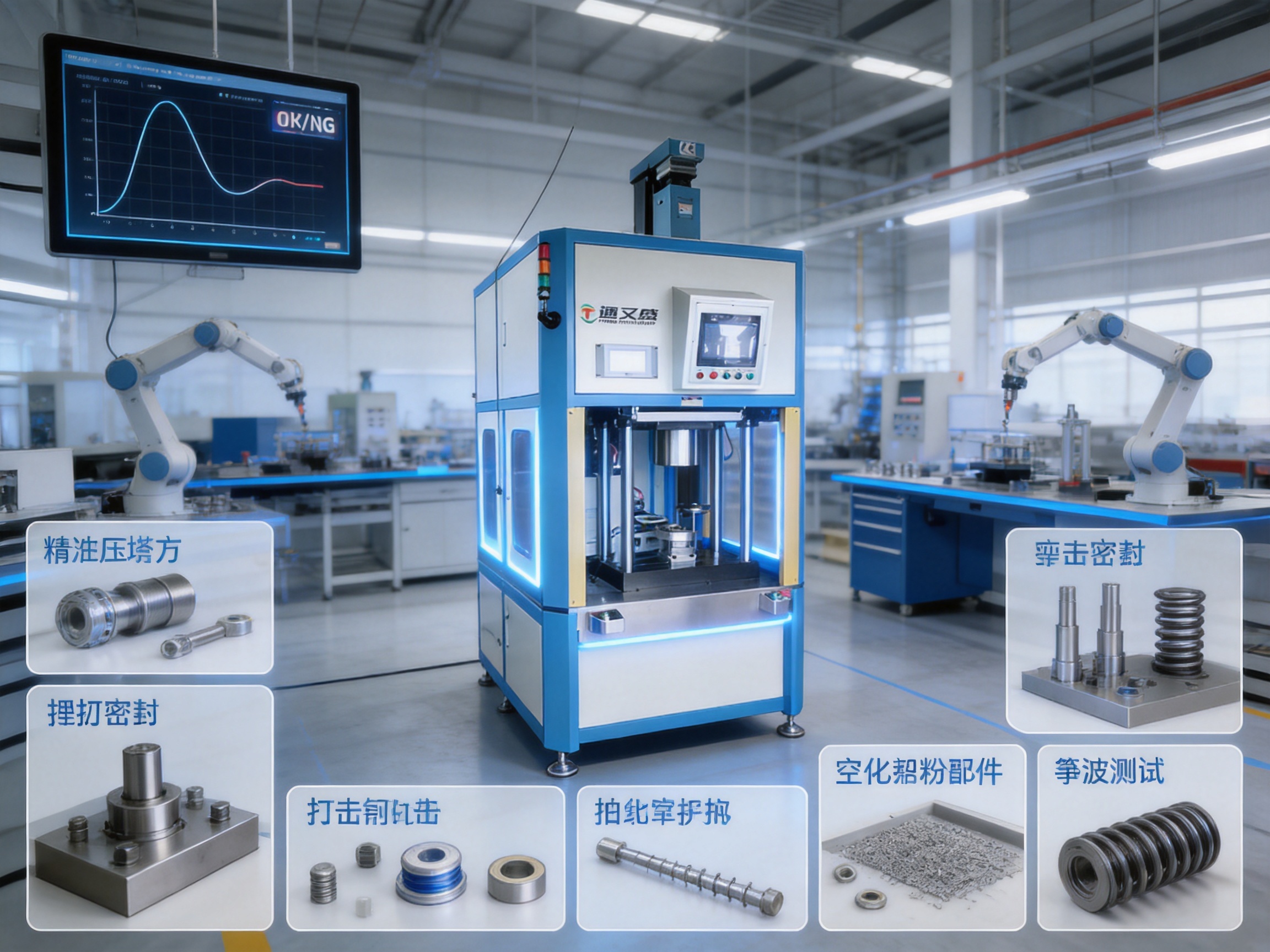
The four-column fully enclosed servo press machine is a precision automation platform for manufacturers that need controlled force, accurate displacement, flexible speed, reliable pressure holding, and automatic process judgment. Its structure supports stable loading, while the servo drive system enables programmable movement and repeatable operation. The enclosure contributes to operator protection, cleanliness, and organized production-line integration.
With model capacities ranging from 1 kN to 300 kN, stroke options extending up to 500 mm, fine pressure and displacement setting units, and a maximum listed pressure-maintaining time of 3,000 seconds, the product family can address a wide variety of assembly and testing requirements. Its applications include press-fitting, punching, riveting, powder compacting, sealing, and spring testing.
The equipment’s competitive value is strengthened by its focus on process measurement rather than simple movement. Force-displacement monitoring and automatic OK/NG judgment help manufacturers reduce variation, improve traceability, and identify defects earlier. Compared with conventional mechanical, hydraulic, or basic electric presses, the servo architecture offers greater flexibility in speed, force, position, and dwell control.
Suzhou Tongyousheng Electronic Technology Co., Ltd. brings together motion-control technology, precision machining, product development, application experience, and automation integration. Its related capabilities in electric cylinders, linear modules, linear motor modules, servo systems, and multi-degree-of-freedom platforms provide a foundation for developing customized equipment and complete intelligent-manufacturing solutions.
For customers evaluating a servo press, the most important step is to match the machine to the actual process. Proper force analysis, tooling design, fixture development, sensor selection, safety integration, and validation are essential. When these elements are correctly engineered, a fully enclosed four-column servo press can become a reliable foundation for high-quality, data-driven precision assembly.
1. Product specification material for the Four Column Fully Enclosed Servo Press Machine, including model range, pressure, stroke, speed, setting resolution, and pressure-maintaining data.
2. Application summary for press-fit assembly, punching, riveting, powder compacting, sealing, and spring testing projects supplied for product evaluation.
3. Engineering principles of servo motion control, force-displacement monitoring, and programmable electric pressing systems.
4. General practices for precision assembly tooling, fixture design, sensor calibration, and process validation.
5. Company information supplied for Suzhou Tongyousheng Electronic Technology Co., Ltd., including research and development, manufacturing capabilities, product portfolio, cooperation activities, and corporate history.
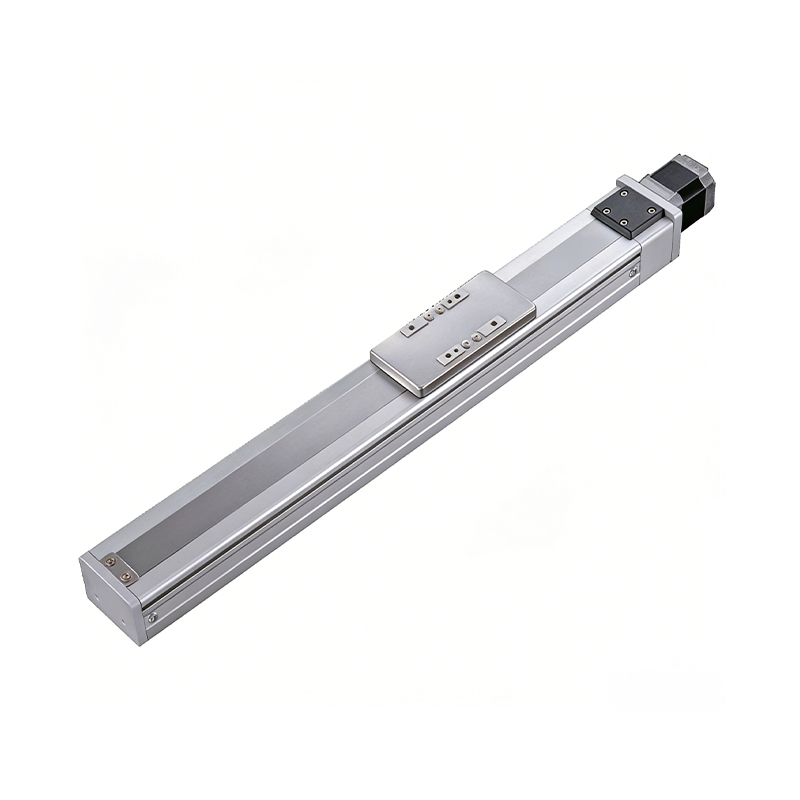 0.01mm High Precision Ball Screw Driven Rail-Embedded Linear Module
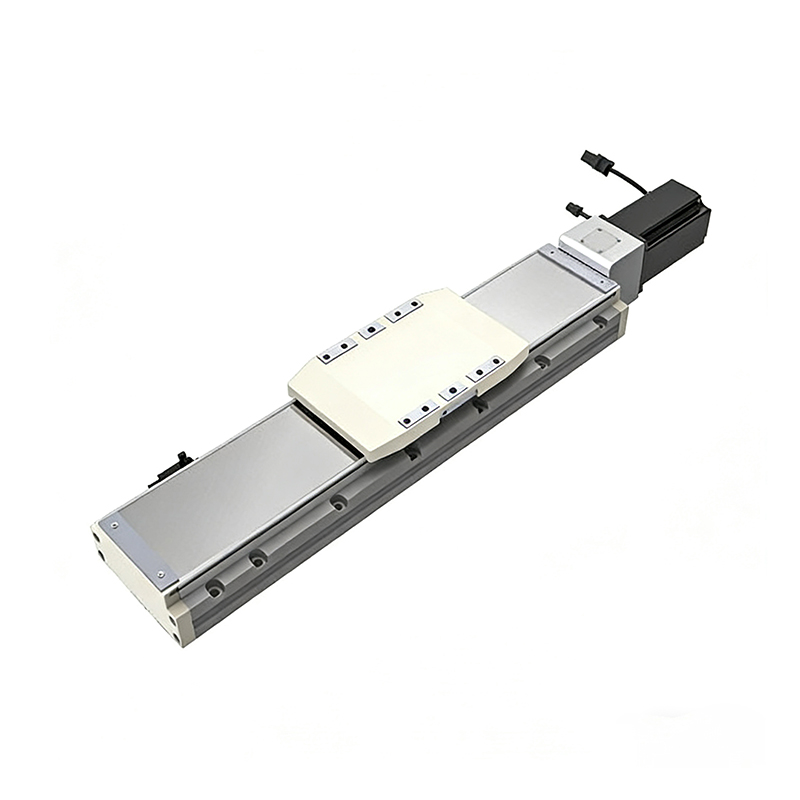 Heavy Load Ball Screw Driven Rail-Embedded Linear Module
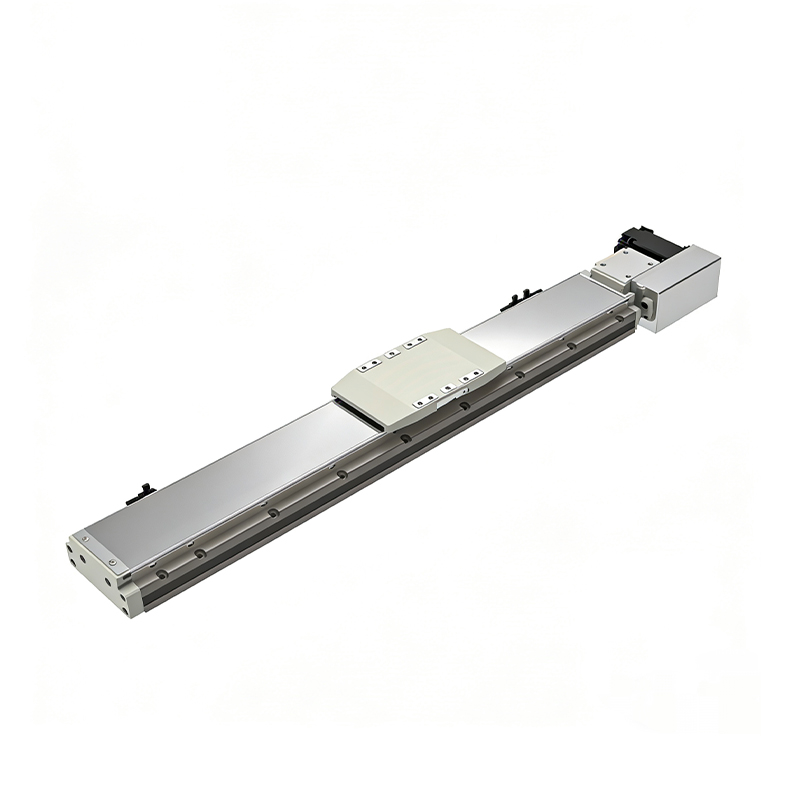 110KG Load Long Stroke Rail-Embedded Linear Module
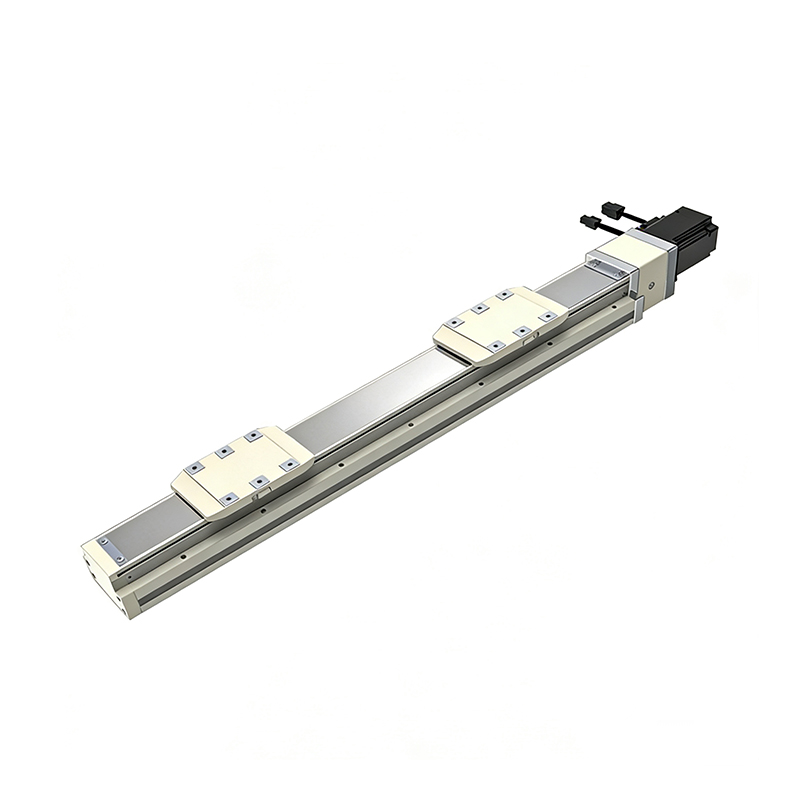 Dual-Slider High Precision Rail-Embedded Linear Module
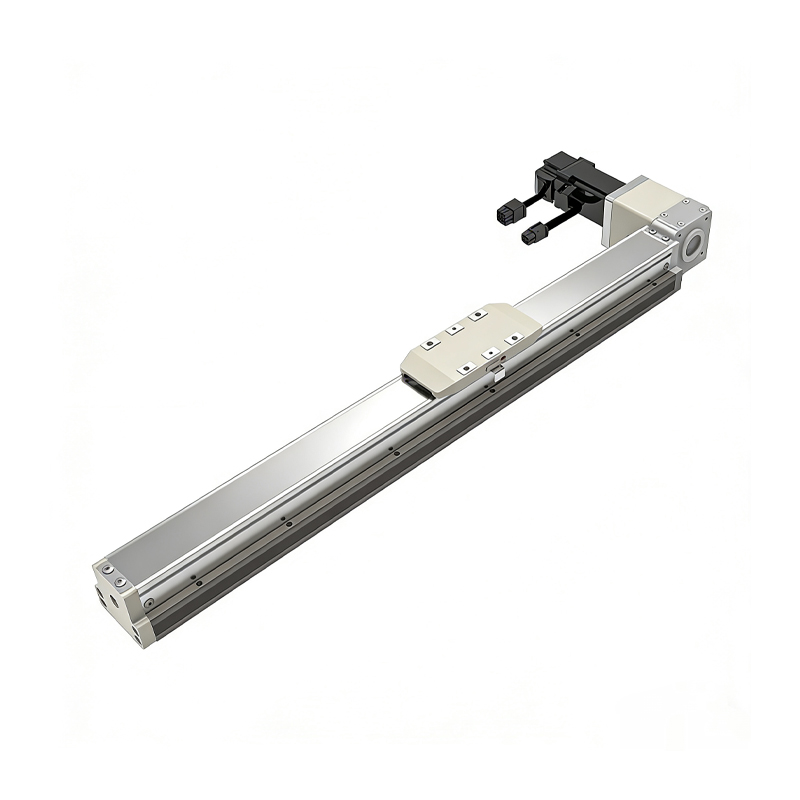 Belt Driven Dust-Proof Rail-Embedded Linear Module
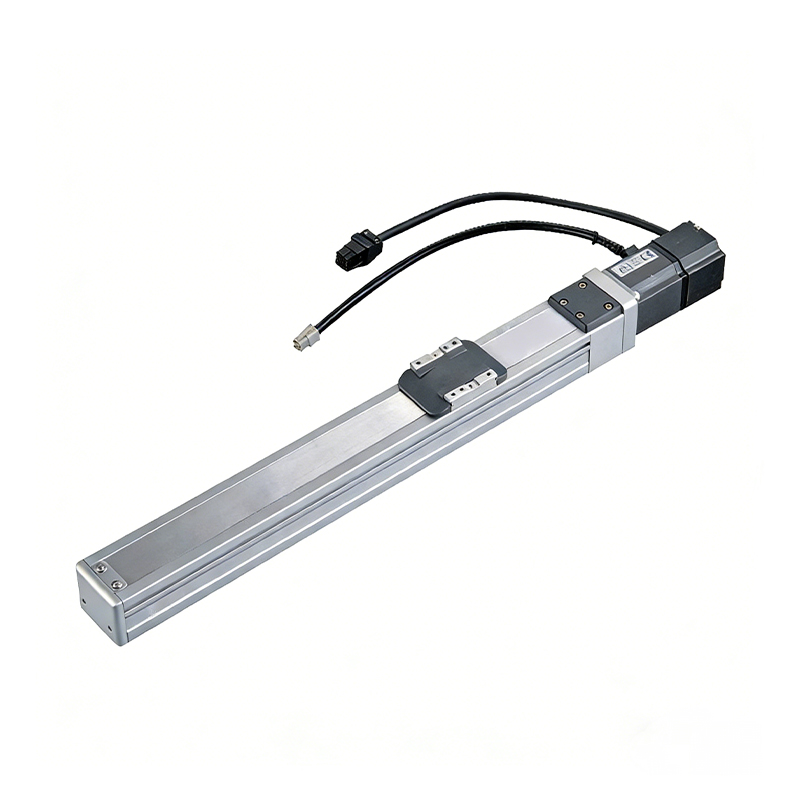 0.01mm High Precision Light Load Ball Screw Linear Module
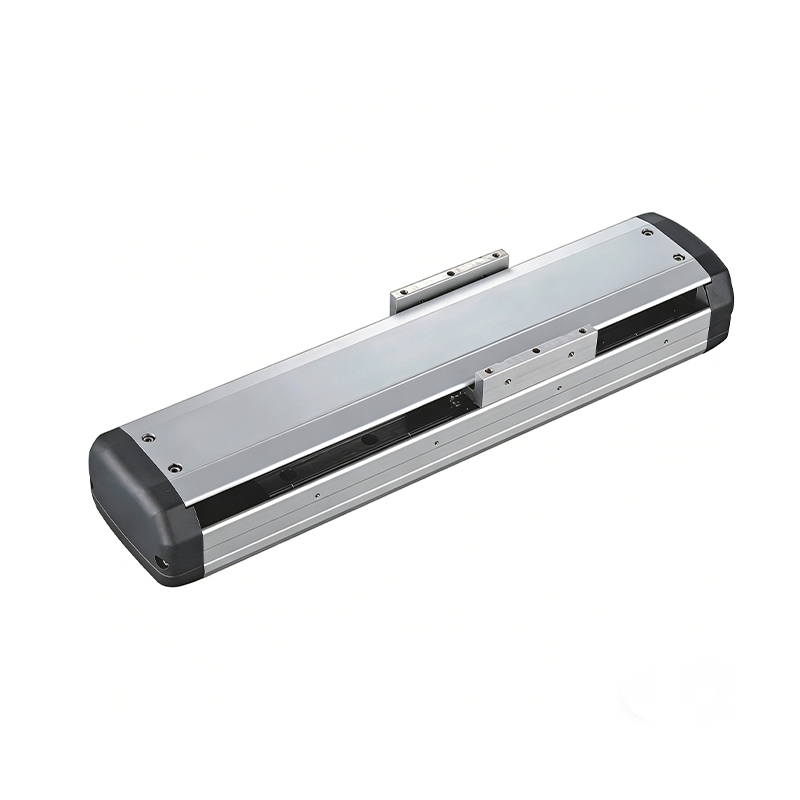 Ball Screw Linear Module with Built-in Sensor
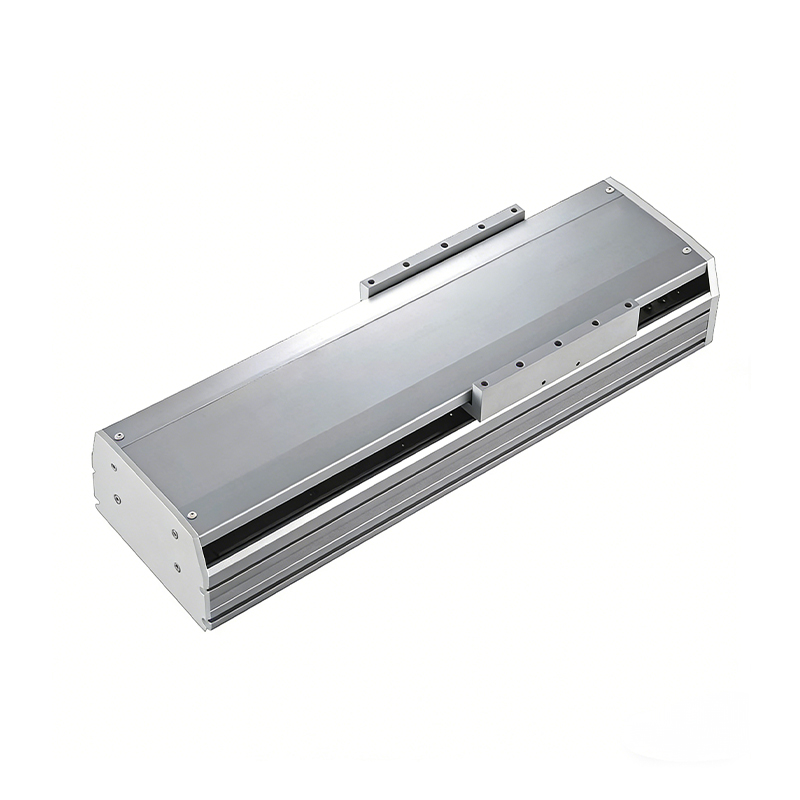 2000mm Long Stroke Ball Screw Linear Module
This 2000mm Long Stroke Ball Screw Linear Module is customized for large-range linear movement automation tasks, support...
READ MOREThis 2000mm Long Stroke Ball Screw Linear Module is customized for large-range linear movement automation tasks, support...
READ MOREThis 2000mm Long Stroke Ball Screw Linear Module is customized for large-range linear movement automation tasks, support...
READ MOREThis 2000mm Long Stroke Ball Screw Linear Module is customized for large-range linear movement automation tasks, support...
READ MORE
If you are interested in our products, please leave us a message. We look forward to providing you with
professional services!
Innovation and transcendence make factory intelligent manufacturing efficient and convenient!
+86 186 2508 0683
19962977901
sales@sz-tys.com
Building 5, Suzhou Mudu International Science and Technology Innovation Park, Jinfeng South Road, Suzhou City, Jiangsu Province, China
