Multi-Axis Synchronization and Machining Sourcing: Two Questions That Decide Whether a Press Line Actually Works
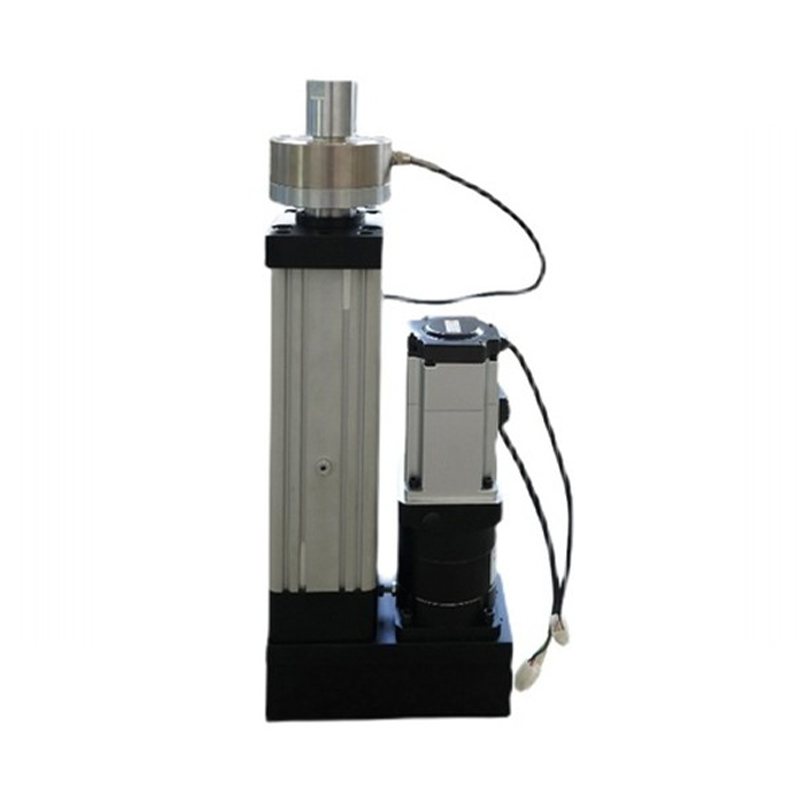
A four-station riveting fixture on an automotive bracket line had a strange intermittent problem: three out of four presses would land within a few microns of each other, and the fourth would occasionally lag by half a millisecond — enough to leave a visible witness mark on the part where the load wasn't distributed evenly. The root cause turned out to be a mix of things: a longer cable run on one axis, a slightly different gain setting left over from an earlier commissioning pass, and a controller that wasn't polling all four drives on the same bus cycle. None of this shows up on a single-axis spec sheet, and it's exactly the kind of problem that only surfaces once an electric linear cylinder is asked to work in a group rather than alone.
What "Synchronization Error" Actually Means on a Multi-Axis Press
When four or more actuators need to land at the same instant on a shared workpiece, the number that matters isn't each axis's individual repeatability — it's the spread between axes at the moment of contact. This is usually measured as a time-domain deviation (how far apart, in milliseconds, the axes reach their target position) and a position-domain deviation (how far apart their actual encoder readings sit once all axes report "in position"). A fixture can have every individual cylinder rated for sub-0.02mm repeatability and still produce uneven part loading if the bus cycle time is too coarse to catch small drifts between drives.
Where the Delay Actually Comes From
Sync error rarely comes from the mechanical side of the cylinder itself. It tends to come from three places: the fieldbus cycle time (how often the controller updates each drive's target), the servo loop's own response bandwidth (how fast the drive can correct a following error once it detects one), and physical wiring differences between axes — cable length, connector quality, even electromagnetic interference from a nearby VFD. On an EtherCAT network running a 1ms cycle, four axes can typically be held within a fraction of that cycle window of each other, but if one drive is set to a different current loop gain than the others, it will consistently lag or lead regardless of bus speed.
| Bus Cycle Time |
Typical Cross-Axis Deviation |
Practical Use Case |
| 4 ms |
2–4 ms spread |
Loose transfer/positioning tasks |
| 1 ms |
0.3–0.8 ms spread |
Standard multi-station press-fit |
| 0.5 ms or finer |
Under 0.2 ms spread |
Precision clinching, bearing seating |
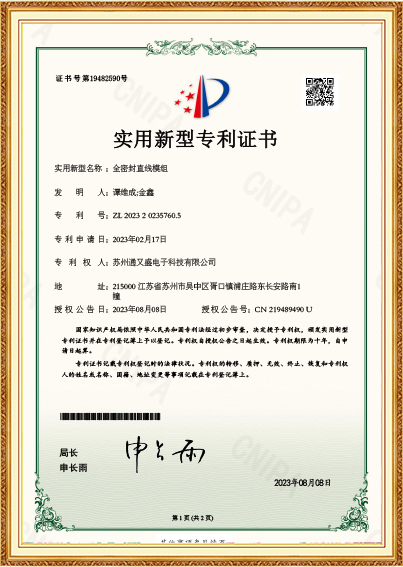
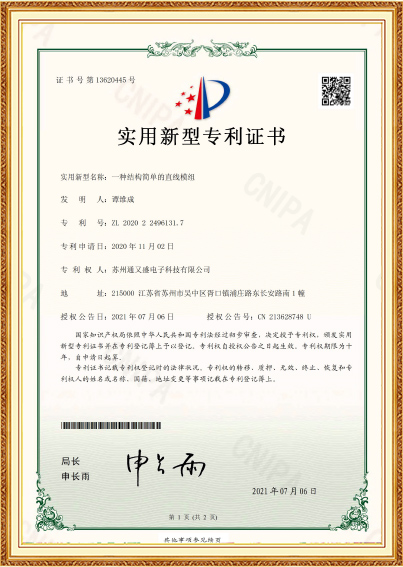
Suzhou Tongyousheng Electronic Technology Co., Ltd. tunes drive parameters per axis rather than shipping identical default gain sets across a multi-axis order, since cable length and mounting orientation differ from station to station even within the same fixture — a detail that only becomes visible once the whole line is running together rather than tested one cylinder at a time.
The Machining Question Nobody Asks Until Something Doesn't Fit
Separate from synchronization, there's a quieter question that determines whether a batch of electric linear cylinders will actually behave the same way part to part: who machined the screw and the housing, and on what equipment. A supplier that outsources CNC work to a rotating pool of job shops will see lot-to-lot variation in bore tolerance, thread pitch accuracy, and surface finish on the screw raceway — differences that don't always show up on an incoming inspection sheet but do show up six months later as uneven wear patterns across a batch of otherwise identical cylinders.
In-House Machining and What It Changes Downstream
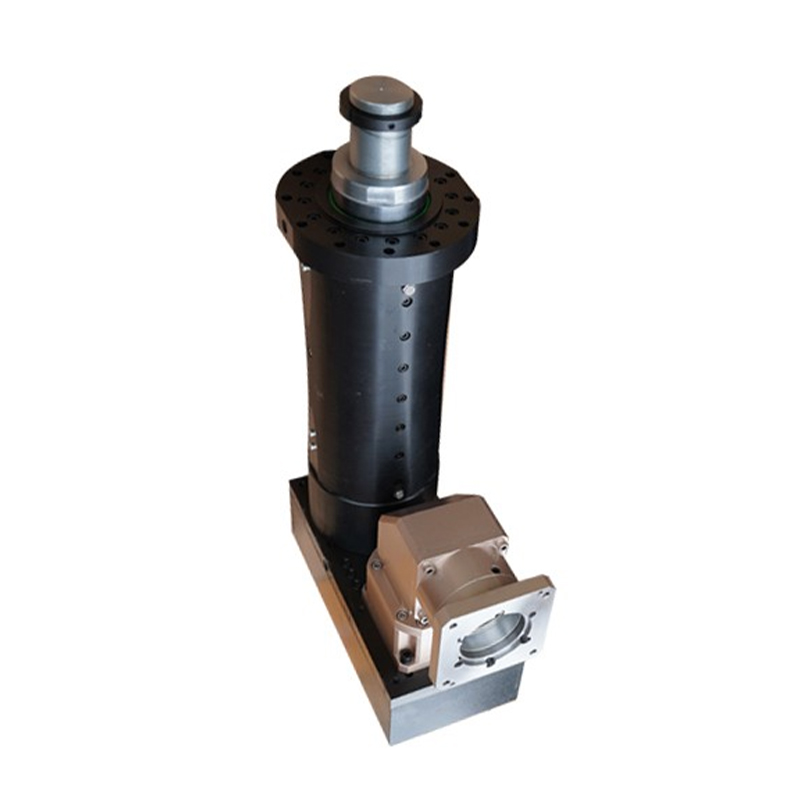
Keeping housing and screw machining on an internal CNC line means the same fixture, the same tooling wear curve, and the same operator calibration habits carry across an entire production run. It also shortens the feedback loop when a dimension drifts — a machinist can catch a tool offset issue on the shop floor the same shift it happens, rather than waiting for a rejected batch to come back from an external vendor weeks later. Suzhou Tongyousheng Electronic Technology Co., Ltd. runs its housing and screw machining on internal CNC centers for this reason, which keeps lead time predictable even during periods of higher order volume, since scheduling doesn't depend on a third party's own backlog.
Lead Time Trade-Offs in Practice
None of this means outsourced machining is inherently unreliable — for low-volume or highly specialized geometries, an external precision shop with specific grinding capability can outperform a general in-house line. But for standard electric linear cylinder housings and lead screws produced at moderate-to-high volume, internal machining tends to compress lead time variance rather than average lead time itself: the typical delivery date might be similar, but the spread between best-case and worst-case delivery narrows considerably, which matters more to a production planner scheduling a line changeover than the average number alone.
| Machining Source |
Lead Time Variability |
Batch Consistency |
Best Fit For |
| Internal CNC line |
Narrow, predictable |
Consistent tolerance stack across lots |
Standard, recurring orders |
| Outsourced job shop |
Wider, depends on vendor load |
Can vary lot to lot |
Low-volume, custom one-off geometry |
Reading Between the Lines of a Quote
A buyer comparing quotes for a multi-station press retrofit often focuses on unit price and rated thrust, but the two questions above — how synchronization is actually tuned across axes, and where the core machining happens — tend to matter more once the line is running production. A quote that looks identical on paper can produce very different outcomes on the shop floor depending on whether gain parameters were tuned per axis or copy-pasted, and whether the screw in cylinder twelve came off the same spindle as the screw in cylinder one.



 English
 Français
 русский
 عربى
عربى Español
 Deutsch